Hummingbirds are basically the sports cars of the bird world: tiny, flashy, wildly fast, and somehow always in need of fuel. If you want them to make regular pit stops in your yard, the right hummingbird feeder matters more than most people think. A pretty feeder may catch your eye, but a great feeder should also be easy to clean, simple to refill, comfortable for birds, and designed to discourage ants, bees, leaks, and mystery backyard gunk.
After reviewing editor-tested recommendations, birding guidance, manufacturer details, and practical feeder-care advice, two models stand out for different types of yards: the Muse Garden Hand Blown Glass Hummingbird Feeder for people who want a beautiful, larger-capacity feeder, and the Aspects HummZinger HighView Hummingbird Feeder for those who want a low-fuss saucer feeder that is wonderfully easy to clean. One is the decorative showpiece. The other is the practical little workhorse. Both can help turn your porch, patio, balcony, or garden into a hummingbird snack barminus the velvet rope.
Quick Verdict: The 2 Best Hummingbird Feeders
1. Best Overall: Muse Garden Hand Blown Glass Hummingbird Feeder
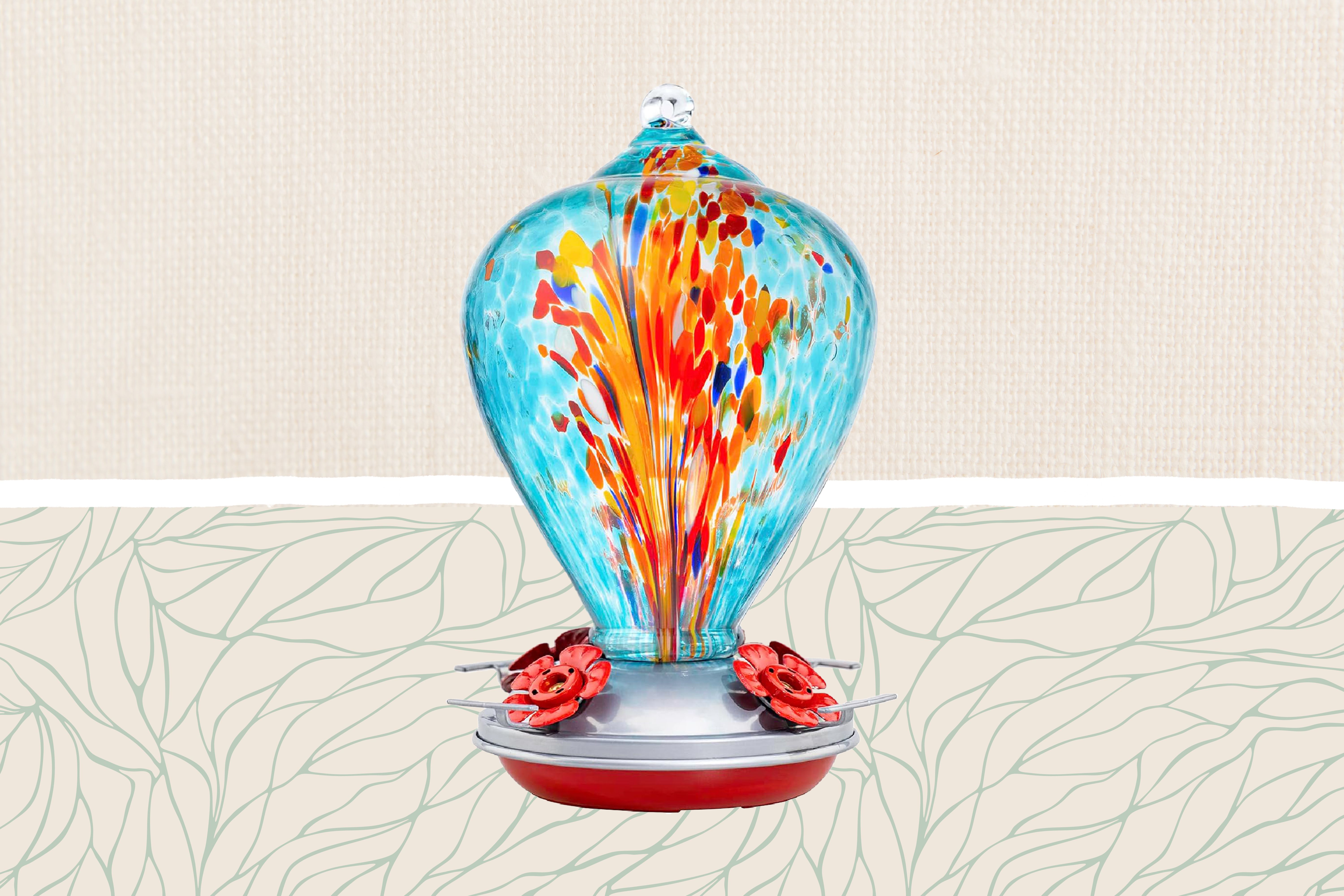
The Muse Garden Hand Blown Glass Hummingbird Feeder earns our top overall recommendation because it blends function with backyard beauty. Its colorful glass reservoir looks like garden art, but it is not just hanging there to collect compliments. The large nectar capacity makes it a strong choice for yards that already get steady hummingbird traffic, especially during spring and fall migration when birds may visit more frequently.
Most versions include a decorative glass reservoir, multiple flower-style feeding ports, perches, an ant moat, an S-hook, and a small cleaning brush. That combination is exactly what shoppers should look for: visual attraction, bird comfort, and basic pest control. The bright colors help draw attention, while the perches give hummingbirds a place to rest instead of hovering through the entire meal. Even hummingbirds deserve a lunch break.
The main reason to choose this feeder is its balance of charm and capacity. If your backyard already has native flowers, shrubs, and a little shade, this feeder can become the centerpiece of a hummingbird-friendly setup. It is especially appealing for homeowners who want a feeder that looks attractive from the kitchen window, patio table, or garden path.
Best For
- Busy yards with several hummingbird visitors
- Gardeners who want a decorative glass feeder
- People who prefer a larger nectar reservoir
- Porches, patios, and flower-filled backyard spaces
What We Like
- Colorful hand-blown glass design looks beautiful outdoors
- Large capacity reduces how often you need to refill during busy periods
- Includes helpful accessories such as an ant moat and cleaning brush
- Perches allow hummingbirds to rest while feeding
What to Consider
Glass feeders can be heavier than plastic models, and they are more likely to break if dropped or knocked down in strong wind. The decorative shape may also require a bottle brush for thorough cleaning. In hot, humid weather, do not fill the feeder all the way unless the birds are emptying it quickly. Nectar can spoil fast, and hummingbirds are not interested in sipping fermented sugar water. Honestly, who is?
2. Best Saucer Feeder: Aspects HummZinger HighView Hummingbird Feeder
The Aspects HummZinger HighView Hummingbird Feeder is the recommendation for anyone who values easy cleaning above all else. And when it comes to hummingbird feeders, easy cleaning is not a boring detailit is the whole game. A feeder that is annoying to clean becomes a feeder you clean less often, and that can lead to cloudy nectar, mold, and unhealthy feeding conditions.
This saucer-style feeder has a simple, shallow design with a clear base and a red cover. It typically holds 12 ounces of nectar and includes four feeding ports with a circular perch. The built-in ant moat helps protect the nectar from crawling insects, while the raised feeding design helps reduce leaks compared with some inverted bottle feeders.
The HummZinger’s best feature is its simplicity. Instead of wrestling with narrow bottle necks, tiny parts, and hard-to-reach corners, you can open the feeder, dump old nectar, wash the pieces, rinse thoroughly, refill, and hang it back up. It is the kind of design that makes responsible feeder maintenance feel realistic, not like a second job with wings.
Best For
- Beginners who want a simple hummingbird feeder
- Hot or humid climates where nectar must be changed frequently
- Small patios, balconies, and compact gardens
- Anyone who wants a feeder that is quick to clean
What We Like
- Two-piece saucer design is very easy to clean
- Built-in ant moat helps protect nectar
- Perch ring gives birds a comfortable resting spot
- Smaller capacity helps reduce wasted nectar
What to Consider
The 12-ounce capacity may be too small for yards with heavy hummingbird activity. If you have several birds visiting all day, you may need to refill it often. That said, smaller is not always a drawback. In warm weather, a smaller feeder encourages fresher nectar, which is better for the birds and less wasteful for you.
How We Chose These Hummingbird Feeders
Choosing the best hummingbird feeder is not just about picking the prettiest red thing on the shelf. We looked at the features that matter most in real backyard use: cleanability, feeder style, nectar capacity, perch comfort, pest resistance, durability, and whether the feeder encourages safe maintenance habits.
For hummingbirds, fresh nectar and clean feeding ports matter more than fancy decoration. A feeder with too many hard-to-clean crevices may look charming for a week and then become a tiny science experiment. The best hummingbird feeders make it easy to do the right thing: empty old nectar, scrub the reservoir, rinse well, and refill with fresh sugar water.
We also considered the difference between large-capacity and small-capacity feeders. A large glass feeder works well when birds are draining nectar quickly. A smaller saucer feeder is better when visits are occasional or when hot weather makes nectar spoil faster. The smartest choice depends on your climate, bird traffic, and cleaning routine.
What Makes a Good Hummingbird Feeder?
Easy Cleaning Comes First
If you remember only one thing from this guide, make it this: buy a feeder you will actually clean. Hummingbird nectar should be changed often, especially in warm weather. A wide opening, removable parts, and a simple base make cleaning much easier. Feeders with narrow necks or complicated decorative parts may require extra brushes and patience.
The Right Capacity Prevents Waste
A bigger feeder is not always better. If you only see one or two hummingbirds, a 12-ounce feeder may be more practical than a 32-ounce or 34-ounce model. In hot weather, nectar can sour before birds finish it. If the feeder still has old nectar after a few days, fill it halfway next time. Your goal is not to run a hummingbird buffet with leftovers from Tuesday.
Perches Help Birds Save Energy
Hummingbirds are famous for hovering, but they also perch frequently. A feeder with a perch lets them rest while they drink. This can make feeding easier and gives you a better view. Watching a hummingbird sit still for three seconds feels like catching a celebrity in sweatpants.
Ant Moats and Bee Guards Are Worth Having
Sugar water attracts more than hummingbirds. Ants, bees, and wasps may also show up, because apparently word gets around in the insect community. A built-in ant moat or included ant guard helps stop crawling insects from reaching the nectar. Bee-resistant ports can also help, especially when the nectar sits slightly below the feeding opening so hummingbirds can reach it with their long bills while insects cannot.
Glass vs. Plastic Hummingbird Feeders
Glass feeders are attractive, sturdy, and often easier to scrub clean. They tend to look more decorative in a garden and may last for years if handled carefully. The downside is weight and breakability. A glass feeder should be hung securely in a sheltered location where wind, pets, and enthusiastic yard work will not send it crashing down.
Plastic feeders are lightweight, affordable, and practical. Saucer-style plastic feeders are often the easiest to clean because they have fewer parts and wide surfaces. However, plastic may scratch, fade, or warp over time, especially in direct sun. Scratches can make cleaning harder, so replace plastic feeders when they become cloudy, rough, or difficult to sanitize.
For beauty and capacity, choose glass. For speed, simplicity, and hot-weather maintenance, choose a saucer-style plastic feeder. For maximum hummingbird happiness, choose whichever one you will keep clean consistently.
How to Make Hummingbird Nectar the Right Way
The best hummingbird nectar recipe is simple: four parts water to one part refined white sugar. For example, mix 1 cup of white sugar with 4 cups of water. Stir until fully dissolved. You can heat the water to help dissolve the sugar, especially if making a larger batch, but let the nectar cool completely before filling the feeder.
Do not use honey, brown sugar, molasses, raw sugar, artificial sweeteners, or red dye. Natural flower nectar is clear, and red coloring is unnecessary. The feeder’s red parts are enough to catch a hummingbird’s attention. Red dye belongs in questionable party punch, not in a bird feeder.
Where to Hang a Hummingbird Feeder
Hang your feeder where hummingbirds can find it, but where nectar will not bake in all-day sun. Morning sun and afternoon shade is a good combination. Shade slows spoilage and may reduce insect activity. Place the feeder near nectar-rich flowers if possible, especially red or orange tubular blooms such as bee balm, trumpet honeysuckle, salvia, cardinal flower, or native penstemon.
Keep feeders high enough to reduce risk from cats and other predators. If placing a feeder near a window for viewing, position it very close to the glass or far enough away to reduce collision risk. A feeder just outside the kitchen window can be delightful, but bird safety comes before your morning coffee entertainment.
Cleaning and Maintenance Tips
In hot weather, clean and refill hummingbird feeders every day or every other day. In moderate weather, every two to three days is usually a good rhythm. In cooler conditions, twice a week may be enough, but never ignore cloudy nectar, floating debris, black spots, or a sour smell. When in doubt, dump it out.
To clean a feeder, discard old nectar, take the feeder apart, scrub all pieces with hot water and a dedicated brush, rinse thoroughly, and let the parts dry before refilling. A diluted white vinegar solution can help with deeper cleaning, especially if you see buildup. Avoid leaving soap residue behind, and always rinse until the feeder smells clean and neutral.
Our Buying Advice: Which One Should You Choose?
Choose the Muse Garden Hand Blown Glass Hummingbird Feeder if you want a feeder that doubles as garden decor and you already attract enough hummingbirds to use a larger reservoir. It is a great pick for established gardens, larger patios, and bird lovers who enjoy watching multiple visitors throughout the day.
Choose the Aspects HummZinger HighView Hummingbird Feeder if you want the easiest daily experience. It is especially smart for beginners, hot climates, small spaces, and anyone who has ever looked at a complicated feeder and thought, “I need tweezers, a pipe cleaner, and emotional support.”
If possible, consider using more than one feeder and spacing them apart. Hummingbirds can be territorial, and one bossy bird may decide the entire yard is its personal juice bar. Multiple feeders can reduce squabbles and give shy birds a better chance to feed.
Common Hummingbird Feeder Mistakes to Avoid
Using Red Dye
Skip it. Red feeder parts attract hummingbirds just fine. Clear homemade nectar is safer, cheaper, and easier.
Filling a Large Feeder All the Way
If birds are not emptying the feeder quickly, use less nectar. Freshness matters more than fullness.
Waiting Too Long to Clean
Cloudy nectar is a warning sign, not a flavor upgrade. Clean feeders before nectar gets questionable.
Ignoring Ants and Bees
Use an ant moat, keep the feeder clean, and avoid sticky spills. Do not smear petroleum jelly or oils where birds might touch them.
Experience Notes: What We Learned from Living With Hummingbird Feeders
The first thing you learn after hanging a hummingbird feeder is that patience is part of the hobby. Some people hang a feeder and get visitors before dinner. Others spend two weeks staring out the window like a detective in a suburban bird mystery. That does not mean the feeder is failing. Hummingbirds often need time to discover a new food source, especially if your yard does not already have nectar flowers.
One useful trick is to place the feeder near blooming plants instead of hanging it alone in the middle of a blank porch. Flowers act like a neon sign that says, “Snacks this way.” Once hummingbirds investigate the flowers, they are more likely to notice the feeder. Red and orange tubular flowers are especially helpful, but native plants are the real long-term strategy. Feeders supplement a hummingbird garden; they should not be the entire restaurant.
Another lesson: smaller fills make life easier. A big glass feeder looks impressive when full, but if only one hummingbird is visiting, most of that nectar may sit too long. Filling the reservoir halfwayor even lesscan save sugar and reduce waste. During migration, when traffic increases, you can fill more. Think of it like hosting guests: you do not make five gallons of lemonade for one neighbor, unless that neighbor is training for a marathon.
Cleaning also becomes much less annoying when you keep a dedicated feeder kit. A small bottle brush, a skinny port brush, white vinegar, and a clean drying towel can live together in one container. That way, cleaning the feeder takes minutes instead of turning into a scavenger hunt through the kitchen drawers. Saucer feeders are especially convenient here because you can see every surface. With glass bottle feeders, check the neck and bottom carefully, because residue likes to hide where your sponge cannot reach.
Placement matters more than expected. A feeder in full afternoon sun may spoil quickly, while one in deep hidden shade may take longer for birds to find. A spot with morning light, afternoon shade, and a clear viewing angle is ideal. Avoid locations where ants have an easy bridge from branches, railings, or walls. If ants keep arriving, clean the outside of the feeder and the hanging area, then refresh the ant moat with plain water.
Finally, hummingbirds are tiny but dramatic. One bird may guard a feeder like a dragon guarding treasure. If you see constant chasing, add a second feeder out of sight from the first. The goal is not to eliminate all bird dramathat would be impossible, and frankly less entertainingbut to give more hummingbirds a fair chance to feed.
Final Thoughts
The best hummingbird feeder is not simply the one with the prettiest glass or the biggest reservoir. It is the one that fits your yard, your weather, your bird traffic, and your cleaning routine. For a decorative, larger-capacity option, the Muse Garden Hand Blown Glass Hummingbird Feeder is a beautiful choice. For practical everyday use, the Aspects HummZinger HighView Hummingbird Feeder is hard to beat.
Whichever feeder you choose, keep the nectar fresh, skip the red dye, clean often, and add native flowers whenever possible. Do that, and your yard has a much better chance of becoming a regular stop on the hummingbird highway.
Note: This article synthesizes current U.S. birding, gardening, and product-care guidance. Product availability, prices, and exact specifications may vary by retailer, so always check the current product listing and follow the manufacturer’s cleaning instructions before use.