Your brain is not a mysterious laptop that runs on vibes, last-minute motivation, and one heroic cup of coffee. It is a high-demand organ that needs steady fuel, healthy fats, vitamins, minerals, antioxidants, hydration, sleep, movement, andyesa little patience when you walk into a room and forget why you came in.
The good news is that eating for better brain health does not require rare berries harvested by moonlight or a refrigerator filled with expensive powders. The best foods to boost brain health and memory are mostly familiar: fish, leafy greens, berries, beans, whole grains, nuts, seeds, olive oil, and a few smart extras. Many of these foods appear again and again in the Mediterranean diet and the MIND diet, two eating patterns often linked with better cognitive aging, stronger heart health, and lower inflammation.
No single food can magically sharpen memory overnight. A blueberry is powerful, but it is not a tiny wizard. Brain-friendly eating works best as a pattern: meals that support blood flow, protect cells from oxidative stress, help regulate blood sugar, and provide nutrients used in brain structure and communication. Below are 14 of the best foods for brain health and memory, plus practical ways to use them without turning lunch into a science project.
Why Food Matters for Brain Health
The brain uses a large share of the body’s energy, and it depends on healthy blood vessels to deliver oxygen and nutrients. That is why many brain-healthy foods are also heart-healthy foods. Diets rich in vegetables, fruits, legumes, whole grains, fish, nuts, and unsaturated fats may support cognition partly by improving vascular health, reducing inflammation, and supplying antioxidants that help protect cells.
For memory, the most important strategy is consistency. A salmon dinner once a year will not cancel out months of ultra-processed snacks, sugary drinks, and sleep deprivation. But small daily choicesoats for breakfast, spinach in a sandwich, beans in soup, berries in yogurtcan quietly build a stronger foundation for long-term brain health.
The 14 Best Foods to Boost Brain Health and Memory
1. Fatty Fish
Fatty fish such as salmon, sardines, trout, herring, and mackerel are famous brain foods because they provide omega-3 fatty acids, especially DHA and EPA. DHA is an important structural fat in the brain, while EPA is associated with anti-inflammatory effects. These fats support cell membranes and may play a role in communication between brain cells.
Aim for fish a couple of times a week if it fits your diet. Choose lower-mercury options such as salmon, sardines, trout, or canned light tuna. Try salmon tacos with cabbage slaw, sardines on whole-grain toast, or trout with roasted vegetables. If fish is not your thing, plant sources such as walnuts, chia seeds, and flaxseeds provide ALA, another omega-3 fat, though the body converts it to DHA and EPA only in limited amounts.
2. Blueberries and Other Berries
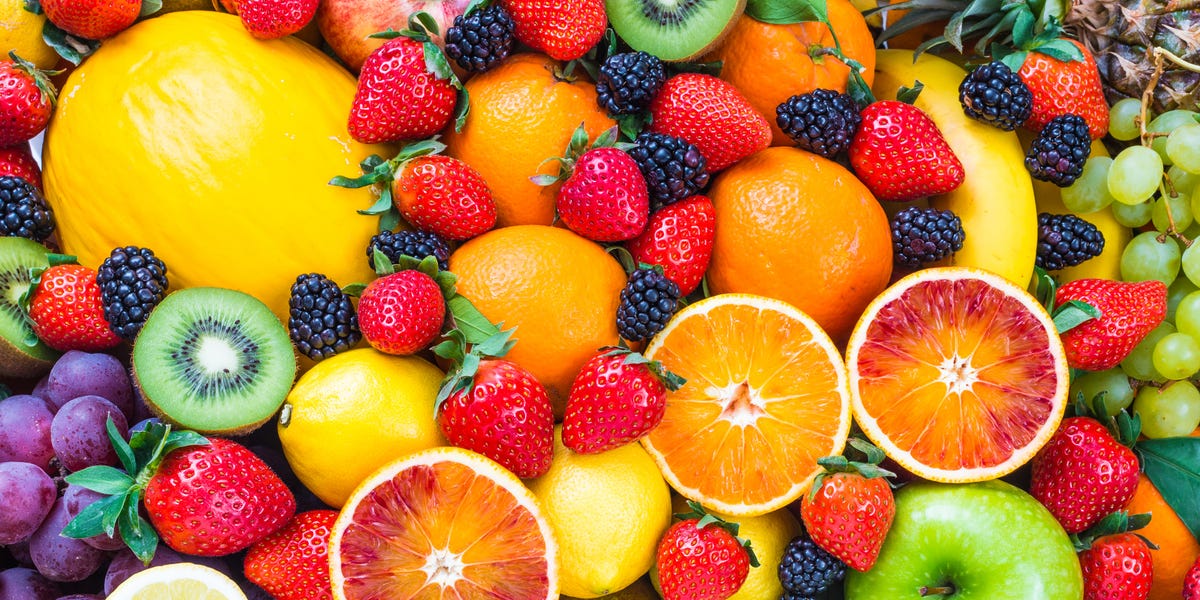
Blueberries, strawberries, blackberries, and raspberries are rich in flavonoids, including anthocyanins, the plant compounds that give many berries their deep color. These compounds are studied for their antioxidant and anti-inflammatory properties, both of which matter for brain aging and memory.
Berries are also easy to use. Add frozen blueberries to oatmeal, blend strawberries into a smoothie, or sprinkle raspberries over Greek yogurt. Frozen berries are just as convenient as fresh ones and often more budget-friendly. Your brain does not care whether the blueberry arrived fresh from a farmers market or from the freezer aisle wearing a tiny coat of frost.
3. Leafy Green Vegetables
Spinach, kale, collard greens, romaine lettuce, Swiss chard, and arugula are nutrient-dense choices for brain health. Leafy greens provide folate, vitamin K, lutein, beta carotene, magnesium, and other compounds that support overall health. They are also central to the MIND diet, which specifically emphasizes green leafy vegetables.
If salads make you feel like you are chewing homework, make greens easier. Fold spinach into scrambled eggs, add kale to soup, blend a handful of greens into a smoothie, or use romaine as the crunchy base for chicken or chickpea wraps. Small servings count, and cooked greens shrink dramatically, which is useful if you want brain benefits without facing a mountain of leaves.
4. Broccoli and Cruciferous Vegetables
Broccoli, cauliflower, Brussels sprouts, cabbage, and bok choy bring fiber, vitamin C, folate, and plant compounds that help support the body’s defense systems. Broccoli is especially useful because it pairs brain-supportive nutrients with a satisfying texture when roasted correctly.
The secret is not to boil broccoli into sadness. Roast it with olive oil, garlic, and a squeeze of lemon. Add chopped broccoli to stir-fries, grain bowls, omelets, or pasta. Cruciferous vegetables work best when they are cooked in a way that makes you want another bite, not when they smell like a school cafeteria from 1998.
5. Walnuts and Other Nuts
Nuts provide unsaturated fats, vitamin E, magnesium, fiber, and plant compounds. Walnuts are especially popular in brain-health discussions because they contain ALA omega-3 fat and polyphenols. Almonds, pistachios, cashews, and hazelnuts also fit well into a brain-friendly eating pattern.
A small handful is enough for most people. Sprinkle walnuts on oatmeal, add almonds to a salad, or pair pistachios with fruit for a snack that feels more intentional than eating crackers directly over the sink. Choose unsalted or lightly salted nuts when possible, especially if you are watching sodium intake.
6. Seeds: Pumpkin, Chia, Flax, and Sunflower
Seeds are tiny but nutritionally loud. Pumpkin seeds offer magnesium, zinc, and iron. Chia and flaxseeds provide fiber and ALA omega-3 fats. Sunflower seeds bring vitamin E, an antioxidant nutrient often associated with healthy aging.
Ground flaxseed is easier for the body to use than whole flaxseed. Add a spoonful to oatmeal, yogurt, pancake batter, or smoothies. Chia seeds can thicken overnight oats or pudding. Pumpkin seeds add crunch to salads and soups. Think of seeds as brain-friendly confettiexcept useful, edible, and less likely to be found in your carpet three months later.
7. Eggs
Eggs contain choline, a nutrient the body uses to make acetylcholine, a neurotransmitter involved in memory and learning. Eggs also provide protein, vitamin B12, selenium, and other nutrients. For many people, eggs are an affordable and flexible brain-supportive food.
Use eggs in simple meals: vegetable omelets, boiled eggs with whole-grain toast, egg salad with avocado, or a frittata loaded with spinach and peppers. If you have specific cholesterol concerns or medical conditions, follow guidance from your healthcare professional.
8. Whole Grains
Your brain likes steady energy. Whole grains such as oats, brown rice, quinoa, barley, farro, whole-wheat bread, and whole-grain pasta provide complex carbohydrates, fiber, B vitamins, and minerals. Compared with refined grains, whole grains digest more slowly, helping support steadier blood sugar.
Good options include oatmeal with berries, quinoa bowls with vegetables and beans, brown rice with salmon, or whole-grain toast with avocado and eggs. Whole grains are not glamorous, but they are reliable. In the world of brain food, oatmeal is the dependable friend who always shows up on moving day.
9. Beans and Lentils
Beans, lentils, chickpeas, black beans, kidney beans, and split peas are excellent for brain-friendly meals because they provide fiber, plant protein, folate, magnesium, potassium, and slow-digesting carbohydrates. They are also staples in Mediterranean-style and MIND-style eating patterns.
Add lentils to soup, mash chickpeas into a sandwich filling, toss black beans into tacos, or make a white bean dip with olive oil and lemon. Beans support gut health, and growing research suggests the gut and brain are closely connected through immune, metabolic, and nervous-system pathways.
10. Extra-Virgin Olive Oil
Extra-virgin olive oil is a signature fat in the Mediterranean diet. It contains mostly monounsaturated fat plus polyphenols that may help reduce oxidative stress and inflammation. Replacing butter or heavily processed fats with olive oil is a simple way to make meals more brain-friendly.
Use extra-virgin olive oil in salad dressings, drizzle it over roasted vegetables, stir it into beans, or use it to cook eggs and greens over moderate heat. You do not need to drink it like a wellness dare. Food is not a stunt. Use it as a flavorful ingredient.
11. Avocados
Avocados provide monounsaturated fat, fiber, potassium, folate, and vitamin E. Because brain health depends heavily on vascular health, foods that fit into a heart-friendly pattern can also support cognitive wellness. Avocados are creamy, satisfying, and easy to pair with whole grains and vegetables.
Try avocado on whole-grain toast, in a salmon bowl, blended into a smoothie, or mashed into tuna or chickpea salad. Portion still matters because avocados are calorie-dense, but they are a nutrient-rich choice when used as part of a balanced meal.
12. Dark Chocolate and Cocoa
Dark chocolate and cocoa contain flavanols, plant compounds studied for their potential effects on blood flow, oxidative stress, and brain function. The key is choosing chocolate with a higher cocoa content and enjoying it in modest portions. A giant candy bar with mostly sugar is not the same thing as a square or two of dark chocolate.
Look for dark chocolate around 70% cocoa or higher if you enjoy the taste. Add unsweetened cocoa powder to oatmeal, smoothies, or yogurt. Dark chocolate should feel like a small pleasure, not a medical assignment. Your brain may appreciate the flavanols; your mood may appreciate the chocolate.
13. Coffee and Green Tea
Coffee and green tea contain caffeine and polyphenols. Caffeine can temporarily improve alertness and focus for many adults, while tea provides catechins such as EGCG. Green tea also contains L-theanine, an amino acid that may contribute to a calmer type of alertness.
Moderation is important. Too much caffeine can interfere with sleep, increase jitters, or worsen anxiety in sensitive people. Since sleep is essential for memory consolidation, a late-afternoon caffeine habit can backfire spectacularly. For many adults, morning coffee or tea is reasonable, but teenagers, pregnant people, and anyone with medical concerns should be more cautious and follow professional guidance.
14. Citrus Fruits
Oranges, grapefruit, lemons, limes, and tangerines provide vitamin C and flavonoids. Vitamin C helps protect cells from oxidative stress and supports overall immune function. Citrus fruits also add brightness to meals, which is helpful when healthy food starts tasting too serious.
Add orange slices to salads, squeeze lemon over fish, use lime in bean tacos, or snack on tangerines. Pair citrus with iron-rich plant foods such as beans or spinach because vitamin C can help improve absorption of non-heme iron.
How to Build a Brain-Healthy Plate
The easiest way to use these foods is to combine them rather than treat each one as a separate homework assignment. A brain-friendly breakfast might be oatmeal topped with blueberries, walnuts, chia seeds, and cinnamon. Lunch could be a spinach salad with chickpeas, avocado, pumpkin seeds, citrus dressing, and whole-grain pita. Dinner could be salmon with roasted broccoli, quinoa, and olive oil.
Snacks can help too. Try Greek yogurt with berries, apple slices with almond butter, hummus with vegetables, dark chocolate with walnuts, or a boiled egg with whole-grain crackers. The goal is not perfection. The goal is to make the better choice easier, tastier, and repeatable.
Foods to Limit for Better Brain Health
A brain-supportive diet is not only about what to add; it is also about what to reduce. Diets high in ultra-processed foods, sugary drinks, refined carbohydrates, fried foods, and excess saturated fat may contribute to inflammation, poor blood sugar control, and vascular problems. These issues can affect long-term cognitive health.
You do not need to panic over birthday cake or fries with friends. Food guilt is not a nutrient. But if most meals are built around heavily processed foods, the brain may not receive the steady fuel and protective nutrients it needs. Start by adding more whole foods before obsessing over restrictions.
Experience Notes: What Eating for Brain Health Looks Like in Real Life
The most realistic brain-health routine is the one you can actually live with on a busy Tuesday. In real life, people forget to meal prep, run late, stare into the refrigerator like it owes them money, and sometimes call a bag of chips “dinner-adjacent.” That is why the best approach is practical, flexible, and forgiving.
One useful experience is starting with breakfast. Many people notice that a balanced breakfast helps them feel more focused through the morning. Instead of a sugary pastry alone, try oats with berries and walnuts, eggs with spinach on whole-grain toast, or yogurt with chia seeds and fruit. These meals include fiber, protein, healthy fats, and slow-digesting carbohydrates, which can help keep energy steadier.
Lunch is where brain-friendly eating often succeeds or collapses. A simple formula works well: greens, protein, fiber-rich carbohydrates, healthy fat, and flavor. For example, make a bowl with quinoa, chickpeas, spinach, roasted broccoli, avocado, olive oil, and lemon. It tastes fresh, travels well, and does not require a culinary degree. If you prefer sandwiches, use whole-grain bread, add tuna or egg, include leafy greens, and serve fruit on the side.
Dinner can be even easier. Choose one protein, one vegetable, one whole grain or bean, and one healthy fat. Salmon, roasted Brussels sprouts, brown rice, and olive oil make a strong meal. Lentil soup with kale and whole-grain bread works too. Even pasta can fit: use whole-grain pasta, add broccoli, white beans, olive oil, garlic, and a little parmesan. Brain health does not mean banning comfort food; it means upgrading the ingredients.
Snacks are another place where small changes matter. Keep nuts, fruit, hummus, boiled eggs, yogurt, or dark chocolate available. When better options are visible, they are more likely to be eaten. When they are hidden behind three mystery containers and a heroic old jar of pickles, they are basically archaeological artifacts.
The biggest lesson is that consistency beats intensity. You do not need to eat all 14 foods every day. Pick three or four habits and repeat them: berries most mornings, greens most days, fish once or twice a week, beans several times a week, olive oil instead of butter, and nuts or seeds as a regular topping. Over time, those small choices become a pattern. And when it comes to memory and brain health, the pattern is the point.
Conclusion
The best foods to boost brain health and memory are not exotic or complicated. They are everyday foods that support blood flow, reduce oxidative stress, provide healthy fats, and deliver steady energy: fatty fish, berries, leafy greens, broccoli, nuts, seeds, eggs, whole grains, beans, olive oil, avocados, dark chocolate, coffee or green tea, and citrus fruits.
For the strongest results, think in meals, not magic bullets. Build a colorful plate, choose minimally processed foods most of the time, and make healthy choices easy enough to repeat. Your brain does a lot for youthinking, remembering, dreaming, solving problems, and occasionally reminding you of a song lyric from 2009 for no reason. Feeding it well is one of the simplest ways to return the favor.