Editorial note: This article is for educational purposes only and should not replace care from a qualified gynecologist, endometriosis specialist, or fertility specialist.
Endometriosis has a talent for making life feel like a group project where your pelvis does all the complaining and nobody else reads the instructions. It can cause severe period pain, chronic pelvic pain, pain with sex, bowel or bladder symptoms, fatigue, and fertility challenges. For some people, medication, hormonal therapy, pelvic floor physical therapy, and lifestyle strategies help enough. For others, surgery becomes part of the conversation.
But here is the important part: surgery for endometriosis is not one single procedure, and it is not a magical “delete disease” button. It is a set of surgical approaches used to diagnose, remove, destroy, or manage endometriosis lesions, scar tissue, ovarian cysts called endometriomas, and complications involving the bowel, bladder, ureters, ovaries, fallopian tubes, or pelvic lining.
The best surgical plan depends on symptoms, imaging results, age, fertility goals, previous surgeries, pain patterns, disease location, and the surgeon’s experience. In other words, the right surgery is less like ordering fries and more like building a custom map for a very cranky internal neighborhood.
What Is the Goal of Endometriosis Surgery?
The main goal of endometriosis surgery is to improve quality of life. That may mean reducing pain, improving fertility chances, removing an endometrioma, freeing organs stuck together by adhesions, or treating deep disease affecting the bowel, bladder, ureters, diaphragm, or pelvic nerves.
Surgery may also help confirm the diagnosis. Historically, laparoscopy with biopsy was considered the most definitive way to diagnose endometriosis. Newer clinical guidance recognizes that many patients can be evaluated with symptoms and imaging first, rather than being forced to undergo surgery just to prove their pain is real. That is progress, and frankly, it deserves a tiny confetti cannon.
When Is Surgery Considered for Endometriosis?
Doctors may discuss surgery when pain remains severe despite medical treatment, when symptoms return after medication, when imaging shows an endometrioma, when infertility may be related to endometriosis, or when deep infiltrating disease appears to involve organs such as the bowel, bladder, or ureters.
Surgery may also be considered when the diagnosis is uncertain and other conditions need to be ruled out. Pelvic pain can come from many sources, including fibroids, ovarian cysts, pelvic inflammatory disease, irritable bowel syndrome, interstitial cystitis, musculoskeletal problems, and pelvic floor dysfunction. A thoughtful surgeon looks at the whole picture, not just one villain wearing an “endo” name tag.
Main Types of Surgeries for Endometriosis
1. Diagnostic Laparoscopy
Diagnostic laparoscopy is a minimally invasive surgery performed under anesthesia. The surgeon makes a small incision, usually near the belly button, and inserts a laparoscope, which is a thin camera that allows the pelvic organs to be viewed on a screen. Carbon dioxide gas is used to gently expand the abdomen so the surgeon can see more clearly.
If endometriosis is found, the surgeon may take a biopsy. In many cases, treatment can happen during the same procedure. That matters because nobody wants to wake up and hear, “Good news, we found the problem. Bad news, we waved politely at it and left.”
2. Laparoscopic Excision Surgery
Laparoscopic excision is one of the most discussed surgeries for endometriosis. In excision, the surgeon cuts out endometriosis lesions from affected tissue. This method can remove the full depth of visible disease, including deeper lesions when performed by an experienced surgeon.
Excision is often preferred for deep infiltrating endometriosis, endometriomas, and lesions involving complex anatomy. It also provides tissue that can be sent to pathology for confirmation. The skill of the surgeon matters greatly because endometriosis can hide in delicate areas near the bowel, bladder, ureters, blood vessels, and nerves.
3. Ablation or Fulguration
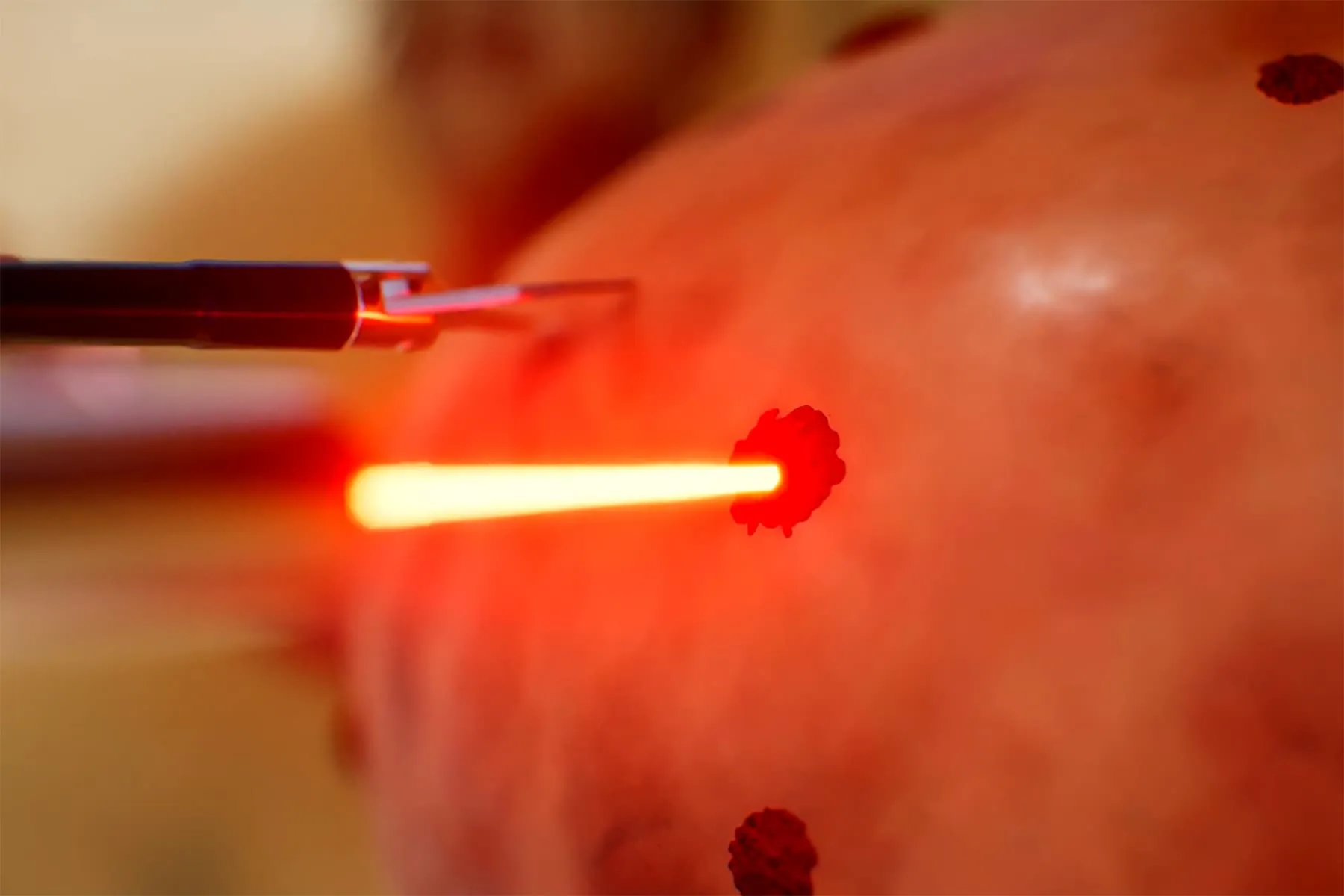
Ablation, sometimes called fulguration, uses heat, laser, or electrical energy to destroy the surface of endometriosis lesions. It may be used for smaller or superficial spots. The benefit is that it can be faster and technically simpler in some cases.
The limitation is that ablation may not remove deeper disease beneath the surface. Imagine mowing weeds without removing the roots. The lawn looks better for a moment, then nature returns with a personal vendetta. For some patients, ablation helps; for others, especially those with deeper disease, excision may offer a more complete approach.
4. Ovarian Endometrioma Surgery
An endometrioma is an ovarian cyst associated with endometriosis. It is sometimes called a “chocolate cyst” because it contains old blood that looks dark and thick. Cute name? Yes. Cute experience? Absolutely not.
Surgery for an endometrioma often involves ovarian cystectomy, meaning the cyst wall is carefully removed while preserving as much healthy ovarian tissue as possible. This can reduce pain and may help fertility in selected cases. However, ovarian surgery can affect ovarian reserve, so patients who want future pregnancy should discuss fertility preservation, egg freezing, IVF timing, and risks before surgery.
5. Adhesiolysis
Endometriosis can cause adhesions, which are bands of scar tissue that make organs stick together. The uterus, ovaries, fallopian tubes, bowel, and pelvic sidewall may become attached in ways nature did not approve.
Adhesiolysis is the surgical release of scar tissue. It may help restore anatomy, improve organ mobility, reduce pain, and improve fertility chances in certain patients. However, adhesions can reform after surgery, so technique, post-operative care, and minimizing repeated surgeries are important.
6. Surgery for Deep Infiltrating Endometriosis
Deep infiltrating endometriosis can grow into or around pelvic structures. It may affect the bowel, bladder, ureters, uterosacral ligaments, rectovaginal space, diaphragm, or pelvic nerves. Symptoms may include pain with bowel movements, rectal bleeding during periods, painful urination, urinary urgency, flank pain, deep pain with sex, or severe pelvic pain that laughs at ordinary painkillers.
This type of surgery should be handled by a surgeon with advanced endometriosis experience. Sometimes a multidisciplinary team is needed, including a gynecologic surgeon, colorectal surgeon, urologist, or fertility specialist. The goal is to remove disease while protecting organ function.
7. Bowel, Bladder, or Ureter Surgery
When endometriosis affects the bowel, surgery may involve shaving superficial disease, removing a disc-shaped section, or, in severe cases, removing a segment of bowel and reconnecting it. When the bladder is involved, surgeons may remove lesions from the bladder wall. If endometriosis affects the ureter, the tube that carries urine from the kidney to the bladder, surgery may be needed to prevent kidney damage.
These procedures are more complex than routine laparoscopy. Patients should ask how often the surgeon treats bowel, bladder, or ureteral endometriosis and whether other specialists will be available during the operation.
8. Robotic-Assisted Surgery
Robotic-assisted surgery is a form of minimally invasive surgery where the surgeon controls robotic instruments from a console. The robot does not operate by itself. It is not sitting there making independent choices like a sci-fi intern with scalpels.
Robotic tools can offer excellent visualization and wrist-like instrument movement, especially in complex pelvic surgery. However, the technology is only as good as the surgeon using it. A skilled laparoscopic surgeon and a skilled robotic surgeon may both achieve excellent outcomes. Patients should focus less on the machine and more on training, experience, and surgical strategy.
9. Laparotomy
Laparotomy is open abdominal surgery using a larger incision. It is much less common today for endometriosis because minimally invasive approaches usually allow shorter recovery, smaller scars, and less post-operative pain. Still, laparotomy may be needed in rare cases with extensive disease, severe adhesions, complex anatomy, or emergency complications.
If a laparotomy is recommended, it is reasonable to ask why a minimally invasive approach is not suitable and whether a second opinion from an advanced endometriosis surgeon would be helpful.
10. Hysterectomy and Oophorectomy
A hysterectomy removes the uterus. An oophorectomy removes one or both ovaries. These procedures may be considered for severe symptoms when other treatments have failed and when the patient does not want future pregnancy. However, hysterectomy does not automatically cure endometriosis because endometriosis can exist outside the uterus.
Removing both ovaries lowers estrogen levels and may reduce stimulation of endometriosis, but it also causes surgical menopause if the patient has not already gone through menopause. That can bring hot flashes, sleep disruption, mood changes, vaginal dryness, bone health concerns, and cardiovascular considerations. This decision deserves a careful, unhurried discussionnot a five-minute “let’s remove the whole command center” conversation.
Excision vs. Ablation: What Is the Difference?
The difference between excision and ablation is one of the most common questions about endometriosis surgery. Excision removes lesions by cutting them out. Ablation destroys lesions on the surface using energy.
Excision may be preferred for deep lesions, recurrent disease, endometriomas, or disease near critical structures, especially when performed by a highly trained surgeon. Ablation may be used for superficial disease in selected cases. The best choice depends on the location and depth of lesions, the surgeon’s training, the patient’s goals, and the overall treatment plan.
No technique guarantees that symptoms will never return. Endometriosis is a chronic inflammatory condition, and recurrence can happen. However, careful removal of visible disease, combined with appropriate follow-up care, can make a meaningful difference for many patients.
Can Surgery Improve Fertility?
Endometriosis can affect fertility by causing inflammation, scar tissue, distorted pelvic anatomy, ovarian cysts, or changes in egg and embryo environment. Surgery may improve fertility for some patients, especially when moderate to severe disease, adhesions, or endometriomas are present.
However, surgery is not always the fastest route to pregnancy. Age, ovarian reserve, partner sperm factors, fallopian tube health, previous surgeries, and IVF plans all matter. For example, a 28-year-old with an endometrioma and otherwise normal fertility testing may receive different advice than a 39-year-old with low ovarian reserve who is considering IVF.
Anyone planning pregnancy should ask whether surgery could help, whether it might reduce ovarian reserve, whether fertility preservation should happen first, and how long to try naturally after surgery before moving to assisted reproduction.
What Happens Before Surgery?
Before surgery, the doctor may recommend a pelvic exam, ultrasound, MRI, blood tests, medication review, bowel preparation in selected cases, and consultation with other specialists. Patients should discuss allergies, anesthesia risks, pregnancy status, bleeding disorders, previous surgeries, and all medications or supplements.
Good questions to ask include: What type of surgery are you planning? Will you excise or ablate lesions? Will you remove an endometrioma if found? What happens if bowel or bladder disease appears? How many endometriosis surgeries do you perform each year? Will I need hormonal suppression afterward? What is the plan if symptoms return?
A confident surgeon should welcome thoughtful questions. If the response feels dismissive, rushed, or oddly offended by your desire to understand your own organs, that is useful information too.
What Is Recovery Like?
Recovery depends on the extent of surgery. After simple laparoscopy, some people return to light activities within several days, while others need a few weeks. More complex excision, bowel surgery, bladder surgery, or hysterectomy can require longer recovery.
Common short-term symptoms include shoulder pain from surgical gas, bloating, fatigue, incision tenderness, light bleeding, constipation, and soreness when moving. These symptoms usually improve gradually. Patients are typically advised to avoid heavy lifting, follow wound care instructions, manage constipation early, and call their doctor for fever, heavy bleeding, worsening pain, vomiting, chest pain, shortness of breath, or signs of infection.
Risks and Possible Complications
All surgery has risks. Endometriosis surgery may involve bleeding, infection, anesthesia reactions, blood clots, injury to the bowel, bladder, ureters, blood vessels, or nerves, scar tissue formation, persistent pain, recurrence, and the possibility of additional surgery.
Ovarian surgery can reduce ovarian reserve, especially when endometriomas are removed from both ovaries or when repeat ovarian surgeries are performed. Bowel or urinary tract procedures carry additional risks, including leaks, strictures, temporary catheters, or the rare need for a temporary ostomy. These risks are not meant to scare patients away from surgery. They are meant to help patients choose wisely and prepare properly.
Life After Endometriosis Surgery
Surgery is often one chapter in endometriosis care, not the entire book. Many patients benefit from a long-term plan that may include hormonal suppression, pelvic floor physical therapy, pain management, nutrition support, mental health care, fertility planning, and follow-up imaging when needed.
Some people feel dramatically better after surgery. Others improve partially. Some discover that endometriosis was only one part of a bigger pain puzzle involving pelvic floor muscle dysfunction, nerve sensitivity, bladder pain syndrome, digestive disorders, or central sensitization. That does not mean the pain is imaginary. It means the body is complicated and occasionally behaves like a badly organized committee meeting.
How to Choose an Endometriosis Surgeon
Choosing the right surgeon may be one of the most important decisions in endometriosis care. Look for someone who regularly performs endometriosis surgery, understands excision, can manage complex disease, and is honest about limitations. If deep infiltrating endometriosis is suspected, ask whether the surgeon works with colorectal or urologic specialists.
Patients may also want to ask about photos or surgical reports, pathology confirmation, post-operative care, recurrence planning, and fertility coordination. A good care team should explain options clearly and treat the patient as a partner, not a pelvic mystery box.
Experiences Related to Surgeries for Endometriosis
People often arrive at endometriosis surgery after years of being told that severe period pain is “normal,” that they are simply stressed, or that taking more ibuprofen should solve everything. By the time surgery is scheduled, many feel both relieved and furious: relieved that someone finally sees the problem, and furious that it took so long. That emotional mix is common. It is possible to be hopeful, scared, skeptical, and ready to evict the disease all at once.
Before surgery, patients commonly describe a strange waiting-room anxiety. They may worry about what the surgeon will find, whether the disease is worse than expected, whether fertility has been affected, or whether nothing will be found at all. That last fear can be especially heavy. After years of pain, many patients are not just seeking treatment; they are seeking validation. A surgical diagnosis can feel like proof that the pain was never “just cramps.”
The first few days after laparoscopy can surprise people. The incisions may be tiny, but the body still knows it had surgery. Fatigue can be intense. Bloating may make jeans feel like a personal attack. Shoulder pain from surgical gas can appear out of nowhere, as if the abdomen sent a complaint letter to the collarbone. Constipation is also common, especially with anesthesia and pain medication, so stool softeners, fluids, gentle walking, and fiber-rich foods may become the unsung heroes of recovery.
Emotionally, recovery is rarely a straight line. Some patients feel better quickly and want to reorganize the entire house on day four, which is usually not the body’s preferred plan. Others feel discouraged because pain lingers, especially if surgery was extensive or if pelvic floor muscles remain tight from years of guarding. Healing tissue, irritated nerves, and inflamed muscles need time. Progress may look like walking farther, sleeping better, having less stabbing pain, or needing fewer rescue medicationsnot necessarily waking up as a brand-new person with a theme song.
Many patients also experience a shift in how they talk about their health. They become more specific: “left-sided pelvic pain,” “pain with bowel movements,” “deep pain with sex,” or “flare around ovulation.” This language helps doctors identify patterns and helps patients advocate for themselves. Keeping a symptom diary after surgery can reveal whether pain is improving, changing, or pointing to another condition that needs treatment.
Support matters. A helpful recovery setup may include loose clothing, easy meals, heating pads, a medication schedule, a ride home, help with pets or children, and permission to rest without guilt. Nobody earns a medal for folding laundry two days after pelvic surgery. The laundry will survive. It has been training for this moment its whole life.
In the months after surgery, the biggest lesson many patients learn is that endometriosis care is ongoing. Surgery may remove visible disease, but follow-up care helps protect the gains. Hormonal therapy may be recommended to reduce recurrence risk for patients not trying to conceive. Pelvic floor therapy may reduce muscle-related pain. Fertility planning may become time-sensitive. Mental health support may help process years of dismissal, medical trauma, or anxiety about recurrence.
The best experience is not always the one where surgery “fixes everything.” It is the one where the patient finally has a clear plan, a knowledgeable team, realistic expectations, and language for what is happening. Endometriosis surgery can be powerful, but it works best when it is part of whole-person care. The goal is not simply a cleaner pelvis on an operative report. The goal is a life with less pain, more choice, better function, and fewer days ruled by an organ system acting like it owns the calendar.
Conclusion
Surgeries for endometriosis can range from diagnostic laparoscopy to advanced excision, endometrioma removal, adhesiolysis, bowel or bladder procedures, robotic-assisted surgery, laparotomy, and, in selected cases, hysterectomy with or without ovary removal. The right option depends on symptoms, disease location, fertility goals, previous treatment, and surgical expertise.
The smartest approach is individualized. Surgery can reduce pain, improve anatomy, support fertility goals, and provide diagnosis, but it is not a guaranteed cure. Patients deserve careful evaluation, clear explanations, realistic expectations, and a long-term care plan. Endometriosis may be stubborn, but informed patients with skilled medical teams are not exactly easy opponents either.