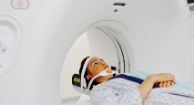
For years, concussions were commonly treated as temporary injuries: a headache, a few foggy days, and an inconvenient break from normal life. Research involving older adults suggests that the story may not always end when the dizziness disappears. A concussion later in life may be associated with a higher risk of receiving a dementia diagnosis in the years that follow.
That does not mean every bumped head is a one-way ticket to dementia. It does mean that a head injury in an older adult deserves more attention than a bag of frozen peas and the hopeful declaration, “I’m probably fine.”
What the Concussion and Dementia Study Found
The study behind the headline was conducted by researchers from the University of California, San Francisco and published in JAMA Neurology in 2014. Researchers examined California emergency department and hospital records for 164,661 adults age 55 or older who were treated for an injury in 2005 or 2006. None had a recorded dementia diagnosis at the beginning of the study. Participants were followed through 2011.
The researchers did something especially useful: instead of comparing people with traumatic brain injuries to perfectly healthy adults, they compared them with patients who had experienced nonbrain trauma, primarily fractures that did not involve the head or neck. This helped reduce the possibility that general poor health, frailty, hospitalization, or injury-prone behavior explained the entire difference.
Among the participants, 51,799 had a traumatic brain injury, or TBI. During follow-up, 8.4% of the TBI group developed dementia, compared with 5.9% of the nonbrain-trauma group. After the researchers adjusted for age and other measured factors, TBI remained associated with a 26% higher rate of dementia diagnosis.
Age and injury severity made a difference
The results were not identical for everyone. Moderate-to-severe traumatic brain injury was associated with increased dementia risk among adults age 55 and older. Mild TBI, the category that generally includes concussion, was associated with increased risk among adults age 65 and older. In the 65-to-74 age group, mild TBI was associated with a 25% higher adjusted dementia risk than nonbrain trauma. Similar associations appeared in older age groups.
The researchers concluded that an aging brain may be less resilient to injury than a younger one. In plain English, the brain has tremendous repair capacity, but it is not an indestructible laptop that can be dropped repeatedly and expected to reboot without complaint.
What Is a Concussion?
A concussion is a mild traumatic brain injury caused by a bump, blow, or jolt to the head, or by an impact to the body that makes the head and brain move rapidly. Loss of consciousness is not required. In fact, most people with a concussion do not pass out.
Common symptoms include headache, dizziness, confusion, memory trouble, nausea, balance problems, sensitivity to light or noise, unusual fatigue, irritability, sleep changes, and difficulty concentrating. Symptoms can begin immediately, but some appear hours or days later.
Concussion symptoms can be particularly difficult to recognize in older adults. Confusion may be blamed on age. Unsteadiness may be blamed on arthritis. Fatigue may be blamed on medication. Memory trouble may be mistaken for preexisting cognitive decline. The Centers for Disease Control and Prevention warns that TBIs can be missed or misdiagnosed in older adults because their symptoms overlap with conditions such as dementia.
Why Might a Concussion Increase Dementia Risk?
Researchers have not identified one simple pathway connecting concussion and dementia. Several biological processes may contribute, and the answer may differ from one person to another.
Direct damage to brain cells and connections
A traumatic impact can stretch or damage axons, the long fibers through which brain cells communicate. Even when a standard scan looks normal, microscopic changes may affect communication between brain regions. Research involving people who had experienced concussions decades earlier has found greater white-matter damage in the frontal and temporal lobes and the hippocampus, areas involved in decision-making, emotion, learning, and memory.
Inflammation that outstays its welcome
Inflammation is part of the body’s repair response, but persistent neuroinflammation may damage neurons or interfere with recovery. Researchers are studying whether an injury can activate a long-term degenerative process or accelerate changes that had already begun before the concussion.
Reduced cognitive reserve
Cognitive reserve is the brain’s ability to work around damage by using alternative networks and strategies. A concussion may reduce that reserve. Someone who already has age-related brain changes, vascular disease, or early Alzheimer’s-related pathology may cross the threshold into noticeable impairment sooner after an injury. The concussion may not create every underlying abnormality, but it could make the brain less able to compensate for them.
Changes involving blood vessels and proteins
TBI may also affect cerebral blood flow, oxidative stress, and the handling of proteins such as amyloid and tau. These mechanisms remain active areas of investigation. They should not be interpreted as proof that concussion automatically causes Alzheimer’s disease, because dementia includes several disorders and often involves more than one type of brain pathology.
A Higher Risk Is Not a Guaranteed Outcome
The most important word in this discussion is risk. An association between concussion and dementia does not mean every older adult who sustains a concussion will develop dementia. Most people recover from a concussion, and many never experience progressive cognitive decline.
Later studies have added evidence supporting a connection. A study of more than 357,000 U.S. veterans found a dose-response pattern in which dementia diagnoses became more common as TBI severity increased. Even mild TBI without loss of consciousness was associated with a higher dementia diagnosis rate in that population.
Another long-term investigation using the Atherosclerosis Risk in Communities cohort found that a history of head injury was associated with a higher dementia risk over 25 years. The association became stronger among participants reporting multiple head injuries, supporting the idea that cumulative trauma may matter.
However, the scientific record is not perfectly uniform. A prospective analysis of three aging cohorts found no association between TBI with loss of consciousness and the development of dementia, clinical Alzheimer’s disease, or Alzheimer’s pathology. Differences in study design, how injuries were recorded, injury severity, follow-up time, and the populations studied may help explain why results do not always agree.
Therefore, the responsible conclusion is not “concussions cause dementia.” It is that traumatic brain injury is a meaningful, potentially modifiable risk factor that should be included in a person’s long-term medical history.
Could Early Dementia Cause the Fall Instead?
This is one of the trickiest questions in concussion research. Subtle cognitive and motor changes can begin before dementia is formally diagnosed. A person in the early stages of decline may have slower reactions, weaker judgment, balance problems, or difficulty navigating obstacles. Those changes can increase the chance of falling and sustaining a head injury.
A 2024 study of older Medicare beneficiaries found that an injurious fall could act as a warning event preceding a dementia diagnosis. The researchers noted that mild cognitive impairment and early motor changes may raise fall risk before dementia becomes obvious. In other words, the relationship can run in both directions: cognitive decline can contribute to falls, while fall-related head injuries may worsen brain vulnerability.
The 2014 concussion study tried to reduce this reverse-causation problem by excluding dementia diagnoses made during the first year after injury. Nevertheless, administrative records cannot reveal every case of undiagnosed cognitive impairment. This is why the findings demonstrate an association rather than definitive proof of cause and effect.
Why Older Adults Need Prompt Evaluation After a Head Injury
Falls account for a large share of traumatic brain injuries among older adults. The CDC reports that older adults have higher rates of TBI hospitalization and death than other age groups, and fall-related injuries are especially common. Blood thinners can further increase the risk of bleeding in or around the brain after a head injury.
An older person should be medically evaluated after a significant head impact, even when there was no loss of consciousness and the person initially says they feel fine. Delayed bleeding can develop, and symptoms may be subtle.
Seek emergency care for warning signs
- A headache that worsens or does not go away
- Repeated vomiting
- Increasing confusion, agitation, or unusual behavior
- Difficulty waking or extreme drowsiness
- Slurred speech or trouble understanding speech
- Weakness, numbness, or reduced coordination
- A seizure
- One pupil that appears larger than the other
- New difficulty walking or maintaining balance
- Loss of consciousness or a noticeable decline in alertness
These symptoms can indicate a more serious brain injury or bleeding and require immediate medical attention.
What Recovery and Follow-Up May Include
Concussion care should be individualized. A clinician may review the circumstances of the injury, medications, neurological symptoms, balance, memory, attention, sleep, mood, and the person’s ability to perform daily tasks. Imaging may be ordered when bleeding, fracture, or another structural injury is suspected, although a normal scan does not necessarily rule out a concussion.
Recovery often begins with a brief period of relative physical and mental rest, followed by a gradual return to normal activities as symptoms allow. Prolonged total inactivity is not automatically better. The plan may include balance therapy, physical therapy, vestibular rehabilitation, headache treatment, sleep management, vision assessment, or cognitive rehabilitation.
Families should write down the date and details of the injury and report it during future medical visits. If memory, judgment, mood, language, or daily functioning changes over the following months or years, the history of concussion may help clinicians interpret the pattern and decide whether cognitive testing is appropriate.
A 2019 observational study found that older adults who were taking statins after a concussion had a modestly lower dementia rate than those who were not. This finding does not prove that statins prevent post-concussion dementia, and people should not begin or stop a statin solely because of a concussion without medical guidance. The study’s value is mainly that it identifies a promising area for further research, not a do-it-yourself prescription.
How Older Adults Can Reduce Concussion Risk
Falls are not an unavoidable membership fee for getting older. The CDC emphasizes that many older-adult falls can be prevented. Reducing fall risk may protect mobility, independence, and brain health at the same time.
Make the home less adventurous
- Remove loose rugs, electrical cords, and clutter from walkways.
- Install grab bars near the toilet and inside the shower.
- Add sturdy handrails on both sides of stairways.
- Improve lighting in halls, bathrooms, entrances, and stairwells.
- Use nonslip mats and repair uneven flooring.
- Keep frequently used items within easy reach.
Review health factors that affect balance
Regular vision and hearing checks, supportive footwear, strength and balance exercises, and medication reviews can all reduce fall risk. Some sleep aids, sedatives, blood pressure drugs, and combinations of medications may contribute to dizziness or unsteadiness. Medication changes should always be made with a healthcare professional.
Use protection during transportation and recreation
Seat belts, properly fitted helmets, safe driving practices, and appropriate assistive devices reduce the likelihood or severity of head injuries. A helmet cannot prevent every concussion, but it can lower the risk of serious head trauma during activities such as cycling.
Concussion Symptoms Versus Dementia Symptoms
Concussion symptoms typically appear shortly after an injury and often improve over days or weeks. Dementia is characterized by progressive cognitive decline that interferes with independent daily life. Memory loss alone is not enough to diagnose dementia, because sleep disorders, depression, medication effects, thyroid conditions, vitamin deficiencies, infections, and other treatable problems can also impair thinking.
Persistent or worsening problems deserve evaluation, especially when someone repeatedly asks the same questions, becomes lost in familiar places, struggles to manage medications or bills, has noticeable personality changes, or can no longer complete previously routine tasks. A clinician may perform cognitive testing, laboratory studies, medication reviews, neurological examination, and imaging when appropriate.
What Families Should Take Away From the Research
The concussion-dementia connection is neither a reason to panic nor a reason to shrug. A single concussion does not guarantee dementia, but it should not disappear from the medical history once the immediate symptoms resolve.
The strongest practical lessons are straightforward: prevent falls, take head injuries seriously, watch for delayed symptoms, avoid another injury during recovery, and mention previous TBIs during future cognitive evaluations. These actions cannot erase every dementia risk factor, but they address one risk that is at least partly preventable.
The brain may be remarkably adaptable, but it appreciates being treated like valuable equipment rather than an old suitcase that can be tossed down the stairs.
Experiences Related to Concussion and Dementia Risk
The following scenarios are illustrative composites created to explain common experiences. They do not describe specific patients and should not replace individualized medical advice.
Experience 1: The fall that “didn’t seem serious”
Consider a 72-year-old woman who slips while stepping out of the bathtub. She bumps the side of her head against the wall but never loses consciousness. She stands up, feels embarrassed, and tells her daughter not to make a fuss. By evening, she has a headache and seems unusually tired. The next morning, she repeats a question several times and struggles to remember whether she took her medication.
Her family initially wonders whether she is simply shaken up. Because she takes an anticoagulant, however, they contact her physician and are directed to urgent evaluation. Imaging rules out a major bleed, and she is diagnosed with a concussion. Her daughter begins keeping a brief symptom log, manages transportation, and helps organize medications while the patient recovers.
The important experience here is not that the concussion inevitably leads to dementia. It is that older-adult concussion symptoms can resemble ordinary fatigue, medication effects, or memory decline. Prompt evaluation identifies immediate dangers, while documentation creates a useful baseline if cognitive problems emerge later.
Experience 2: Recovery that takes longer than expected
Imagine a 67-year-old retired teacher who is hit by a car door while cycling. His helmet is damaged, but an emergency evaluation finds no bleeding. He expects to feel normal in two days because the injury was labeled “mild.” Instead, reading causes headaches, grocery stores feel overwhelmingly bright and noisy, and conversations require unusual effort.
He becomes frustrated when friends say, “But your scan was normal.” His clinician explains that mild TBI describes the injury category, not necessarily the inconvenience of the symptoms. He follows a structured return-to-activity plan, begins vestibular therapy for dizziness, and gradually increases walking and screen time. Most symptoms improve over several weeks.
At follow-up visits, the physician also reviews sleep, mood, blood pressure, hearing, and exercise. These factors matter because long-term brain health is influenced by far more than the concussion alone. The experience shows why recovery should focus on the whole person rather than on waiting for one headache to disappear.
Experience 3: Memory changes years later
Now consider a family that notices changes three years after an older relative’s concussion. He misplaces objects, misses appointments, and has difficulty following recipes he once knew by heart. The family worries that the earlier injury caused dementia.
A medical evaluation does not jump directly to that conclusion. The clinician reviews the head injury but also checks medications, depression, sleep apnea, hearing loss, thyroid function, vitamin levels, vascular risk, and daily functioning. Cognitive testing reveals a pattern that needs monitoring, so the clinician establishes a baseline and schedules follow-up.
This experience captures an essential lesson: a prior concussion is relevant, but it is rarely the only piece of the puzzle. Dementia risk reflects age, genetics, cardiovascular health, education, social activity, sleep, hearing, additional injuries, and other medical conditions. Good care avoids both extremesignoring the concussion completely or blaming it for every forgotten password.
Experience 4: Prevention becomes a family project
After a parent’s fall, a family may begin seeing the home differently. The decorative rug becomes a trip hazard. The dim staircase suddenly needs brighter bulbs. The bathroom receives grab bars, medications are reviewed, and a physical therapist recommends balance exercises.
These changes can feel like an unwanted acknowledgment of aging. Framing them as independence tools often helps. A grab bar is not a surrender flag; it is equipment that makes another head injury less likely. Fall prevention works best when older adults participate in decisions rather than feeling that relatives have transformed the house into a padded cell overnight.
Conclusion
The landmark study on concussions and dementia risk found that mild traumatic brain injury after age 65 was associated with a higher rate of dementia diagnosis. Moderate-to-severe TBI appeared relevant at even younger ages. Subsequent research has often supported a relationship between head injury and later cognitive decline, particularly when injuries are severe or repeated, although not every study has reached the same conclusion.
The evidence supports caution rather than certainty. Concussions should be evaluated, documented, and followed appropriately, especially in older adults. Preventing falls, recognizing emergency symptoms, supporting recovery, and monitoring meaningful cognitive changes are practical steps families can take now while researchers continue investigating exactly how brain injury and neurodegeneration interact.