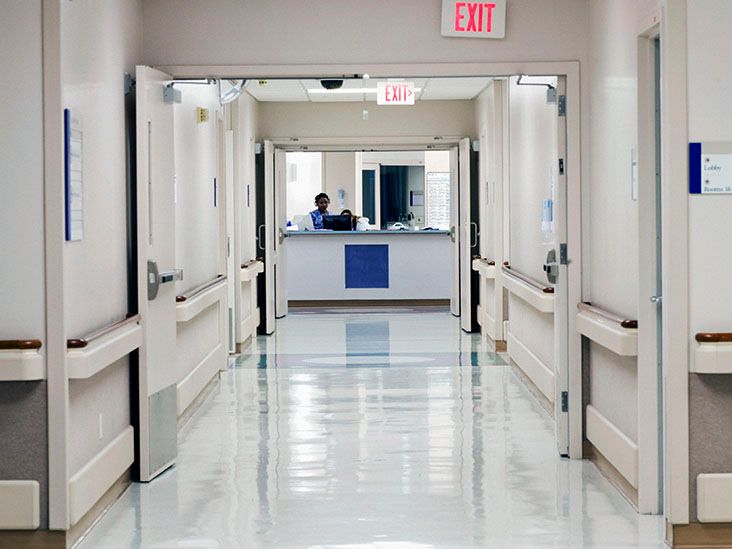
Stress has a talent for showing up uninvited. It can appear as a deadline, an infection, a hospital stay, a rough night of sleep, a difficult conversation, or that mysterious “check engine” light that turns your peaceful morning into a tiny personal weather emergency. But stress does not only live in your mind. It also speaks fluent biology. One of the clearest examples is stress hyperglycemia, a temporary rise in blood sugar levels triggered by physical or emotional stress.
For people with diabetes, stress can make glucose management feel like trying to fold a fitted sheet: possible, but oddly complicated. For people without diabetes, stress hyperglycemia can still happen, especially during serious illness, injury, surgery, infection, or hospitalization. The body is not “malfunctioning” on purpose. In many cases, it is trying to help. The problem is that the same survival system designed to fuel your muscles during danger can raise blood glucose higher than is healthy or useful in modern life.
This article explains what stress hyperglycemia is, why stress raises blood sugar, who is most at risk, what symptoms may appear, when it matters, and how people can support steadier glucose levels during stressful periods.
What Is Stress Hyperglycemia?
Stress hyperglycemia means blood sugar rises above the usual range in response to stress. This can happen during acute physical stress, such as infection, trauma, surgery, burns, heart attack, stroke, or severe illness. It may also occur during intense psychological stress, chronic anxiety, poor sleep, or major life pressure.
In simple terms, the body senses a threat and releases hormones that increase available energy. Glucose is one of the body’s fastest fuels, so the liver releases more of it into the bloodstream. At the same time, stress hormones can make cells less responsive to insulin, the hormone that helps move glucose from the blood into cells. The result: more glucose floating around in the blood, waiting for a job that may not actually exist.
In a true emergency, this response can be helpful. If you need to run, fight, heal, or survive a serious infection, extra fuel is useful. But if the “threat” is a tax form, a school exam, a long hospital recovery, or three back-to-back meetings with no lunch break, the glucose surge may become more problem than solution.
Why Does Stress Raise Blood Sugar Levels?
The main reason stress raises blood sugar is the body’s fight-or-flight response. When the brain senses danger or pressure, it signals the adrenal glands and other systems to release stress hormones. These hormones include cortisol, adrenaline, noradrenaline, glucagon, and growth hormone. Together, they shift the body into energy-release mode.
1. Cortisol Tells the Liver to Make More Glucose
Cortisol is often called the “stress hormone,” although it does many normal jobs, including helping regulate metabolism, inflammation, blood pressure, and sleep-wake rhythms. During stress, cortisol rises and encourages the liver to produce and release glucose. This process is called gluconeogenesis, which is a fancy word for “making new glucose.” Biology loves long words. It probably charges by the syllable.
Cortisol also helps the body preserve energy for essential functions. In the short term, this is useful. In the long term, elevated cortisol may contribute to insulin resistance, higher fasting glucose, increased appetite, abdominal weight gain, and more difficult diabetes management.
2. Adrenaline Releases Quick Fuel
Adrenaline, also known as epinephrine, is the hormone behind the pounding heart, sweaty palms, and sudden alertness people feel when stressed. It tells the liver and muscles to break down stored glycogen into glucose. This gives the body a fast fuel supply.
Imagine your body as a highly dramatic emergency manager. It sees stress and shouts, “Open the glucose warehouse!” That may be helpful during a physical threat. It is less helpful when the stressor is a laptop update freezing at 99%.
3. Glucagon Pushes Blood Sugar Up
Glucagon works opposite to insulin. While insulin lowers blood sugar by helping glucose enter cells, glucagon raises blood sugar by telling the liver to release stored glucose. During physical stress, glucagon levels may rise, adding another push toward hyperglycemia.
This hormone is important for preventing blood sugar from dropping too low. But when stress hormones are already high, glucagon can contribute to glucose levels climbing beyond the target range.
4. Insulin Resistance Increases During Stress
Stress does not only increase glucose production. It can also make insulin less effective. This is known as insulin resistance. When cells become resistant to insulin, glucose stays in the bloodstream instead of entering cells efficiently.
In people without diabetes, the pancreas often responds by making more insulin. In people with type 1 diabetes, the body cannot produce enough insulin on its own. In people with type 2 diabetes, the body may already struggle with insulin resistance, so stress can make glucose rise more sharply. In hospitalized or critically ill patients, inflammation and stress hormones can intensify this process.
Physical Stress vs. Emotional Stress: Both Can Matter
Stress hyperglycemia is often discussed in hospitals because severe illness can cause major glucose changes, even in people who have never been diagnosed with diabetes. However, emotional stress can also affect blood sugar, especially when it is intense or long-lasting.
Physical Stress
Physical stress includes illness, infection, injury, surgery, pain, fever, dehydration, and certain medications such as corticosteroids. In these situations, the body increases stress hormones and inflammatory signals. Blood sugar may rise because the body is trying to provide fuel for healing and immune defense.
For example, someone recovering from pneumonia may notice higher glucose readings even if they are eating less than usual. That can seem confusing: “I barely ate lunch, so why is my blood sugar acting like I had cake for breakfast?” The answer is often stress hormones, inflammation, reduced activity, dehydration, and sometimes medication effects.
Emotional Stress
Emotional stress includes anxiety, grief, work pressure, family conflict, financial strain, and major life changes. The glucose effect can vary from person to person. Some people see clear blood sugar spikes during stressful days. Others notice indirect effects: they sleep poorly, skip exercise, snack more often, forget medication, or eat irregular meals.
That means emotional stress can raise blood sugar in two ways: through hormones and through habits. The body changes the chemistry, and then life changes the routine. Together, they can turn glucose management into a group project nobody signed up for.
Who Is Most at Risk for Stress Hyperglycemia?
Anyone can experience stress-related blood sugar changes, but some people are more likely to develop noticeable or clinically important hyperglycemia.
People With Diabetes
People with type 1 or type 2 diabetes are more vulnerable because insulin production or insulin action is already impaired. Stress may increase the need for insulin or other glucose-lowering medication. For some, blood sugar rises quickly during illness or emotional strain. For others, the change is slower but persistent.
People With Prediabetes or Insulin Resistance
Stress hyperglycemia can reveal an underlying glucose regulation problem. A person with prediabetes may usually have near-normal readings, but during illness or hospitalization, blood sugar may rise above normal. This does not automatically mean the person has diabetes, but it can be a signal to follow up with testing after recovery.
Hospitalized or Critically Ill Patients
Stress hyperglycemia is common in hospitals, especially among people with infections, heart problems, stroke, surgery, trauma, or critical illness. In these settings, high blood sugar may be linked with worse outcomes, partly because it reflects the severity of stress on the body and partly because very high glucose can affect immune function, hydration, and healing.
People Taking Steroid Medications
Corticosteroids, such as prednisone, can raise blood sugar by increasing insulin resistance and glucose production. These medications are sometimes necessary for asthma, autoimmune conditions, allergic reactions, and inflammation, but they can make glucose management more challenging.
Symptoms of Stress Hyperglycemia
Mild or temporary hyperglycemia may cause no obvious symptoms. When blood sugar rises higher or stays elevated longer, symptoms may include:
- Increased thirst
- Frequent urination
- Fatigue or unusual tiredness
- Blurred vision
- Headache
- Dry mouth
- Difficulty concentrating
- Slow healing during illness or injury
People with diabetes should take high readings seriously, especially during illness. Very high blood sugar, vomiting, confusion, labored breathing, severe dehydration, or ketones may require urgent medical care. Stress hyperglycemia may be temporary, but “temporary” does not mean “ignore it and hope it gets bored.”
Is Stress Hyperglycemia the Same as Diabetes?
No. Stress hyperglycemia is not always the same as diabetes. It can happen during acute stress and improve once the stressor resolves. However, it can also uncover diabetes or prediabetes that was already developing quietly.
Doctors may use follow-up testing, such as fasting blood glucose or an A1C test, to understand whether high glucose was temporary or part of a longer-term pattern. A1C reflects average blood sugar over roughly the past two to three months, so it can help distinguish sudden stress-related hyperglycemia from chronic hyperglycemia.
For example, if someone has high glucose during surgery recovery but a normal A1C, the spike may be mostly stress-related. If both hospital glucose and A1C are elevated, undiagnosed diabetes or prediabetes may be more likely.
How Stress Hyperglycemia Is Managed
Management depends on the person, the setting, the glucose level, and the cause. A person with mild stress-related glucose elevation during a busy week may need different support than a hospitalized patient recovering from sepsis or surgery.
Monitoring Blood Sugar
For people with diabetes, checking blood glucose more often during illness or high-stress periods can reveal patterns early. Continuous glucose monitors can also help show how stress, sleep, meals, activity, and medication timing affect glucose throughout the day.
People without diabetes usually do not need routine glucose monitoring unless a healthcare provider recommends it. However, if stress hyperglycemia occurs in the hospital, follow-up testing after recovery may be important.
Hydration and Regular Meals
Dehydration can make blood sugar more concentrated, and illness can disrupt eating patterns. Drinking fluids, eating balanced meals when possible, and avoiding long gaps without food may help reduce glucose swings. For people who are sick and cannot eat normally, a personalized sick-day plan from a healthcare provider is especially useful.
Medication Adjustments
People with diabetes may need temporary medication adjustments during illness, steroid treatment, surgery, or major stress. This should be done with medical guidance. Insulin needs may rise during stress, but they can also fall when appetite is low, which is why guessing is not ideal. Blood sugar is already doing enough improvisational theater.
Sleep and Recovery
Poor sleep can worsen insulin resistance and appetite regulation. During stressful times, sleep may be the first healthy habit to collapse. Protecting sleep is not just about feeling rested; it is also part of metabolic health.
Stress Management
Stress management does not mean pretending life is a scented candle commercial. It means giving the nervous system regular signals of safety. Deep breathing, walking, stretching, prayer, meditation, journaling, therapy, music, social support, and time outdoors may help reduce stress load. These practices may not instantly lower glucose like flipping a switch, but they can support better patterns over time.
Practical Examples: How Stress Can Raise Blood Sugar in Real Life
The “I’m Sick, But I Barely Ate” Spike
A person with type 2 diabetes catches the flu. They eat less than usual but notice fasting glucose is much higher. This can happen because infection raises stress hormones, increases inflammation, and may cause dehydration. The liver releases glucose to help the body fight illness, even when food intake is low.
The Big Presentation Spike
A person with type 1 diabetes has a major presentation at work. Their breakfast is normal, insulin dose is normal, but glucose rises before the meeting. Adrenaline and cortisol may be responsible. The body prepares for battle, even though the “battle” is a slide deck and a conference room with suspiciously weak coffee.
The Steroid Medication Spike
A person takes prednisone for a severe asthma flare. Their blood sugar rises in the afternoon and evening. Steroids can increase insulin resistance and glucose production, so healthcare providers may recommend temporary monitoring or medication changes.
When to Contact a Healthcare Provider
People with diabetes should contact a healthcare provider if blood sugar remains above their target range, if they are sick and unsure how to manage medication, if ketones are present, or if they cannot keep fluids down. Emergency care may be needed for severe symptoms such as confusion, difficulty breathing, severe dehydration, persistent vomiting, or signs of diabetic ketoacidosis or hyperosmolar hyperglycemic state.
People without diabetes should follow up if high blood sugar is found during hospitalization, illness, or routine testing. Stress hyperglycemia can be temporary, but it may also be an early warning sign of insulin resistance, prediabetes, or diabetes.
How to Reduce Stress-Related Blood Sugar Spikes
No one can remove all stress. That would require moving to a cloud, canceling adulthood, and convincing email to stop existing. But people can reduce the impact of stress on blood sugar with a few practical habits.
Build a Personal Pattern Map
For people who monitor glucose, patterns are more useful than single readings. Track stressful events, sleep quality, meals, exercise, illness, medication changes, and glucose readings. Over time, the pattern may become clear. Some people spike after poor sleep. Others spike during work stress, pain, or intense exercise.
Use Gentle Movement
Light to moderate activity, such as walking, can help muscles use glucose. However, very intense exercise may temporarily raise glucose in some people because it increases adrenaline. The best approach depends on the person, the type of diabetes, current glucose level, ketone status, and medical advice.
Protect the Basics During Stress
Stress often pushes people toward skipped meals, extra caffeine, poor sleep, less movement, and “snack decisions made by a tired raccoon.” Returning to basics can help: drink water, eat protein and fiber, take medication as prescribed, sleep consistently, and check glucose as recommended.
Create a Sick-Day Plan
People with diabetes benefit from a written sick-day plan. This may include when to check glucose, when to check ketones, how to handle medication, what fluids to drink, what foods to use if appetite is low, and when to call a clinician. A plan is easier to follow than panic, and it has much better handwriting.
Experiences Related to Stress Hyperglycemia
Many people first learn about stress hyperglycemia through a confusing personal experience. The numbers do not match the meal, and the usual explanation does not fit. Someone may eat a balanced dinner, go to bed proud of their choices, and wake up with a fasting glucose reading that looks like it attended a midnight pizza party without permission. The missing clue is often stress: poor sleep, pain, anxiety, illness, or the body’s early-morning hormone surge.
One common experience involves illness. A person with diabetes may catch a cold, flu, urinary tract infection, or stomach bug and notice glucose levels climbing even while appetite drops. This can feel unfair, almost like the body is charging extra fees during an already unpleasant trip. But from a biological perspective, the immune system is demanding fuel. Stress hormones tell the liver to release glucose, and inflammation can make insulin work less effectively. The person may be eating soup and crackers, yet the bloodstream is receiving glucose from internal storage.
Another experience happens during emotional pressure. A student preparing for exams, a caregiver managing family responsibilities, or an employee facing a major deadline may see higher readings on stressful days. The rise may be direct, from cortisol and adrenaline, or indirect, from disrupted routines. Stress may lead to sleeping five hours, drinking more caffeine, skipping a walk, eating later than usual, or forgetting to drink water. None of these choices are moral failures. They are human responses to overload. Blood sugar simply keeps receipts.
Some people notice stress hyperglycemia during medical treatment. Steroid medications, surgery, injury recovery, and hospital stays can all raise glucose. This can surprise people who have never had diabetes. A hospital team may mention “stress hyperglycemia,” and the patient may worry that they suddenly developed permanent diabetes overnight. Sometimes glucose returns to normal after recovery. Other times, follow-up testing shows prediabetes or diabetes that had not yet been diagnosed. Either way, the experience can be useful because it gives an early signal to pay closer attention to metabolic health.
People also describe the emotional loop of high glucose itself becoming stressful. A person checks their blood sugar, sees a high number, feels worried, and then stress rises even more. That worry can make the next reading feel like a personal judgment. It is not. A glucose reading is information, not a report card. The most helpful response is usually curiosity: What happened today? Was sleep poor? Is there pain, infection, dehydration, emotional stress, a medication change, or less movement than usual?
Over time, many people learn that managing stress hyperglycemia is less about perfection and more about preparation. They keep water nearby during stressful workdays. They plan simple meals during busy weeks. They ask their healthcare provider how to adjust their plan during illness. They use short walks, breathing exercises, or quiet breaks not because these habits are magical, but because they lower the body’s overall alarm level. Small routines become metabolic seatbelts: not glamorous, but very useful when life hits a pothole.
The biggest lesson from real-life stress hyperglycemia is that blood sugar responds to the whole person, not just the plate. Food matters, but so do sleep, stress, illness, pain, medication, hydration, hormones, and movement. Understanding this can reduce shame and improve decision-making. Instead of asking, “What did I do wrong?” a better question is, “What is my body responding to, and what support does it need next?”
Conclusion
Stress hyperglycemia happens when physical or emotional stress raises blood sugar levels. The main drivers are stress hormones such as cortisol, adrenaline, and glucagon, along with increased insulin resistance and higher glucose release from the liver. In the short term, this response is part of survival biology. In modern life, however, it can make glucose harder to manage, especially for people with diabetes, prediabetes, acute illness, or steroid medication use.
The good news is that stress-related blood sugar spikes can often be understood, monitored, and managed. Checking patterns, staying hydrated, protecting sleep, using a sick-day plan, following prescribed treatment, and asking for medical guidance when readings stay high can all help. Stress may be unavoidable, but confusion about stress and blood sugar does not have to be.
Note: This article is for general educational purposes only and should not replace personalized medical advice. Anyone with persistent high blood sugar, diabetes, symptoms of severe hyperglycemia, or concerns during illness should contact a qualified healthcare provider.