Some patio umbrellas are basically giant lollipops on a stick: fine in a pinch, wobbly in a breeze, and weirdly
loud about being “outdoor rated.” The Skagerak Catania Umbrella is the opposite. It’s the quiet,
Scandinavian type that shows up to your backyard like it’s wearing a crisp white shirt, brings its own manners,
and somehow makes your entire outdoor setup look more expensivewithout shouting about it.
Catania is designed to do three things exceptionally well: throw dependable shade, age gracefully,
and look like it belongs next to thoughtful outdoor furniture (instead of clashing with it like a neon
beach souvenir). If you’re shopping for a patio umbrella that feels intentionalmore “architect’s terrace” than
“last-minute pool party”this is the one people end up bookmarking, measuring for, and then justifying to their
bank account with the words “it’s an investment piece.”
What the Catania Umbrella Actually Is (And Why It Feels Different)
A market umbrella with design-world roots
Skagerak (now under the Fritz Hansen umbrellapun fully intended) is known for outdoor pieces that prioritize
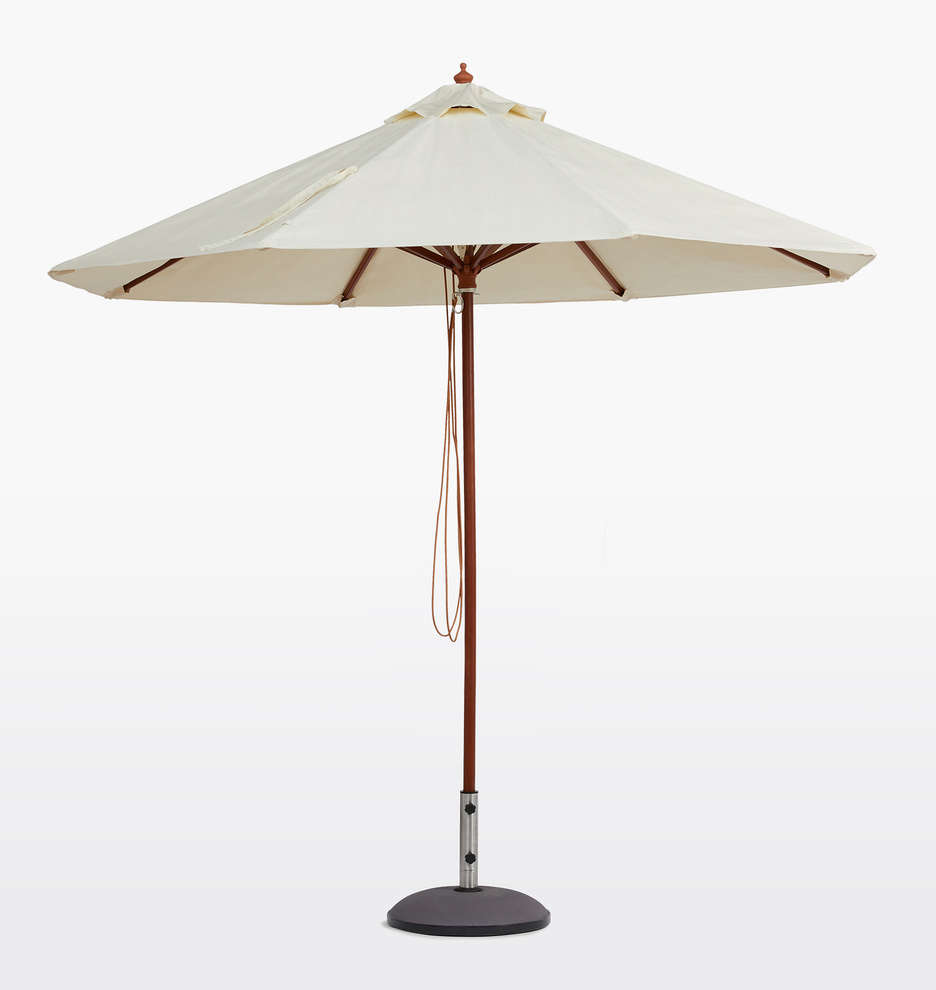
materials, restraint, and longevity. The Catania follows that same philosophy: a classic center-pole patio umbrella
with a paneled canopy, a solid wood pole, and an “of course it matches” vibe that plays nicely with teak,
clean-lined loungers, and modern dining sets.
Not a gadget umbrellaand that’s the point
If you want tilt levers, solar LEDs, Bluetooth speakers, and an umbrella that can also file your taxes, Catania
is not your soulmate. It’s intentionally straightforward: shade, stability, durability, and good taste. In real
life, this simplicity is a perkfewer moving parts, fewer rattles, and fewer “why is this handle suddenly sticky?”
moments.
Size, Shape, and Coverage: Will It Shade What You Need?
The headline numbers
The Catania is commonly listed as Ø270 cm (about 106 inches / ~8.9 feet) in canopy diameter, with
an overall height around 250 cm (about 98 inches). That places it in the sweet spot for a
standard dining table, a four-to-six seat setup, or a lounge zone where you want shade without turning your patio
into permanent twilight.
How to translate “Ø270” into real patio life
A practical rule many outdoor editors and testers recommend is choosing a canopy that extends roughly
2 feet beyond the table edge on all sides so chairs can sit in the shade, too. With an umbrella
around 9 feet wide, that typically works beautifully for many common outdoor dining tables and smaller lounge
groupingsespecially if you position the base thoughtfully instead of centering it like a sacred monument.
Another quick reality check: the more afternoon sun you get (especially low-angle sun), the more you’ll care about
placement. Catania’s classic center pole means you may occasionally slide chairs, rotate the setup, or adjust the
umbrella’s orientation for late-day glare. That’s normal. Shade isn’t a one-time decision; it’s a relationship.
Materials and Build: The “Why This Costs More” Section
A canopy designed for outdoors (and for looking calm while doing it)
Catania’s canopy is typically described as spun polyesterchosen because it resists shrinking and
wrinkling, holds color well, and is engineered for outdoor wear. In plain English: it’s meant to stay looking
tidy, not saggy, and it won’t instantly fade into a sad memory of itself after one season.
You’ll also see references to the fabric being stain-resistant and often treated to repel water
and dirt. The key nuance: “repellent” is not the same as “waterproof.” Light drizzle and splashes are fine; a full
storm is not an invitation to leave it open overnight and then act surprised by mildew.
UPF 50+ sun protection: what that means in human terms
Many listings highlight UPF 50+ protection. UPF is like SPF’s fabric cousin: it describes how much
UV radiation passes through a textile. UPF 50 means only about 1/50th of UV gets throughso you
get meaningful protection while you read, eat, nap, or pretend you’re working on your laptop outside.
(You’re not fooling anyone, but we support you.)
A wood pole that’s meant to patina, not panic
One of the Catania’s defining features is the wood pole, often listed as lacquered
FSC-certified kapur, with some retailers describing it as meranti. Either way, you’re looking at a
durable hardwood intended for outdoor usechosen for strength and weather resistance rather than “cheap and
disposable.”
A wood pole also has a different emotional tone than aluminum. It’s warmer, more natural, and it looks especially
good next to teak furniture. Over time, you can expect the finish to develop a subtle patinalike leather, but for
your patio. That’s not damage; that’s character (as long as you give it reasonable care).
Stability and the Base Question: Don’t Skip This Part
The base is not optionalunless you enjoy chaos
A quality umbrella deserves a quality base. For a canopy around 9 feet wide, many guides emphasize using a
sufficiently heavy baseespecially if your umbrella isn’t anchored through a table. Catania is often paired with a
recommended base around 30 kg (about 66 pounds), which aligns with the practical
reality of keeping a wood-pole umbrella stable in normal outdoor conditions.
If you’re placing the umbrella through a dining table, the table adds stability, so you may not need the heaviest
base on earthbut you still need a real base. If your setup is on a windy deck, near open water, or in a corridor
where breezes accelerate, be generous with base weight. Your future self will thank you when you’re not chasing a
tipping umbrella like a slapstick comedy scene.
Wind and weather: the grown-up rules
- Close it when you’re not using itespecially overnight or when wind is forecast.
- Use a cover for off-hours and off-season storage to reduce sun fade and moisture exposure.
- Let it dry before covering or storing to help prevent mildew.
- Don’t gamble with storms. Patio umbrellas are shade tools, not weather warriors.
Setup and Daily Use: Living With Catania (Without Making It a Project)
Assembly and handling
Catania is generally not marketed as a “pop it open in 30 seconds” disposable umbrella. Expect a more furniture-like
experience: careful setup, a proper base, and a solid feel once installed. Many specs note that the pole can be
divided into two pieces for easier storagean underrated feature if you rotate seasonal items or
store it during heavy-weather months.
Cleaning the canopy: easy, but do it before it’s gross
Outdoor umbrellas inevitably collect airborne dust, pollen, sunscreen fingerprints, and the occasional mystery
smudge that appears right before guests arrive. A simple routine helps:
- Shake or vacuum off dry debris.
- Spot-clean with mild soap and water (avoid harsh scrubbing that can stress fibers).
- Rinse thoroughly and let it dry fully before closing or covering.
For deeper seasonal cleaning, many home-care guides recommend a gentle wash approachsoap, soft brush, thorough
rinse, full dryplus attention to the frame/pole with non-abrasive cleaners. It’s not glamorous, but neither is a
mildew surprise.
Wood pole care: keep it looking intentional
With outdoor wood, the goal is consistency, not perfection. If you like the “natural patina” look, regular gentle
cleaning and protection from constant moisture will usually do the trick. If you prefer a more uniform appearance,
follow manufacturer guidance for maintenance products and timing. Either way: don’t leave the pole sitting in
standing water, and don’t treat it like it’s indoor furniture. It’s braver than that.
How to Style It: Making Your Patio Look Like It Has a Point of View
The signature look: off-white canopy + warm wood
The classic Catania palettean off-white canopy with a rich wood poleworks like a neutral blazer. It pairs with
almost anything: teak dining sets, modern black metal frames, stone pavers, and even colorful cushions (as long as
you don’t go full carnival).
Pairing ideas that consistently work
- Teak lounge group: add linen-like cushions, a low table, and a woven outdoor rug for a relaxed resort feel.
- Modern dining: clean chairs, simple tableware, and a few tall plantersCatania keeps the scene calm.
- Coastal patio: mix in striped textiles sparingly, driftwood tones, and soft lighting for evenings.
Some retailers even suggest pairing Skagerak umbrellas with specific outdoor rangesuseful if you’re building a
coordinated setup and want a cohesive brand ecosystem rather than a “random items I found at 2 a.m.” vibe.
Buying Tips: What to Check Before You Click “Add to Cart”
Confirm the specs that matter to your space
- Canopy size: Ø270 cm / ~106 inches is commonconfirm it matches your shade needs.
- Pole diameter: make sure it fits your table opening (if using a table).
- Base compatibility: verify recommended base weight and pole fit.
- Cover availability: a good cover extends the umbrella’s good looks.
Ask about warranty and replacement parts
When you buy a premium umbrella, you’re not just buying shadeyou’re buying a longer relationship. Look for clear
warranty terms and ask whether replacement canopies or parts are available. That’s part of what separates a true
furniture-grade piece from a seasonal “good luck out there” purchase.
Availability can vary
Depending on market and timing, the Catania umbrella may show limited availability in some official listings, while
still being offered through retailers. In practice, that means: check lead times, confirm finish/color, and don’t
assume it will ship tomorrow like a phone charger.
How Catania Compares to Other Skagerak Umbrellas
Skagerak’s umbrella lineup includes other shapes and stylessome circular, some different footprints, and some with
their own accessories. If your priority is maximum adjustability or very large coverage, you might end up in
cantilever territory (a different category with different pros and cons). If your priority is a refined,
center-pole umbrella with a classic silhouette and a design-forward finish, Catania is often the “clean yes.”
The simplest way to decide: if your outdoor space already leans timelesswood, stone, calm textilesCatania will
fit in immediately. If your space is more “family fun zone” with bright plastic toys and inflatable everything,
Catania will still work, but it may also silently judge you. (Kidding. Mostly.)
Experiences With the Skagerak Catania Umbrella (A 500-Word Reality Tour)
I can’t claim personal patio ownership, but here’s a realistic “what it’s like” experience tour based on common
buyer priorities and the way furniture-grade umbrellas tend to behave over timeespecially ones with wood poles and
light canopies.
1) The first setup: “Oh, this feels like furniture.”
The first thing people tend to notice is that Catania doesn’t feel like a flimsy seasonal umbrella. With a proper
base, the pole sits solidly, and the whole thing reads like an outdoor furnishing rather than an accessory. That’s
also when you realize the base matters more than you wanted it to. Many shoppers admit they tried to “temporarily”
use a lighter base, then upgraded after the first breezy afternoon when the umbrella started acting like it had
places to be.
2) The first sunny lunch: “Why is everything suddenly prettier?”
A neutral canopy creates flattering light. It softens harsh sun without turning your patio into a cave. People
often describe the vibe as calmerlike the shade has better manners than direct sunlight. Plates look nicer,
drinks don’t feel like they’re rapidly evolving into soup, and your outdoor seating feels more usable for longer
stretches. It’s the kind of upgrade that doesn’t scream for attention, but you notice it every time you sit down.
3) The first spill: “Okay, good thing this is outdoor fabric.”
Real life includes salsa, coffee, sunscreen, and that one guest who gestures with a full glass. With a canopy
designed for outdoor use, minor messes aren’t the end of the world. The common experience is that quick cleanups
are easyespecially if you handle stains early. The umbrella stays looking “fresh” longer when it’s cleaned
lightly and regularly, rather than ignored for a season and then aggressively scrubbed in panic.
4) The first windy day: “Close it. Seriously.”
People who love outdoor design also learn the most unromantic rule of patio umbrellas: close them when you’re not
using them. Even a stable, well-based umbrella is happier when it isn’t fighting gusts for hours. A typical “I
learned this once” story is leaving the umbrella open while running errands, returning to find it twisted or
stressed. The fix is simple: close it, cover it, and treat wind like a real factor, not a cute accessory.
5) The first season change: “The cover is worth it.”
Owners and designers routinely recommend an umbrella cover because it protects the canopy from constant UV
exposure, keeps debris off, and reduces cleaning. The first autumn is when people appreciate storage features,
toolike the ability to break down the pole for easier off-season handling. Those little practical details
transform a “pretty object” into an easy-to-live-with outdoor tool.
The overall experience people chase with Catania is simple: a patio umbrella that doesn’t look tired
after a few months, that feels intentional next to good furniture, and that encourages you to use
your outdoor space more oftenbecause it’s comfortable, shaded, and visually cohesive. In other words, it’s not
just shade. It’s a gentle push to actually enjoy your patio like you meant to when you bought those chairs.
Conclusion: A Calm, Capable Umbrella That Makes Outdoor Living Easier
The Skagerak Catania Umbrella is for people who want shade that feels like part of the designnot an afterthought.
With a generous canopy size, UPF-focused fabric, and a wood pole that brings warmth to modern outdoor setups, it’s
built for long summer days and the kind of patio moments you actually remember. Pair it with a properly weighted
base, close and cover it when you’re done, and it will reward you with years of comfortable, good-looking shade.