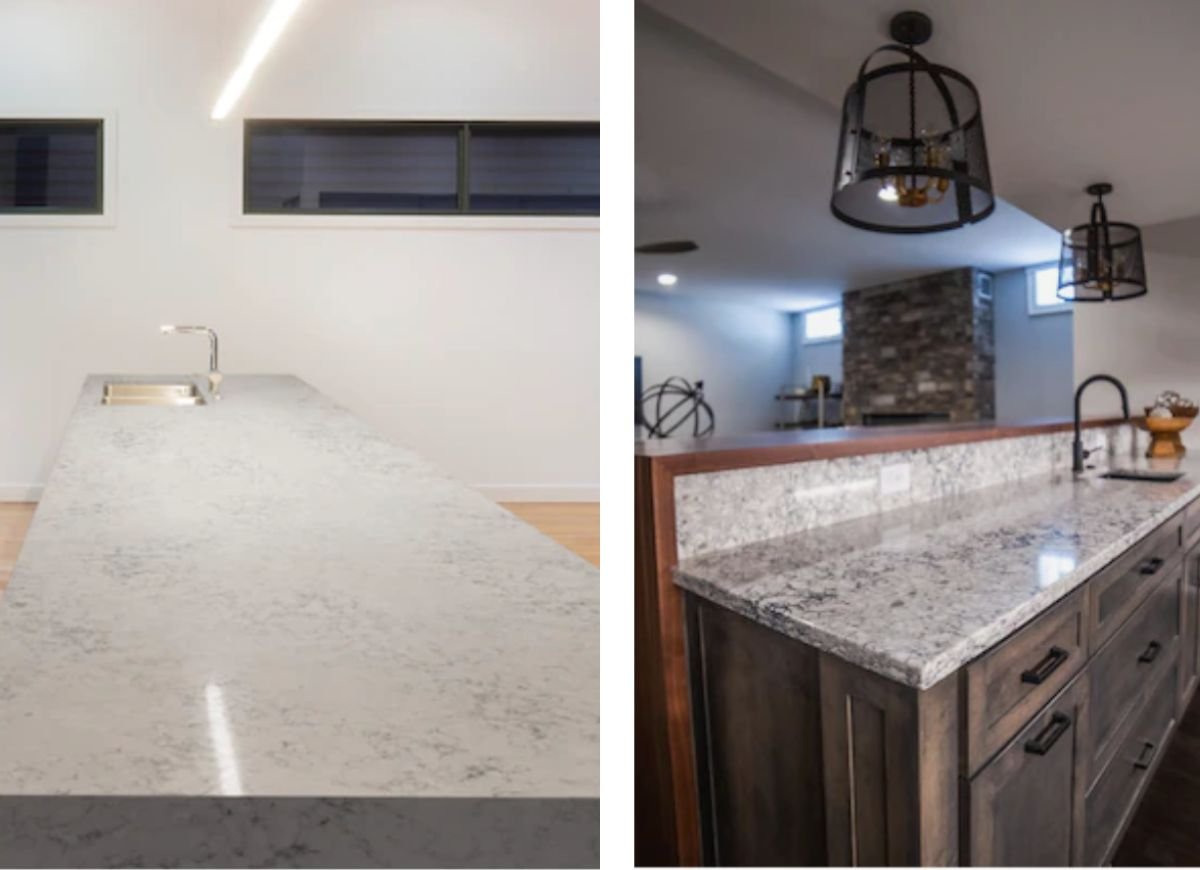
Choosing a countertop should feel exciting. Instead, it often turns into a suspiciously intense debate involving stone samples, coffee stains, mystery price quotes, and one family member whispering, “What about marble?” like they are trying to summon a maintenance nightmare. Among the most common questions homeowners ask is: Silestone vs. quartzwhich countertop is better?
The funny thing is that Silestone and quartz are not totally separate materials. Silestone is actually a well-known brand of engineered quartz and mineral surfaces made by Cosentino. Quartz, meanwhile, is the broader countertop category that includes brands such as Silestone, Cambria, Caesarstone, MSI Q Quartz, Corian Quartz, Viatera, and many others. So comparing Silestone vs. quartz is a little like comparing “Kleenex vs. tissues” or “Band-Aid vs. adhesive bandages.” One is a famous name; the other is the category.
Still, the comparison matters. Silestone has its own designs, warranty, manufacturing technology, sustainability claims, color collections, and product features. Generic quartz countertops vary widely depending on the brand, fabricator, slab quality, resin content, finish, thickness, and installation. This guide breaks down the real differences so you can shop smarter, ask better questions, and avoid choosing a countertop based solely on whichever sample looked prettiest under showroom lighting.
What Is Silestone?
Silestone is a premium countertop surface produced by Cosentino, a global manufacturer known for engineered surfaces used in kitchens, bathrooms, walls, floors, and commercial spaces. For years, Silestone was marketed primarily as a quartz surface because it was made with natural quartz, resins, pigments, and other materials. Today, many newer Silestone products are described as hybrid mineral surfaces, using Cosentino’s HybriQ and HybriQ+ technology to reduce crystalline silica content while maintaining the durability homeowners expect from quartz-style countertops.
In everyday shopping language, most homeowners, designers, and fabricators still place Silestone in the quartz countertop family. It looks like quartz, performs like quartz, is sold alongside quartz, and competes directly with other engineered quartz brands. The key difference is that Silestone is a specific branded product with its own formulas, colors, finishes, slab sizes, and warranty coverage.
Common Silestone Features
Silestone is known for a nonporous surface, strong stain resistance, good scratch resistance, many color and pattern options, and low-maintenance cleaning. It is often used for kitchen countertops, bathroom vanities, backsplashes, shower walls, tabletops, and kitchen islands. Many Silestone collections mimic natural marble, concrete, soapstone, limestone, or minimalist solid colors, which makes them popular in both modern and transitional homes.
Silestone also offers a long residential warranty when purchased and installed through authorized channels. That warranty is one reason many buyers see it as a safer premium choice compared with unknown or low-cost quartz brands. A countertop is not exactly an impulse purchaseunless your impulse purchases usually involve demolition, plumbing disconnects, and a crew carrying slabs through your front door.
What Are Quartz Countertops?
Quartz countertops are engineered stone surfaces made by combining crushed quartz or other minerals with resins, binders, and pigments. Unlike granite or marble, quartz countertops are not cut directly from a single natural stone block. They are manufactured in slabs, which gives them more consistent color, pattern, and performance.
The quartz category is broad. Some slabs contain a high percentage of quartz minerals; others include recycled glass, mirrors, porcelain, feldspar, or other mineral ingredients depending on the manufacturer. The resin component helps bind everything together and creates a nonporous surface. Pigments and patterning technology create designs ranging from quiet white marble looks to dramatic veining that says, “Yes, this kitchen has opinions.”
Popular Quartz Countertop Brands
Silestone is only one brand in the quartz market. Other major names include Cambria, Caesarstone, MSI Q Quartz, Corian Quartz, HanStone, Viatera, PentalQuartz, Wilsonart Quartz, and Daltile ONE Quartz. Each brand offers different patterns, warranties, finishes, slab dimensions, price levels, and distribution networks.
This is why “quartz” can mean many things in a showroom. A budget quartz slab from one supplier may not have the same design depth, finish quality, warranty, or stain performance as a premium slab from another. The category is dependable overall, but brand matters.
Silestone vs. Quartz: The Main Difference
The biggest difference is simple: Silestone is a brand; quartz is a material category. All Silestone countertops are part of the engineered surface family, but not all quartz countertops are Silestone. When a contractor says “quartz,” they may mean any engineered quartz product from dozens of manufacturers. When they say “Silestone,” they mean a specific Cosentino product.
That distinction affects pricing, warranty, design selection, availability, and confidence in quality control. Silestone may cost more than some generic quartz products, but the buyer gets a recognized brand, established distribution, documented care instructions, and a long warranty. Generic quartz may save money, but quality can range from excellent to “why does this sample look like a printer ran out of toner?”
Appearance and Design Options
Both Silestone and quartz countertops offer a huge range of colors and patterns. Homeowners can choose bright white surfaces, soft gray veining, warm beige tones, dramatic black slabs, concrete-inspired finishes, speckled granite looks, or marble-style designs without marble’s diva-level maintenance demands.
Silestone has an advantage in curated collections. Cosentino regularly releases design lines inspired by natural stone, modern architecture, Mediterranean colors, and luxury interiors. These collections often feel polished and trend-aware, which appeals to homeowners who want a premium designer look.
Generic quartz can offer even more variety simply because the category includes many brands. If you are willing to shop multiple suppliers, you may find hundreds of options at different price points. The trade-off is that not all patterns have the same realism. Some quartz slabs look impressively natural; others can look repetitive, flat, or overly manufactured.
Best Choice for Looks
Choose Silestone if you want a well-curated, premium design line with strong brand support. Choose broader quartz if you want maximum selection, more price tiers, and the freedom to compare many manufacturers.
Durability and Daily Performance
Both Silestone and quartz are durable choices for busy kitchens. They resist everyday scratches, stains, and moisture better than many natural stones. They are especially practical for families, frequent cooks, coffee drinkers, snack enthusiasts, and anyone who has watched tomato sauce land on a counter in slow motion.
Because these surfaces are nonporous, they do not require sealing. That is a major advantage over granite, marble, limestone, and many quartzite countertops. A nonporous surface helps prevent liquids from soaking in, which makes cleanup easier and reduces the chance of long-term staining.
However, quartz is not indestructible. Heavy impacts can chip edges. Abrasive cleaners can dull the finish. Harsh chemicals can damage the surface. And although quartz is scratch resistant, using a cutting board is still the grown-up choice. Knives belong on cutting boards, not on your expensive countertop. Your countertop is not auditioning to be a butcher block.
Best Choice for Durability
Silestone and quality quartz are very close in durability. The better choice depends less on the category name and more on brand quality, slab thickness, edge profile, fabrication skill, and proper installation.
Heat Resistance: Use the Trivet
Quartz countertops, including Silestone, are heat resistant but not heatproof. This is one of the most misunderstood parts of the Silestone vs. quartz debate. The stone and mineral content can handle heat better than many materials, but the resin binders can be damaged by sudden temperature changes or direct contact with very hot pans.
That means you should not place a screaming-hot skillet, Dutch oven, baking sheet, air fryer basket, or curling iron directly on the surface. Yes, bathroom vanity people, you are included. Use trivets, hot pads, or heat-resistant mats. They cost far less than countertop repairs and do not require a tense conversation with your installer.
Best Choice for Heat
Neither Silestone nor quartz should be treated like granite or stainless steel. Both require heat protection. If extreme heat resistance is your top priority, porcelain, sintered stone, granite, or stainless steel may deserve a look.
Stain Resistance and Cleaning
Silestone and quartz are popular because they are easy to clean. For routine maintenance, warm water, mild dish soap, and a soft cloth are usually enough. Most spills can be wiped away without drama. Coffee, wine, oil, lemon juice, and makeup are less threatening on nonporous quartz-style surfaces than on porous natural stone.
Still, stain resistance does not mean “leave turmeric curry on the counter until next Tuesday.” Strong pigments such as turmeric, red wine, permanent marker, hair dye, and some craft paints can be stubborn if ignored. Clean spills quickly, avoid abrasive pads, and skip harsh chemicals like oven cleaner, paint stripper, drain cleaner, or high-pH degreasers unless the manufacturer specifically approves them.
Best Choice for Cleaning
Silestone and most quality quartz countertops are equally low maintenance. Silestone may have an edge for buyers who want manufacturer-specific cleaning guidance and a branded surface with documented performance features.
Cost: Is Silestone More Expensive Than Quartz?
Silestone is usually positioned as a premium quartz or mineral surface brand, so it often costs more than entry-level quartz. However, countertop pricing is not one-size-fits-all. The final cost depends on slab color, finish, thickness, edge profile, number of cutouts, backsplash height, sink style, installation complexity, local labor rates, and whether your kitchen has more corners than a detective novel.
Basic quartz may be less expensive, especially from big-box retailers or local suppliers with promotional colors. Premium quartz brands can cost as much as or more than Silestone. Rare colors, dramatic veining, jumbo slabs, mitered waterfall edges, full-height backsplashes, and complex layouts can push the price upward quickly.
Cost Factors to Compare
- Material grade: Premium designs usually cost more than standard colors.
- Slab thickness: Thicker slabs often increase cost.
- Edge detail: Eased edges are usually cheaper than ogee, bevel, or mitered edges.
- Fabrication: Sink cutouts, cooktop cutouts, seams, and waterfall panels add labor.
- Installation: Skilled installation protects the investment and reduces visible flaws.
- Warranty: Strong warranty coverage may justify a higher upfront price.
For homeowners focused on budget, shopping the larger quartz category may reveal more affordable options. For homeowners focused on brand reputation, design consistency, and warranty confidence, Silestone can be worth the premium.
Warranty and Brand Support
One practical advantage of Silestone is brand support. Cosentino has a recognized warranty program and a large network of dealers, fabricators, and showrooms. That can make documentation, replacement questions, care guidance, and warranty claims easier than with an unknown quartz supplier.
Many quartz brands also offer strong warranties, but terms vary. Some cover residential use for a limited lifetime; others offer 10-year, 15-year, or 25-year coverage. Some warranties are transferable; others are not. Some require registration within a specific time frame. Some exclude commercial use, outdoor exposure, thermal shock, improper installation, chemical damage, chips, or seam appearance.
Before buying any quartz countertop, read the warranty like you are searching for treasure. The treasure is not being surprised later.
Environmental and Health Considerations
Silestone’s newer low-silica mineral surfaces are designed to reduce crystalline silica content compared with traditional engineered stone. This matters most for workers who cut, grind, polish, and fabricate slabs, because respirable crystalline silica dust can cause serious occupational lung disease when proper controls are not used.
For homeowners, finished quartz countertops are generally considered safe for normal household use. The risk is mainly during fabrication and installation when dust can be generated. Responsible buyers can ask whether the fabricator uses wet cutting, dust collection, proper ventilation, certified safety practices, and worker protection. It may feel like an awkward question at first, but it is better than pretending countertops arrive magically, like kitchen fairies with forklifts.
Silestone’s HybriQ technology also emphasizes recycled materials and more sustainable production methods. Other quartz brands may offer recycled content, Greenguard certifications, low-VOC claims, or environmental product documentation. If sustainability matters to you, compare the actual product documentation rather than relying on showroom buzzwords.
Installation: The Hidden Deal Breaker
Even the best countertop material can look disappointing if installed poorly. Silestone and quartz slabs are heavy, rigid, and unforgiving. Cabinets must be level. Measurements must be accurate. Seams should be planned thoughtfully. Sink and cooktop cutouts must be reinforced correctly. Overhangs may need support depending on depth and layout.
This is why professional templating and fabrication are essential. A cheap slab with excellent installation can outperform an expensive slab installed by someone whose measuring tape apparently had trust issues. Always review seam placement, edge profiles, sink options, backsplash details, and timeline before signing the contract.
Questions to Ask Before Installation
- Where will the seams be placed?
- Can I approve the slab before fabrication?
- Is the installer certified or authorized by the manufacturer?
- What is included in the quote?
- Who handles plumbing disconnect and reconnect?
- How are chips, cracks, or warranty issues handled?
- What care instructions should I follow after installation?
Silestone vs. Quartz: Pros and Cons
Silestone Pros
- Recognized premium brand from Cosentino
- Wide range of stylish colors and designer collections
- Nonporous and low maintenance
- Strong stain resistance
- Long warranty when properly purchased and registered
- Newer low-silica mineral surface technology in many collections
- Good support through authorized dealers and fabricators
Silestone Cons
- Often more expensive than budget quartz
- Still requires trivets and heat protection
- Availability varies by region and dealer
- Some designs may have a manufactured look compared with natural stone
- Warranty exclusions still apply
Quartz Pros
- Large category with many brands and price points
- Nonporous and does not require sealing
- Excellent stain resistance for daily kitchen use
- Consistent patterns and colors
- Many marble-look and modern design options
- Usually easier to maintain than marble or granite
Quartz Cons
- Quality varies by brand and supplier
- Can be damaged by extreme heat
- Not ideal for outdoor use unless specifically rated for UV exposure
- Repairs can be difficult and should usually be done professionally
- Some low-cost slabs may have less realistic patterns or weaker warranties
Which Countertop Should You Choose?
Choose Silestone if you want a premium branded surface with strong design collections, recognized manufacturer support, a long warranty, and newer low-silica technology. It is a smart option for homeowners who want beauty, durability, and confidence from a well-established name.
Choose quartz more broadly if you want to compare multiple brands, control your budget, and explore a wider universe of colors, patterns, and price points. A high-quality quartz from another respected brand can perform beautifully and may offer a design or price that suits your project better.
The best answer is not automatically Silestone or quartz. The best answer is the specific slab that fits your kitchen, budget, lifestyle, warranty expectations, and design goals. Ask for samples, view full slabs, test colors in your own lighting, and get itemized quotes from reputable installers.
Real-World Experiences: Living With Silestone and Quartz Countertops
In real homes, the Silestone vs. quartz decision usually becomes less about technical definitions and more about daily life. A countertop has to survive breakfast chaos, grocery bags, homework, hot coffee, pasta night, birthday cake assembly, and the occasional mysterious sticky spot nobody in the house will admit creating.
Homeowners who choose Silestone often mention the confidence of buying a known brand. In a kitchen remodel, there are already enough moving parts: cabinet lead times, sink decisions, faucet finishes, backsplash debates, and the emotional journey of discovering how many shades of white exist. A recognizable surface brand can make the countertop decision feel less risky. Many buyers appreciate being able to compare official colors, finishes, warranties, and care instructions before committing.
One common experience with Silestone is the appeal of its marble-look designs. People who love Calacatta or Carrara marble but do not want etching, sealing, or panic every time lemon juice appears often see Silestone as a practical compromise. It gives the kitchen that elegant stone-inspired look without requiring the household to treat the countertop like a museum artifact guarded by coasters.
Owners of other quartz brands often report similar satisfaction, especially when they choose a reputable manufacturer and a skilled fabricator. The biggest praise is usually maintenance. Quartz is easy to wipe clean, does not need sealing, and handles normal kitchen spills well. For families, rental properties, busy professionals, and anyone who prefers cooking over countertop babysitting, that low-maintenance routine is a major win.
The most common regrets are rarely about quartz itself. They are usually about selection and installation. Some homeowners wish they had viewed the full slab instead of choosing from a small sample. A four-inch sample can hide large-scale veining, movement, or color variation. Others wish they had planned seam placement more carefully. A seam in a highly visible island can become the kitchen version of a tiny typo you cannot stop seeing.
Another frequent lesson is lighting. A quartz or Silestone color that looks warm and creamy in a showroom may look gray, yellow, or stark white under home lighting. Smart buyers take samples home and check them in morning light, evening light, and under cabinet lighting. This step sounds fussy until the countertop is installed and suddenly the “soft white” surface is arguing with the cabinets.
Heat protection is another lived-in reality. Most homeowners quickly develop the habit of using trivets. The countertop may feel stone-like, but it is still engineered with binders that dislike sudden heat. A trivet is cheap insurance. Cutting boards are the same story. Quartz can resist scratches, but a cutting board protects the surface and saves knife edges. Everyone wins, including the tomatoes.
For resale, both Silestone and quality quartz tend to be buyer-friendly choices. They look clean, modern, and durable. Real estate agents often point out quartz countertops as a selling feature because buyers understand the value of low maintenance. Silestone may carry extra recognition for shoppers familiar with premium surfaces, but a beautiful, well-installed quartz countertop from another strong brand can make the same positive impression.
The most practical experience-based advice is simple: do not buy the cheapest slab from the least communicative installer. Countertops are too visible and too permanent for guesswork. Choose a surface you like, but choose the fabricator with equal care. Ask questions, inspect slabs, understand the warranty, and protect the surface once it is installed. Done right, both Silestone and quartz can deliver years of good-looking service without turning kitchen cleanup into a part-time job.
Conclusion
The Silestone vs. quartz comparison comes down to brand versus category. Silestone is a premium Cosentino surface within the engineered quartz and mineral surface world, while quartz is the broader category that includes many manufacturers. Both options can be durable, attractive, nonporous, stain resistant, and easy to maintain. Both require sensible care, especially when it comes to hot cookware, harsh chemicals, and professional installation.
If you want a trusted brand, curated designs, strong warranty support, and modern low-silica innovation, Silestone deserves a serious look. If you want wider selection and more budget flexibility, compare quartz products from several reputable brands. Either way, the winning countertop is the one that looks beautiful in your home, fits your budget, and stands up to the way you actually livenot the way showroom kitchens pretend people live, where nobody spills coffee and every lemon behaves politely.
Note: This article is for homeowner education and buying guidance. Always verify current product specifications, warranty terms, care instructions, and installation requirements with the manufacturer, dealer, and fabricator before purchase.