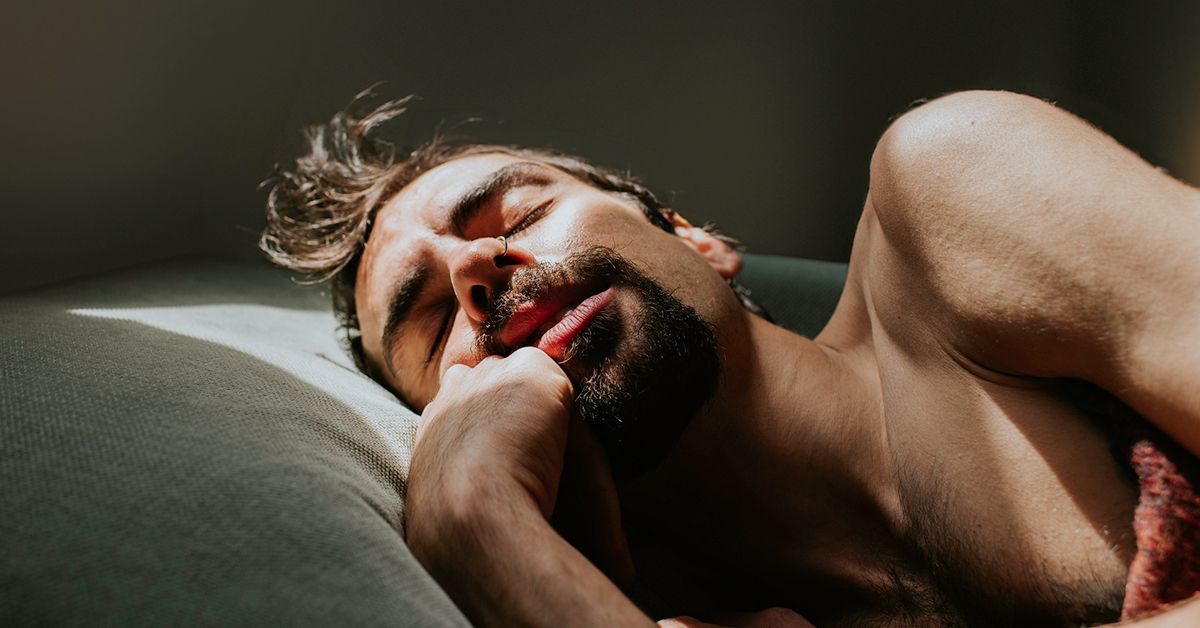
Sleep apnea is the kind of health problem that likes to work the night shift. It often shows up while you are asleep, wearing pajamas, and completely unavailable for self-observation. That is why many people do not notice the earliest signs of sleep apnea until a bed partner complains about snoring, a child starts struggling at school, or daytime fatigue becomes so normal that “tired” feels like a personality trait.
In simple terms, sleep apnea happens when breathing repeatedly stops, slows, or becomes blocked during sleep. These breathing pauses can fragment sleep, lower oxygen levels, and leave the brain and body running on a low battery the next day. The most common type is obstructive sleep apnea, or OSA, which occurs when the upper airway becomes partly or fully blocked. Central sleep apnea is less common and involves the brain not sending the right breathing signals during sleep. Some people can have features of both.
The tricky part is that sleep apnea symptoms in adults and children do not always look the same. Adults may complain of morning headaches, loud snoring, or daytime sleepiness. Children may appear hyperactive, moody, inattentive, or unusually restless at night. In other words, sleep apnea can disguise itself as “bad sleep,” “stress,” “behavior problems,” or “just getting older.” Sneaky? Absolutely. Treatable? Very often, yes.
What Is Sleep Apnea?
Sleep apnea is a sleep-related breathing disorder marked by repeated pauses in breathing during sleep. These pauses may last for several seconds and can occur many times per hour. Each event may briefly wake the brain, even if the person does not remember waking up. Over time, this can prevent deep, restorative sleep and may contribute to daytime fatigue, poor concentration, irritability, and health complications.
Obstructive Sleep Apnea
Obstructive sleep apnea is the most common form. It happens when the throat muscles relax too much during sleep, allowing soft tissue to narrow or block the airway. Airflow drops, oxygen may dip, and the person may snore, gasp, choke, or briefly wake as breathing restarts. Think of it as traffic congestion in the airwayexcept the road is your throat, and the traffic jam happens while you are trying to sleep.
Central Sleep Apnea
Central sleep apnea is less common. Instead of a physical airway blockage, the problem involves breathing signals from the brain. It may be associated with certain medical conditions, heart problems, neurological issues, medications, or high-altitude exposure. Central sleep apnea symptoms can overlap with obstructive sleep apnea, so proper evaluation matters.
Common Signs of Sleep Apnea in Adults
Adult sleep apnea symptoms can be loud and obviousor surprisingly subtle. Some people snore like a lawn mower with ambition, while others mainly notice poor sleep quality, brain fog, or mood changes. The following signs are among the most common red flags.
Loud, Frequent Snoring
Snoring is one of the most recognized signs of obstructive sleep apnea. Not every person who snores has sleep apnea, but loud, frequent snoring is more concerning when it is paired with pauses in breathing, choking, gasping, or daytime sleepiness. Snoring that suddenly stops, followed by silence and then a loud gasp, is especially worth discussing with a healthcare provider.
Witnessed Pauses in Breathing
Many adults learn they may have sleep apnea because someone else notices it first. A spouse, partner, roommate, or family member may see breathing stop and restart during sleep. These pauses may be followed by snorts, choking sounds, or sudden movements. If your sleeping companion has started delivering nightly weather reports about your breathing, believe them.
Gasping or Choking During Sleep
Waking up gasping, choking, or feeling short of breath can be a major warning sign. Some people describe it as jolting awake or feeling as if they were briefly suffocating. Others do not fully wake but make choking or snorting sounds that others notice.
Morning Headaches
Morning headaches can occur when sleep is repeatedly disrupted or oxygen levels fluctuate overnight. A headache that appears soon after waking and improves during the day may be one clue, especially when combined with snoring or daytime fatigue.
Daytime Sleepiness and Fatigue
One of the most frustrating symptoms of sleep apnea is feeling exhausted despite spending enough hours in bed. People may fall asleep while reading, watching TV, working at a desk, or riding as a passenger in a car. In severe cases, sleepiness while driving can become dangerous and needs prompt medical attention.
Brain Fog, Poor Focus, and Memory Problems
Sleep apnea can make the brain feel like it is operating through wet cement. Adults may struggle with concentration, forgetfulness, slow thinking, reduced productivity, or difficulty staying alert during meetings. If coffee has become your unofficial coworker and still cannot save you, poor sleep quality may be part of the problem.
Mood Changes and Irritability
Poor sleep can make anyone cranky, but untreated sleep apnea may contribute to ongoing irritability, anxiety, low mood, or emotional sensitivity. People may feel impatient, easily frustrated, or less resilient during everyday stress.
Dry Mouth or Sore Throat in the Morning
Waking with a dry mouth, scratchy throat, or bad breath may happen when someone breathes through the mouth at night. Mouth breathing can occur when nasal congestion, airway blockage, or sleep apnea-related breathing patterns interfere with normal airflow.
Frequent Nighttime Urination
Waking several times to urinate, also called nocturia, can have many causes. However, it can also occur with sleep apnea. Repeated breathing disruptions may affect hormones and pressure changes in the body, leading to more nighttime bathroom trips. If the bladder has joined your sleep schedule as a recurring guest star, mention it to your clinician.
Signs of Sleep Apnea in Children
Children are not just tiny adults with smaller pajamas. Pediatric sleep apnea can look different from adult sleep apnea, and daytime sleepiness is not always the main clue. Some children become wired, restless, or inattentive instead of obviously sleepy. This can make sleep apnea easy to mistake for behavioral or learning issues.
Loud Snoring or Noisy Breathing
Snoring is a key symptom in children, especially when it happens often. Occasional snoring during a cold may not be alarming, but regular loud snoring should not be ignored. Pediatric experts often recommend screening children and adolescents for snoring because it can be a clue to obstructive sleep apnea.
Pauses in Breathing, Gasping, or Snorting
Parents may notice a child stop breathing briefly, gasp, choke, snort, or seem to struggle for air during sleep. These signs are especially important when they happen repeatedly. A child may also sleep restlessly, toss and turn, or wake often without knowing why.
Mouth Breathing
Children with enlarged tonsils, enlarged adenoids, chronic nasal congestion, allergies, or airway narrowing may breathe through the mouth at night. Mouth breathing during sleep can be a sign that air is not moving comfortably through the nose and upper airway.
Restless Sleep and Unusual Sleep Positions
Some children with sleep apnea move constantly in bed, sweat during sleep, sleep with the neck extended, or prop themselves into odd positions to breathe more easily. If your child sleeps like they are doing advanced yoga in a blanket fort, it may be worth paying closer attention.
Bedwetting
Bedwetting can have many explanations, and it is common in younger children. However, new or persistent bedwetting, especially along with snoring or restless sleep, can be one of the signs of pediatric sleep apnea.
Morning Headaches or Dry Mouth
Like adults, children may wake with headaches or a dry mouth. They may also seem hard to wake, grumpy in the morning, or still tired after what looked like a full night of sleep.
Hyperactivity, Trouble Paying Attention, or School Problems
In children, poor sleep may show up as hyperactivity rather than sleepiness. A child may have trouble focusing, become easily frustrated, act impulsively, or struggle academically. Because these symptoms can overlap with other conditions, sleep patterns are an important part of the bigger picture.
Adult vs. Child Sleep Apnea Symptoms: Key Differences
Adults with sleep apnea often report daytime sleepiness, fatigue, morning headaches, and snoring. Children may show snoring too, but they are more likely to present with behavioral changes, attention problems, mouth breathing, bedwetting, or restless sleep. Adults may describe feeling exhausted; children may simply act like their internal volume knob is stuck on maximum.
Another difference is the usual cause. In adults, risk factors often include excess body weight, age, male sex, smoking, alcohol use, nasal congestion, and certain anatomical features. In children, enlarged tonsils and adenoids are common contributors. Childhood obesity, craniofacial differences, neuromuscular conditions, and some genetic syndromes can also increase risk.
Risk Factors That Make Sleep Apnea More Likely
Sleep apnea can affect people of any age, body size, or background. Still, certain factors raise the odds. In adults, these include a larger neck circumference, excess weight, aging, family history, high blood pressure, smoking, alcohol use near bedtime, nasal blockage, and use of sedating medications. Sleeping on the back may worsen symptoms in some people.
In children, risk factors include enlarged tonsils or adenoids, obesity, allergies, chronic nasal congestion, premature birth, certain craniofacial structures, neuromuscular disorders, and genetic conditions such as Down syndrome. A child does not need to have every risk factor to have sleep apnea. Sometimes the only obvious clue is persistent snoring.
When Snoring Is More Than Just Snoring
Snoring becomes more concerning when it is loud, frequent, disruptive, or paired with breathing pauses. Occasional soft snoring during a cold is different from nightly snoring with gasping, choking, restless sleep, or daytime symptoms. The combination matters.
For adults, warning combinations include snoring plus morning headaches, daytime sleepiness, high blood pressure, mood changes, or waking up gasping. For children, warning combinations include snoring plus bedwetting, mouth breathing, restless sleep, behavior changes, trouble focusing, or poor school performance.
Why Sleep Apnea Should Not Be Ignored
Untreated sleep apnea can affect more than energy levels. Repeated sleep disruption and oxygen changes may contribute to high blood pressure, heart strain, metabolic problems, mood issues, and reduced quality of life. In adults, excessive daytime sleepiness may increase the risk of accidents at work or while driving. In children, poor sleep can affect learning, behavior, growth, and family routines.
The good news is that sleep apnea is often manageable once identified. Diagnosis can open the door to effective treatment, better sleep, clearer mornings, and fewer arguments with the alarm clock.
How Sleep Apnea Is Diagnosed
A healthcare provider may begin with a medical history, sleep history, physical exam, and questions about symptoms. They may ask whether anyone has observed snoring, gasping, or pauses in breathing. For children, the provider may ask about school performance, behavior, bedwetting, mouth breathing, and enlarged tonsils or adenoids.
Sleep Studies
The main test for sleep apnea is a sleep study. An overnight sleep study in a lab, called polysomnography, can measure breathing, oxygen levels, heart rate, sleep stages, movement, and other signals. Some adults may be candidates for home sleep apnea testing, depending on symptoms and medical history. Children more commonly need an in-lab sleep study because pediatric sleep breathing patterns require careful evaluation.
Why Guessing Is Not Enough
Symptoms can strongly suggest sleep apnea, but a proper diagnosis helps determine severity and treatment. Snoring alone does not prove sleep apnea, and fatigue can have many causes. Testing helps separate “probably” from “here is what is actually happening.”
Treatment Options: What Usually Helps?
Treatment depends on the type and severity of sleep apnea, age, anatomy, and overall health. The goal is to keep breathing steady during sleep and improve sleep quality.
Positive Airway Pressure Therapy
CPAP and other positive airway pressure devices use gentle air pressure to help keep the airway open during sleep. CPAP is a common treatment for adults with obstructive sleep apnea and may also be used in children when appropriate.
Oral Appliances
Some adults with mild to moderate obstructive sleep apnea may benefit from a custom oral appliance made by a qualified dental sleep medicine provider. These devices help position the jaw or tongue to reduce airway blockage.
Surgery or Tonsil and Adenoid Removal
For many children with obstructive sleep apnea related to enlarged tonsils or adenoids, surgery to remove them may be considered. Adults may also be evaluated for surgical options when anatomy plays a major role or when other treatments are not successful.
Lifestyle and Sleep Habit Changes
Weight management, regular physical activity, avoiding alcohol close to bedtime, treating nasal congestion, quitting smoking, and changing sleep position may improve symptoms for some people. These steps do not replace medical evaluation, but they can support treatment.
When to Call a Healthcare Provider
Adults should talk with a healthcare provider if they have loud snoring, witnessed breathing pauses, gasping during sleep, unexplained daytime sleepiness, morning headaches, or sleepiness while driving. Children should be evaluated if they snore regularly, pause breathing, gasp, mouth-breathe at night, wet the bed unexpectedly, struggle with attention, or have restless sleep.
Seek urgent care right away if breathing problems are severe, if a child has bluish lips or face, if there is extreme difficulty breathing, or if daytime sleepiness creates immediate safety risks.
Experiences Related to Signs of Sleep Apnea in Adults and Children
One of the most common experiences with sleep apnea is not realizing anything is wrong until someone else points it out. An adult may think, “I sleep seven hours, so why am I exhausted?” Meanwhile, their partner has been lying awake listening to a nightly soundtrack of snoring, silence, gasp, repeat. The person with sleep apnea may not remember these awakenings because they happen quickly and repeatedly. To them, the night feels normal. To the person beside them, it sounds like a dramatic radio play called “Will They Breathe Again?”
Many adults describe the daytime symptoms first. They wake up tired, drag themselves through the morning, and depend on coffee like it has been personally appointed as their life coach. Work meetings feel longer, memory feels weaker, and patience gets thinner. Some people notice they are more irritable with family members or less motivated to exercise. Others feel embarrassed because they fall asleep during movies, while reading, or during quiet moments. These experiences can be mistaken for laziness, stress, depression, or aging, when the real issue may be fragmented sleep.
In families with children, the story often looks different. A parent may first notice loud snoring, mouth breathing, or restless sleep. The child may kick off blankets, sweat at night, sleep in strange positions, or wake up cranky. During the day, instead of looking sleepy, the child may seem overactive, emotional, or unable to sit still. Teachers may report trouble focusing, unfinished work, or behavior issues. Parents may try earlier bedtimes, stricter routines, or reward charts, only to find that the child is still struggling because the problem is not disciplineit is breathing during sleep.
Another real-world experience is the “normalization trap.” Families get used to symptoms because they happen every night. Snoring becomes part of the household background noise. Morning headaches become “just how I wake up.” A child’s mouth breathing becomes “just their habit.” Over time, these clues can fade into the scenery. That is why it helps to step back and look at the pattern: Is sleep noisy? Is breathing interrupted? Is the person tired, foggy, moody, or struggling during the day? Patterns often tell the story better than one isolated symptom.
People who seek evaluation often describe relief after getting answers. A sleep study may feel intimidating at first, but it can provide useful information about what is happening overnight. Treatment may take adjustment, especially with CPAP masks or lifestyle changes, but many people report better mornings, sharper thinking, fewer headaches, and improved mood once sleep improves. Parents may notice their child wakes more refreshed, behaves more calmly, or performs better at school after appropriate treatment. Sleep apnea may be sneaky, but once identified, it is no longer running the night shift alone.
Conclusion
The signs of sleep apnea can be easy to miss because they often happen while the person is asleep. In adults, loud snoring, gasping, morning headaches, daytime fatigue, poor concentration, mood changes, and frequent nighttime urination can all be clues. In children, sleep apnea may appear as snoring, mouth breathing, restless sleep, bedwetting, hyperactivity, attention problems, or school difficulties.
The most important takeaway is simple: regular snoring with breathing pauses, gasping, or daytime problems deserves attention. Sleep apnea is not just annoying snoring with a medical degree. It is a real condition that can affect energy, mood, learning, heart health, and daily safety. A healthcare provider can help determine whether symptoms point to sleep apnea and whether testing or treatment is needed. Better sleep is not a luxury prize at the end of adulthood; it is part of good health for adults and children alike.