If you’ve ever looked at the clock before a long fast and thought, “So…am I supposed to eat like it’s
Thanksgiving or like it’s a yoga retreat?”, you’re not alone. The Seudat HaMafseket –
literally the “separating meal” – is the final meal before major Jewish fasts such as Yom Kippur and
Tisha B’Av. It carries spiritual weight, halachic (Jewish legal) rules, and very practical questions:
what should you actually put on the table so you’re not starving, parched, or regretting that third
slice of salty kugel?
In this guide, we’ll walk through what Seudat HaMafseket is, how customs differ between Yom Kippur
and Tisha B’Av, and how to build smart pre-fasting menus that keep you comfortable
without turning the meal into an all-you-can-eat buffet. We’ll blend halachic basics with nutrition
tips and real-life experiences, so you can plan a meal that feels meaningful, balanced, and doable.
What Is Seudat HaMafseket?
The phrase Seudat HaMafseket means “the separating meal.” It’s the last meal eaten before a
fast begins. You’ll hear the term most often in two contexts:
-
Yom Kippur: The meal right before the 25-hour fast begins at sundown. It’s about
entering a holy day well-nourished and focused. -
Tisha B’Av: The meal before a day of mourning and fasting over the destruction of
the Temples and other national tragedies. Here, the mood is intentionally simple, even sad.
Halachically, the “last meal” can be defined slightly differently depending on the fast and local
custom. For Tisha B’Av, Seudat HaMafseket refers to a specific, minimalist meal with its own rules. For
Yom Kippur, the term is often used for the final pre-fast dinner, even if you’ve eaten another main
meal earlier in the day. Either way, the concept is the same: this is the meal that bridges “regular
time” and the intense period of fasting ahead.
Halachic Customs: Yom Kippur vs. Tisha B’Av
Before Yom Kippur: Feasting with Intention
Before Yom Kippur, Jewish law encourages eating and drinking on the eve of the fast. In fact, there is
a rabbinic mitzvah to eat on the day before Yom Kippur, so that we enter the fast with strength and
dignity rather than collapse halfway through services. Many families:
- Eat a substantial meal earlier in the afternoon, sometimes with meat, soup, and sides.
-
Have a lighter, more easily digestible meal closer to candle lighting – often referred to as the
Seudat HaMafseket. -
Focus on blessing the food properly and approaching the fast as a spiritual privilege, not a
starvation challenge.
While there’s flexibility in menu choice, common themes are moderation, hydration, and avoiding foods
that will make you very thirsty or uncomfortable during the fast.
Before Tisha B’Av: A Meal of Mourning
Tisha B’Av’s Seudat HaMafseket feels completely different. This is not a festive dinner – it’s a
transition into mourning. Some classic customs include:
-
Simple foods only: Traditionally, the meal includes bread and a hard-boiled egg,
symbols of mourning. Many families avoid more than one cooked dish. -
Eating in a low, humble position: People may sit on the floor or on low stools to
reflect a broken, grieving mood. -
Quiet and introspective: It’s often eaten in relative silence, without the usual
chatting and celebration of a typical family meal.
This stripped-down meal prepares the heart for a day of remembrance and reflection. From a practical
perspective, it is still smart to drink water and eat enough earlier in the day, even if the final
Seudat HaMafseket itself is austere.
Nutritional Game Plan for a Comfortable Fast
Spiritually, fasting is about focus, introspection, and connection. Physically, it’s about spending a
full day without food or water (on Yom Kippur and Tisha B’Av) and trying not to feel like you’re
counting down the minutes until the break-fast bagels. A good pre-fasting menu is your secret weapon.
Hydration: Your Best Friend
Think of hydration as the “pre-game warmup” of fasting. Chugging water ten minutes before candle
lighting is not a strategy; it’s a rookie mistake. Instead:
- Start drinking water regularly throughout the day before the fast.
- Aim for steady sips rather than huge gulps at the last minute.
-
Include naturally hydrating foods at Seudat HaMafseket: cucumbers, tomatoes, melon, grapes, pears,
and soups with a reasonable amount of broth.
Some people also like herbal tea or lightly flavored water (like lemon slices) earlier in the day, as
long as it doesn’t upset their stomach.
Complex Carbs: Slow and Steady Fuel
Your body will thank you for complex carbohydrates. These break down more slowly,
providing a steadier release of energy and helping to prevent a mid-morning “fasting crash.”
- Brown rice or quinoa pilaf
- Whole wheat pasta or barley
- Whole grain breads, pita, or challah (go easy on the salt topping)
- Starchy vegetables like sweet potatoes, squash, or potatoes (lightly seasoned)
Pair these carbs with fiber-rich vegetables and protein to feel satisfied without being overstuffed.
Protein and Healthy Fats: Staying Power
Protein and healthy fats add staying power to your meal. They can help control hunger over the long
hours of the fast:
-
Lean proteins: Skinless chicken, baked salmon, lentil soups, chickpeas, or
bean-based stews. -
Healthy fats: Olive oil in salads, avocado slices, nuts, seeds, or tahini sauces
(in reasonable amounts).
The goal is balance, not a giant protein “power meal.” Too much fat or heavy meat can slow digestion
and make you feel overly full, especially as the fast begins.
What to Limit Before the Fast
A few things are best minimized or avoided altogether at Seudat HaMafseket:
-
Very salty foods: Think pickles, chips, heavily salted soups, and some deli meats.
They can leave you desperately thirsty the next day. - Fried or greasy foods: Tasty? Yes. Forgiving during a 25-hour fast? Not usually.
-
Lots of caffeine: Cutting coffee suddenly can trigger headaches. Some people taper
caffeine earlier in the week, then keep pre-fast coffee mild and earlier in the day. -
Sugar bombs: Heavy desserts full of refined sugar can spike and crash your blood
sugar, making you feel worse during the fast.
Sample Seudat HaMafseket Menus
Need something more concrete than “balanced carbs and protein”? Let’s look at sample menus you can
mix, match, and adapt to your family’s taste and customs.
1. Classic Ashkenazi-Style Yom Kippur Pre-Fast Menu
This menu feels familiar and comforting but is intentionally not too salty or heavy.
-
Starter: Low-sodium vegetable or chicken soup with noodles or barley. Keep the
broth flavorful but not salty. -
Main: Baked chicken (skinless if you prefer), seasoned with herbs and a small
amount of oil. -
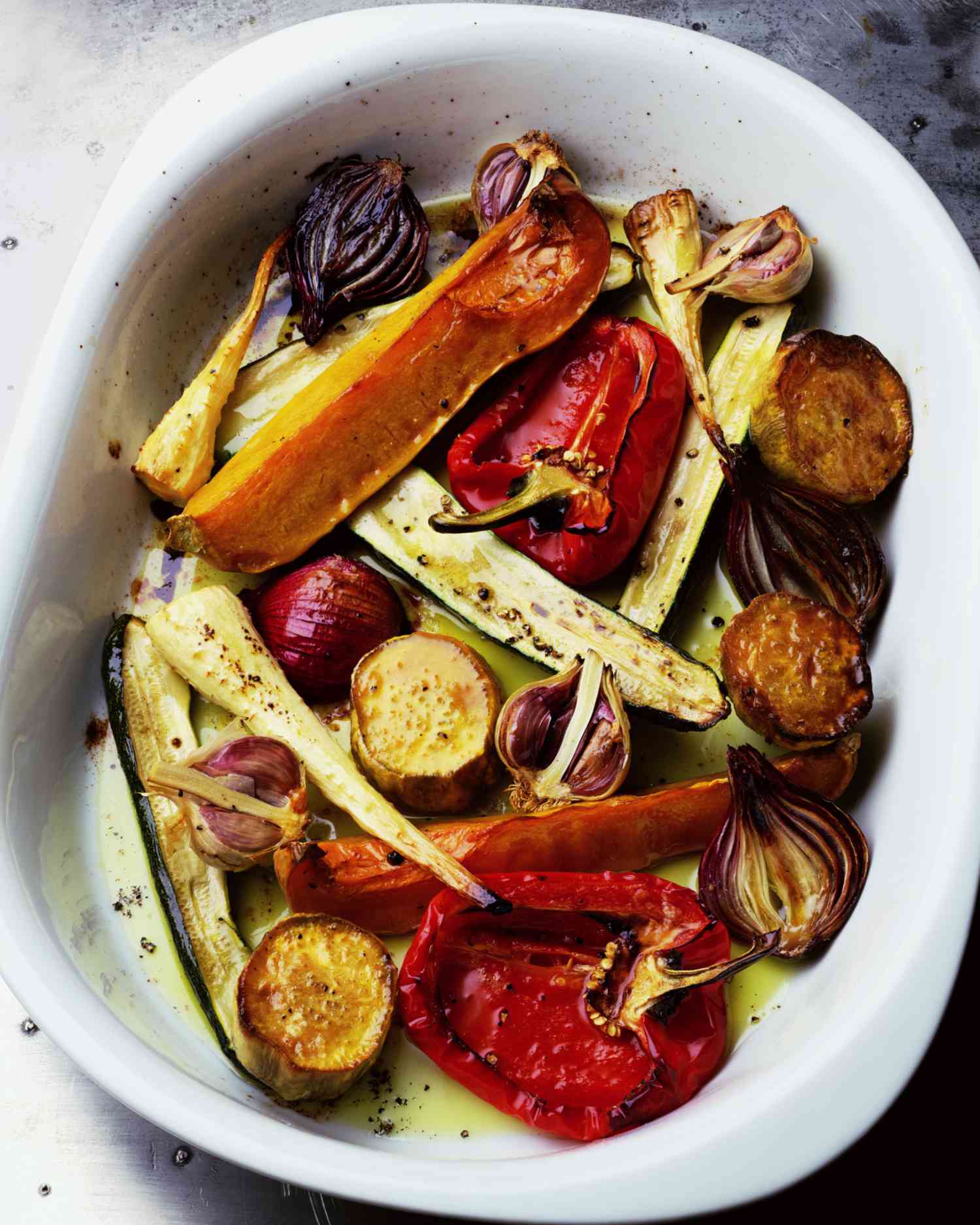
Carb: Oven-roasted potatoes or sweet potatoes with olive oil and garlic, plus a
slice or two of challah. -
Veggie sides: Simple green salad with olive oil and lemon dressing, plus steamed
green beans or broccoli. - Dessert: Fresh fruit salad – melon, grapes, berries – instead of sugary cake.
Serve water throughout the meal. If you want a small dessert treat, keep it light and not overly rich.
2. Sephardi / Mizrahi-Inspired Pre-Fast Menu
This menu is vibrant, aromatic, and still fast-friendly when you go easy on the salt and spice.
-
Starter: Lentil or harira-style soup with tomatoes, lentils, and a modest amount of
spices. - Main: Baked salmon with herbs and lemon, or chicken with mild Moroccan seasoning.
- Carb: Couscous or bulgur with vegetables and chickpeas.
-
Salads: Israeli salad (cucumbers, tomatoes, parsley) dressed lightly, plus a small
portion of hummus or tahini. - Dessert: Sliced oranges, pomegranates, or pears.
If you love bold flavors, choose herbs, garlic, and lemon over heavy salt or very spicy peppers to
keep thirst under control.
3. Light & Gentle Menu for Sensitive Stomachs
Some people already have sensitive digestion or get headaches easily when fasting. For them, a gentler
pre-fast meal can make a big difference.
- Starter: Mild vegetable soup (zucchini, carrots, potatoes) blended smooth.
- Main: Baked white fish or poached chicken, simply seasoned.
- Carb: Plain white or brown rice, or small pasta.
- Sides: Steamed carrots and green beans with a drizzle of olive oil.
- Dessert: Bananas, applesauce, or soft baked apples with cinnamon.
This type of menu minimizes heartburn and heaviness, making the fast more manageable physically.
4. Quick Vegetarian Pre-Fast Menu
Whether you’re vegetarian or just prefer a plant-based pre-fast meal, you can absolutely build a
satisfying Seudat HaMafseket.
- Starter: Lentil or split pea soup made with vegetable broth.
- Main: Baked tofu or chickpea patties with herbs.
- Carb: Quinoa or whole wheat couscous with roasted vegetables.
- Salad: Leafy greens with avocado, sunflower seeds, and a lemon–olive oil dressing.
- Dessert: Fruit salad or baked pear halves.
Just like with meat-based menus, focus on moderate salt and solid hydration for best results.
Tisha B’Av Seudat HaMafseket: A Simpler Plate
Because Tisha B’Av is a day of intense mourning, the classic Seudat HaMafseket looks very different
from a typical pre-Yom Kippur dinner.
A traditional Tisha B’Av Seudat HaMafseket might include:
- Simple bread (roll, pita, or slice of challah, often without fancy toppings)
- A hard-boiled egg, symbolizing mourning
- Some communities dip the bread or egg in ashes, underscoring grief and loss
- Eating while sitting on the floor or low stools, without socializing or “celebration”
Since this specific meal is intentionally sparse, it is wise to eat a more complete,
hydration-focused meal earlier in the day (within halachic guidelines and timing), so you are not
beginning the fast already depleted.
Timing and Practical Tips
Great menu, but how do you schedule it so you’re not washing a pot at candle lighting? A few practical
tips:
-
Start hydration early: Focus on water intake from the morning and throughout the
day, not just the final hour. -
Plan two stages: For Yom Kippur, consider a larger midday or mid-afternoon meal and
a lighter Seudat HaMafseket closer to the fast. -
Finish eating a bit before the deadline: Give yourself a small buffer so you’re not
rushing to swallow and clear the table as the fast begins. -
Involve kids thoughtfully: Younger children who aren’t fasting fully still benefit
from balanced, hydrating meals and calm pre-fast routines. -
Listen to your body: If you know certain foods trigger acid reflux, headaches, or
bloating, this is not the time to experiment with them.
Common Mistakes (and Easy Fixes)
-
Mistake: “Stuffing” yourself.
Fix: Aim for pleasantly full, not “undo-my-belt” full. Overeating can stretch your stomach
and actually make fasting feel harder. -
Mistake: Eating super salty or spicy food.
Fix: Love spice? Lean more on herbs, citrus, and mild seasoning, and keep the salt shaker
under control. -
Mistake: Skipping carbs or fats in an attempt to be “extra holy.”
Fix: Fasting is hard enough. Give your body balanced fuel so you can focus on prayer and
reflection, not your rumbling stomach. -
Mistake: Trying a totally new dish.
Fix: Pre-fast dinner is not the best time to discover that your stomach doesn’t like that
elaborate curry you found on social media. -
Mistake: Forgetting to hydrate earlier in the week.
Fix: Especially for major fasts like Yom Kippur, begin paying attention to hydration one to
three days in advance.
Real-Life Experiences With Seudat HaMafseket: What Actually Helps
Talk to ten people about what they eat before a fast and you’ll get at least twelve opinions. While
everyone’s body is a little different, certain patterns show up again and again in real-life
experience.
Many people discover that the overall rhythm of the day matters as much as the exact
menu. When the day before a fast is frantic – last-minute errands, cooking marathons, crowded
supermarkets – it’s much harder to sit down to Seudat HaMafseket in a calm, focused way. Families who
plan ahead often report that the meal feels more meaningful and the fast itself more manageable.
Another recurring theme is the “light but filling” sweet spot. People who go all-in on heavy meats,
creamy sauces, and rich desserts sometimes feel painfully full right as the fast begins, only to wake
up hungry and sluggish the next morning. On the other hand, those who eat only a tiny, ultra-ascetic
meal often find their energy crashing by mid-morning. A solid plate of soup, lean protein, complex
carbs, vegetables, and fruit tends to hit the right balance – satisfying but not overwhelming.
Hydration stories are some of the most dramatic. Plenty of people have one very bad “I barely drank
anything” fast in their past – complete with pounding headaches, dizziness, or intense thirst – and
then become devoted water advocates for life. They often describe a simple but life-changing habit:
start sipping early, and keep a water bottle handy for the entire day before the fast.
Many also find that cutting back on caffeine gradually, beginning a day or two earlier, dramatically
reduces headaches.
There are also emotional and spiritual experiences tied to Seudat HaMafseket. Some families use the
meal as a time to share a short thought about the meaning of the day, sing a quiet song, or talk about
what they’re focusing on in prayer. Others keep conversation light and comforting, reserving deeper
reflection for the synagogue. On Tisha B’Av in particular, people often describe the final,
egg-and-bread meal as surprisingly powerful: the quiet, the simple food, and the physical posture of
sitting low combine to “flip a switch” from ordinary life into national memory and mourning.
Over time, many households arrive at their own “house signature” pre-fast meal – a chicken recipe
everyone likes, a go-to soup, a favorite rice dish, or a specific fruit salad that only shows up before
Yom Kippur. Those familiar menus can be comforting, especially for children, and they make the
logistical side easier. Once you know that “this is what we do,” you can focus more on the spiritual
work of the day and less on reinventing the entire menu every year.
The big takeaway from these experiences is that there is no single magic menu that guarantees an easy
fast. Instead, think in terms of principles: hydrate well, eat balanced and calmly, be
mindful of your body’s sensitivities, and let the meal support – not overshadow – the deeper purpose
of the day. When your Seudat HaMafseket is planned with both body and soul in mind, the fast stops
feeling like a battle and becomes more of a guided, meaningful journey.
Final Thoughts
Seudat HaMafseket is more than the last chance to grab a snack before the fast. It’s a bridge between
the everyday and the extraordinary – between ordinary meals and a day devoted either to intense
introspection (Yom Kippur) or national mourning (Tisha B’Av). By understanding the halachic customs and
paying attention to smart nutrition, you can create pre-fasting menus that leave you
feeling grounded, hydrated, and ready for the spiritual work ahead.
You don’t need a gourmet feast or a perfectly styled table. You just need a thoughtful plate: good
water intake, balanced carbs, proteins, and fats, and a calm moment to recognize what you’re about to
enter. With a bit of planning, your Seudat HaMafseket can become one of the most meaningful – and
surprisingly peaceful – meals of the year.