A rustic mail organizer is one of those little home upgrades that seems almost too simple to matteruntil you install one and suddenly stop finding electric bills under the toaster, coupons in the laundry basket, and your car keys hiding like tiny metal fugitives. In a world where paper still shows up at the door no matter how many times we click “go paperless,” a warm, well-designed mail organizer can bring order to the most chaotic spot in the house: the entryway.
More than a place to tuck envelopes, a rustic mail organizer acts as a daily landing zone. It catches letters, keys, sunglasses, receipts, dog leashes, reminder notes, school forms, and the occasional mystery object nobody in the family admits owning. With weathered wood, metal hooks, farmhouse details, and practical compartments, it combines style and function without making your home look like an office supply aisle.
Whether you want to buy a ready-made wall-mounted organizer, build a DIY rustic mail holder from scrap wood, or create a full entryway command center, this guide covers materials, design ideas, installation tips, storage routines, and real-life experience to help you choose the right piece for your home.
What Is a Rustic Mail Organizer?
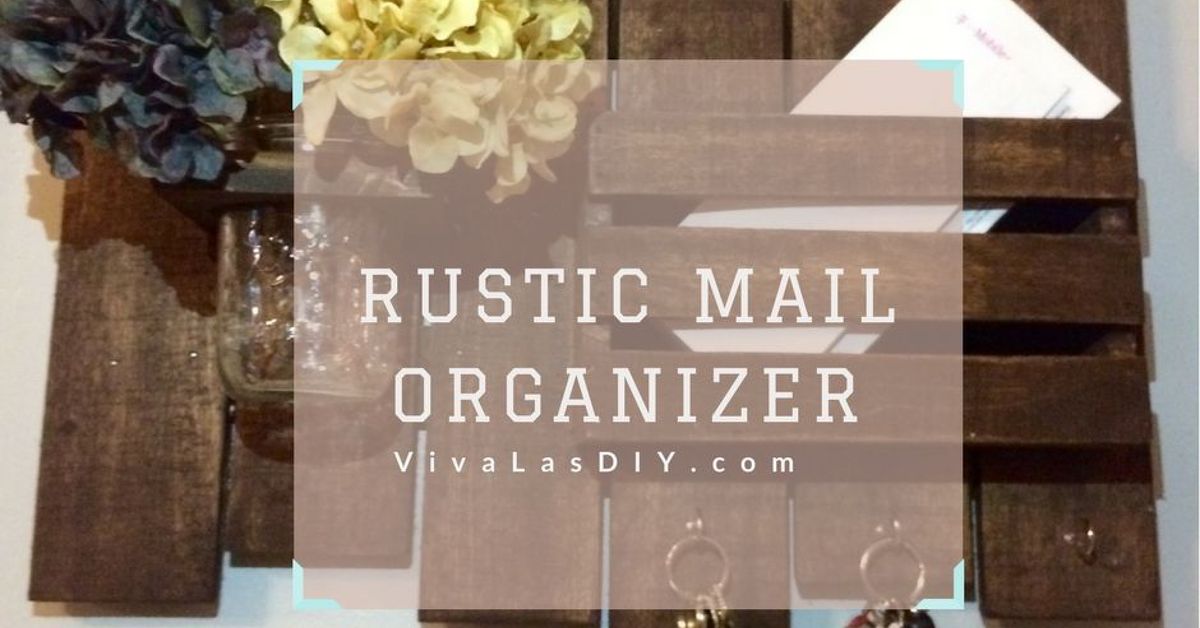
A rustic mail organizer is a storage accessory designed to sort incoming mail while adding a cozy, natural, or farmhouse-style look to your wall, desk, mudroom, kitchen, or entryway. Most versions include one or more mail slots, a small shelf, key hooks, cubbies, baskets, or labels. The rustic part usually comes from distressed wood, visible grain, dark stain, whitewashed finishes, black metal hardware, galvanized accents, or a handmade look.
Unlike a plain plastic tray, a rustic wall mail organizer is meant to be seen. It works as both storage and decor. That is why many people hang one near the front door, beside a garage entrance, in a hallway, or above a small entry table. It gives mail a home before it turns into what scientists have not yet officially named but every homeowner recognizes: the Countertop Paper Mountain.
Why Your Entryway Needs a Mail Organizer
The entryway is the place where daily life lands. Shoes come off, bags drop, keys vanish, packages appear, and mail gets tossed wherever there is a flat surface. Without a clear system, even a clean home can feel messy because the first thing people see is clutter.
A rustic mail organizer solves this problem by creating a predictable routine. Instead of dumping everything on a console table, you can sort mail immediately. Bills go in one slot, outgoing letters in another, magazines in a wider pocket, and keys on hooks. If you add a small recycling bin or shred basket nearby, junk mail has less time to reproduce in the wild.
The best part is that the organizer does not need to be huge. A narrow wall-mounted mail holder can work in an apartment entryway, while a larger command center with shelves, calendars, and file holders can serve a busy family. The goal is not to store every document forever. The goal is to catch daily paper long enough for you to decide what happens next.
Popular Rustic Mail Organizer Styles
1. Wall-Mounted Wood Mail Organizer
The wall-mounted wood mail organizer is the classic choice. It usually has one to three slots for envelopes and a row of hooks underneath. This style is perfect for small spaces because it uses vertical wall space instead of stealing room from a table or countertop. A dark walnut stain feels traditional, while whitewashed wood fits farmhouse, cottage, or coastal interiors.
2. Mail Organizer With Key Hooks
A rustic mail organizer with key hooks is one of the most practical designs for everyday use. The mail slot handles envelopes, while hooks hold keys, lanyards, sunglasses, pet leashes, hats, and lightweight bags. For families, assign one hook per person. It sounds almost too easy, but the simple act of giving keys a permanent parking space can save several dramatic morning search parties.
3. Farmhouse Command Center
A farmhouse command center combines a mail holder with a calendar, chalkboard, corkboard, file pockets, and sometimes a small shelf. This setup works well in kitchens, mudrooms, or family entryways where school papers, appointment cards, permission slips, and grocery lists need to stay visible. The rustic design keeps it from looking corporate, while the layout keeps the household moving.
4. Desktop Rustic Mail Sorter
If wall mounting is not an option, a desktop mail organizer can sit on a console table, desk, kitchen counter, or sideboard. Look for divided compartments so mail does not become one thick, mysterious stack. A wooden letter sorter with metal label plates can look charming and still keep categories separate.
5. Reclaimed Wood Mail Holder
Reclaimed wood is ideal for a rustic mail organizer because dents, knots, nail marks, and uneven grain become part of the charm. Old pallet boards, barn wood, fence pickets, or scrap lumber can be turned into a one-of-a-kind piece. The trick is to sand rough spots enough to prevent splinters while keeping the weathered personality intact.
Best Materials for a Rustic Mail Organizer
Wood is the star of most rustic mail organizers, but the type of wood changes the look and durability. Pine is affordable, lightweight, and easy to stain, making it great for DIY projects. Poplar paints well and has a smoother surface. Oak and walnut feel more premium but may cost more and require sharper tools. Reclaimed wood brings instant character, though it should be cleaned, checked for nails, and sealed properly.
Metal details also matter. Black iron hooks create a farmhouse feel. Bronze or antique brass hardware adds warmth. Galvanized metal pockets give the organizer a country-store look. Wire baskets make mail visible, which is helpful if you forget things exist the moment they disappear behind a wooden panel.
For finishes, stain deepens the wood grain while paint creates a cleaner farmhouse look. A satin polyurethane, clear coat, or furniture wax can help protect the surface from fingerprints, dust, and daily handling. Since mail organizers are usually indoors, you do not need an outdoor-grade finish unless the piece will sit in a covered porch or humid mudroom.
How to Choose the Right Rustic Mail Organizer
Measure Your Space First
Before falling in love with a giant organizer that looks like it could manage a small post office, measure your wall. Check width, height, door swing, light switches, thermostat placement, and nearby furniture. A slim organizer around 10 to 18 inches wide is often enough for a small household. Larger families may prefer multiple slots or a wider command center.
Match the Organizer to Your Mail Habits
If you only receive a few letters a week, one slot may be enough. If your home gets bills, magazines, school papers, medical paperwork, and outgoing mail, choose two or three compartments. Label them with simple categories such as “To Do,” “To File,” and “Outgoing.” Avoid vague labels like “Stuff,” unless you enjoy creating a decorative junk drawer on the wall.
Check Hook Strength
Hooks are useful, but they should match what you plan to hang. Keys and leashes are light. Bags, coats, and backpacks require stronger hardware and better wall support. If the organizer includes hooks, check whether the product is designed for lightweight essentials or heavier items. For DIY versions, use screws rather than weak adhesive, and mount the organizer securely.
Think About Visibility
Some people prefer open slots because visible mail gets handled faster. Others want closed compartments because they dislike visual clutter. If you are forgetful, choose open pockets or wire baskets. If you are highly visual and clutter stresses you out, choose a design with a small door or deeper pocket that hides envelopes while keeping them accessible.
DIY Rustic Mail Organizer Ideas
A DIY rustic mail organizer is a satisfying weekend project because it does not require a workshop full of intimidating tools. Many simple versions can be made with 1x boards, plywood, wood glue, screws, brad nails, hooks, stain, and basic hanging hardware. The design can be as simple as a backboard with a front pocket and hooks, or as detailed as a multi-slot wall organizer with a chalkboard and shelf.
Simple DIY Design
Start with a rectangular wood backboard. Add a shallow front box or angled pocket sized for envelopes. Attach a small shelf above the mail slot for a plant, candle, or sunglasses tray. Install hooks along the bottom for keys and leashes. Sand the edges, stain the wood, distress lightly with sandpaper, then seal it. The result looks handmade in the best waynot “I wrestled lumber and lost,” but “I casually create charming home decor on weekends.”
Reclaimed Wood Version
For a reclaimed look, use old boards with visible grain and texture. Clean them thoroughly, remove old nails, and sand sharp areas. Keep imperfections that add character, but do not leave splinters where hands will grab mail. Pair the wood with matte black hooks and small metal label holders for a vintage office-meets-farmhouse style.
Family Mail Station
For a family setup, create one slot per person. Add name labels, a small cork strip for reminders, and hooks at kid-friendly height. Children are more likely to use an organizer when they can reach it easily. Adults are more likely to use it when it prevents the daily question, “Has anyone seen the permission slip?” from becoming a household emergency.
Installation Tips for Wall-Mounted Mail Organizers
A rustic mail organizer must be mounted securely, especially if it includes hooks or a shelf. Whenever possible, screw the organizer into wall studs. Studs provide stronger support than drywall alone. Use a stud finder, mark the stud locations, and check that the organizer is level before drilling.
If studs are not located where you want to hang the organizer, use wall anchors rated for the total weight of the organizer plus everything it will hold. Do not guess. Mail, keys, small decor, and the occasional overloaded tote bag can add more weight than expected. Choose anchors that match your wall type and follow the manufacturer’s instructions.
Hang the organizer at a practical height. For most adults, chest to shoulder height works well for mail slots, while hooks should be easy to reach without stretching. In family homes, consider a lower row of hooks for children. In narrow entryways, choose a shallow organizer so people do not bump into it every time they come inside carrying groceries and regret.
How to Organize Mail With a Rustic Mail Holder
The organizer is only half the system. The other half is the routine. When mail comes in, sort it immediately into four simple categories: recycle, shred, act, and file. Junk mail goes straight to recycling. Sensitive documents with personal or financial information should be shredded when no longer needed. Bills, invitations, forms, and appointment reminders go in the action slot. Documents worth keeping move to a file system instead of living forever in the wall organizer.
Keep the categories simple. A rustic mail organizer should not become long-term storage for tax records, medical files, or every greeting card since 2008. It is a short-term landing zone. Once a week, empty the slots. Pay the bill, file the statement, scan the receipt, recycle the flyer, and enjoy the rare adult thrill of seeing the bottom of a mail pocket.
You can also reduce paper before it arrives. Sign up for paperless billing where it makes sense, unsubscribe from unwanted catalogs, and use digital tools when helpful. USPS Informed Delivery, for example, can provide previews of incoming letter-sized mail and package updates, which can help households know what to expect before opening the mailbox.
Where to Place a Rustic Mail Organizer
Entryway
The entryway is the most popular location because it catches mail as soon as it enters the home. Pair the organizer with a small bench, shoe tray, mirror, or coat hooks to create a complete drop zone.
Kitchen
The kitchen works well for families because it is already a command center for meals, schedules, homework, and conversations that begin with “Did you remember?” Hang the mail organizer near a calendar or message board for maximum usefulness.
Mudroom
A mudroom is ideal for larger organizers with hooks, baskets, and cubbies. This location can handle mail, keys, leashes, hats, gloves, and seasonal items without cluttering the main living area.
Home Office
If most of your mail is financial, professional, or paperwork-heavy, place the organizer near your desk. Use slots for incoming, outgoing, and filing. This keeps important documents near the place where you actually deal with them.
Decorating Around a Rustic Mail Organizer
A rustic mail organizer looks best when it feels intentional. Add a small framed print, a round mirror, a woven basket, or a tiny plant nearby. Keep the surrounding decor simple so the area remains functional. Too much decoration can turn your organization zone into a charming obstacle course.
Match the organizer finish to other elements in the room. Dark stained wood pairs nicely with black hardware, leather accents, and warm neutrals. Whitewashed wood works with cottage, coastal, and modern farmhouse decor. Natural wood blends well with baskets, linen, stone, and greenery.
For a more polished look, repeat materials. If your organizer has black hooks, use a black-framed mirror. If it has brass label plates, add a brass lamp or picture frame nearby. These small echoes make the organizer feel like part of the room rather than a desperate attempt to control paper chaosthough, to be fair, it can be both.
Maintenance and Cleaning Tips
Dust the organizer weekly with a soft cloth. If the wood is sealed, wipe fingerprints with a slightly damp cloth and dry immediately. Avoid soaking unfinished or reclaimed wood because water can raise the grain or leave marks. Tighten hooks and mounting screws occasionally, especially if the organizer gets daily use.
Most importantly, clear the mail slots regularly. A beautiful rustic mail organizer can only do its job if it is not stuffed like a Thanksgiving turkey. Set a weekly reset day. Sunday evening works well for many households because it prepares the entryway for the week ahead. Empty the organizer, update labels if needed, and remove anything that does not belong.
Common Mistakes to Avoid
One common mistake is buying an organizer that is too small for the household. A single narrow slot may look cute, but it will overflow if four people receive daily mail. Another mistake is choosing a piece with hooks but mounting it poorly. If you plan to hang anything heavier than keys, secure it properly.
Do not overcomplicate the sorting system. Five or six mail categories sound organized in theory, but in real life they often become confusing. Stick to two or three main slots. Also, avoid placing the organizer far from where mail enters the home. If it is not convenient, nobody will use it. Humans are simple creatures; we will walk twenty feet for coffee, but not always for filing.
Real-Life Experiences With a Rustic Mail Organizer
After using different mail systems over the years, the most successful setup has always been the one that is visible, easy, and slightly attractive. A rustic mail organizer checks all three boxes. In one home, a small wall-mounted organizer near the garage door made the biggest difference. Before it was installed, mail landed on the kitchen island. That island was supposed to be for food prep, but it had quietly accepted a second career as a paper storage facility. Bills mixed with grocery ads, receipts slid under cookbooks, and outgoing letters disappeared at the exact moment they needed stamps.
The new organizer had two mail slots and four hooks. Nothing fancy. Just stained wood, black metal hooks, and a little shelf wide enough for a small plant. The top slot became “Action,” the lower slot became “File,” and outgoing mail stood upright on the side. Keys went on the hooks. A small recycling basket sat below it. Within a week, the kitchen island looked bigger, not because it changed size, but because the paper pile was gone. It felt like discovering hidden square footage.
The biggest lesson was that the organizer worked best when paired with a habit. Every day, mail was opened near the recycling basket. Obvious junk disappeared immediately. Anything sensitive went into a shred folder. Bills or forms went into the action slot. Once a week, usually on Sunday, the slots were emptied. This routine took less than ten minutes, but it prevented the dreaded monthly paper avalanche.
Another useful experience came from placing hooks at the right height. At first, the hooks held only keys. Then a dog leash moved there. Then sunglasses. Then a small flashlight. The organizer became a true leaving-the-house station. That was helpful, but it also revealed a danger: every hook attracts stuff. If a hook is empty, someone will hang something on it. To keep the area tidy, each hook needed a purpose. One for house keys, one for car keys, one for the leash, and one spare hook for temporary items. Without that rule, the organizer started wearing accessories like a very busy scarecrow.
For renters, a lightweight rustic mail sorter can still work if mounted carefully with appropriate hardware or placed on a table instead of the wall. A desktop wooden sorter on a console can deliver similar benefits without drilling. For homeowners, mounting into studs gives the most confidence, especially when hooks are involved. In both cases, the organizer should fit the real behavior of the household. If everyone enters through the garage, do not hang the mail organizer at the formal front door just because it looks cute there. Put it where life actually happens.
Style matters more than some people admit. A plain plastic tray may be functional, but if it feels temporary or ugly, it is easier to ignore. A rustic mail organizer, especially one made of warm wood, feels like part of the home. That little emotional detail can make the system easier to maintain. When organization looks good, people are more willing to use it. And when the mail finally has a proper home, the whole entryway feels calmer, warmer, and less like it is being slowly defeated by envelopes.
Conclusion
A rustic mail organizer is a small upgrade with a big impact. It brings order to incoming mail, creates a reliable home for keys and daily essentials, and adds warm character to the entryway, kitchen, mudroom, or office. The best organizer is not necessarily the largest or most expensive one. It is the one that fits your space, matches your habits, mounts safely, and makes sorting mail almost automatic.
Choose wood and hardware that complement your decor. Keep categories simple. Add hooks only for items you truly use every day. Most of all, empty the organizer regularly so it remains a helpful station instead of a decorative paper cave. With the right rustic mail organizer, your home can feel cleaner the moment you walk through the doorand your keys may finally stop living a secret life under the couch.