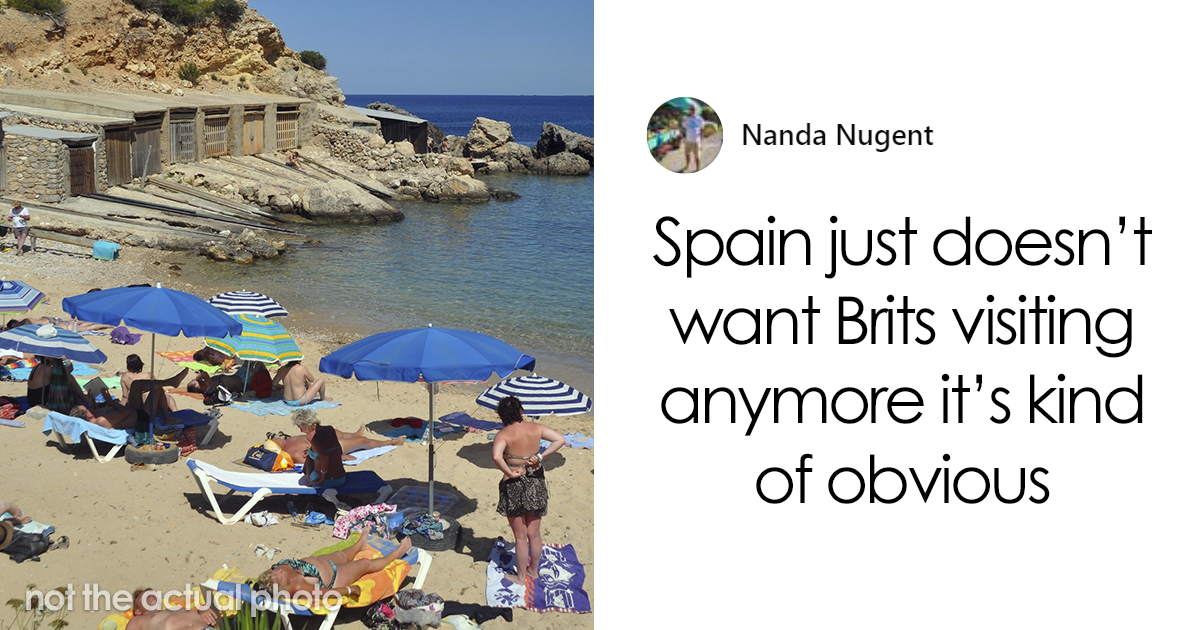
Spain has long been the unofficial happy place of British vacationers: sun, sangria, sea views, and enough tapas to make anyone reconsider their relationship with dinner portions. But in recent years, the cheerful postcard image has been complicated by a very modern travel problem: overtourism. Now, reports of fake warning signs appearing near Spanish beachesespecially in Mallorcahave added a strange, humorous, and slightly uncomfortable twist to the debate over mass tourism.
These signs are not the usual “mind the rocks” or “swim at your own risk” notices posted by local authorities. Instead, they have reportedly warned English-speaking visitors about dangerous jellyfish, falling rocks, sewage-polluted water, closed beaches, or absurdly long walks to coves that are actually just a short stroll away. The punchline? Small Catalan text on some signs reportedly reveals the real message: the warning is not about nature, but about mass tourism.
It is part prank, part protest, and part public relations grenade. And like all good travel controversies, it comes with a suitcase full of bigger questions: Who owns a destination? How many tourists are too many? And is a fake jellyfish warning ever a reasonable way to start a conversation?
What Are the Fake Warning Signs in Spain?
The reported fake signs appeared around beaches in Mallorca, one of Spain’s Balearic Islands and a beloved destination for British and European vacationers. Some signs allegedly warned visitors of hazards such as “dangerous jellyfish” or “falling rocks.” Others suggested beaches were closed or difficult to access, even when they were open and nearby.
The signs were reportedly aimed at English-speaking tourists, with the real message hidden in smaller local-language text. In other words, the signs functioned like a tourism protest wrapped in a prank and printed on a piece of plastic. It is hard not to admire the creativity, even if the ethics are wobblier than a beach umbrella in a strong Mediterranean breeze.
Reports connected the campaign to local anti-tourism activism in Mallorca, where residents and activist groups have increasingly criticized overcrowded beaches, pressure on housing, noise, party tourism, and the feeling that local communities are being turned into visitor playgrounds.
Why British Tourists Are at the Center of the Story
British tourists are not the only visitors to Spain, but they are among the most visible. Spain remains one of the top holiday destinations for travelers from the United Kingdom, thanks to short flights, warm weather, package holidays, familiar resort towns, and decades of cultural habit. For many Britons, a summer trip to Spain feels almost as traditional as complaining about airport queues.
In 2025, Spain welcomed another record number of foreign visitors, with travelers from the U.K. making up the largest group. That matters because when tourism numbers rise, local frustrations often become attached to the most noticeable visitor groups. British holidaymakersespecially in party-heavy destinationscan become symbolic targets, even when the real issue is much larger than any one nationality.
The fake warning signs should not be read as a simple “locals versus Brits” story. The tension is more complicated. Many Spanish communities depend on tourism jobs and revenue. Hotels, restaurants, taxi drivers, shop owners, tour guides, cleaning staff, and seasonal workers all benefit from visitors. At the same time, residents are increasingly asking whether the current tourism model gives enough back to the people who actually live there year-round.
The Bigger Issue: Overtourism in Spain
Spain is one of the world’s tourism giants. Its beaches, cities, islands, food culture, architecture, nightlife, and climate attract tens of millions of travelers every year. Recent official figures and major news reports show that Spain broke tourism records in both 2024 and 2025, with international visitor numbers continuing to climb.
On paper, this sounds like a victory. Tourism contributes a major share of Spain’s economy, supports jobs, and brings global attention to Spanish destinations. But on the ground, the story feels different in many hotspots. Barcelona, Mallorca, Ibiza, the Canary Islands, Málaga, and other popular places have seen protests over rising rents, overcrowded streets, strained public services, and the spread of short-term tourist rentals.
For residents, overtourism is not just about busy beaches. It is about whether a nurse can afford to live near the hospital where she works. It is about whether a family can rent an apartment in the neighborhood where their children go to school. It is about whether local bakeries and hardware stores are replaced by souvenir shops selling fridge magnets, inflatable flamingos, and T-shirts with jokes that probably should have stayed in the airport.
Why Fake Signs Became a Protest Tool
Fake warning signs work because they are visual, simple, and instantly shareable. A protest march may attract local media, but a sign that says a beautiful beach is closed because of imaginary jellyfish? That travels fast online. It is satire designed for the social media age.
The tactic also reflects frustration. When residents feel ignored by policymakers, tourism boards, and international travel companies, they may turn to symbolic action. A fake sign is not only meant to mislead tourists; it is meant to embarrass authorities and force the public to discuss uncomfortable realities.
Of course, there is a risk. Misleading safety information can create confusion. A visitor who cannot tell whether a warning is real may ignore legitimate signs later. That is dangerous. Public safety depends on trust, and beach warnings should never become a guessing game. Nobody wants to play “real sewage alert or political performance art?” while holding sunscreen and a beach towel.
Local Frustration Is Not Anti-TravelIt Is Anti-Excess
One important distinction often gets lost in headlines: many residents are not against tourism itself. They are against a model of tourism that feels unlimited, poorly managed, and unfairly distributed. In many Spanish destinations, activists argue that local communities carry the costs while large corporations, platforms, and property investors capture much of the profit.
Short-term rentals have become a major part of the debate. In cities such as Barcelona and Madrid, residents have complained that tourist apartments reduce long-term housing supply and push rents higher. Spanish authorities have also taken steps to regulate illegal listings and crack down on noncompliant rental properties.
Meanwhile, some local governments have tried to promote a more sustainable kind of travel: fewer destructive party weekends, more cultural tourism, better visitor behavior, stronger housing protections, and a shift away from “more tourists at any cost.” That phrasequality over quantityhas become a favorite in tourism policy circles. It sounds elegant, although implementing it is much harder than printing it in a strategy document.
How Tourists Should Read the Situation
For British tourists planning a trip to Spain, the message is not “stay away.” Spain is still welcoming visitors, and millions of travelers continue to enjoy safe, memorable vacations there every year. But the fake sign controversy is a reminder that being a good traveler now requires more awareness than simply remembering your passport and not packing a full-size shampoo bottle in your carry-on.
Travelers should treat unofficial signs with caution. If a beach warning looks suspicious, check local government notices, lifeguard flags, hotel staff guidance, or official tourism information. Do not rely on random signs, viral social posts, or a stranger named Gary who “comes here every year” and insists he knows everything because he once rented a scooter in 2016.
More importantly, visitors should pay attention to local concerns. Stay in legal accommodations. Respect quiet hours. Avoid littering. Support local businesses beyond the main tourist strip. Use public transportation where practical. Learn a few basic Spanish phrasesor Catalan phrases in places where Catalan is widely spoken. You do not need to become a linguist. A simple “gracias” or “bon dia” can go a long way.
The Economic Puzzle: Spain Needs Tourism, But Not at Any Price
The tourism economy is not a villain. It supports livelihoods and helps Spain remain one of the world’s most dynamic destinations. The challenge is that tourism growth can become self-defeating. If too many visitors overwhelm a destination, the experience gets worse for everyone: locals lose patience, tourists face crowds, prices rise, and the very charm that attracted people begins to disappear.
Mallorca is a clear example. Its coves, beaches, villages, and mountain roads are stunning. But during peak season, the island can feel crowded beyond comfort. Roads clog. Rental prices climb. Popular beaches fill early. Residents find themselves competing with visitors for space in their own communities. That pressure helps explain why a fake warning sign can become more than a jokeit becomes a symbol of a place asking for breathing room.
Specific Examples Behind the Controversy
Reports described fake signs in areas such as Cala Morlanda, Es Caló, Cala Petita, Porto Cristo, Cala Murta, Cala Magraner, and Cala Bota. Some notices warned of falling rocks or jellyfish. Others suggested the sea was polluted or that the beach was closed. One of the more memorable claims suggested that a beach required hours of walking to reach, even though it was reportedly far closer.
The humor is obvious. So is the irritation. Imagine a local resident watching a quiet cove become a daily stream of towels, Bluetooth speakers, rental cars, and sunburned visitors who treat the place like a temporary theme park. Now imagine that happening every summer, while rent rises and basic services struggle. The fake signs begin to look less like a prank and more like a community’s sarcastic distress flare.
What Authorities and Travel Companies Can Do
Solving overtourism requires more than asking tourists to behave better. Local governments, national authorities, airlines, cruise operators, hotel groups, and rental platforms all shape the system. If cheap flights, unlimited short-term rentals, and aggressive marketing push more people into the same neighborhoods at the same time, individual travelers cannot fix the problem alone.
Authorities can improve crowd management, protect residential housing, limit illegal rentals, invest tourism revenue into local infrastructure, and promote travel outside peak seasons. Travel companies can stop selling destinations as unlimited playgrounds and start educating customers about local rules, customs, and pressure points. Tourism boards can market lesser-known regions rather than sending everyone to the same handful of Instagram-famous beaches.
The goal should not be to make travel joyless. Nobody wants a vacation brochure that reads, “Come to Spain, but feel guilty the entire time.” The goal is balance: beautiful trips for visitors and livable communities for residents.
Experience-Based Reflections: What This Situation Feels Like on the Ground
Anyone who has visited a crowded Mediterranean destination in peak season understands the strange double feeling. On one hand, everything is gorgeous. The water is blue, the cafés are lively, the evenings are warm, and the food makes you briefly believe you could move there and become a relaxed person who owns linen shirts. On the other hand, the crowds can be intense. Lines form everywhere. Beaches become towel mosaics. Buses are packed. Restaurant staff look like they have answered the same question about Wi-Fi passwords since sunrise.
For tourists, the experience can still be wonderful. For locals, however, that same atmosphere may feel exhausting. A visitor sees a charming old town for three days. A resident sees the grocery store become harder to access, the rent become harder to pay, and the streets become noisier every summer. That difference in perspective is the heart of the fake warning sign controversy.
Picture a British family arriving in Mallorca after months of saving for a holiday. They are not trying to damage anything. They want sun, swimming, ice cream for the kids, and maybe one peaceful dinner where nobody argues about who forgot the phone charger. Then they see a warning sign saying the beach is dangerous. They turn around, confused and disappointed. From their perspective, the sign feels unfair.
Now picture a local worker who has watched the same beach become overcrowded year after year. Maybe parking is impossible. Maybe wages from tourism jobs have not kept up with housing costs. Maybe the neighborhood has lost long-term rentals to holiday apartments. From that perspective, the sign feels like a small act of resistance in a system where polite complaints have not worked.
Both views can be true. That is why the issue deserves more than a quick headline about “angry locals” or “bad tourists.” Most travelers are not villains. Most residents are not hostile. The real conflict is between a high-volume travel economy and the limits of real places.
There is also a lesson for travelers everywhere, not just in Spain. Modern tourism is entering a new era. Cheap flights, social media recommendations, remote work, short-term rentals, and post-pandemic travel demand have changed the rhythm of famous destinations. Places that once had busy seasons now feel busy most of the year. Hidden gems do not stay hidden once a few viral videos give them a soundtrack and a drone shot.
The best travel experiences often come from slowing down. Visit outside peak season. Choose neighborhoods respectfully. Spend money at local restaurants instead of only international chains. Do not treat residential streets like festival zones. Ask whether your accommodation is legal. Follow beach rules. And when a local says an area is under pressure, listen before getting defensive.
The fake warning signs in Spain may be cheeky, controversial, and a little absurd, but they point to something serious. Travel is not just movement; it is a relationship between guests and hosts. When that relationship becomes unbalanced, even a beach sign can become a battleground.
Conclusion
Reports of fake warning signs in Spain reveal more than a quirky beach prank aimed at British tourists. They expose the growing tension between record-breaking tourism and the everyday needs of local communities. Mallorca and other Spanish destinations remain beautiful, vibrant, and worth visiting, but the message from residents is increasingly clear: tourism must be managed, respectful, and sustainable.
For travelers, the takeaway is simple. Spain is not closing its doors. But visitors should arrive with more than sunscreen and spending money. They should bring awareness, patience, and respect for the people who call these destinations home. After all, the best vacations happen when nobody feels like they need to invent imaginary jellyfish just to make a point.