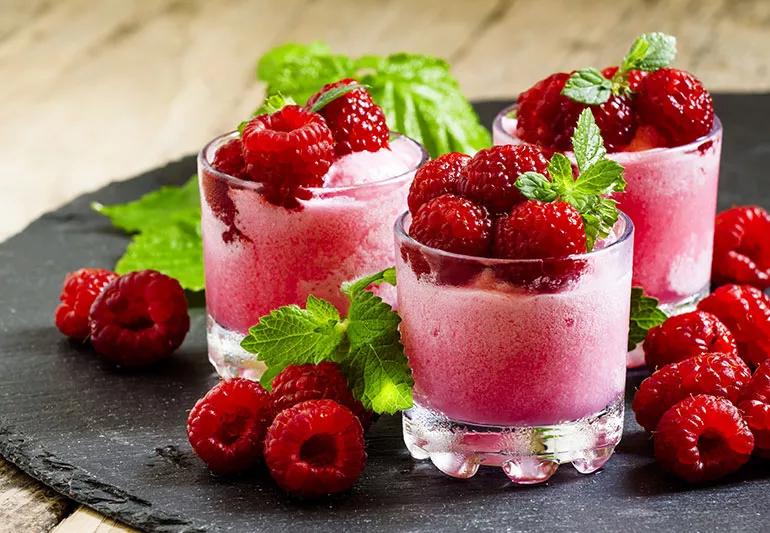
A ruby-red raspberry smoothie is the kind of recipe that looks fancy enough for a brunch table, tastes bright enough to wake up your taste buds, and comes together faster than you can convince yourself not to hit the snooze button again. It is creamy, tangy, naturally colorful, and packed with the sweet-tart flavor of raspberriesthe tiny berries that somehow manage to look delicate while doing heavy lifting in the nutrition department.
This recipe is designed for real life. No culinary degree, no mysterious powders from a jar labeled “galactic super fuel,” and no blender gymnastics required. Just raspberries, a creamy base, a little fruit for balance, and smart add-ins that make the smoothie satisfying instead of watery, sugary, or sad. Whether you need a quick breakfast, a post-workout refresher, an afternoon snack, or a bright drink that makes your kitchen feel like summer, this ruby-red raspberry smoothie earns its spot in the regular rotation.
Why You’ll Love This Ruby-Red Raspberry Smoothie
The best raspberry smoothie recipes balance three things: flavor, texture, and staying power. Raspberries bring a vivid berry flavor with a pleasant tang, but they also contain seeds and natural acidity, so pairing them with banana, yogurt, milk, or a dairy-free alternative helps create a smoother, more rounded drink. The result is not just “fruit in a cup.” It is a creamy, refreshing smoothie with enough body to feel like foodnot a melted popsicle pretending to be breakfast.
Raspberries are especially useful in smoothies because they blend beautifully with familiar ingredients. Banana softens their tartness. Greek yogurt adds creaminess and protein. Oats make the drink thicker and more filling. Chia seeds or ground flaxseed can add texture and fiber. A squeeze of lemon wakes everything up, while vanilla makes the smoothie taste almost dessert-like without turning it into a milkshake wearing a fake mustache.
Ruby-Red Raspberry Smoothie Recipe
Recipe Overview
- Prep time: 5 minutes
- Total time: 5 minutes
- Servings: 1 large smoothie or 2 small smoothies
- Best for: Breakfast, snack, post-workout refreshment, or a naturally sweet treat
- Texture: Creamy, thick, and lightly seedy from real raspberries
- Flavor: Sweet-tart, fruity, bright, and refreshing
Ingredients
- 1 1/2 cups frozen raspberries
- 1/2 medium banana, preferably frozen
- 3/4 cup plain Greek yogurt or unsweetened dairy-free yogurt
- 1/2 cup milk, almond milk, oat milk, soy milk, or another unsweetened milk of choice
- 1 tablespoon chia seeds or ground flaxseed
- 1 teaspoon honey or maple syrup, optional
- 1/2 teaspoon vanilla extract
- 1 teaspoon fresh lemon juice, optional but recommended
- 3 to 5 ice cubes, optional, for extra thickness
Instructions
- Add liquid first. Pour the milk into the blender before adding fruit. This helps the blades move freely and prevents the dreaded blender growl, which is usually the appliance’s way of saying, “Help me.”
- Add creamy ingredients. Spoon in the Greek yogurt or dairy-free yogurt. Add vanilla, lemon juice, and sweetener if using.
- Add fruit and seeds. Add the frozen raspberries, banana, and chia seeds or ground flaxseed.
- Blend until smooth. Start on low, then increase to high. Blend for 30 to 60 seconds, stopping to scrape down the sides if needed.
- Adjust the texture. If the smoothie is too thick, add milk one tablespoon at a time. If it is too thin, add more frozen raspberries, ice, or a few spoonfuls of yogurt.
- Taste and serve. Pour into a chilled glass. Garnish with fresh raspberries, lemon zest, granola, or a sprinkle of chia seeds if you want it to look like it belongs on a café menu.
What Makes This Raspberry Smoothie Healthy?
A raspberry smoothie can be a smart addition to a balanced diet when it is built with whole fruit, protein, and minimal added sugar. Raspberries naturally provide dietary fiber, vitamin C, and plant compounds that contribute to their bright red color. The FDA lists 28 grams of dietary fiber as the Daily Value for adults and children ages four and older, and fiber is one of the nutrients Americans are encouraged to eat more often. That makes raspberries a strong smoothie ingredient because they bring both flavor and substance.
Greek yogurt helps make this ruby-red raspberry smoothie more satisfying. Compared with a smoothie made only from fruit juice and fruit, yogurt adds creaminess and protein, which can help the drink feel more like breakfast and less like a quick sugar rush. If you prefer a dairy-free version, unsweetened soy yogurt or soy milk can offer more protein than many almond or coconut options. The key word is unsweetened. Sweetened yogurts and sweetened plant milks can quietly turn a healthy smoothie into dessert with a straw.
The banana in this recipe has a job, too. It adds natural sweetness and a creamy texture, which means you may not need much honey or maple syrup. A frozen banana works especially well because it thickens the smoothie without diluting the raspberry flavor. Think of banana as the smoothie’s friendly stage manager: not always the star, but absolutely keeping the show together.
Fresh vs. Frozen Raspberries: Which Is Better?
For smoothies, frozen raspberries usually win. Fresh raspberries are wonderful when they are ripe, fragrant, and eaten quickly, but they are delicate and can spoil faster than tougher fruits. Frozen raspberries are convenient, available year-round, and help create a thick, cold smoothie without needing too much ice. Ice makes a smoothie colder, yes, but too much of it can water down the flavor. Frozen fruit gives you chill and flavor in one move.
If you are using fresh raspberries, rinse them gently and pat them dry before blending. You may want to add a handful of ice or a frozen banana to keep the smoothie thick. If using frozen raspberries, add them straight from the freezer. Do not thaw them first unless your blender is low-powered and needs a little kindness. A splash of milk and a short rest on the counter for two or three minutes can make frozen fruit easier to blend.
How to Make the Smoothie Thicker
A thick raspberry smoothie feels luxurious, but thickness is all about ratios. The more frozen fruit and creamy ingredients you use, the thicker the result. The more liquid you add, the thinner it becomes. Simple, yesbut many smoothies go wrong because the blender gets flooded before the fruit has a chance to do its job.
For a Spoonable Smoothie Bowl
Use only 1/4 cup milk, increase the yogurt to 1 cup, and add 2 cups frozen raspberries. Blend slowly, stopping often to scrape the sides. Pour into a bowl and top with sliced banana, granola, coconut flakes, chopped nuts, or a few fresh berries. This version is excellent when you want something that feels like breakfast rather than a drink you accidentally finish in ninety seconds.
For a Lighter Drinking Smoothie
Use the recipe as written, then add extra milk until it reaches your preferred consistency. This version is great for busy mornings, post-walk hydration, or sipping while you answer emails and pretend your inbox is not personally attacking you.
Flavor Variations
Raspberry Peach Smoothie
Replace the banana with 1/2 cup frozen peaches. The flavor becomes softer and more summery, with a peachy sweetness that pairs beautifully with tart raspberries.
Chocolate Raspberry Smoothie
Add 1 tablespoon unsweetened cocoa powder and use vanilla Greek yogurt. This creates a chocolate-berry flavor without needing chocolate syrup. It tastes like a treat, but still keeps the recipe centered on whole ingredients.
Raspberry Green Smoothie
Add 1 packed cup baby spinach. The raspberries and banana help cover the flavor, while the spinach blends in quietly. It is the vegetable equivalent of a polite guest who does not make a scene.
Raspberry Protein Smoothie
Add a scoop of plain or vanilla protein powder, or increase the Greek yogurt to 1 cup. Add a little extra milk if needed. This version is useful after exercise or when you need the smoothie to hold you over longer.
Dairy-Free Ruby Smoothie
Use unsweetened soy milk, oat milk, almond milk, or coconut milk beverage, and choose an unsweetened dairy-free yogurt. For extra creaminess, add 1/4 avocado or a few tablespoons of silken tofu.
Common Smoothie Mistakes to Avoid
The most common smoothie mistake is adding too much juice. Fruit juice can make a smoothie taste sweet, but it also removes much of the whole-fruit texture that makes smoothies satisfying. For this raspberry smoothie, milk or an unsweetened milk alternative works better because it keeps the drink creamy and balanced.
Another mistake is using flavored yogurt without checking the label. Some flavored yogurts contain significant added sugar. Plain Greek yogurt gives you more control because the fruit already brings natural sweetness. If the smoothie tastes too tart, add a small amount of honey, maple syrup, or a very ripe banana. You can always add more sweetness, but once a smoothie tastes like liquid candy, there is no polite way to walk it back.
Finally, avoid overloading the blender. A smoothie with raspberries, banana, oats, greens, seeds, nut butter, protein powder, and half the pantry may sound nutritious, but it can become heavy, muddy, and confusing. Choose a purpose. For a bright raspberry smoothie, let raspberries lead.
Storage and Make-Ahead Tips
This ruby-red raspberry smoothie tastes best right after blending, when it is cold, frothy, and vibrant. However, you can refrigerate leftovers in a sealed jar for up to 24 hours. Shake or stir before drinking because separation is normal. If the texture thickens too much, add a splash of milk and stir.
For faster mornings, make freezer smoothie packs. Add frozen raspberries, banana slices, and chia seeds to small freezer bags or containers. In the morning, dump one pack into the blender, add yogurt, milk, vanilla, and lemon juice, then blend. It is meal prep without the dramatic Sunday-afternoon spreadsheet.
If you buy fresh raspberries in season, freeze them in a single layer on a baking sheet before transferring them to a freezer-safe bag. This keeps the berries from freezing into one giant raspberry boulder. Label the bag with the date so future-you does not have to play freezer archaeology.
Serving Ideas
Serve this raspberry smoothie in a tall glass with a reusable straw for a simple breakfast. For a more filling meal, pair it with whole-grain toast, scrambled eggs, a nut butter sandwich, or a small bowl of oatmeal. If serving it as a snack, pour it into small glasses and top with a few fresh raspberries for color.
For brunch, turn the smoothie into mini smoothie shooters. Pour small portions into clear glasses, garnish with lemon zest, and serve alongside muffins, egg bites, or a fruit platter. The color is bold enough to brighten the table, and the flavor cuts through richer foods nicely.
Estimated Nutrition Notes
The exact nutrition will vary depending on the yogurt, milk, sweetener, and serving size you choose. In general, this smoothie is designed to provide fruit, fiber, protein, and a moderate amount of natural sweetness. Using plain Greek yogurt increases protein. Using unsweetened milk keeps added sugar lower. Adding chia seeds or ground flaxseed boosts fiber and creates a thicker texture.
If you are watching added sugar, skip the honey and rely on banana for sweetness. If you want more calories for a meal replacement, add oats, nut butter, or avocado. If you want a lighter snack, divide the recipe into two smaller servings. A good smoothie should fit your needsnot boss you around like a tiny blender influencer.
Personal Experience: Why This Smoothie Works in Real Kitchens
The first thing you notice about a ruby-red raspberry smoothie is the color. It is bright, bold, and almost too pretty for something that took five minutes. That matters more than people admit. Food that looks fresh and appealing often feels more satisfying before the first sip. On sleepy mornings, that raspberry-red color is basically a friendly alarm clock in a glass.
In practice, this smoothie is especially useful because it solves a few everyday problems. First, it makes frozen fruit feel exciting instead of like something you bought with good intentions and then abandoned behind the peas. Frozen raspberries are easy to keep on hand, and they do not require peeling, chopping, or careful timing. They are ready when you are, which is more than can be said for many breakfast plans.
Second, the recipe is flexible. Some mornings call for a thick smoothie bowl with granola and sliced banana. Other days, you need a drinkable version you can take to your desk. The same basic ingredients can do both. Reduce the liquid for a spoonable bowl, or add more milk for a sippable smoothie. This flexibility is helpful because real life rarely asks, “Would you prefer a perfectly calm morning?” Real life usually drops a sock, an email, and a mystery appointment reminder all at once.
The flavor also holds up well. Raspberries have enough tartness to keep the smoothie from tasting flat, while banana and yogurt soften the edges. Lemon juice may sound optional, but it makes a noticeable difference. Just a teaspoon gives the smoothie a brighter, fresher finish. Vanilla does the opposite job: it rounds the flavor and makes the drink feel creamy and comforting. Together, lemon and vanilla are the tiny background singers that make the raspberry lead vocal sound better.
Texture is the one thing worth adjusting carefully. Raspberry seeds are natural, and some people enjoy the little bit of texture. If you prefer an ultra-smooth drink, blend longer or use a high-powered blender. You can also strain the smoothie, though that removes some of the rustic charm and adds dishes, which is a bold choice before coffee. For most people, the seeds are part of the raspberry experience.
This smoothie is also a smart option for families because it is easy to customize without making separate recipes for everyone. One person can add protein powder. Another can use oat milk. Someone else can turn it into a smoothie bowl with granola. Kids may like it sweeter with extra banana, while adults may prefer the tangier version with lemon and plain yogurt. The base recipe stays the same, which keeps breakfast from becoming a restaurant with one tired employee.
Perhaps the best part is that this ruby-red raspberry smoothie feels cheerful. It is not complicated, but it has enough flavor and color to make a normal day feel a little more polished. It is the kind of recipe that reminds you healthy food does not have to be serious, beige, or aggressively virtuous. Sometimes it can be cold, creamy, berry-bright, and ready before your toast pops.
Conclusion
This ruby-red raspberry smoothie is simple, beautiful, and practical. It blends frozen raspberries, banana, yogurt, milk, and smart add-ins into a creamy drink that works for breakfast, snacks, post-workout fuel, or smoothie bowls. The recipe is easy to customize, naturally colorful, and balanced enough to satisfy without relying on heavy sweeteners or processed extras.
For the best result, start with frozen raspberries, use plain yogurt, keep the milk unsweetened, and adjust the thickness slowly. Add lemon juice for brightness, vanilla for warmth, and chia or flaxseed for extra body. In five minutes, you get a smoothie that looks like a jewel, tastes like summer, and proves that healthy recipes can still have personality.