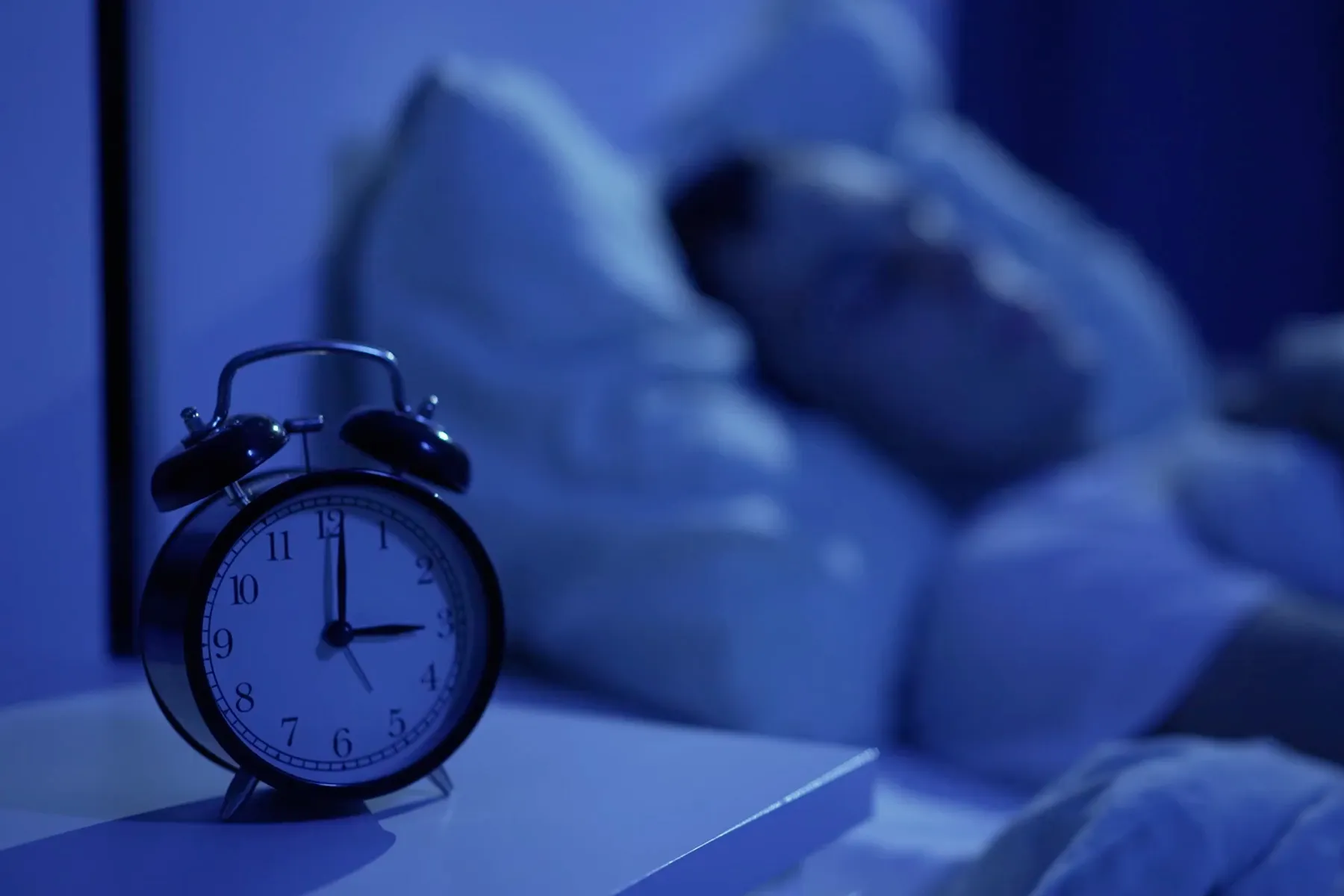
Sleep is the health habit everyone claims to love, yet somehow treats like a suspiciously flexible appointment. We schedule meetings, workouts, grocery runs, dentist visits, school pickups, oil changes, and 17 reminders to buy paper towelsbut bedtime? Bedtime often gets shoved into whatever tiny corner is left after emails, streaming, scrolling, snacking, worrying, and deciding that “just one more episode” is a legally binding contract.
But quality sleep is not a luxury, a weakness, or a reward for finishing your to-do list. It is a biological requirement. Your body uses sleep to repair tissues, regulate hormones, support the immune system, organize memories, steady mood, restore energy, and keep your brain from acting like a browser with 72 frozen tabs open. When sleep becomes an afterthought, overall health pays the billwith interest.
Prioritizing quality sleep for overall health means looking beyond the number of hours spent in bed. Healthy sleep includes enough duration, good sleep quality, consistent timing, and a routine that helps the body move naturally through the stages of rest. In other words, it is not just “being unconscious near a pillow.” It is a full-body maintenance program, minus the awkward waiting room music.
Why Quality Sleep Matters More Than We Admit
Most adults need at least seven hours of sleep per night on a regular schedule. Some people may need closer to eight or nine hours, depending on age, activity level, health conditions, stress, and life stage. Yet many adults routinely sleep less than they need and then try to compensate with caffeine, willpower, and facial expressions that say, “I am fine,” while their brain quietly files a complaint.
During sleep, the body performs essential work. The heart and blood vessels get a chance to recover. The brain processes information and strengthens memory. The immune system releases protective proteins. Hormones involved in appetite, growth, stress, and blood sugar regulation are adjusted. Muscles and tissues repair. Emotional experiences are sorted and softened. Sleep is not downtime; it is prime time for internal housekeeping.
When sleep is short, fragmented, or poorly timed, that maintenance process is interrupted. Over time, insufficient sleep is associated with higher risks of weight gain, obesity, type 2 diabetes, high blood pressure, heart disease, stroke, depression, anxiety, injuries, poor work performance, and impaired immune function. That is a long list, and none of the items come with a complimentary robe.
The Difference Between Sleep Quantity and Sleep Quality
Sleep quantity is the amount of sleep you get. Sleep quality is how restorative that sleep actually is. You can spend eight hours in bed and still wake up feeling like you were lightly toasted in a stress oven if your sleep was repeatedly interrupted, poorly timed, or affected by alcohol, late meals, pain, noise, light, or untreated sleep disorders.
High-quality sleep usually feels refreshing. You fall asleep within a reasonable amount of time, stay asleep most of the night, cycle through the natural stages of sleep, and wake feeling reasonably alert. Not “cartoon bluebird landing on your shoulder” alertlet’s be realisticbut functional enough to remember where you put your keys and why you walked into the kitchen.
Signs You May Not Be Sleeping Well
Your body is usually honest about poor sleep, even when your calendar is not. Common signs include daytime sleepiness, irritability, trouble concentrating, memory lapses, morning headaches, frequent yawning, cravings for sugar or caffeine, low motivation, slower reaction time, and dozing off during quiet activities. If you routinely wake up exhausted after what looks like enough sleep, quality may be the missing piece.
Snoring loudly, gasping during sleep, waking with a dry mouth, restless legs, insomnia lasting for weeks, or dangerous drowsiness while driving are not “quirky sleep personality traits.” They may signal a sleep disorder or health issue that deserves medical attention.
How Sleep Supports Physical Health
Sleep touches nearly every major system in the body. That is why improving sleep can have such a wide impact on overall wellness. It is not a magic cure, but it is one of the most powerful foundations for health.
Sleep and Heart Health
Healthy sleep helps regulate blood pressure, heart rate, inflammation, and stress hormones. During normal sleep, blood pressure often dips, giving the cardiovascular system a nightly break. Poor sleep, short sleep, insomnia, and sleep apnea can interfere with this recovery period. Over time, that can increase strain on the heart and blood vessels.
A consistent sleep schedule also matters. Irregular sleep timing may disturb the body’s circadian rhythm, the internal clock that helps coordinate hormones, metabolism, temperature, digestion, and cardiovascular function. Going to bed at wildly different times every night may feel spontaneous, but your heart is not necessarily applauding the adventure.
Sleep and Metabolism
Sleep affects how the body manages hunger, fullness, insulin, and blood sugar. When you do not sleep enough, appetite hormones may shift in ways that increase cravings and make high-calorie foods more tempting. This is why a sleep-deprived person can look at a salad and think, “Interesting, but what if it were a donut?”
Poor sleep can also reduce insulin sensitivity, making it harder for the body to control blood sugar efficiently. Over time, chronic sleep deficiency may contribute to weight gain and increase the risk of metabolic conditions, including type 2 diabetes.
Sleep and Immune Function
The immune system relies on sleep to work at full strength. While you sleep, the body produces and regulates immune-related substances that help fight infection and manage inflammation. When sleep is consistently poor, immune defenses may become less effective. That does not mean one bad night will doom you to a week of soup and tissues, but chronic sleep loss can make the body less resilient.
How Sleep Protects Mental and Emotional Health
Quality sleep is also deeply connected to mental health. Poor sleep can intensify stress, anxiety, sadness, irritability, and emotional reactivity. A minor inconvenience after a good night’s rest may feel manageable. The same inconvenience after four hours of sleep may feel like a personal attack from the universe.
Sleep helps the brain regulate emotions and process memories. When sleep is disrupted, the emotional centers of the brain may become more reactive while decision-making and impulse control weaken. This combination can turn ordinary problems into dramatic courtroom scenes starring your inner monologue.
Insomnia and other sleep problems commonly occur alongside anxiety, depression, and other mental health conditions. The relationship goes both ways: stress can disturb sleep, and poor sleep can worsen stress. Breaking that cycle often requires treating sleep as part of mental wellness, not as an optional side quest.
The Brain Benefits of Better Sleep
Sleep strengthens learning, memory, creativity, attention, and problem-solving. During sleep, the brain organizes information from the day, stores important memories, and clears away metabolic waste products. Think of it as the overnight cleaning crew for your mindexcept it does not judge the emotional crumbs you left everywhere.
When sleep is poor, concentration becomes harder. Reaction time slows. Mistakes increase. Decision-making gets sloppy. This matters for students, workers, parents, drivers, athletes, caregivers, and anyone who needs to operate a stove without turning dinner into a smoke alarm demonstration.
Sleep Hygiene: The Daily Habits That Make Sleep Easier
Sleep hygiene refers to the behaviors, routines, and environmental choices that support better sleep. It is not about making your bedroom look like a luxury spa, though nobody is stopping you from pretending your $12 candle is “aromatherapy.” It is about creating conditions that help your body recognize when it is time to wind down.
Keep a Consistent Sleep Schedule
One of the most effective sleep habits is going to bed and waking up at about the same time every day, including weekends when possible. A steady wake time is especially helpful because it anchors the circadian rhythm. Your body likes rhythm. It is basically a tiny biological drummer, and it gets annoyed when every day sounds like free jazz.
If your current sleep schedule is chaotic, do not try to fix it overnight. Shift your bedtime or wake time gradually by 15 to 30 minutes until you reach a healthier routine. Consistency beats perfection.
Create a Wind-Down Routine
Your brain needs a runway before sleep. A calming routine can include reading, gentle stretching, deep breathing, a warm shower, journaling, quiet music, prayer, meditation, or preparing clothes and meals for the next day. The goal is to tell your nervous system, “We are landing the plane now.”
Avoid turning bedtime into a negotiation with your phone. Scrolling social media, answering emails, reading news, or watching intense shows can keep the brain alert. Even if your body is tired, your mind may still be chasing comments, headlines, and plot twists like an over-caffeinated raccoon.
Make the Bedroom Cool, Dark, and Quiet
A restful sleep environment matters. Most people sleep better in a cool, dark, quiet room. Blackout curtains, eye masks, earplugs, white noise machines, fans, comfortable bedding, and a supportive mattress can all help. Remove unnecessary light from screens, chargers, alarm clocks, and glowing gadgets. Your bedroom should not look like airport runway lighting.
Use the bed mainly for sleep and intimacy. Working, eating, arguing, watching movies, and paying bills in bed can train the brain to associate the mattress with alertness instead of rest. Nothing says “sweet dreams” like a spreadsheet and crumbs.
Watch Caffeine, Alcohol, and Late Meals
Caffeine can stay active in the body for hours. Coffee, tea, energy drinks, cola, chocolate, and some medications may interfere with sleep, especially when consumed in the afternoon or evening. Sensitivity varies, so pay attention to your own response.
Alcohol may make you feel sleepy at first, but it can disrupt sleep later in the night and reduce restorative sleep quality. Heavy or spicy meals close to bedtime may also cause discomfort, reflux, or frequent waking. If nighttime hunger is a problem, choose a light snack instead of staging a full dinner reunion at 11:47 p.m.
Use Naps Strategically
Naps can be helpful, but timing matters. Long or late-day naps can make it harder to fall asleep at night. For many adults, a short nap earlier in the day works best. If you wake from a long nap wondering what year it is, that may be a sign to keep naps shorter.
Move Your Body During the Day
Regular physical activity supports better sleep, mood, metabolism, and stress management. Walking, strength training, cycling, swimming, yoga, dancing, gardening, or chasing a toddler who has stolen your phone can all count as movement. Vigorous exercise right before bed may be too stimulating for some people, so experiment with timing.
Get Morning Light
Morning light helps set the circadian rhythm. Spending time outdoors early in the day, even for a short walk, can signal wakefulness to the brain and support melatonin timing later at night. Natural light is especially helpful for people who spend most of the day indoors under artificial lighting.
When Sleep Problems Need Professional Help
Sleep hygiene is powerful, but it is not a cure for every sleep problem. If you have ongoing insomnia, loud snoring, choking or gasping during sleep, restless legs, frequent nightmares, unusual sleep behaviors, excessive daytime sleepiness, or trouble functioning despite enough time in bed, talk with a healthcare provider.
Sleep apnea, chronic insomnia, restless legs syndrome, narcolepsy, depression, anxiety, medication effects, pain, hormonal changes, and other medical conditions can all interfere with sleep. Treating the underlying cause may improve both sleep and overall health.
Be cautious with sleep aids and supplements. Melatonin may be useful for certain timing-related sleep issues, such as jet lag or shift work, but it is not a nightly cure-all for chronic insomnia. In the United States, melatonin is sold as a dietary supplement, which means product strength and purity may vary. Anyone considering regular sleep medication or supplements should discuss it with a healthcare professional, especially older adults, pregnant or breastfeeding people, and those taking other medications.
How to Build a Realistic Sleep Plan
The best sleep plan is not dramatic. It is boring in the most beautiful way. Start with one or two changes and repeat them until they become automatic. Trying to become a perfect sleeper in one night usually ends with frustration, overthinking, and possibly rearranging your entire bedroom at midnight.
Step 1: Choose a Wake Time
Pick a wake time you can maintain most days. This creates a stable anchor for your internal clock. Once your wake time is steady, work backward to create enough space for seven or more hours of sleep.
Step 2: Create a Bedtime Buffer
Set a reminder 30 to 60 minutes before bedtime. Use that time to dim lights, put away screens, prepare for tomorrow, and shift into calmer activities. A bedtime alarm may sound childish, but so does arguing with your own tired brain at midnight, and we have all done that.
Step 3: Track What Helps
For one or two weeks, note bedtime, wake time, caffeine timing, exercise, alcohol, naps, screen use, stress, and how rested you feel. Patterns often appear quickly. Maybe caffeine after lunch is your villain. Maybe late-night work emails are the problem. Maybe your dog has been conducting unauthorized blanket theft operations.
Step 4: Protect Sleep Like an Appointment
Treat sleep as a health commitment, not leftover time. You do not need to earn sleep by being productive enough. Rest is part of productivity, emotional balance, physical recovery, and long-term health. A well-rested person does not just feel better; they usually think better, communicate better, eat better, move better, and handle stress with fewer dramatic sighs.
Common Myths About Sleep
Myth 1: “I Can Train Myself to Need Less Sleep”
Some people believe they function perfectly on five or six hours of sleep. A rare few may naturally need less, but most adults do not perform their best with chronic short sleep. Feeling used to fatigue is not the same as being well-rested.
Myth 2: “Weekends Can Erase All Sleep Debt”
Extra sleep after a rough week may help, but it cannot fully cancel the effects of repeated sleep loss. It may also shift your sleep schedule later, making Monday morning feel like a betrayal. The better approach is building a steadier routine across the week.
Myth 3: “Alcohol Helps Sleep”
Alcohol can make falling asleep easier, but it often fragments sleep and reduces quality later in the night. It may also worsen snoring and sleep apnea symptoms. That “nightcap” may be charging interest while you sleep.
Myth 4: “If I Cannot Sleep, I Should Stay in Bed Until I Do”
If you cannot fall asleep after about 20 to 30 minutes, it may help to get out of bed and do something quiet in dim light until you feel sleepy. This helps keep the bed associated with sleep instead of frustration, clock-watching, and mentally replaying an awkward conversation from 2018.
Conclusion: Sleep Is a Health Strategy, Not a Soft Skill
Prioritizing quality sleep for overall health is one of the most practical decisions you can make. It supports the heart, brain, immune system, metabolism, mood, memory, focus, and daily energy. It also makes life feel less like a low-battery warning with shoes on.
You do not need a perfect routine, expensive gadgets, or a bedroom that looks like a magazine photo shoot. Start with the basics: a consistent schedule, a calming wind-down routine, a comfortable sleep environment, morning light, regular movement, and smarter choices around caffeine, alcohol, meals, naps, and screens. Small changes repeated nightly can produce meaningful improvements.
Sleep is not what you do after everything important is finished. Sleep is what helps you do everything important better.
Personal Experience: What Prioritizing Sleep Looks Like in Real Life
The biggest lesson many people learn about sleep is that the problem is rarely just bedtime. It is the entire day leading up to bedtime. A person may say, “I have trouble sleeping,” but their schedule tells a fuller story: coffee at 4 p.m., dinner at 10 p.m., work messages in bed, bright lights until midnight, and then the brave declaration, “Why am I not sleepy?” That is not a mystery. That is a sleep crime scene.
A practical sleep reset often begins with one simple decision: choose a consistent wake time. At first, this may feel unfair, especially on weekends. But after several days, the body starts to understand the pattern. Morning light becomes easier to get. Breakfast happens at a more predictable time. Energy rises earlier. By evening, sleep pressure builds naturally instead of needing to be forced with frustration, snacks, or a dramatic stare at the ceiling.
Another helpful experience is creating a “closing shift” for the day. Just as a restaurant cleans the kitchen before locking the doors, people can close their personal day with a few repeatable steps. Plug in the phone outside the bed, prepare clothes for tomorrow, write down lingering tasks, wash up, dim the lights, and read something that does not involve breaking news, office drama, or an argument in the comment section. The point is not to make life perfect. The point is to stop dragging the entire day under the blanket.
People often underestimate the bedroom environment, too. A cooler room, darker curtains, fewer glowing devices, and a comfortable pillow can make a surprising difference. One tiny light from a charger may not seem like much, but at 2:13 a.m. it can feel like a lighthouse operated by your enemies. Quiet matters as well. If total silence is impossible, a fan or white noise can soften background sounds and make the room feel more predictable.
The hardest part is usually protecting sleep from “just one more thing.” One more email. One more video. One more chapter. One more chore. One more scroll. These choices are easy in the moment because tomorrow’s tired self is not present to object. A useful trick is asking, “Will this still feel worth it at 7 a.m.?” Sometimes the answer is yes. Often, the answer is absolutely not, please hand over the pillow.
Quality sleep also improves relationships in small but powerful ways. A rested person is more patient in traffic, less reactive during conflict, and more capable of listening without turning every sentence into a personal weather event. Better sleep does not make anyone a saint, but it can reduce the number of unnecessary apologies required before lunch.
The experience of prioritizing sleep is not glamorous. It looks like repetition, boundaries, and choosing recovery before exhaustion becomes an emergency. It looks like saying no to late caffeine, putting the phone away, leaving tomorrow’s problems on paper, and giving the body enough time to do its quiet repair work. Over time, the payoff becomes obvious: clearer thinking, steadier mood, better energy, fewer cravings, improved focus, and mornings that feel less like a negotiation with gravity.
The best part is that sleep improvement is adjustable. Parents, shift workers, students, caregivers, and busy professionals may not be able to follow a perfect schedule, but almost everyone can improve one piece of the puzzle. Maybe it is morning sunlight. Maybe it is a shorter nap. Maybe it is turning off screens earlier twice a week. Maybe it is finally talking to a doctor about snoring or insomnia. Progress counts, even when it wears pajamas.
SEO Tags
Note: This article is based on synthesized health guidance from reputable U.S. medical and public health sources, including government health agencies, academic medical centers, sleep medicine organizations, and major nonprofit health institutions.