Primary biliary cholangitis, better known as PBC, is one of those medical conditions with a name that sounds like it wandered out of a graduate-level biology exam. In plain English, PBC is a chronic autoimmune liver disease that slowly damages the small bile ducts inside the liver. Because bile helps digest fat and move waste products out of the body, damaged bile ducts can make nutrition more complicated than simply choosing salad over fries and calling it a day.
The good news? A smart PBC diet does not have to be joyless, beige, or built entirely from steamed sadness. Food cannot cure PBC, and it should never replace treatment prescribed by a liver specialist. However, the right nutrition habits can support liver function, protect bone health, reduce added strain on the body, and help people feel more in control of daily life. Think of nutrition as the dependable co-pilot: it may not fly the whole plane, but you definitely want it awake.
This guide breaks down the practical nutrition dos and don’ts for primary biliary cholangitis, including what to eat, what to limit, how to handle vitamins, why sodium matters, and how to build meals that are realistic for real humans with busy schedules, cravings, budgets, and the occasional dramatic relationship with potato chips.
What Is PBC and Why Does Nutrition Matter?
PBC is a long-term autoimmune condition in which the immune system mistakenly attacks the small bile ducts in the liver. Over time, bile can build up, causing inflammation, scarring, and reduced liver function. Many people are diagnosed before they feel seriously ill, often after routine blood tests show abnormal liver enzymes. Others may experience fatigue, itchy skin, dry eyes, dry mouth, abdominal discomfort, or symptoms related to advanced liver disease.
Nutrition matters because the liver is a metabolic powerhouse. It processes nutrients, stores vitamins, helps regulate cholesterol, supports digestion, filters toxins, and generally behaves like the body’s hardest-working kitchen manager. When PBC affects bile flow, digestion of fats and absorption of fat-soluble vitamins may become less efficient, especially in more advanced disease. People with PBC may also have a higher risk of osteoporosis, making calcium, vitamin D, protein, and weight-bearing activity especially important.
The goal is not to follow a strange “liver detox” trend from the internet. Your liver does not need a juice cleanse wearing a tiny cape. The real goal is balanced, evidence-informed eating: plenty of plants, enough protein, healthy fats, smart carbohydrates, less sodium, limited alcohol, safe food handling, and individualized support from a healthcare team.
The Big Nutrition Picture for PBC
For many people with PBC, the best eating pattern looks similar to a Mediterranean-style diet. That means vegetables, fruits, beans, lentils, whole grains, nuts, seeds, olive oil, fish, lean proteins, and moderate portions of dairy or fortified alternatives. It also means fewer highly processed foods, sugary drinks, heavy fried foods, and oversized portions of saturated fat.
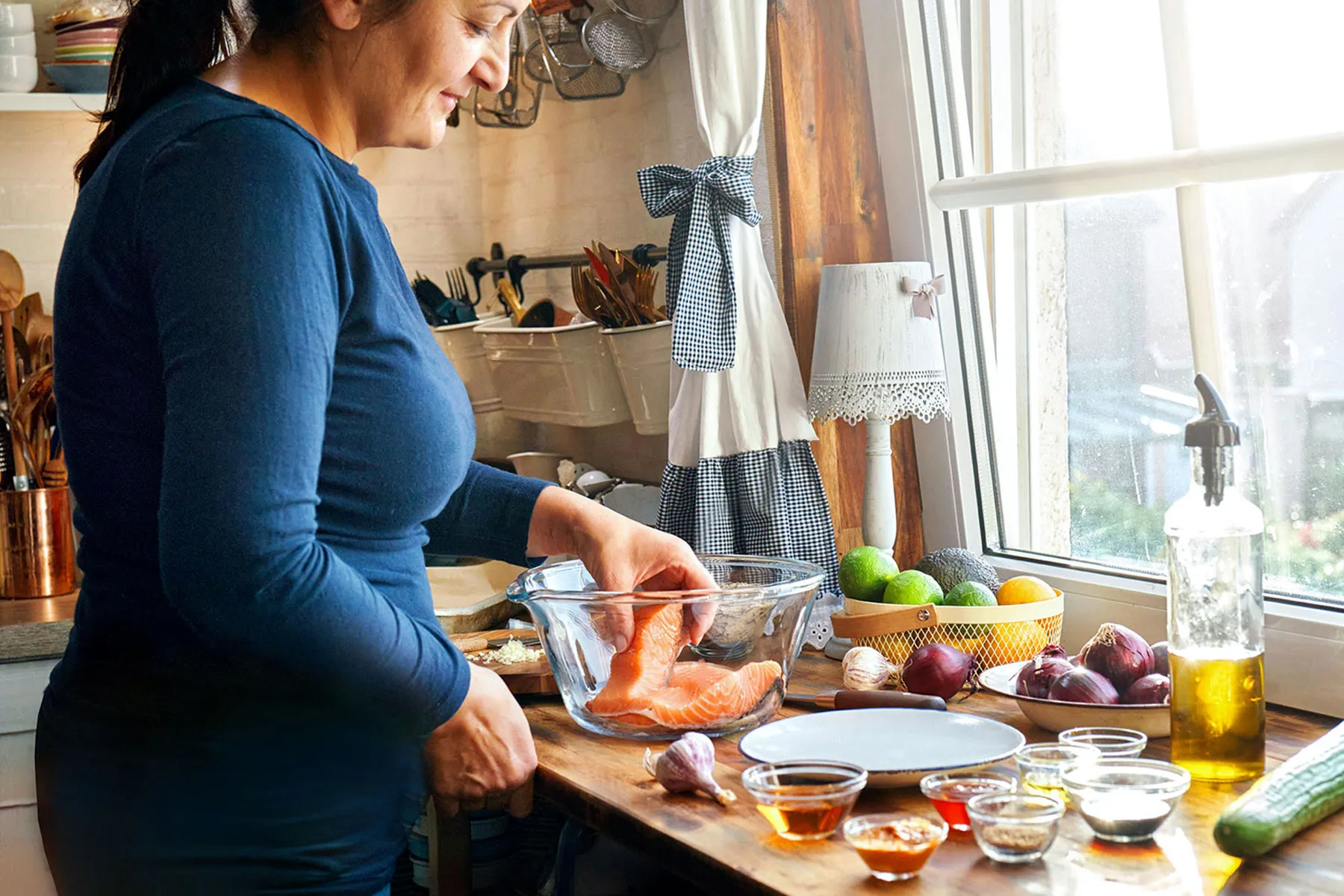
This style of eating works well because it is anti-inflammatory, heart-friendly, fiber-rich, and flexible. It also avoids the trap of turning every meal into a medical spreadsheet. A PBC-friendly plate can still be colorful, satisfying, and delicious. For example, grilled salmon with quinoa, roasted vegetables, and a yogurt-herb sauce is not punishment. It is dinner with a decent publicist.
PBC Nutrition Dos
Do Eat Plenty of Fruits and Vegetables
Fruits and vegetables bring fiber, antioxidants, potassium, vitamin C, folate, and a long list of plant compounds that support general health. For PBC, they are especially useful because they help create a nutrient-dense diet without relying on heavy fats, refined starches, or excess sodium.
A practical target is five or more servings a day. That can sound ambitious until you break it down: berries at breakfast, spinach in a sandwich, carrots with hummus, roasted broccoli at dinner, and an apple after lunch. Suddenly, you are not “on a diet.” You are just eating like someone who has met a vegetable and decided not to file a complaint.
Do Choose Whole Grains and High-Fiber Carbohydrates
Whole grains such as oatmeal, brown rice, quinoa, whole-wheat pasta, barley, and whole-grain bread provide fiber and steady energy. Fiber helps with digestion, supports heart health, and may help manage cholesterol levels. That matters because some people with PBC develop abnormal cholesterol patterns, although PBC-related cholesterol changes do not always behave the same way as typical high cholesterol.
Good carbohydrate choices include oats with fruit, brown rice bowls, lentil soup, whole-grain toast with avocado, or quinoa mixed with vegetables and beans. The don’t-give-me-a-blood-sugar-roller-coaster rule is simple: pair carbohydrates with protein, fiber, and healthy fat whenever possible.
Do Include Lean and High-Quality Protein
Protein helps maintain muscle, supports immune function, and keeps meals satisfying. Good options include fish, skinless poultry, eggs, tofu, tempeh, beans, lentils, Greek yogurt, cottage cheese, and lean cuts of meat. People with advanced liver disease may need individualized protein guidance, but most people with stable PBC should not automatically restrict protein unless their clinician says otherwise.
A simple protein rhythm might look like Greek yogurt at breakfast, lentils at lunch, and fish or tofu at dinner. If fatigue is a major issue, protein-rich snacks can help prevent long stretches without food. A hard-boiled egg, hummus with vegetables, yogurt, or a small handful of nuts can be more useful than trying to power through the afternoon on coffee and stubbornness.
Do Choose Healthy Fats
Fat is not the villain. The type and amount of fat matter. Unsaturated fats, especially omega-3 fats, are generally better choices than heavy amounts of saturated fat. Try olive oil, avocado, walnuts, chia seeds, flaxseed, and fatty fish such as salmon, sardines, or trout.
Because bile helps digest fat, some people with PBC may feel better with moderate portions rather than very high-fat meals. A drizzle of olive oil is different from a fried-food festival. Your liver knows the difference, even if your taste buds try to hire a lawyer.
Do Support Bone Health With Calcium and Vitamin D
Bone health deserves special attention in PBC. People with PBC are at increased risk for low bone density and osteoporosis, especially postmenopausal women and those with advanced cholestatic liver disease. Calcium and vitamin D are key nutrients for maintaining bone strength.
Food sources of calcium include milk, yogurt, cheese, fortified plant milks, calcium-set tofu, canned salmon with bones, kale, bok choy, and fortified orange juice. Vitamin D is found in fortified dairy products, fortified plant milks, fatty fish, egg yolks, and supplements when needed. Many people do not get enough vitamin D from food alone, so blood testing and clinician-guided supplementation may be appropriate.
Do Ask About Fat-Soluble Vitamins
Vitamins A, D, E, and K are fat-soluble, meaning they depend on fat absorption. In early PBC, deficiencies may not be common for everyone. In more advanced disease, especially with jaundice, severe cholestasis, or fat malabsorption, deficiencies become more concerning.
Do not start high-dose supplements on your own. More is not always better, especially with fat-soluble vitamins that can build up in the body. The smarter move is to ask your healthcare provider whether you need testing and whether supplements should be added based on your lab results, symptoms, medications, and disease stage.
Do Stay Hydrated
Hydration supports digestion, circulation, skin comfort, and overall energy. Water, herbal tea, low-sugar flavored water, and broth-based soups can help. If you have fluid retention, ascites, kidney issues, or are taking diuretics, fluid advice may need to be personalized by your clinician.
For everyday hydration, keep a water bottle nearby and make it easy to drink before you feel thirsty. If plain water bores you into a minor existential crisis, add lemon, cucumber, mint, berries, or a splash of unsweetened fruit infusion.
Do Practice Food Safety
People with liver disease can be more vulnerable to severe infections from certain foodborne bacteria and viruses. Avoid raw or undercooked shellfish, raw fish, undercooked meat, undercooked eggs, and unpasteurized milk or cheese. Cook seafood and meats thoroughly, wash produce well, keep cold foods cold, and do not treat leftovers like immortal refrigerator citizens.
This does not mean you must become afraid of food. It simply means smart handling matters. Sushi, raw oysters, and unpasteurized dairy may sound fancy, but for someone with liver disease, they can be riskier than they are worth.
PBC Nutrition Don’ts
Don’t Drink Alcohol Without Medical Guidance
Alcohol places extra stress on the liver. For people with PBC, especially anyone with liver scarring, abnormal liver function, or advanced disease, avoiding alcohol is often recommended. Some people with early, stable disease may be told to limit alcohol strictly rather than avoid it completely, but this should be discussed with a liver specialist.
The safest general advice is simple: do not assume alcohol is harmless just because symptoms are quiet. PBC can progress silently, and your liver is not known for sending polite calendar invitations before problems appear.
Don’t Overdo Sodium
Too much sodium can contribute to fluid retention, swelling, and high blood pressure. If PBC has progressed to cirrhosis, ascites, or edema, sodium restriction may become especially important. Even without fluid retention, reducing sodium is a heart-smart habit.
Common sodium traps include canned soups, deli meats, frozen dinners, fast food, packaged snacks, sauces, pickles, instant noodles, and restaurant meals. Instead of relying on salt, season food with lemon, vinegar, garlic, onion, herbs, spices, smoked paprika, cumin, ginger, or salt-free seasoning blends. Flavor does not have to retire just because sodium gets demoted.
Don’t Build Your Diet Around Fried and Greasy Foods
Fried foods are often high in saturated fat, calories, and sodium. They can also feel heavy, especially for people who have digestive discomfort. Occasional treats may fit for some people, but a regular pattern of fried chicken, fries, pastries, and creamy fast-food meals is not friendly to liver health.
Try baked, grilled, roasted, steamed, or air-fried options instead. Roasted potatoes with olive oil and herbs, baked fish tacos, grilled chicken bowls, and crispy chickpeas can deliver comfort without turning dinner into a grease parade.
Don’t Rely on Sugary Drinks and Refined Carbs
Sugary drinks, candy, pastries, sweet cereals, white bread, and refined snack foods can crowd out nutrients and contribute to weight gain, insulin resistance, and fatty liver risk. PBC is already a liver condition; adding metabolic stress is like asking your liver to juggle while riding a unicycle.
Swap soda for sparkling water with citrus, choose oatmeal instead of sugary cereal, and pair fruit with nuts or yogurt instead of reaching for candy every time energy dips. The goal is not perfection. It is fewer blood sugar roller coasters and more steady fuel.
Don’t Take Random Liver Detox Supplements
This is a big one. Many products marketed as “liver cleanses,” “bile flushes,” or “detox miracles” are not proven to help PBC and may even harm the liver or interact with medications. Natural does not automatically mean safe. Poison ivy is natural. Nobody is putting that in a smoothie for wellness, at least not twice.
Always check with your healthcare provider before taking herbal products, high-dose vitamins, weight-loss supplements, green tea extract pills, bodybuilding supplements, or imported remedies. In PBC, the supplement shelf deserves a raised eyebrow.
Don’t Follow Extreme Diets Without Supervision
Very low-carb diets, very low-fat diets, prolonged fasting, raw-food diets, juice cleanses, and highly restrictive elimination plans can create nutrient gaps. People with PBC need enough calories, protein, vitamins, and minerals to support long-term health.
If weight loss is recommended, gradual and balanced changes are safer than crash dieting. A registered dietitian familiar with liver disease can help create a plan that supports weight goals without sacrificing nutrition.
What a PBC-Friendly Day of Eating Can Look Like
A practical PBC-friendly day might start with oatmeal topped with blueberries, walnuts, and a spoonful of Greek yogurt. Lunch could be a quinoa bowl with chickpeas, cucumbers, tomatoes, greens, olive oil, lemon, and grilled chicken or tofu. A snack might be apple slices with peanut butter or carrots with hummus. Dinner could be baked salmon, roasted sweet potatoes, and steamed broccoli with garlic and lemon.
This pattern provides fiber, lean protein, healthy fats, calcium, antioxidants, and steady energy. It is also flexible. Prefer turkey chili with beans? Great. Want a veggie omelet and whole-grain toast? Excellent. Need a low-effort dinner? Try canned low-sodium beans, microwave brown rice, frozen vegetables, and a quick yogurt sauce. Healthy eating should be realistic enough to survive a Tuesday.
Special Situations: When Diet Needs to Be Personalized
PBC does not look the same for everyone. Someone with early-stage disease and normal digestion may need only a balanced diet and routine monitoring. Someone with advanced disease, severe itching, jaundice, fat malabsorption, osteoporosis, ascites, or unintended weight loss may need more specific nutrition care.
If you have fluid buildup, your clinician may recommend a low-sodium diet. If you have fat malabsorption, you may need adjustments to fat intake and testing for fat-soluble vitamins. If you have osteoporosis, calcium, vitamin D, resistance exercise, and medications may be discussed. If fatigue makes cooking difficult, meal planning may need to focus on easy, high-protein options rather than gourmet ambition.
It is also important to consider related autoimmune conditions. PBC can occur alongside thyroid disease, celiac disease, Sjögren’s syndrome, or other autoimmune disorders. If celiac disease is present, gluten-free nutrition becomes medically necessary. If dry mouth is significant, soft foods, sauces, sugar-free gum, and dental care may matter more than people expect.
Practical Experiences and Real-Life Tips for Living With PBC Nutrition
Living with PBC nutrition is not just about knowing what belongs on a plate. It is about making choices when you are tired, busy, itchy, overwhelmed, traveling, cooking for a family, or staring into the refrigerator like it might reveal the meaning of life. The most helpful experience-based strategy is to simplify. People often do better when they stop trying to design perfect meals and start building repeatable meal templates.
For example, one useful template is the “bowl formula”: choose a whole grain, add a protein, pile on vegetables, include a healthy fat, and finish with a flavorful sauce. Brown rice, salmon, spinach, avocado, and lemon-tahini sauce works. Quinoa, chickpeas, roasted carrots, greens, and yogurt-herb dressing works. Even leftover chicken, frozen vegetables, and microwaveable whole grains can become a liver-friendly meal in less time than it takes to argue with a food delivery app.
Another real-world lesson is that snacks matter. Many people with PBC describe fatigue as one of the most frustrating symptoms. Food does not magically erase fatigue, but going too long without eating can make energy feel worse. Keeping simple snacks nearby can help: Greek yogurt, fruit, nuts, whole-grain crackers, low-sodium cottage cheese, hummus, boiled eggs, or a smoothie with protein. The goal is steady fuel, not a heroic six-hour gap followed by eating half the pantry while standing up.
Restaurant eating also becomes easier with a few habits. Look for grilled, baked, or steamed dishes. Ask for sauces and dressings on the side. Choose vegetables or fruit as sides when available. If sodium is a concern, restaurant meals can be tricky because chefs tend to season with the enthusiasm of someone throwing confetti. Splitting a meal, taking leftovers home, or choosing simpler dishes can help reduce the sodium load.
Grocery shopping is another place where small routines help. A PBC-friendly cart might include leafy greens, berries, apples, frozen vegetables, oats, brown rice, lentils, canned low-sodium beans, salmon, eggs, yogurt, olive oil, nuts, and herbs. Reading labels becomes useful, especially for sodium, added sugar, and saturated fat. You do not need to inspect every package like a detective in a nutrition crime drama, but checking common staples can make a big difference.
One of the most important experiences is learning not to panic over individual meals. A birthday dinner, holiday plate, or slice of cake does not erase your healthy habits. PBC nutrition is about patterns over time. The body responds to what you do most often, not what happened at one barbecue. This mindset reduces guilt and makes healthy eating more sustainable.
It is also wise to create a personal “ask my doctor” list. Useful questions include: Should I avoid alcohol completely? Do I need vitamin D testing? Should my calcium intake be higher? Do I need a bone density scan? Should I meet with a registered dietitian? Are any supplements unsafe with my medications? Should I limit sodium? These questions turn vague worry into practical action.
Finally, remember that PBC nutrition should feel supportive, not punitive. Food is still culture, comfort, family, pleasure, and routine. A smart diet for primary biliary cholangitis is not a prison menu. It is a steady way to help your liver, protect your bones, support energy, and reduce avoidable risks while still enjoying meals that taste like actual food.
Conclusion: The Best PBC Diet Is Balanced, Safe, and Personal
The most effective nutrition approach for PBC is not extreme. It is consistent, balanced, and tailored to your stage of disease. Focus on fruits, vegetables, whole grains, lean proteins, healthy fats, calcium, vitamin D, hydration, and safe food preparation. Limit alcohol, excess sodium, fried foods, sugary drinks, and unapproved supplements. Work with your healthcare team, especially if you have advanced liver disease, bone loss, fat malabsorption, fluid retention, or unexplained weight changes.
PBC may be complicated, but eating well does not have to be. Start with one meal, one grocery swap, one label checked, one extra vegetable, or one conversation with your doctor. Small habits, repeated often, can become a powerful form of daily liver support. Your liver may not send thank-you cards, but it appreciates the effort.
Note: This article is for educational purposes only and is based on current reputable liver-health and nutrition guidance. It should not replace diagnosis, treatment, or personalized dietary advice from a qualified healthcare professional.