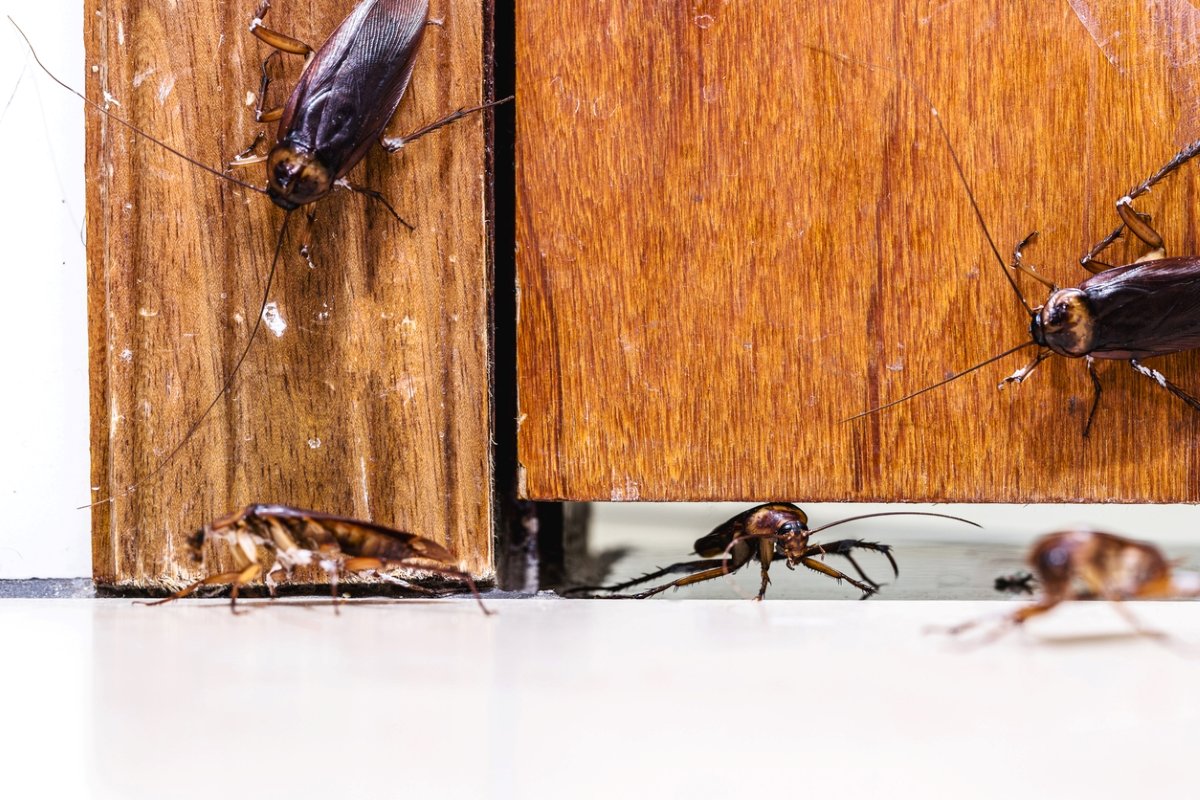
You switch on the kitchen light, spot a large brown insect sprinting across the fdon the house?” If you live in the southern United States, a neighbor may calmly call the intruder a palmetto bug. Someone else will call it a cockroach. Both descriptions may be correct, although one sounds considerably less alarming.
The central difference between a palmetto bug and a cockroach is surprisingly simple: A palmetto bug is a cockroach, but not every cockroach is commonly called a palmetto bug. “Palmetto bug” is an informal regional nickname generally used for large outdoor cockroach species, especially American, smokybrown, and Florida woods cockroaches.
Palmetto Bug vs. Cockroach: The Quick Answer
The word cockroach refers to a broad group of insects that includes thousands of species worldwide. Only a relatively small number regularly invade or infest American homes. By contrast, palmetto bug is not a scientific classification. It is a common name used primarily in the Southeast for certain large cockroaches found near palm trees, leaf litter, wood piles, sewers, and other humid hiding places.
American cockroaches are among the insects most frequently given the nickname. Smokybrown cockroaches and Florida woods cockroaches may also receive the label. Because common names vary by region, two homeowners can use “palmetto bug” for different species and still understand each other perfectly. Entomologists, meanwhile, may quietly reach for another cup of coffee.
| Feature | Palmetto Bug | Cockroach |
|---|---|---|
| Meaning | A regional nickname for several large roach species | A broad group of insects containing many species |
| Scientific category | No | Yes, cockroaches belong to the order Blattodea |
| Typical size | Usually large, often around 1 to 2 inches | Varies greatly by species |
| Typical habitat | Often outdoors in warm, humid environments | May live outdoors, indoors, or in both environments |
| Common examples | American, smokybrown, and Florida woods cockroaches | American, German, Oriental, brown-banded, and many others |
| Can it infest a house? | Some species can, although individual outdoor invaders are common | Depends heavily on the species |
Why Are Cockroaches Called Palmetto Bugs?
The nickname likely developed because large cockroaches are frequently found around palmetto palms and the moist organic debris that collects near them. They shelter beneath bark, leaves, mulch, fallen branches, and decaying wood. In other words, the palmetto tree did not invent the insect; it simply provided excellent real estate.
The term is especially common in Florida, Georgia, South Carolina, and other warm coastal areas. It also performs a little linguistic magic. Saying, “A palmetto bug wandered inside,” sounds like a charming regional wildlife encounter. Saying, “A two-inch cockroach flew at my head,” sounds like a reason to put the property on the market.
Regardless of the nickname, identification matters. An occasional outdoor cockroach that slips through a damaged screen requires a different response from a colony of German cockroaches reproducing behind the refrigerator.
Which Cockroaches Are Known as Palmetto Bugs?
American Cockroach
The American cockroach is the species most closely associated with the name palmetto bug. Adults commonly measure between 1½ and 2 inches long, making them some of the largest cockroaches encountered in U.S. buildings. They have reddish-brown bodies and a pale yellow border or halo-like marking around the shield behind the head.
Despite the name, the species probably originated outside North America. American cockroaches favor warm, damp spaces such as sewers, boiler rooms, basements, utility tunnels, floor drains, commercial kitchens, and crawl spaces. Adults have fully developed wings and may fly or glide, particularly in warm conditions. Their flight technique is less “graceful butterfly” and more “malfunctioning drone.”
One American cockroach indoors may have entered accidentally. Repeated sightings near drains, mechanical rooms, or basement plumbing can indicate a larger population nearby.
Smokybrown Cockroach
The smokybrown cockroach is another large species commonly called a palmetto bug. Its body is usually a uniform, glossy mahogany or dark brown. Unlike the American cockroach, it lacks the obvious pale border around the pronotum, the shield-like plate behind its head.
Smokybrown cockroaches are strongly associated with humid outdoor environments. They shelter in tree holes, gutters, roof overhangs, attics, wood piles, mulch, and landscaping debris. They are capable fliers and may enter through open windows, vents, roof gaps, or doors, particularly when attracted to exterior lighting.
Because these roaches lose moisture easily, they need dependable access to damp shelter. Leaking gutters, clogged roof drains, wet crawl spaces, and dense vegetation against the house can turn a property into a smokybrown resort.
Florida Woods Cockroach
The Florida woods cockroach is a large, dark species native to parts of the southeastern United States. It typically lives outdoors beneath logs, bark, leaf litter, and other decaying organic material. Its wings are reduced, so it does not fly like the American or smokybrown cockroach.
This species is also known for releasing a defensive odor when disturbed, earning it another colorful nickname: the Florida stink roach. Fortunately, it generally does not survive or reproduce successfully inside dry buildings. A Florida woods cockroach in the house is usually a lost outdoor traveler rather than the advance scout for an insect army.
What About German and Oriental Cockroaches?
Not every cockroach should be treated as a palmetto bug. Correct species identification provides valuable clues about where the insects came from and how urgently the problem needs attention.
German Cockroach
German cockroaches are much smaller than the insects usually called palmetto bugs. Adults are approximately ½ to ⅝ inch long, light brown or tan, and marked by two dark parallel stripes behind the head. They prefer warm indoor locations near food and water, including kitchens, bathrooms, appliances, and cabinets.
German cockroaches reproduce rapidly and live primarily inside buildings. Spotting several small roaches, nymphs, or egg cases near kitchen appliances is therefore more concerning than finding one large American cockroach near an exterior door. A large outdoor roach may have made a navigational error. German cockroaches have probably signed a lease.
Oriental Cockroach
Oriental cockroaches are dark brown to nearly black and generally grow to about 1 inch long. They prefer cool, damp areas such as basements, drains, crawl spaces, and areas beneath porches. Their wings are poorly developed, and they do not fly effectively.
These insects are often called water bugs because of their preference for moist habitats. However, “water bug,” like “palmetto bug,” is an imprecise nickname and can create confusion with unrelated aquatic insects.
How to Identify the Roach in Your Home
Before reaching for a spray can, study the insect’s size, color, markings, and location. A clear photograph or a specimen caught on a sticky monitor can help a pest management professional identify it.
- Large and reddish-brown with a pale border behind the head: Probably an American cockroach.
- Large, glossy, and uniformly dark brown: Possibly a smokybrown cockroach.
- Large, very dark, slow-moving, and found near outdoor debris: Possibly a Florida woods cockroach.
- Small, tan, and marked by two dark stripes: Likely a German cockroach.
- Dark, approximately 1 inch long, and found in a damp basement: Possibly an Oriental cockroach.
Placement matters when using sticky traps. Position them flush against walls beneath sinks, behind refrigerators, beside stoves, near water heaters, in bathroom cabinets, and around suspected entry points. Cockroaches tend to follow edges rather than hold committee meetings in the middle of the floor.
Do Palmetto Bugs Mean Your House Is Dirty?
No. Even a clean, well-maintained home can receive an occasional visit from an outdoor cockroach. Heavy rain, drought, falling temperatures, landscaping work, sewer activity, and nearby construction can drive insects from their normal shelter.
However, sanitation affects whether a visiting cockroach stays. Crumbs, grease, open pet food, dripping faucets, cardboard boxes, and overflowing trash provide food, water, and shelter. Cockroaches can survive on tiny residues that humans barely notice. To a hungry roach, the forgotten smear beneath the stove is not dirt; it is a tasting menu.
Frequent sightings, daytime activity, droppings, shed skins, egg cases, or a musty odor can indicate an established population. Seeing young cockroaches is particularly significant because nymphs are less likely than winged adults to have traveled far from their shelter.
Are Palmetto Bugs Dangerous?
Palmetto bugs are not aggressive, and cockroach bites are uncommon. The primary concerns are contamination and allergens. Cockroaches travel through garbage, drains, decaying material, and other unsanitary environments. They can mechanically transfer microbes to food, dishes, counters, and food-preparation surfaces.
Proteins in cockroach droppings, saliva, body fragments, and shed skins can also trigger allergic reactions or worsen asthma symptoms in sensitive people, especially children. Removing an infestation and cleaning contaminated areas can help reduce allergen exposure, although old allergen particles may remain in dust after the live insects are gone.
Discard uncovered food that a cockroach may have contacted. Clean preparation surfaces with an appropriate household cleaner, wash dishes, and avoid sweeping dry droppings into the air. People with asthma or severe allergies should minimize exposure during cleanup and consider professional assistance for a substantial infestation.
How to Get Rid of Palmetto Bugs and Other Cockroaches
1. Remove Food and Water
Store pantry goods and pet food in sealed containers. Wipe counters, clean grease around appliances, wash dishes promptly, empty trash regularly, and vacuum crumbs from cabinet edges. Repair leaking faucets, pipes, refrigerator lines, and air-conditioning drains. Because cockroaches depend heavily on moisture, fixing one slow leak may accomplish more than spraying half the kitchen.
2. Seal Their Entry Routes
Inspect the exterior for cracks around pipes, utility lines, windows, vents, doors, and the foundation. Install door sweeps, repair window screens, cover appropriate vents with insect screening, and seal gaps with a suitable caulk or other building material.
Check rarely used floor drains and plumbing traps. A dry trap can provide a direct route from the drain system into the building. Follow appropriate plumbing guidance for keeping traps filled, and have persistent drain problems inspected.
3. Make the Yard Less Inviting
Move firewood, cardboard, plant pots, and debris away from exterior walls. Rake thick leaf litter, trim vegetation touching the house, and avoid piling mulch directly against the foundation. Clean gutters and correct drainage conditions that leave the soil or crawl space constantly damp.
Outdoor changes are especially important for American and smokybrown cockroaches. Killing one insect indoors does little if dozens are sheltering in a wet gutter above the kitchen.
4. Use Sticky Monitors
Sticky traps help confirm the species, locate travel routes, and measure whether the population is declining. Date each trap and check it regularly. They are monitoring tools rather than a complete solution, but they can reveal more than a random midnight sighting.
5. Consider Baits Instead of Routine Spraying
Properly placed cockroach baits can be more effective than broad surface spraying because foraging insects consume the bait and carry the active ingredient back toward their hiding areas. Place products only where permitted by the label and keep them inaccessible to children and pets.
Avoid spraying repellent insecticides directly around bait placements because the spray may discourage cockroaches from approaching the bait. Total-release foggers, commonly called bug bombs, generally do not reach the deep cracks where cockroaches hide. They may also increase unnecessary pesticide exposure and create fire or explosion risks when used incorrectly.
6. Know When to Call a Professional
Professional treatment is wise when cockroaches appear repeatedly, when nymphs or egg cases are present, when activity occurs during daylight, or when the problem affects multiple units in an apartment building. A licensed pest management professional can identify the species, inspect hidden harborages, choose targeted products, and establish a monitoring plan.
Multi-unit housing requires coordination because cockroaches can travel along plumbing, wiring, hallways, and shared wall voids. Treating one apartment without addressing neighboring activity may provide only temporary relief.
Practical Experiences: What Real-World Encounters Can Teach You
Consider a common summer experience in a southern home. A homeowner walks into the bathroom after midnight and sees one enormous reddish-brown cockroach beside the tub. The insect disappears beneath the door before a shoe can be recruited. The immediate assumption is infestation, but an exterior inspection reveals a torn window screen and damp mulch stacked against the foundation. No nymphs, droppings, or additional adults appear on sticky monitors during the following week. In this situation, the evidence points toward an outdoor American cockroach wandering inside rather than a breeding indoor colony.
A second experience looks similar at first but develops differently. A homeowner finds a large dark cockroach in the attic, then another near an upstairs vent several nights later. Sticky monitors catch additional glossy, uniformly brown adults. Outside, tree branches rest against the roof, leaves fill the gutter, and moisture has damaged part of the soffit. These clues fit smokybrown cockroach behavior. Cleaning the gutter, trimming branches, repairing the soffit, screening openings, and using targeted control near harborages addresses the source more effectively than repeatedly spraying the bedroom floor.
A third household sees tiny tan roaches scatter when the dishwasher opens. Several have two dark stripes behind their heads, and small nymphs appear beneath the refrigerator. Calling these insects palmetto bugs would be misleading. The size, markings, life stages, and indoor location strongly suggest German cockroaches. Because this species breeds rapidly inside, the response must be more aggressive: detailed sanitation, carefully placed baits, monitoring, treatment of cracks and appliance areas, and often professional help. Waiting for them to “wander back outdoors” is optimistic in the way that leaving cookies beside the fireplace is a retirement strategy.
Apartment residents often have another frustrating experience. They keep a spotless kitchen yet continue catching cockroaches near the sink. The source may be a neighboring unit, shared plumbing penetration, trash area, or utility chase. This illustrates why cockroach activity is not always a verdict on housekeeping. Sealing gaps around pipes, documenting trap counts, notifying property management, and coordinating building-wide treatment may be essential.
Finally, many homeowners learn that pesticide volume is not the same as pest-control quality. One person may spray every baseboard, set off foggers, and still see roaches because the products never reach the damp wall void or outdoor shelter. Another may achieve better results by repairing a leak, sealing two utility gaps, removing cardboard, placing a few labeled bait stations correctly, and monitoring activity for several weeks.
The practical lesson from these experiences is to treat the cause, not merely the insect standing in front of you. Size and markings help identify the species. The location reveals what it needs. Nymphs and repeated sightings suggest reproduction. Building defects explain entry. Once those clues are combined, the difference between a random palmetto bug and a genuine cockroach infestation becomes much easier to recognize.
Final Verdict: Is a Palmetto Bug Really a Cockroach?
Yes. A palmetto bug is a cockroach wearing a friendlier regional nickname. The term most often describes large species such as the American cockroach, smokybrown cockroach, or Florida woods cockroach. These insects frequently live outdoors but may enter homes through drains, roof gaps, doors, windows, vents, and foundation cracks.
The most important question is not whether the insect deserves the palmetto bug label. It is whether you are dealing with one outdoor visitor or an indoor breeding population. Identify the species, monitor activity, remove food and moisture, seal entry points, reduce outdoor shelter, and use targeted control methods. When small roaches, nymphs, egg cases, daytime activity, or repeated sightings appear, bring in a licensed professional before the insects begin treating your kitchen like an all-inclusive resort.