Few modern tragedies are as dramatic, ridiculous, and preventable as standing by the front door, already late, patting every pocket like you are conducting a full-body percussion concert. Your keys were “right here.” They were “literally just in your hand.” Then, somehow, they vanished into the same mysterious dimension that collects socks, phone chargers, and the motivation to fold laundry.
The good news? You do not need a photographic memory, a butler, or a detective with a magnifying glass to stop losing your keys. You need a system. More specifically, you need a small combination of habits, home organization, visual cues, and smart tools that make your keys either impossible to forget or embarrassingly easy to find.
This guide explains how to stop losing keys using practical routines, entryway organization, Bluetooth key trackers, backup plans, and a few delightfully simple tricks. Think of it as key management for real people: busy people, distracted people, parents, commuters, students, renters, homeowners, and anyone who has ever checked the refrigerator for their keys “just in case.”
Why We Lose Keys So Easily
Keys are small, important, and usually handled during transitions. That is the perfect recipe for misplacement. You come home while carrying groceries, answering a message, greeting the dog, and wondering whether you remembered to buy coffee. Your brain is not creating a strong memory of where the keys landed. It is trying to survive the hallway traffic jam.
Most lost-key situations are not really memory failures. They are system failures. When your keys do not have a consistent home, every flat surface becomes a possible landing pad. Kitchen counter? Maybe. Couch cushion? Perhaps. Bathroom shelf? Weird, but not impossible. Laundry basket? Congratulations, your keys are now doing a spin cycle.
The Real Problem: No Dedicated Place
If your keys sometimes live in your purse, sometimes on the table, sometimes in yesterday’s jacket, and sometimes in the cup holder of the car, your brain has to run a search program every time you leave the house. That is exhausting and unreliable. A dedicated key spot removes the guesswork.
The simplest rule is this: your keys should have only two acceptable locations. They are either with you or in their assigned home. No side quests. No temporary resting spots. No “I’ll just put them here for one second,” because that second is where chaos builds its little nest.
Create a Key Drop Zone That Actually Works
A key drop zone is a small, obvious place where your keys go the moment you enter your home. It can be fancy, minimalist, rustic, colorful, or held together with command strips and hope. Style matters less than consistency.
Best Places for a Key Drop Zone
The best key drop zone is located where your natural path already takes you. If you always enter through the front door, place it there. If you come in through the garage, put it near that entrance. If you use a side door, do not create an elegant key station by the front door just because it looks good in photos. Your keys do not care about interior design. They care about convenience.
Good options include a small bowl on an entryway table, a wall-mounted key hook, a tray near the door, a basket on a shelf, a magnetic strip, or a mini command center with space for keys, sunglasses, mail, and wallet. The goal is to make the landing spot visible and effortless.
Make It Obvious, Not Clever
A hidden drawer may look tidy, but if you are prone to losing keys, hidden storage can work against you. Choose a solution you can see instantly. A bright bowl, labeled hook, or attractive tray gives your brain a visual cue. When you walk in, the key spot practically waves and says, “Put them here, hero.”
If you share a home, give each person their own hook or section. Labeling may feel excessive until Monday morning, when everyone is trying to leave and nobody has accidentally taken the wrong set of keys. Labels are not bossy. Labels are peace treaties.
Build a Habit Around Your Keys
Organization gives your keys a home. Habit makes sure they actually go there. The trick is to attach the key routine to something you already do automatically.
The Doorway Rule
Try this: every time you walk through the door, say, “Keys home,” and place them in the drop zone before doing anything else. Yes, saying it out loud may feel silly. But silly works. Verbal cues help interrupt autopilot, especially when you are tired or distracted.
Another version is the “hands empty last” rule. Before putting down groceries, mail, coffee, or your bag, put away your keys first. Keys are priority cargo. Everything else can wait three seconds.
The Leaving Check
Create a quick exit checklist: phone, wallet, keys, glasses, bag. Keep it short. A checklist with 17 items will be ignored by Thursday. A five-item check is easy to repeat at the door, in the car, or before leaving a restaurant.
For extra reliability, place a small note near the door for two weeks. After that, the routine often becomes automatic. The note does not need to be poetic. “Keys?” is enough. Your future self will appreciate the tiny interrogation.
Make Your Keys Harder to Misplace
Sometimes the problem is not that your keys are lost. It is that they are visually invisible. A plain key ring on a cluttered counter is a camouflage champion. Make your keys larger, brighter, noisier, or easier to grab.
Use a Big, Bright Keychain
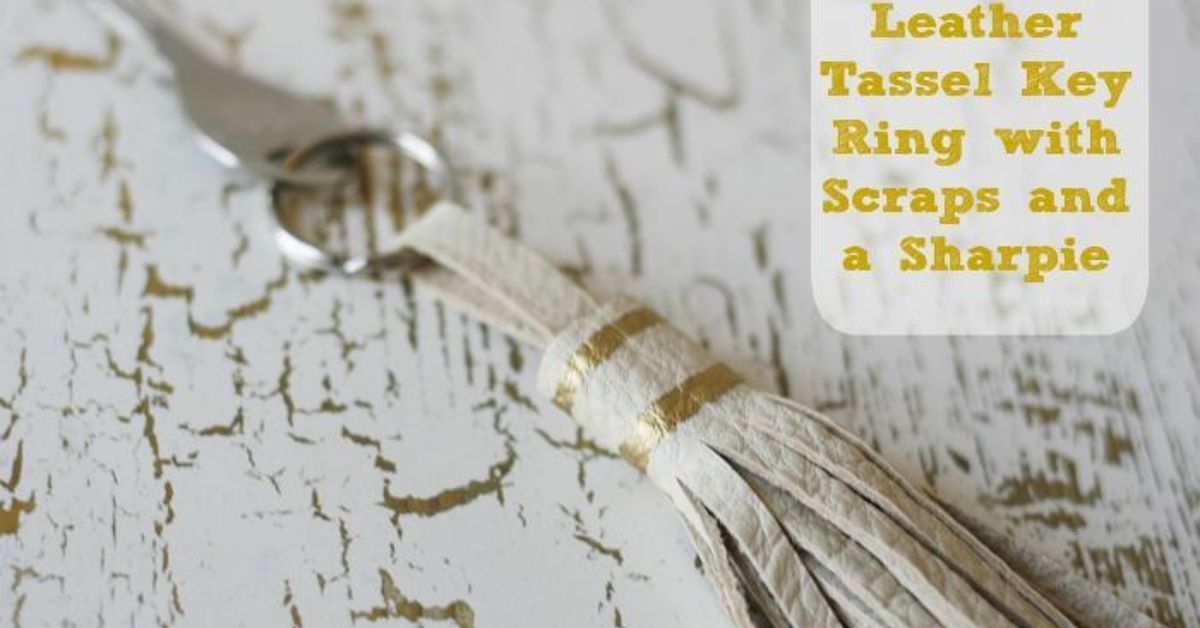
A colorful keychain, wrist strap, lanyard, leather loop, or bold carabiner makes your keys easier to spot in a purse, backpack, drawer, or couch crack. Choose something noticeable but not so bulky that you stop using it. The perfect keychain is large enough to find and small enough to live with.
If you often drop keys into a bag, use a clip. Attach the keys to an inside pocket, zipper pull, or bag strap. This prevents the classic purse excavation, where you dig past receipts, lip balm, snacks, headphones, and one ancient mint before finding your keys at the bottom.
Separate Essential Keys From Key Clutter
A giant key ring can become a janitor-worthy collection of mystery metal. If you carry keys you rarely use, remove them. Keep daily keys light and easy to manage. Store spare, seasonal, or rarely used keys in a labeled container at home.
For example, your daily ring may include your house key, car key, mailbox key, and office fob. The key to a shed you visit twice a year does not need to commute with you every day like it has a full-time job.
Use a Bluetooth Key Tracker
If you lose your keys often, a Bluetooth key tracker can be a sanity-saving upgrade. These small devices attach to your keychain and connect to a smartphone app. Depending on the tracker and phone ecosystem, you may be able to ring the tracker, view its last known location, use nearby finding features, or rely on a broader device network to help locate it.
Popular Key Tracker Options
Apple AirTag is a strong option for iPhone users, especially those who can use precision-style nearby finding features with supported devices. Tile trackers are widely known, work with iOS and Android through the Tile app, and are useful for ringing keys within Bluetooth range or checking last known locations. Google’s Find My Device network supports compatible Bluetooth tags for Android users, including trackers designed for keys, wallets, and luggage. Samsung Galaxy SmartTag devices are designed for users in the Samsung ecosystem.
The best key finder depends on your phone, your budget, your privacy preferences, and how you usually lose things. If your keys are usually under a pillow, nearly any ringable tracker can help. If you tend to leave them at coffee shops, gyms, or friends’ homes, a tracker with a large finding network may be more useful.
What Key Trackers Can and Cannot Do
A tracker is not magic. Many Bluetooth trackers are not real-time GPS devices. Walls, distance, phone settings, dead batteries, and environmental interference can affect performance. Still, even imperfect tracking is better than crawling around the living room while muttering at furniture.
Before relying on a tracker, test it. Ring it from the app. Check the sound level. Learn what the map shows. Replace or recharge the battery when needed. Enable notifications if available. A tracker you never set up is just a decorative anxiety coin.
Design a Backup Plan Before You Need One
Even the best system can fail. A backup plan turns a bad morning into a mild inconvenience instead of a full dramatic production.
Keep a Spare Key Safely
Give a spare key to someone you trust, such as a nearby family member, close friend, or neighbor. If you use a lockbox, choose a secure model and place it discreetly. Do not hide a key under the doormat unless you also want to leave burglars a welcome gift.
For car keys, check your replacement options before an emergency. Modern key fobs can be expensive and may require programming. Knowing the process ahead of time can save stress, money, and frantic searches for “car key replacement near me” while standing in a parking lot.
Take a Photo of Important Key Codes
Some keys, locks, or fobs may come with identifying numbers or replacement information. Store that information securely in a password manager or another safe place. Do not post key details online, and do not keep sensitive access information in an obvious note called “KEYS!!!” on your phone.
Special Situations: Cars, Kids, Roommates, and Bags
Different lifestyles need different key systems. A commuter, parent, student, and remote worker may all need slightly different routines.
For Car Keys
Car keys deserve a prime location because losing them can derail an entire day. Keep them on a specific hook or tray, not in jacket pockets. If you rotate bags or coats, make a rule that car keys never stay in fabric overnight. Fabric pockets are where keys go to become legends.
For Families
Create a family command center near the main entrance. Use hooks for keys and bags, baskets for school items, and a simple message board for reminders. Children can learn the habit too. Make it visual, low enough for them to reach, and easy to use. The more complicated the system, the faster it becomes modern art with backpacks on the floor.
For Shared Apartments
Roommates should avoid one messy communal key pile. Use separate hooks or labeled trays. If there is one shared mailbox key, attach it to a bright tag and return it to the same place immediately after use. Shared keys require shared discipline, which is slightly less fun than shared pizza but much more useful.
For Bags and Purses
Use a key leash, clip, or dedicated pocket. Do not let keys roam freely. A simple clip turns your bag from a black hole into a functioning storage tool. When switching bags, move keys first, not last.
Declutter the Areas Where Keys Disappear
Keys vanish more easily in cluttered spaces. If every table is covered with mail, receipts, chargers, sunglasses, and mystery screws, your keys have too many hiding places. You do not need a perfect home. You need fewer landing zones competing for attention.
Clear the First Five Feet
The first five feet inside your main entrance matter most. That is where keys, bags, shoes, mail, and daily clutter collide. Add hooks, a tray, a small shelf, or a narrow table. Remove items that do not belong there. If the space is tiny, use vertical storage. Wall hooks can do heroic work without taking up floor space.
Do a Nightly Reset
Spend five minutes each evening returning keys, wallet, bag, and essentials to their places. This is not a full cleaning session. It is a launchpad reset. Tomorrow morning starts better when tonight’s version of you has already done the boring but beautiful work.
When Losing Keys Might Mean Something More
Misplacing keys occasionally is normal. Everyone does it. However, if memory problems become frequent, worsen over time, interfere with daily responsibilities, or include confusion about familiar tasks or places, it may be worth speaking with a healthcare professional. Losing keys alone is usually not cause for panic, but patterns matter.
Also consider stress, sleep, multitasking, and distraction. Tired brains misplace things. Overloaded brains misplace things. Brains trying to answer emails while carrying groceries and planning dinner absolutely misplace things. Better routines help, but so does giving your attention fewer jobs at once.
A Simple 7-Day Plan to Stop Losing Your Keys
Day 1: Choose One Key Home
Pick a bowl, hook, tray, or shelf near your main entrance. Make it visible and easy to reach.
Day 2: Remove Key Ring Clutter
Take off keys you rarely use. Add a bright keychain or clip.
Day 3: Practice the Doorway Rule
Every time you enter, put your keys in their home before doing anything else.
Day 4: Add a Reminder
Place a small note near the door that says “Keys?” Keep it there for at least two weeks.
Day 5: Set Up a Tracker
If needed, attach a Bluetooth key finder and test the app, sound, and battery status.
Day 6: Create a Backup
Make a spare key plan with a trusted person, secure lockbox, or documented replacement process.
Day 7: Reset the Entryway
Clear clutter around your key area. Keep only daily essentials nearby.
Real-Life Experiences: What Finally Made My Keys Behave
For years, my keys had the lifestyle of a tiny celebrity: unpredictable appearances, dramatic disappearances, and absolutely no respect for schedules. I would come home, drop them somewhere “obvious,” and then spend the next morning accusing innocent furniture. The couch was suspicious. The kitchen counter looked guilty. One time, I found them in a grocery bag beside the onions, which felt less like misplacement and more like a cry for help.
The first thing that changed everything was admitting that memory was not the best tool for the job. I used to think, “I’ll remember where I put them.” That sentence has ruined more mornings than bad coffee. So I created a small key tray beside the door. Nothing fancy. Just a tray with enough personality to catch my eye. The rule was simple: keys go there before shoes come off, before messages get answered, before snacks happen. Especially before snacks happen.
At first, I had to force the habit. I put a sticky note on the door that said “KEYS LIVE HERE.” It looked slightly intense, like my apartment had hired a security manager, but it worked. After about two weeks, my hand started moving toward the tray automatically. The best part was not just finding my keys faster. It was removing one tiny daily stressor. Mornings felt less like emergency drills.
Then I added a bright keychain. This helped more than expected. My old key ring was small, dark, and apparently trained in stealth operations. The new one was colorful enough to spot inside a bag, under papers, or beside the coffee maker. It also made the keys easier to grab when my hands were full.
A Bluetooth tracker became my backup plan. I did not need it every day, but when I did, it felt like having a polite little rescue team. Once, the app helped me realize my keys were still in the jacket I wore the night before. Another time, I rang the tracker and heard the faint sound coming from under a stack of mail. Without the tracker, I would have blamed the couch again. The couch deserved an apology.
The biggest lesson is that the best key system is not one dramatic solution. It is a stack of small protections. A dedicated spot prevents most problems. A bright keychain makes keys easier to see. A tracker helps when habits fail. A spare key plan keeps one mistake from becoming a crisis. Together, these changes make losing keys much harder.
And no, the system is not perfect. Real life is messy. Some days you enter the house carrying takeout, three bags, and the emotional weight of traffic. But a simple system catches you when your attention wanders. That is the secret: do not try to become a flawless person. Build a setup that works even when you are tired, distracted, late, or thinking about tacos.
Conclusion
You may never become the kind of person who glides through life with perfectly alphabetized drawers and a serene relationship with time. That is fine. You do not need perfection to stop losing your keys. You need a repeatable system: one visible key home, one simple habit, one easy-to-spot keychain, one optional tracker, and one backup plan.
The real goal is not just to never lose your keys again. It is to make them harder to misplace, faster to find, and less capable of ruining your morning. Give your keys a home, train your routine, and let technology help when your brain has too many tabs open. Your future self, standing calmly by the door with keys in hand, will thank you.