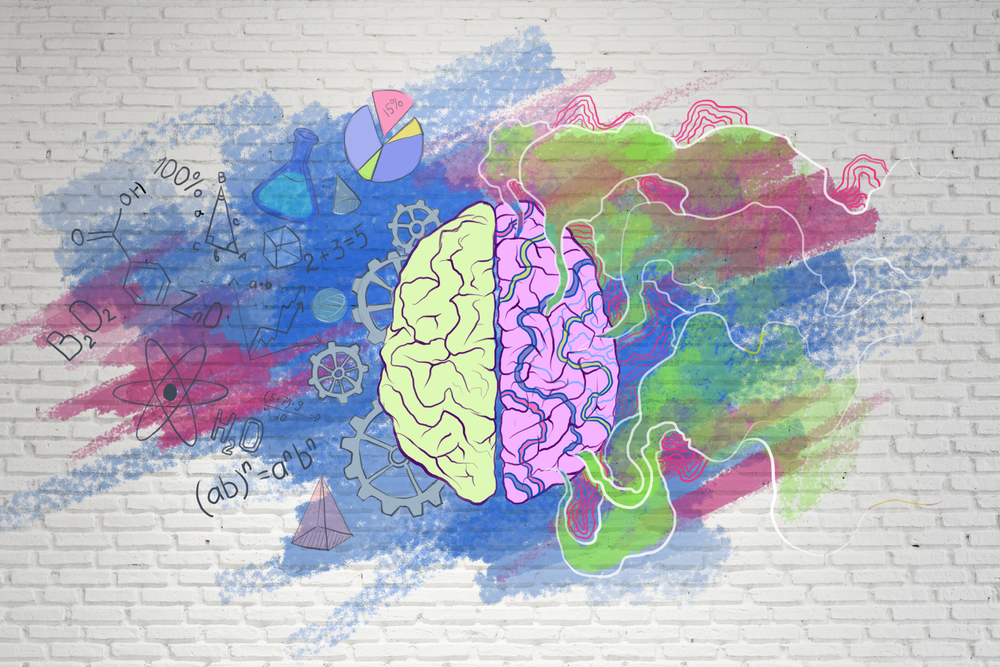
Neurocognitive disorders, once commonly called organic brain syndrome, describe a group of conditions that affect memory, attention, language, judgment, learning, behavior, and daily functioning because of changes in the brain or body. In plain English: the brain’s “control panel” is not running as smoothly as it used to, and the cause is medical, neurological, metabolic, toxic, traumatic, or degenerativenot simply “stress,” “personality,” or “getting older.”
The term organic brain syndrome sounds like something from an old medical textbook that also recommends “fresh air and mysterious tonics.” Today, clinicians usually use the term neurocognitive disorder, which is more precise and less stigmatizing. These disorders may be mild, major, sudden, temporary, progressive, or partly reversible depending on the cause. Some people improve when the underlying problem is treated. Others need long-term support, medication, safety planning, and compassionate care.
What Are Neurocognitive Disorders?
A neurocognitive disorder is an acquired decline in cognitive ability. “Acquired” matters because the person previously had a higher level of functioning. This separates neurocognitive disorders from developmental conditions that begin earlier in life. The decline may affect one or more cognitive domains, including memory, attention, executive function, language, visual-spatial skills, learning, processing speed, and social understanding.
Neurocognitive disorders are not one single disease. They are an umbrella category. Under that umbrella are conditions such as Alzheimer’s disease, vascular dementia, Lewy body dementia, frontotemporal dementia, traumatic brain injury-related cognitive impairment, delirium, cognitive changes from Parkinson’s disease, infections, vitamin deficiencies, medication effects, and metabolic problems.
Why “Organic Brain Syndrome” Became an Older Term
Organic brain syndrome was historically used to describe mental changes caused by physical disease or injury affecting the brain. The problem is that the phrase became too broad and sometimes confusing. Modern medicine prefers terms that describe severity, timing, and cause. For example, instead of saying “organic brain syndrome,” a clinician may say “major neurocognitive disorder due to Alzheimer’s disease” or “delirium due to infection.” That wording gives everyone a clearer map instead of a foggy weather report.
Types of Neurocognitive Disorders
1. Delirium
Delirium is a sudden change in attention, awareness, and thinking. It may develop over hours or days. A person may seem confused, unusually sleepy, agitated, disoriented, or unable to follow a conversation. Delirium is common in older adults during illness, hospitalization, surgery recovery, dehydration, medication changes, or infection.
Delirium is urgent because it often signals that something serious is happening in the body. Unlike many dementias, delirium can improve when the trigger is found and treated. A urinary tract infection, pneumonia, low oxygen, severe pain, alcohol withdrawal, medication side effects, or abnormal blood chemistry can all be possible culprits.
2. Mild Neurocognitive Disorder
Mild neurocognitive disorder means thinking skills have declined beyond what is expected with normal aging, but the person can still manage daily life with little or no help. They may use more reminders, write more notes, or take longer to handle tasks. This category overlaps with what many people know as mild cognitive impairment.
Some people with mild cognitive impairment remain stable for years. Some improve if the cause is treatable, such as poor sleep, depression, medication effects, vitamin B12 deficiency, thyroid problems, or uncontrolled health conditions. Others progress to dementia. That is why early evaluation matters: it gives people more time to understand the cause, adjust routines, and plan wisely.
3. Major Neurocognitive Disorder
Major neurocognitive disorder is the clinical term that often corresponds to dementia. It means cognitive decline is significant enough to interfere with independence. A person may need help managing medications, finances, meals, transportation, appointments, hygiene, or home safety.
Major neurocognitive disorder can be caused by several diseases. Alzheimer’s disease is the best known, but it is not the only one. Vascular disease, Lewy body disease, frontotemporal degeneration, Parkinson’s disease, Huntington’s disease, traumatic brain injury, and other neurological conditions can also lead to major cognitive decline.
Common Symptoms of Neurocognitive Disorders
The symptoms depend on the cause and the part of the brain affected. Memory loss gets the spotlight, but it is not the whole show. Some people remember names fairly well yet struggle with planning, judgment, language, or visual perception.
Memory and Learning Problems
A person may repeat questions, misplace items, forget recent conversations, miss appointments, or struggle to learn new information. Everyone forgets why they walked into a room sometimes; that is practically a human membership card. The warning sign is when memory problems become frequent, disruptive, or noticeable to others.
Attention and Concentration Issues
People may lose track of conversations, become overwhelmed by multitasking, or have trouble following a recipe, TV plot, or set of instructions. In delirium, attention problems are often dramatic and fluctuate throughout the day.
Executive Function Changes
Executive function is the brain’s project manager. It helps with planning, organizing, problem-solving, decision-making, and self-control. When this system weakens, a person may struggle with paying bills, managing medications, cooking safely, shopping, driving, or making reasonable choices.
Language and Communication Changes
Some people have trouble finding words, following complex speech, naming objects, writing clearly, or understanding jokes and sarcasm. Conversations may become slower or more frustrating, especially in noisy places.
Visual-Spatial Problems
Visual-spatial symptoms can include getting lost in familiar areas, misjudging distance, trouble reading maps, difficulty parking, or problems recognizing objects. These symptoms may appear in several forms of dementia and can affect driving safety.
Mood, Personality, and Behavior Changes
Neurocognitive disorders can affect emotion and behavior. A person may become anxious, depressed, suspicious, impulsive, apathetic, irritable, socially inappropriate, or unusually withdrawn. These changes can be painful for families because the person may seem “not like themselves.” The behavior is not simply stubbornness; it may reflect changes in brain networks that regulate emotion, judgment, and inhibition.
Causes and Risk Factors
Neurocognitive disorders have many possible causes. Some are progressive, some are temporary, and some are partially reversible. A careful diagnosis is essential because treatment depends on the root problem.
Neurodegenerative Diseases
Alzheimer’s disease, Lewy body dementia, frontotemporal dementia, Parkinson’s disease dementia, and Huntington’s disease are examples of neurodegenerative conditions. These diseases involve gradual changes in brain cells and brain communication. Symptoms usually progress over time, although the speed and pattern vary from person to person.
Vascular Problems
Vascular cognitive impairment happens when blood flow to the brain is reduced or disrupted. Strokes, small vessel disease, high blood pressure, diabetes, high cholesterol, smoking, and heart disease can contribute. Symptoms may appear suddenly after a stroke or gradually after many small injuries to brain blood vessels.
Traumatic Brain Injury
Head injuries can affect attention, memory, mood, sleep, and processing speed. A single severe injury or repeated head trauma may increase the risk of long-term cognitive problems. Evaluation is especially important when symptoms continue after the expected recovery period.
Infections, Immune Conditions, and Metabolic Problems
Some infections, autoimmune conditions, thyroid disorders, liver or kidney disease, low oxygen, vitamin deficiencies, and abnormal blood chemistry can affect cognition. These causes are important because treating the underlying condition may improve thinking.
Medication, Alcohol, and Toxin Effects
Certain medications can worsen confusion, especially in older adults or people taking several prescriptions. Sedatives, some sleep aids, strong pain medicines, anticholinergic drugs, and medication interactions can all play a role. Heavy alcohol use and exposure to toxins such as lead or mercury may also damage cognitive function.
How Neurocognitive Disorders Are Diagnosed
There is no single magic test that answers every question. Diagnosis is usually a careful puzzle, and the clinician is trying to determine three things: whether cognition has changed, how severe the change is, and what is causing it.
Medical History and Family Input
The evaluation often begins with a detailed history. The clinician may ask when symptoms started, whether they came on suddenly or gradually, what daily tasks are affected, what medications are being used, and whether there are changes in mood, sleep, movement, or behavior. Input from family or close friends can be extremely helpful because people with cognitive changes may not notice every symptom.
Cognitive Screening and Neuropsychological Testing
Brief screening tools can check memory, attention, language, and problem-solving. More detailed neuropsychological testing may be recommended when the diagnosis is unclear, symptoms are subtle, or work, school, legal, or driving decisions are involved.
Laboratory Tests and Brain Imaging
Blood tests may look for thyroid disease, vitamin deficiencies, infection, inflammation, liver or kidney problems, and other medical contributors. Brain imaging, such as MRI or CT, may help detect strokes, tumors, fluid buildup, injury, or patterns of brain shrinkage. In some cases, specialists may use advanced testing or biomarkers to evaluate Alzheimer’s disease or other conditions.
Ruling Out Look-Alike Conditions
Depression, anxiety, grief, poor sleep, hearing loss, vision problems, medication side effects, and chronic pain can all mimic or worsen cognitive symptoms. This does not mean symptoms are “not real.” It means the brain is a team player, and when the body is struggling, thinking can suffer too.
Treatment and Management
Treatment depends on the cause. The goal is to treat reversible contributors, slow progression when possible, support independence, reduce distress, and protect quality of life.
Treating Reversible or Contributing Conditions
If cognitive symptoms are linked to infection, dehydration, sleep apnea, medication side effects, thyroid disease, vitamin deficiency, depression, or uncontrolled diabetes or blood pressure, addressing those issues can make a meaningful difference. Sometimes the “brain problem” is partly a body problem wearing a brain disguise.
Medications
For some types of dementia, clinicians may prescribe medications that support memory and thinking symptoms, such as cholinesterase inhibitors or memantine. For early Alzheimer’s disease in selected patients, newer anti-amyloid treatments may be considered by specialists after careful testing and risk discussion. These treatments are not appropriate for everyone and require monitoring.
Therapy, Routines, and Environmental Support
Occupational therapy, speech-language therapy, physical therapy, and cognitive rehabilitation may help people adapt. Practical tools often work better than heroic willpower. Calendars, pill organizers, labeled drawers, simplified routines, automatic bill pay, GPS tools, reminder apps, and safer home layouts can reduce stress.
Caregiver Education and Support
Care partners need information, patience, and backup. Neurocognitive disorders affect households, not just individuals. Support groups, respite care, social work, legal planning, and caregiver training can prevent burnout. The best care plan protects both the person with symptoms and the people helping them.
Prevention and Brain-Healthy Habits
Not every neurocognitive disorder can be prevented, and no lifestyle habit gives the brain a superhero cape. Still, research strongly supports managing risk factors that affect brain health. The same habits that protect the heart often help protect the brain.
Manage Blood Pressure, Diabetes, and Cholesterol
Healthy blood vessels support healthy brain function. High blood pressure, diabetes, and high cholesterol can damage blood vessels over time and increase the risk of cognitive decline. Regular checkups and consistent treatment can reduce risk.
Move Your Body
Physical activity supports blood flow, mood, sleep, balance, and overall health. Walking, swimming, cycling, dancing, strength training, gardening, or chair exercises can all count. The best exercise is the one a person can do safely and regularly.
Protect Sleep, Hearing, and Social Connection
Poor sleep can worsen memory and attention. Untreated hearing loss can increase isolation and make the brain work harder during conversation. Social connection, hobbies, learning, music, volunteering, and meaningful routines may help maintain cognitive reserve.
Eat for Long-Term Brain Health
Brain-friendly eating patterns often emphasize vegetables, fruits, whole grains, beans, nuts, fish, olive oil, and limited ultra-processed foods. A Mediterranean-style or DASH-style approach is commonly recommended for heart and brain health. No single blueberry is going to save civilization, but a consistent pattern can help.
When to Seek Medical Help
Seek medical evaluation when memory loss, confusion, personality changes, poor judgment, trouble managing daily tasks, or language problems become noticeable or persistent. Early assessment can identify treatable causes and create a plan before a crisis occurs.
Seek urgent medical care if confusion appears suddenly, especially with fever, weakness, severe headache, chest pain, difficulty breathing, new trouble speaking, facial drooping, severe drowsiness, a fall, or signs of stroke. Sudden cognitive change is not something to “sleep off.” The brain deserves faster customer service than that.
Living With Neurocognitive Disorders: Practical Experiences and Real-Life Lessons
Families often describe the first stage of a neurocognitive disorder as confusing because the changes are easy to explain away. A parent forgets a birthday and everyone says, “They have a lot on their mind.” A spouse burns dinner twice and jokes that the oven has developed an attitude. A grandparent gets lost driving to a familiar grocery store, and suddenly the family group chat becomes very serious. In real life, neurocognitive disorders rarely arrive wearing a name tag. They often show up as small patterns that become harder to ignore.
One common experience is the emotional tug-of-war between independence and safety. A person may still dress well, tell funny stories, and remember events from 30 years ago, yet struggle with online banking or medication schedules. Families can feel guilty stepping in. The person with symptoms may feel embarrassed, angry, or afraid of losing control. The most helpful approach is usually gradual support rather than sudden takeover. For example, instead of announcing, “You cannot manage your pills anymore,” a family might say, “Let’s use a weekly organizer so mornings are easier.” Dignity matters.
Another real-world lesson is that environment can either calm the brain or constantly challenge it. A cluttered kitchen, loud television, poor lighting, and ten sticky notes saying different things can overwhelm someone with cognitive changes. A simpler setup often works better: one visible calendar, labels on important drawers, consistent meal routines, good lighting, and fewer choices at once. The goal is not to treat the person like a child. The goal is to remove unnecessary friction so the person can use their strengths.
Communication also changes. Long explanations may backfire. Correcting every mistake can turn an ordinary afternoon into a courtroom drama nobody asked for. Many caregivers learn to use shorter sentences, warm tone, visual cues, and gentle redirection. If someone insists they already ate lunch when they did not, arguing may increase distress. A better response might be, “I made something warm. Come sit with me for a few minutes.” The plate often solves what the debate cannot.
Care partners also learn that behavior is communication. Repeated questions may signal anxiety. Wandering may signal boredom, restlessness, pain, or a need for the bathroom. Refusing a shower may reflect fear of falling, embarrassment, cold air, or confusion about steps. Looking beneath the behavior helps families respond with more compassion and less frustration.
Finally, families discover that support is not optional decoration; it is infrastructure. Doctor visits, legal planning, financial organization, home safety checks, caregiver breaks, and community resources can make the journey less chaotic. Neurocognitive disorders are challenging, but people can still experience humor, comfort, music, routine, affection, and meaningful connection. The diagnosis changes the path, but it does not erase the person walking it.
Conclusion
Neurocognitive disorders, formerly called organic brain syndrome, are medical conditions that affect thinking, memory, behavior, and daily life. They may be temporary, progressive, mild, major, sudden, or slowly developing. The most important takeaway is simple: cognitive change deserves attention, not shame.
Early evaluation can uncover treatable causes, clarify the diagnosis, guide safety decisions, and give families time to plan. Treatment may include medication, lifestyle changes, therapy, caregiver support, routines, and management of underlying health problems. While no article can replace a professional medical evaluation, understanding the signs and options can help people act sooner, communicate better, and support the brain with more confidence.
SEO Tags
Note: This article is for educational publishing purposes only and should not be used as a substitute for diagnosis, treatment, or personalized medical advice from a qualified healthcare professional.