Mumps may sound like the name of a grumpy cartoon creature, but it is a real viral illness that can make the cheeks swell, the jaw ache, and everyday things like eating, talking, and smiling feel surprisingly dramatic. Once common in the United States, mumps is now much less frequent because of the measles, mumps, and rubella vaccine, better known as the MMR vaccine. Still, it has not disappeared completely. Outbreaks can happen, especially in crowded settings such as schools, colleges, camps, sports teams, and shared living spaces.
The main keyword here is simple: mumps. But understanding mumps means looking beyond the famous “puffy cheeks.” This illness can begin with vague, flu-like symptoms, spread before someone realizes they are sick, and occasionally lead to complications. The good news is that most people recover fully with supportive care, and vaccination remains the best protection.
What Is Mumps?
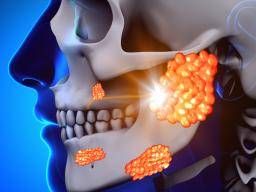
Mumps is a contagious disease caused by the mumps virus, a member of the paramyxovirus family. It mainly affects the salivary glands, especially the parotid glands, which sit near the ears and jaw. When these glands become inflamed, the result is the classic swollen jawline or “chipmunk cheek” look that people often associate with mumps.
Although mumps is often thought of as a childhood illness, adults can get it too. In fact, complications are more likely after puberty. That is one reason mumps prevention matters for children, teens, college students, healthcare workers, travelers, and adults who are unsure about their vaccination history.
Common Symptoms of Mumps
Mumps symptoms usually do not appear immediately after exposure. The incubation period is often around 16 to 18 days, although symptoms may show up anywhere from about 12 to 25 days after infection. This delayed arrival is one reason mumps can sneak through a household, classroom, or dorm like an uninvited guest wearing socks on a polished floor.
Early Symptoms
The first signs of mumps can feel similar to many other viral infections. A person may have:
- Fever
- Headache
- Muscle aches
- Tiredness or general weakness
- Loss of appetite
- Sore throat
- General discomfort or feeling unwell
These symptoms may appear before the salivary glands swell. Because they are so general, many people assume they have a cold, the flu, or simply need a good night’s sleep. Unfortunately, mumps does not always send a formal announcement before moving in.
Swollen Salivary Glands
The best-known symptom of mumps is swelling of one or both parotid glands. This swelling usually appears along the sides of the face, under the ears, and around the jaw. It can cause:
- Puffy cheeks
- A tender or swollen jaw
- Pain while chewing or swallowing
- Discomfort when eating sour foods or drinking acidic beverages
- Difficulty opening the mouth fully
The swelling may happen on one side first and then affect both sides. Some people feel extremely sore and may avoid eating because chewing becomes unpleasant. If lemonade suddenly feels like a personal attack on your jaw, swollen salivary glands may be the reason.
Can Mumps Occur Without Swelling?
Yes. Not everyone with mumps develops obvious swollen glands. Some people have mild symptoms, and others may have no noticeable symptoms at all. This matters because a person can still spread the virus even if they do not look dramatically ill. That is one reason public health officials take suspected mumps cases seriously, especially in schools, colleges, and healthcare settings.
What Causes Mumps?
Mumps is caused by the mumps virus. The virus spreads through saliva and respiratory droplets from an infected person. It can pass from person to person when someone coughs, sneezes, talks closely, shares utensils, shares drinks, kisses, or touches contaminated surfaces and then touches their mouth or nose.
The virus tends to spread more easily where people are in close contact for long periods. Think dorm rooms, classrooms, athletic teams, daycare centers, military barracks, family homes, and busy social events. Basically, if people are sharing air, snacks, and questionable judgment around the punch bowl, respiratory viruses may see an opportunity.
How Contagious Is Mumps?
Mumps is contagious before and after swelling begins. People are generally considered most contagious from a couple of days before parotid gland swelling starts until about five days after swelling begins. For this reason, people with suspected or confirmed mumps are usually advised to stay home and avoid close contact with others for five days after the onset of salivary gland swelling.
This isolation period helps protect classmates, coworkers, family members, and anyone who may be at higher risk for complications. It also gives the sick person time to rest, hydrate, and recover without pretending to be fine in a Zoom meeting while looking like their jaw has filed a complaint.
Who Is Most at Risk?
Anyone can get mumps, but some people have a higher risk than others. Risk may be greater for people who:
- Have not received the MMR vaccine
- Have received only one dose of MMR
- Are unsure about their vaccination history
- Live, study, or work in crowded settings
- Travel internationally or have contact with travelers from areas where mumps is circulating
- Have close contact with someone who has mumps
Vaccinated people can still get mumps, especially during outbreaks, but vaccination greatly lowers the risk of infection and may reduce the chance of severe disease or complications.
Mumps Complications
Most people recover from mumps without long-term problems. However, complications can happen. They are more common in people who get mumps after puberty.
Orchitis
Orchitis is inflammation of one or both testicles. It can cause pain, swelling, tenderness, fever, and discomfort. It is more likely in adolescent boys and adult men. While orchitis can sound alarming, infertility from mumps-related orchitis is rare.
Oophoritis and Mastitis
Oophoritis is inflammation of the ovaries, and mastitis is inflammation of breast tissue. These complications may cause abdominal or pelvic pain, tenderness, fever, or breast discomfort. They are usually temporary but should be evaluated by a healthcare professional.
Meningitis or Encephalitis
Mumps can occasionally affect the nervous system. Meningitis involves inflammation of the membranes around the brain and spinal cord, while encephalitis involves inflammation of the brain itself. Warning signs may include severe headache, stiff neck, confusion, extreme sleepiness, seizures, or sensitivity to light. These symptoms require urgent medical care.
Pancreatitis
In some cases, mumps can inflame the pancreas. This may lead to upper abdominal pain, nausea, vomiting, and fever. Pancreatitis needs medical evaluation because abdominal pain can have many possible causes.
Hearing Loss
Hearing loss from mumps is rare, but it can occur. Any sudden hearing change, ringing in the ears, dizziness, or balance problem after a suspected mumps infection should be checked by a healthcare provider.
Pregnancy Concerns
Mumps infection during pregnancy, especially early pregnancy, may raise health concerns. Anyone who is pregnant and has been exposed to mumps or develops symptoms should contact a healthcare professional promptly for guidance.
How Is Mumps Diagnosed?
A healthcare provider may suspect mumps based on symptoms, especially swollen parotid glands, fever, jaw pain, and known exposure. However, not all swollen glands are caused by mumps. Other viruses, bacterial infections, blocked salivary ducts, dental issues, and other medical conditions can cause similar symptoms.
Laboratory testing may be used to confirm mumps. A buccal swab, which collects a sample from inside the cheek near the parotid gland, is commonly used for molecular testing. Blood tests may also be used in some situations. Because mumps is a reportable disease in many places, healthcare providers may notify public health authorities when a case is suspected or confirmed.
Mumps Treatment: What Helps?
There is no specific antiviral cure for mumps. Antibiotics do not work because mumps is caused by a virus, not bacteria. Treatment focuses on comfort, recovery, and preventing the virus from spreading to others.
Rest and Fluids
Rest is one of the most practical treatments for mumps. The immune system is doing the heavy lifting, so give it the support it needs. Drinking plenty of fluids is also important, especially if fever or jaw pain makes eating and drinking less appealing.
Pain and Fever Relief
Over-the-counter pain relievers such as acetaminophen or ibuprofen may help reduce fever, headache, muscle aches, and gland pain. People should follow package directions and ask a healthcare provider before giving medicine to children, combining medications, or using these products with existing medical conditions.
Warm or Cold Compresses
A warm or cold cloth placed gently over swollen glands may reduce discomfort. Some people prefer warmth, while others like cold. There is no trophy for choosing the “correct” compress. The best one is the one that helps.
Soft Foods
Chewing can be painful with mumps, so soft foods are usually easier. Soups, smoothies, yogurt, oatmeal, mashed potatoes, scrambled eggs, applesauce, and soft pasta can be good options. Acidic foods and drinks, such as citrus juice, may worsen salivary gland pain and are best avoided until symptoms improve.
Isolation
Staying home for the recommended isolation period is part of treatment because it protects others. Avoid school, work, sports, parties, shared meals, and close contact while contagious. Mumps is not the moment to prove your commitment to perfect attendance.
When to Call a Doctor
Contact a healthcare provider if mumps is suspected, especially if there has been known exposure or swelling near the jaw. Medical advice is also important if symptoms are severe, unusual, or worsening.
Seek urgent care if any of the following occur:
- Severe headache
- Stiff neck
- Confusion or extreme drowsiness
- Seizures
- Severe abdominal pain
- Painful testicular swelling
- Signs of dehydration
- Difficulty breathing or swallowing
- Sudden hearing changes
How to Prevent Mumps
The best way to prevent mumps is vaccination. The MMR vaccine protects against measles, mumps, and rubella. In the United States, children typically receive the first dose at 12 to 15 months of age and the second dose at 4 to 6 years of age. Older children, teens, and adults who are not vaccinated may need catch-up vaccination.
Two doses of MMR vaccine provide stronger protection against mumps than one dose. During some outbreaks, public health authorities may recommend an additional MMR dose for certain people at increased risk.
Everyday Prevention Tips
Vaccination is the foundation, but daily habits also help reduce spread:
- Wash hands often with soap and water.
- Do not share cups, utensils, water bottles, or lip balm.
- Cover coughs and sneezes.
- Clean frequently touched surfaces.
- Stay home when sick.
- Avoid close contact with people who have symptoms.
These habits sound basic because they are basic. But basic does not mean useless. A seat belt is basic too, and nobody calls it boring when it saves the day.
Mumps in Adults vs. Children
Children often recover from mumps without major problems, especially if they are otherwise healthy. Adults may experience more intense symptoms and have a higher risk of complications, particularly orchitis, oophoritis, meningitis, and pancreatitis.
Adults who do not know whether they received MMR vaccine should talk with a healthcare provider. This is especially important for college students, healthcare workers, international travelers, teachers, childcare workers, and people living in communities where vaccine-preventable diseases are circulating.
Mumps Myths and Facts
Myth: Only children get mumps.
Fact: Children can get mumps, but teens and adults can too. Adults may have a higher risk of complications.
Myth: If you are vaccinated, mumps is impossible.
Fact: Vaccination greatly lowers the risk, but no vaccine is 100% perfect. Vaccinated people can occasionally get mumps, especially during outbreaks, but they are generally better protected than unvaccinated people.
Myth: Antibiotics treat mumps.
Fact: Antibiotics treat bacterial infections. Mumps is viral, so treatment focuses on rest, fluids, pain relief, and preventing spread.
Myth: Swollen cheeks always mean mumps.
Fact: Other infections and medical problems can cause swelling near the jaw. A healthcare provider can help determine the cause.
Experience-Based Lessons: What Mumps Can Feel Like in Real Life
Mumps is often described in medical terms: fever, parotitis, salivary glands, respiratory droplets, incubation period. Those words are useful, but they do not fully capture what the illness can feel like in a home, school, or shared apartment. In real life, mumps often starts quietly. Someone may feel tired, skip breakfast, complain of a headache, and assume they are just worn out. A parent may think their child is catching a common cold. A college student may blame late-night studying, cafeteria pizza, or the mysterious emotional damage caused by an 8 a.m. lecture.
Then the jaw starts to ache. Eating becomes annoying. Sour foods may sting. The face may look uneven at first, with one side swelling before the other. This can feel awkward, especially for teens and adults who suddenly look different and do not want to explain their face to everyone in a group chat. The swelling can make speaking uncomfortable, laughing painful, and meals frustrating. Soft foods become the unsung heroes of the week.
One practical lesson is to take early symptoms seriously when there has been known exposure. If a school, workplace, dorm, or sports team reports mumps, do not brush off fever and jaw pain as “probably nothing.” Calling a healthcare provider early helps with testing, isolation guidance, and protecting others. It is also kinder to vulnerable people in the community, including infants too young for routine vaccination and people with weakened immune systems.
Another lesson is that recovery requires patience. Many people want to bounce back as soon as the fever drops, but mumps is not impressed by ambition. Rest, hydration, and staying home during the contagious period matter. Trying to power through can make recovery feel worse and may expose other people. The couch, a water bottle, soft meals, and a good show are not laziness here; they are strategy.
Families also learn quickly that prevention is easier than crisis management. Checking vaccination records may not sound thrilling, but it is far better than rearranging school schedules, canceling work shifts, and sanitizing every cup in the kitchen while wondering who shared what with whom. For adults, especially those heading to college, working in healthcare, traveling internationally, or living in close quarters, confirming MMR protection is a smart move.
Finally, mumps is a reminder that “mostly preventable” does not mean “irrelevant.” Diseases can fade from daily conversation because vaccines work so well, but they can return when immunity gaps appear. The practical takeaway is simple: know the symptoms, avoid exposing others when sick, seek medical advice when mumps is suspected, and keep vaccination records up to date. Your salivary glands may never send a thank-you note, but they will appreciate the effort.
Conclusion
Mumps is a contagious viral illness best known for swollen salivary glands, puffy cheeks, fever, headache, muscle aches, and jaw pain. Most people recover with supportive care, including rest, fluids, soft foods, pain relief, and warm or cold compresses. Still, mumps deserves attention because it can spread before obvious symptoms appear and may sometimes cause complications such as orchitis, oophoritis, meningitis, encephalitis, pancreatitis, or hearing loss.
The strongest defense is prevention. The MMR vaccine remains the key tool for reducing mumps risk and preventing outbreaks. Good hygiene, avoiding shared drinks and utensils, and staying home when sick also help protect the people around you. Mumps may be an old-school illness, but it still knows how to make modern life inconvenient. Fortunately, with vaccination, awareness, and timely care, it is a problem we are much better prepared to handle.
Note: This article is for educational purposes only and is not a substitute for professional medical advice, diagnosis, or treatment. Anyone with suspected mumps, severe symptoms, pregnancy concerns, immune system problems, or questions about vaccination should contact a qualified healthcare provider.