In San Francisco, “moving up” can mean a few things. It can mean a better apartment, a shorter commute, a slightly less terrifying parking situation, or the small emotional victory of living somewhere with actual sunlight. On Potrero Hill, it also means exactly what it sounds like: you are going uphill, sometimes dramatically, occasionally with groceries, and almost always with a better view than you had five minutes earlier.
Potrero Hill has long held a special place in San Francisco’s neighborhood lineup. It is close to downtown without feeling swallowed by downtown. It is connected to Mission Bay, Dogpatch, SoMa, and the Mission, yet it still manages to feel like its own self-contained village. People move here for the skyline views, the warmer weather, the neighborhood feel, and the sense that city life can still come with a front stoop, a local park, and a place where somebody might actually remember your dog’s name before they remember yours.
This is what makes moving up on Potrero Hill more than a real estate decision. It is a lifestyle shift. It is the San Francisco version of finding a sweet spot: urban but not frantic, stylish but not desperately trying to prove it, residential without feeling sleepy, and scenic enough to make your camera roll look like it belongs to a person who has their life together.
Why Potrero Hill Keeps Winning People Over
Potrero Hill sits on the eastern side of San Francisco, where the weather is often sunnier and less foggy than in many western neighborhoods. That alone is enough to make some residents speak about the area the way medieval poets once spoke of distant kingdoms. But the appeal goes beyond the microclimate. The neighborhood offers broad views of downtown, the Bay Bridge, and the bay itself, giving ordinary walks an unreasonably cinematic quality.
There is also something refreshingly human-scale about the place. Potrero Hill does not overwhelm you with nonstop commercial intensity. Instead, it feels layered. You get quiet residential blocks, older homes with character, newer housing mixed into the edges, neighborhood-serving businesses, local parks, and a rhythm that is calmer than many parts of San Francisco. It feels lived in, not staged.
That “village in the city” reputation is one of the neighborhood’s strongest selling points. Families like it. Young professionals like it. Longtime residents like it. People who claim they do not care about views absolutely care about views after about one week here. Potrero Hill has a way of turning practical movers into accidental romantics.
A Neighborhood With Real History, Not Just Good Lighting
Potrero Hill is not some newly polished district that appeared after a developer waved a stainless-steel wand. Its roots run deep. Historically, the area was shaped by pastureland, shoreline geography, rail activity, bay fill, industry, and working-class housing. Over time, the hill and surrounding flats evolved alongside San Francisco’s growth, especially as Mission Bay and the eastern waterfront changed.
That history still matters because it explains the neighborhood’s unusual personality today. Potrero Hill has long been influenced by what surrounds it: industrial corridors, transportation infrastructure, nearby employment centers, and waves of redevelopment. Yet it has kept a distinct residential core. In planning terms, it has often functioned as an established neighborhood rather than a blank slate. In plain English, that means it still feels like a neighborhood where people live first and speculate second, even if San Francisco real estate sometimes tries very hard to reverse that order.
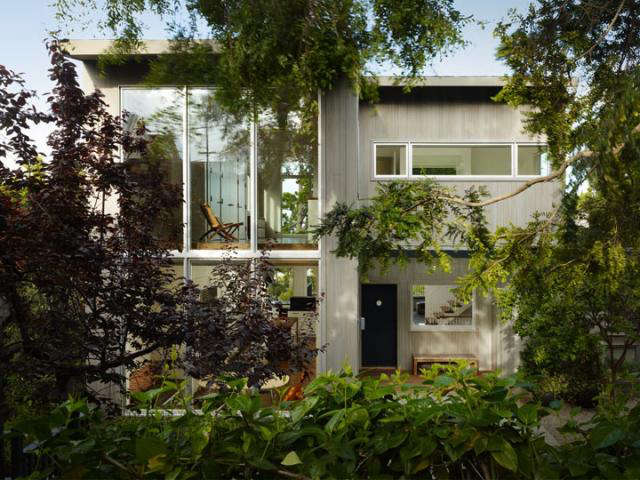
The result is an interesting blend of old and new. You will find classic cottages, Victorians, modest multifamily buildings, updated condos, and housing that reflects different eras of city growth. Potrero Hill wears its evolution honestly. It has beauty, but not the overly lacquered beauty of a place trying to win a pageant.
What It Is Actually Like to Live Here
The Good Stuff
Let’s start with the obvious perk: the views are ridiculous. Streets seem to open unexpectedly onto the skyline, and even routine errands can feel like scenic overlooks disguised as chores. The light is different here too. On a good afternoon, Potrero Hill glows in that smug, golden way that makes foggier neighborhoods seem like they lost a climate lottery.
The parks and community spaces help make the neighborhood feel grounded. McKinley Square offers open space, playground access, and one of those “how is this view free?” vantage points that San Francisco does so well. Potrero Hill Recreation Center adds more room for sports, outdoor activity, and neighborhood life. The Potrero branch of the public library contributes another kind of community anchor: the quiet, sturdy kind that makes a place feel rooted rather than trendy.
There is also a strong practical benefit to the location. Potrero Hill is near major employment centers, medical campuses, transit connections, and freeway access. You can reach Mission Bay, Dogpatch, and downtown more easily than from many neighborhoods that look closer on a map but feel farther in real life. That convenience matters, especially in a city where “close by” can still involve a 40-minute saga and a personal growth journey.
The Trade-Offs
Now for the honest part. Potrero Hill is hilly. Yes, that sounds obvious. No, your calves will not care that you were warned. Some blocks are steep enough to make you reconsider every online order that arrives in a box labeled “easy assembly.” If you love walking, this can be charming. If you love walking only on flat ground, Potrero Hill may become your relationship counselor.
It can also feel slightly cut off in places. Freeways and industrial edges help preserve the neighborhood’s distinct character, but they also make certain connections feel less seamless than they do in denser, flatter parts of the city. Potrero Hill is connected, but not always fluid. That is part of the appeal and part of the compromise.
Then there is cost. Potrero Hill is not exactly the neighborhood where affordability strolls in whistling. Housing here is desirable, and prices reflect that reality. Whether you are renting or buying, you are paying for location, weather, views, and quality of life. In San Francisco terms, that means you should expect numbers that may cause a brief spiritual event.
The Housing Personality of Potrero Hill
One reason people fall for Potrero Hill is that the housing stock feels more varied and personal than in areas dominated by giant towers or copy-paste luxury branding. There are older homes with detail and charm, updated residences that balance character with modern convenience, and newer developments closer to the neighborhood’s evolving edges.
That diversity creates options, but it also creates distinct micro-experiences. Living on a quieter residential street can feel almost suburban by San Francisco standards, while living closer to transit corridors or the neighborhood’s southern and eastern edges can feel more urban and connected to the city’s growth zones. Potrero Hill is one of those neighborhoods where the exact block matters a lot. A place with panoramic calm and a place with industrial-adjacent energy can be only minutes apart.
For buyers, that means doing more than admiring listing photos taken at suspiciously flattering sunset angles. For renters, it means paying attention to slope, transit access, parking reality, and how often you will want to leave the neighborhood versus stay happily put. Potrero Hill rewards people who think about daily life, not just square footage.
Schools, Community, and Everyday Livability
Potrero Hill is often praised for being family-friendly, and that reputation is not just marketing glitter tossed into the breeze. The neighborhood has parks, library resources, access to well-regarded schools, and a calmer residential feel than many parts of San Francisco. It draws people who want urban life without the sensation of living inside a constantly vibrating group text.
Community institutions matter here. Schools help anchor family life. The library supports cultural and educational life. Recreation spaces give the neighborhood room to breathe. Local events, community groups, and longtime neighborhood ties all contribute to the feeling that Potrero Hill is not merely somewhere to land for a lease cycle. It is somewhere people invest in.
That does not mean it is frozen in time. Like much of San Francisco, Potrero Hill exists inside bigger conversations about development, affordability, access, and who gets to remain part of the neighborhood as the city changes. But that tension is part of the real story, and ignoring it would turn the neighborhood into a postcard instead of a place.
Commuting From the Hill Without Losing Your Mind
For many residents, Potrero Hill hits a rare commute sweet spot. Muni service connects the area to the broader city, and the nearby T Third line improves access to Mission Bay, SoMa, downtown, and Chinatown. Caltrain is also relatively accessible, which is a major advantage for anyone traveling down the Peninsula. Add freeway access, and the neighborhood becomes especially attractive for people whose lives stretch beyond one zip code.
Still, commute convenience in Potrero Hill is highly dependent on where exactly you live on the hill. Some homes feel impressively connected. Others involve a bit more uphill determination before you reach your bus stop or rail line. It is the classic Potrero Hill arrangement: you get beauty, but beauty expects effort.
Yet for many residents, that effort is worth it. There is something deeply satisfying about coming home to a neighborhood that feels like it rises above the noise, both literally and emotionally. After a day in the city’s rush, climbing back up the hill can feel less like a chore and more like a reset button with scenery.
Who Should Move Up on Potrero Hill?
Potrero Hill is a strong fit for people who want a residential atmosphere without giving up urban access. It works well for professionals who need reasonable access to downtown, Mission Bay, or Caltrain. It appeals to families who value parks, schools, and community character. It also attracts people who want a quieter home base while remaining close to some of San Francisco’s most dynamic districts.
It may be less ideal for someone who wants nonstop nightlife outside the front door, completely flat walking routes, or budget-friendly housing that does not require Olympic-level optimism. Potrero Hill is a neighborhood for people who want balance, not excess. It is not trying to be the loudest place in San Francisco. It is trying to be one of the most livable. That is a different kind of ambition, and frankly, a more useful one.
The Real Meaning of Moving Up
Moving up on Potrero Hill is not about status in the shallow sense. It is about choosing a version of city life that feels more intentional. You trade a little convenience for a lot of atmosphere. You accept steep streets in exchange for big sky. You pay for access, sunlight, views, and community, but you also get a neighborhood with actual texture, not just polished surfaces.
Potrero Hill feels like San Francisco with the volume turned down and the quality turned up. It is scenic but practical, elevated but grounded, and distinct without trying too hard to seem special. In a city full of neighborhoods competing for attention, Potrero Hill often wins by not yelling. It just opens the curtain, shows you the skyline, and lets the hill do the talking.
Experiences of Moving Up on Potrero Hill
The first experience most people remember is not the lease signing or the moving truck. It is the moment they stand on a Potrero Hill block at sunset and realize the neighborhood has been underselling itself. The skyline glows, the bay catches light like polished metal, and the city suddenly looks less like a stress machine and more like a place where humans were once expected to enjoy living. That moment lands hard, especially if you arrived from a darker apartment in a foggier part of town where your houseplants were basically living on faith.
Then comes the second experience: learning the hill on foot. Potrero Hill is full of little revelations. A staircase here. A view corridor there. A park that appears ordinary until you turn around and remember you are staring at one of the most photogenic urban backdrops in the country. Errands become scenic detours. Dog walks become neighborhood tours. Even carrying takeout home starts to feel cinematic, though maybe that is just the elevation talking.
There is also a social experience unique to places that still feel local. On Potrero Hill, people talk about the neighborhood with ownership rather than branding. They mention the library, the rec center, the schools, the streets they prefer, the blocks with the best views, and the practical tricks for navigating the slope. That kind of knowledge creates belonging. It is the opposite of anonymous city living. You do not just occupy Potrero Hill; you gradually learn it, and in learning it, you become part of its rhythm.
Of course, every pleasant neighborhood story in San Francisco comes with a reality check. On Potrero Hill, that check arrives when you move furniture. Sofas become engineering problems. Parking becomes negotiation. Grocery runs become fitness content. Friends who promised to “help all day” suddenly remember they have brunch, a back issue, or a suspiciously urgent need to wash their hair. By the end of move-in day, you understand why the neighborhood looks so good: only the committed make it to the top.
But that is part of the charm. Potrero Hill does not hand you easy beauty. It gives you earned beauty. The neighborhood rewards attention, patience, and a willingness to live slightly uphill from convenience. In return, it offers one of San Francisco’s most satisfying combinations of calm, access, history, and everyday joy. That is why moving up on Potrero Hill feels memorable. It is not simply a relocation. It is a change in perspective, elevation included.
Conclusion
Potrero Hill remains one of San Francisco’s most appealing neighborhoods because it delivers something rare: balance. It offers sunshine, views, community character, strong everyday livability, and solid access to the rest of the city. It also asks for trade-offs, including steep streets and high housing costs. But for many residents, that exchange feels more than fair.
To move up on Potrero Hill is to choose a neighborhood that still feels like itself. In a city where identity can shift block by block, that kind of consistency is valuable. Potrero Hill is not perfect, but it is memorable, practical, beautiful, and deeply livable. And in San Francisco, that is not a small thing. That is the hill worth climbing.