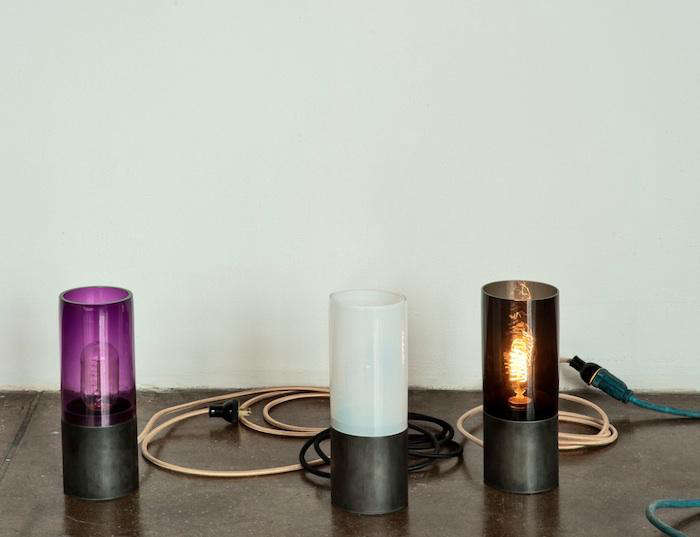
There is a special kind of disappointment that occurs when a beautifully decorated room is illuminated like a convenience store at 2:00 a.m. The furniture may be elegant, the paint color cone blast of cold ceiling light can flatten the entire scene.
That is why moody lighting has become such an important part of modern interior design. It is not simply about making a room dark. Effective mood lighting uses controlled brightness, warm color, shadow, contrast, and multiple light sources to create an atmosphere that feels intimate without becoming impractical.
Modern technology makes this easier than ever. Dimmable LEDs, portable lamps, smart bulbs, concealed strips, rechargeable fixtures, and programmable controls allow a room to change character throughout the day. The same living room can support focused work in the afternoon, relaxed conversation after dinner, and a movie-night glow later in the evening.
What Is Moody Lighting?
Moody lighting is an intentional lighting scheme designed to create emotional depth. Instead of flooding every surface with equal brightness, it produces a hierarchy: some areas glow, some objects receive focused attention, and some corners are allowed to remain softly shadowed.
The technique often relies on warm white light, low-to-moderate illumination, directional fixtures, shaded lamps, and dimming controls. It can feel cozy, dramatic, romantic, mysterious, luxurious, or restful depending on the room and the way the light is arranged.
Most successful rooms use three broad categories of illumination: ambient lighting for general visibility, task lighting for specific activities, and accent lighting for visual interest. Professional lighting guidance describes task-ambient lighting as a system in which the general illumination remains lower and complementary to brighter light placed where work is performed. Does Not Mean Gloomy
A moody room should still be comfortable to navigate. You should be able to read a menu, find the remote, and recognize the person sitting across from you without conducting an archaeological excavation.
The objective is controlled contrast, not universal darkness. A reading chair may have a focused floor lamp while the rest of the room remains softly illuminated. A dining table may sit beneath a pendant while nearby walls receive only the glow of sconces. The result is functional where necessary and atmospheric everywhere else.
Build the Room in Layers
The fastest way to improve modern mood lighting is to stop asking one fixture to do every job. A central ceiling light may provide basic visibility, but it rarely creates depth on its own. Layering several smaller sources allows the eye to move through the room and makes the space appear more dimensional.
Start With Soft Ambient Light
Ambient light establishes the overall brightness level. It may come from a chandelier, pendant, flush-mount fixture, cove light, wall washer, or indirect LED strip. For a moody effect, ambient lighting should feel broad and gentle rather than sharp and concentrated.
Fixtures that bounce light off a ceiling or wall can be particularly effective because reflected light reduces harsh shadows on faces. Frosted glass, fabric shades, paper lanterns, and opal diffusers also soften the output. A bare bulb can look stylish in the catalog, but at eye level it may produce enough glare to interrogate the entire household.
Add Task Lighting Where Life Happens
Task lighting allows the ambient level to remain low without sacrificing comfort. Place reading lamps beside chairs, under-cabinet lights along kitchen counters, desk lamps near work surfaces, and adjustable sconces beside beds.
This approach is both practical and visually effective. The American Institute of Architects recommends providing task lights so ambient illumination can remain lower while occupants maintain control over the level they prefer. With Accent Lighting
Accent lighting provides the drama. Use it to highlight artwork, textured walls, plants, bookshelves, architectural niches, ceramics, or a particularly handsome bottle on the bar cart.
Picture lights, miniature spotlights, uplights, concealed shelf strips, and small portable lamps can all create focal points. Spotlighting naturally introduces contrast and shadow, while layering it over a softer wash of light can reveal form, color, and texture without making the display feel theatrical.
Choose a Warm Color Temperature
Color temperature has an enormous influence on atmosphere. It is measured in kelvins and describes whether white light appears relatively warm and golden or cool and blue.
For living rooms, bedrooms, dining areas, and other relaxation zones, bulbs around 2200K to 3000K usually support a warmer mood. A 2700K source resembles the familiar warmth associated with traditional residential bulbs, while lower values can approach an amber, candlelike appearance.
Cooler white light can be useful in workshops, offices, laundry rooms, and other areas where alertness and visual clarity matter. However, filling an evening lounge with intense cool-white light can make even a velvet sofa feel as welcoming as a dentist’s waiting room.
For outdoor applications, the National Park Service recommends warm-colored, properly directed lighting and notes that 2700K can provide useful color rendition while reducing unintended effects compared with higher color temperatures. tention to Color Rendering
Warmth alone is not enough. Color rendering determines how naturally a light source reveals skin tones, wood finishes, fabrics, food, and artwork. A weak-quality bulb may technically be warm while making dinner look gray and everyone at the table look mildly haunted.
Look for LEDs with a color rendering index, or CRI, of at least 80 for general use. A rating of 90 or higher is often preferable in dining rooms, dressing areas, kitchens, and spaces containing art or richly colored materials. The U.S. Department of Energy specifically advises checking color rendering at the lowest dimming level when evaluating color-tunable or dim-to-warm products.
Make Dimmers the Main Character
Dimmers are among the most useful tools in a modern lighting plan. They allow one fixture to support several activities and prevent the room from being trapped at a single brightness level.
During cleaning, entertaining, or detailed work, the lights can operate at a higher output. After dinner, the same fixtures can be reduced to create a calmer setting. Interior designers regularly recommend dimmers for moody rooms because adjustable brightness makes the atmosphere responsive rather than fixed. nstalling a dimmer, confirm that the bulb, fixture, driver, and control are compatible. An incompatible combination may flicker, hum, shut off prematurely, or refuse to dim below the brightness of a small sun.
Consider Dim-to-Warm LEDs
Traditional incandescent lamps became warmer in appearance as they were dimmed. Many standard LEDs reduce brightness while keeping approximately the same color temperature. Dim-to-warm products are designed to recreate the older effect by shifting toward a lower, warmer color temperature as output decreases. ture is especially appealing in dining rooms, bedrooms, restaurants, and living spaces where lower brightness should also feel visually warmer.
Use Fixtures at Different Heights
A room lit only from the ceiling often looks flat because nearly all the light travels in the same direction. Mixing fixture heights creates visual rhythm and gives the room a more collected appearance.
Combine a pendant or chandelier with wall sconces, table lamps, floor lamps, shelf lighting, and low portable fixtures. A small lamp on a console creates an intimate pool of light. A tall floor lamp illuminates the middle level of a room. An uplight behind a plant throws large, sculptural shadows onto the wall.
Portable rechargeable lamps are particularly useful in modern interiors. They can add light to a dining table, bookshelf, bathroom counter, balcony, or dark corner without requiring permanent wiring. Their flexibility also makes it easy to experiment before committing to a more expensive fixture.
Match the Lighting to the Room
Living Room
Begin with a dimmable overhead source or indirect ambient light. Add a floor lamp near the main seating area, a table lamp on a sideboard, and one accent source for art, shelving, or a plant.
Aim for several overlapping pools of light rather than one uniformly bright space. The room will feel larger, richer, and more inviting because the eye has multiple destinations.
Bedroom
Use warm bedside lamps or adjustable wall sconces instead of relying solely on a ceiling fixture. Keep controls within reach so the room can be darkened without performing a sleepy obstacle course.
In the period before bed, lower illumination and warmer light may support a more restful transition than bright, blue-enriched light. Research has shown that evening light can influence alertness, melatonin, and circadian timing, although brightness, exposure duration, spectrum, and individual sensitivity all matter. Room
Let the table become the brightest element. A pendant or chandelier should direct attention downward while sconces, lamps, or concealed lighting provide a quieter background glow.
Install the main fixture on a dimmer and select bulbs with strong color rendering. Food should look appetizing, faces should look natural, and the centerpiece should not cast a shadow resembling a weather system.
Kitchen
Kitchens need excellent task lighting, but they do not need to remain at full brightness after the cooking is finished. Bright under-cabinet fixtures can support preparation, while pendants, toe-kick lighting, or shelf lights create a softer evening mode.
Separate controls are valuable. When each layer operates independently, the kitchen can transition from serious workspace to relaxed entertaining area with a few taps.
Bathroom
Provide clear, even lighting around the mirror for grooming, then add a separate dimmable source for late-night use or bathing. Wall sconces on both sides of a mirror generally produce more balanced facial lighting than one intense fixture directly overhead.
A portable lamp can also add personality to a bathroom, provided it is suitable for the location and kept away from water. Electrical safety remains more fashionable than any decorating trend.
Let Materials Shape the Glow
Light does not exist separately from the surfaces around it. Dark paint absorbs more light, while pale and reflective surfaces return more of it to the room. Brass, polished stone, glass, mirrors, glossy tile, and metallic finishes can create sparkle. Matte plaster, dark wood, velvet, linen, and paper shades produce a quieter, more diffused effect.
In a dark room, illuminate textures rather than attempting to brighten every square inch. Grazing light across brick, stone, paneling, or heavy curtains can reveal depth without destroying the atmosphere.
Lampshades also influence direction and softness. An opaque shade may send light mainly upward and downward, while a translucent shade produces a wider glow. The inside lining can change the color and intensity, so inspect a shade while the lamp is illuminated rather than judging it only while switched off.
Bring Smart Lighting Into the Mood
Smart bulbs and connected controls allow users to adjust brightness, color temperature, schedules, and lighting scenes. A “work” scene might activate brighter neutral light, while an “evening” scene lowers output and shifts selected fixtures warmer.
Automation is most effective when it simplifies the room. Three useful scenes are usually better than 37 mysterious settings named things like “Coastal Nebula Seven.” Wall controls should continue to work normally so guests do not need an app, an account, and a software update merely to turn on a lamp.
Networked controls, dimmers, occupancy sensors, and scheduling can also reduce unnecessary energy use. The American Institute of Architects includes lighting controls and high-efficacy sources among its strategies for more sustainable architectural lighting.
Keep Energy Efficiency and Safety in View
LEDs are well suited to layered lighting because they are available in many shapes, outputs, color temperatures, and control options. ENERGY STAR reports that LED lighting products can produce light far more efficiently than incandescent bulbs, reducing the energy penalty of using several modest fixtures instead of one large source. e maximum wattage and bulb requirements listed on every fixture. Use products designed for enclosed fixtures, damp locations, or outdoor conditions when those ratings are necessary. For hardwired installations, heavy pendants, new circuits, and unfamiliar wiring, hire a qualified electrician.
Candles can contribute beautiful movement and warmth, but they introduce an open flame. The National Fire Protection Association advises keeping burning candles at least one foot from combustible materials, never leaving them unattended, and considering battery-operated flameless alternatives.
Common Moody Lighting Mistakes
Using Only One Dim Overhead Fixture
Turning a ceiling light down does not automatically create depth. Without lamps, sconces, or accent fixtures, the room may simply look underlit.
Choosing Warm Bulbs That Are Too Weak
Warm light can still provide useful brightness. Select bulbs according to lumens rather than relying on wattage alone, and use task fixtures where detailed work occurs.
Mixing Unrelated White Tones
A 2200K table lamp beside a 5000K ceiling fixture can look less like intentional layering and more like two separate climates arguing in the same room. Keep neighboring sources reasonably coordinated unless contrast is deliberate.
Ignoring Glare
Visible bulbs, exposed LED strips, poorly positioned downlights, and reflective screens can create discomfort even at low output. Shield the source, change the angle, add a diffuser, or move the fixture outside the normal line of sight.
Forgetting the Switches
A beautiful lighting plan becomes irritating when six lamps require six separate journeys around the room. Use accessible wall controls, smart plugs, grouped scenes, or switched outlets where appropriate.
A Practical Formula for Modern Mood Lighting
- Turn off the main ceiling light and observe which areas disappear.
- Add one warm task lamp near the room’s primary activity.
- Add a second source at a different height on the opposite side.
- Highlight one attractive feature, such as art, a plant, or shelving.
- Place the overhead and major lamps on compatible dimmers.
- Reduce glare by shielding visible bulbs and LED strips.
- Create separate bright and evening settings.
- Live with the arrangement for several nights before buying more fixtures.
This gradual approach prevents overlighting and encourages better placement. Mood is rarely created by the number of lamps alone. It comes from the relationship between brightness, color, height, direction, and shadow.
What Living With Moody Lighting Actually Feels Like
My most useful experience with moody lighting began with a living room that looked perfectly respectable during the day and strangely hostile at night. It had one central ceiling fixture containing several bright bulbs. Technically, the room was well illuminated. Emotionally, it felt prepared for a police lineup.
The first change was remarkably small: a shaded floor lamp placed beside the sofa. Instead of lighting the entire room, it created a warm zone around the seating area. The ceiling fixture suddenly seemed unnecessary during ordinary evenings. Conversation felt more relaxed, the television screen produced less noticeable glare, and the room’s wood furniture looked richer.
Next came a table lamp on a console at the opposite end of the room. That second pool of light solved an unexpected problem. With only the floor lamp switched on, the far end of the room appeared empty and visually disconnected. The table lamp created balance without making the space uniformly bright.
A small uplight behind a large plant provided the third layer. It was not bright enough to illuminate the room, but it projected shadows from the leaves onto the wall. The plant, previously a pleasant green object in a pot, became a dramatic architectural feature after sunset. It was the cheapest special effect in the house and did not require a fog machine.
The biggest improvement came from installing dimmers. The room no longer had two settingsdark and aggressively awake. Higher output worked for cleaning and finding small objects. Medium output suited guests. The lowest setting worked for movies, music, and quiet evenings.
Experimenting also revealed that bulb quality matters. One inexpensive warm LED produced an unpleasant yellow-green cast at low output. Replacing it with a higher-quality, high-CRI bulb immediately improved skin tones and made the upholstery look like the color selected in the store rather than a distant relative of it.
Another lesson involved fixture height. Placing every light on a tabletop created a narrow horizontal band of brightness. Adding one taller floor lamp and one low portable lamp made the composition feel more natural. Light appeared near the floor, at seated eye level, and above the furniture, giving the room a more layered identity.
The final lesson was restraint. It was tempting to illuminate every shelf, picture, and corner. Doing so made the room impressive for approximately four minutes, after which it resembled a furniture showroom. Removing two accent lights restored the shadows and allowed the remaining focal points to matter.
That experience changed the way I evaluate interiors. I no longer ask whether a room has enough light in general. I ask whether the right surface has enough light for the activity taking place, whether the source is comfortable to look toward, and whether the unlit areas contribute to the composition.
Moody lighting works best when it supports ordinary life without constantly demanding attention. You notice the warm atmosphere, the dimensional walls, and the inviting chair before you notice the fixtures themselves. That is the quiet success of a thoughtful lighting plan: the room feels better, even when nobody can immediately explain why.
Conclusion
Moody lighting for modern times is not about hiding a room in darkness. It is about designing light with the same care given to furniture, color, and architecture. Layered illumination creates depth, warm LEDs add comfort, task fixtures preserve function, accent lights guide attention, and dimmers allow the atmosphere to change on demand.
Start small. Replace one harsh bulb, add a shaded lamp, install a compatible dimmer, or illuminate a forgotten corner. Observe how the room feels after sunset and adjust from there. The best modern mood lighting is flexible, energy-efficient, safe, visually comfortable, and personal enough to make a house feel unmistakably lived in.