Comedy has always enjoyed pretending it is “just jokes,” the way a raccoon caught in a pantry pretends it is “just browsing.” But every so often, a comic walks onto a political stage, says the quiet part through a microphone, and suddenly the whole “just kidding” defense starts wobbling like a folding chair at a backyard barbecue.
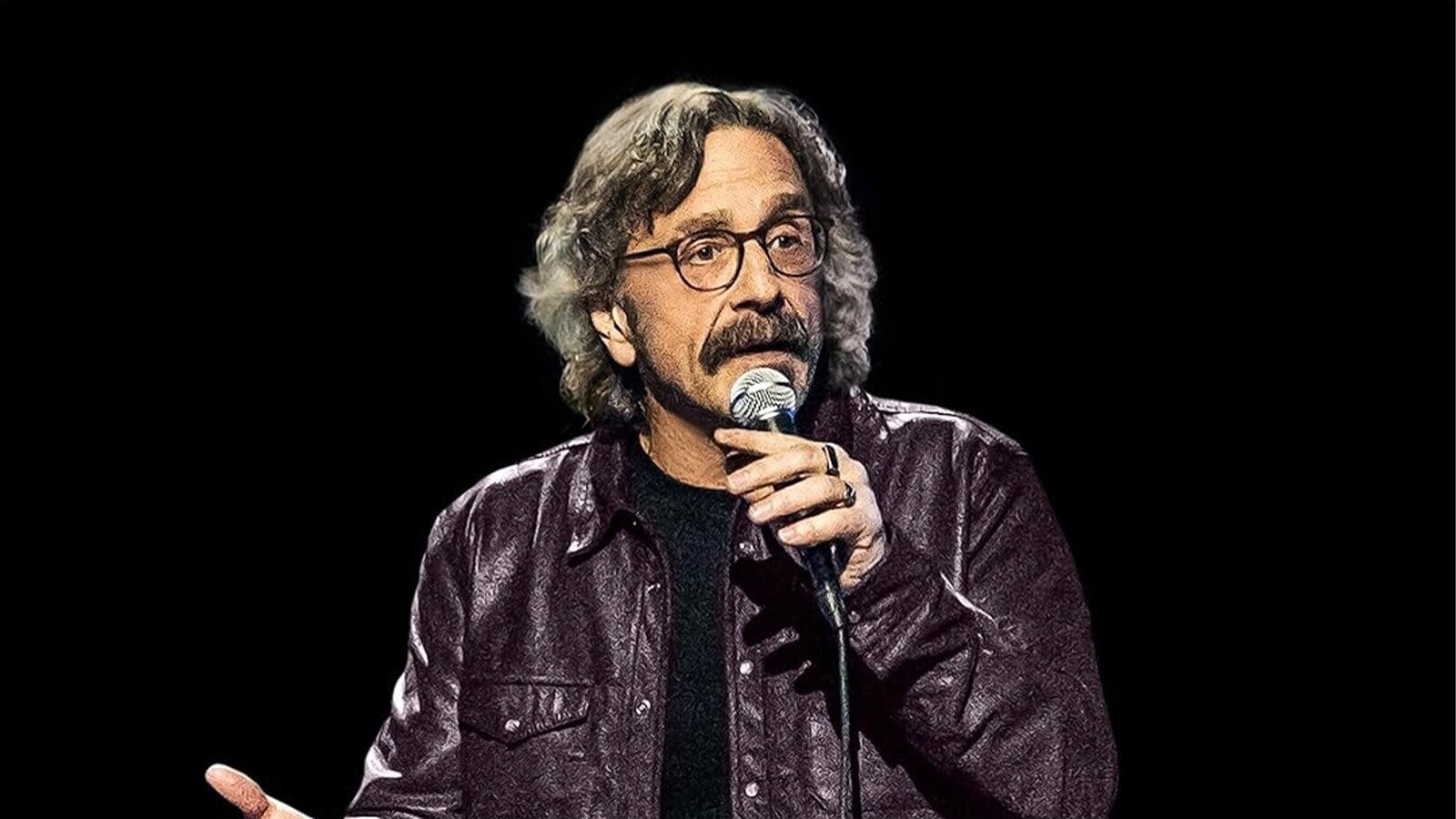
That is why Marc Maron’s critique of anti-woke comedy landed so hard. After Tony Hinchcliffe’s controversial appearance at Donald Trump’s 2024 Madison Square Garden rally, where his Puerto Rico joke sparked national backlash, Maron argued that a certain strain of comedy had stopped being rebellious and had become something much more useful to power: a cultural softener for authoritarian politics.
To be clear, this article treats the headline as commentary, not a courtroom verdict on anyone’s private beliefs. The point is not that every comic who complains about “wokeness” has a tiny dictator living in his blazer pocket. The point is sharper: when comedy repeatedly punches down, normalizes bigotry, flatters strongman politics, and calls all criticism “censorship,” it can start functioning as pro-autocracy whether the comedian admits it or not.
The Joke That Made Everyone Stop Laughing
Tony Hinchcliffe is best known as an insult comic and host of the popular show Kill Tony. His brand is built on quick cruelty, roast-room energy, and the idea that offense is not a bug but a feature. In the right context, roast comedy can be hilarious. The target knows the rules, the crowd understands the ritual, and everyone agrees to enter the boxing ring wearing clown shoes.
But a presidential campaign rally is not a roast. It is not a comedy cellar. It is not a late-night green room where performers try out the spicy material and quietly bury the jokes that smell like expired lunch meat. It is a political event with a purpose: to energize voters, define enemies, and signal values.
That is why Hinchcliffe’s Puerto Rico joke at Madison Square Garden caused such a firestorm. Critics saw it not simply as an offensive joke, but as part of a broader rally atmosphere filled with harsh rhetoric about immigrants, Democrats, and minority communities. The Trump campaign distanced itself from the Puerto Rico remark, but the damage had already become a national story.
Marc Maron’s Argument: Anti-Woke Comedy Is Not Neutral
Marc Maron has spent decades inside comedy. He is not an outsider scolding stand-ups from a faculty lounge with a lukewarm oat milk latte. He knows the art form, the insecurity, the grind, the club politics, the podcast ecosystem, and the strange way comedians can become both truth-tellers and attention addicts.
In his October 2024 dispatch, Maron argued that the anti-woke wing of modern comedy had become part of the public face of a political movement hostile to democratic values. His critique was not just about one joke or one performer. It was about a pattern: comedians and podcasters using “free speech” as a branding device while repeatedly giving cover to racism, authoritarian rhetoric, and resentment politics.
That distinction matters. Maron was not saying comedy should be polite, sanitized, or wrapped in bubble paper. He was saying that some comics have confused bravery with bullying. They act like they are speaking truth to power while standing onstage beside power, warming up the crowd, and aiming their punchlines at people with less of it.
Why “Anti-Woke” Became Such a Powerful Comedy Brand
The word “woke” once referred broadly to awareness of social injustice. Then it became a political piñata. Today, in many comedy circles, “anti-woke” can mean anything from “I dislike corporate HR language” to “I want applause for mocking vulnerable people without consequences.” That range is convenient. It lets performers blur the line between reasonable criticism and lazy cruelty.
There is plenty to satirize about performative morality, online pile-ons, awkward diversity trainings, and the way brands turn social justice into scented candles. Good comedians can absolutely make those targets funny. The problem begins when “anti-woke” becomes a universal permission slip: mock immigrants, mock trans people, mock Black voters, mock Puerto Rico, mock anyone who complains, and then insist that criticism proves the joke was brave.
That is not courage. That is a customer loyalty program for grievance.
Comedy Can Challenge Poweror Massage It
The best political comedy makes power uncomfortable. It exposes hypocrisy. It forces audiences to notice the absurd machinery behind official language. George Carlin did not need to flatter presidents to sound dangerous. Richard Pryor did not become great by making the powerful feel cozy. Joan Rivers, Dick Gregory, Lenny Bruce, Moms Mabley, Wanda Sykes, and countless others used comedy to puncture social lies.
Anti-woke comedy often claims that same rebellious tradition, but the setup is different. If a comedian performs at a rally for a powerful political figure, echoes that movement’s resentments, and targets groups already being used as political scapegoats, the comic is not exactly David with a slingshot. He is closer to the court jester telling the king, “Great news, sire, the peasants are disgusting.”
The Free Speech Shieldand Its Limits
Free speech is essential. Comedy needs room to offend, experiment, misfire, and make the room gasp. A culture where every joke requires committee approval would be unbearable. It would also be painfully unfunny, like a tax seminar wearing a novelty tie.
But free speech does not mean freedom from response. Audiences also have speech. Critics have speech. Puerto Rican viewers, Latino voters, Black commentators, Jewish organizations, journalists, and fellow comedians have speech. When people object to a joke, they are not automatically censoring it. Often, they are participating in the same public conversation the comedian entered voluntarily.
This is where Maron’s critique cuts through the fog. Some anti-woke comics treat criticism as oppression while building careers on insulting others. They want the thrill of transgression without the adult responsibility of being answered. That is not a free speech philosophy. That is a heckler policy with premium seating.
How Comedy Podcasts Changed the Political Stage
One reason this conversation feels bigger than stand-up is the rise of comedy podcasts. Podcasts have become an enormous part of American media life, especially video podcasts. Many listeners no longer separate entertainment, politics, lifestyle advice, conspiracy chatter, and comedy. It all arrives through the same earbuds while they cook eggs or doom-scroll in sweatpants.
That gives comedians a new kind of influence. A comic with a huge podcast can shape what feels normal. He may not deliver a party platform, but he can decide who gets treated as funny, harmless, misunderstood, or “just asking questions.” When extremist ideas are introduced through jokes, buddy-buddy interviews, and casual banter, they can become less shocking. The audience does not feel like it is being recruited. It feels like it is hanging out.
Maron’s warning is that this casual style can launder authoritarian politics. A guest with ugly beliefs appears not as a threat to democratic society, but as a quirky character with a book, a catchphrase, and surprisingly good microphone posture. The laughter becomes a disinfectant spray for the unacceptable.
Why Autocracy Loves “Just Jokes”
Authoritarian politics does not always arrive wearing jackboots. Sometimes it arrives as a meme. Sometimes it arrives as a joke about how certain people are dirty, dangerous, disloyal, weak, stupid, or not really part of the nation. Then, when people object, the speaker says, “Relax, it was comedy.”
This strategy is useful because humor creates plausible deniability. If the crowd laughs, the message lands. If the crowd recoils, the performer retreats behind irony. Either way, the target has been marked.
That is why Maron’s argument connects anti-woke comedy to pro-autocracy. Autocracy depends on hierarchy: strong over weak, loyal over suspect, dominant group over scapegoated group. Comedy that constantly ridicules the same vulnerable targets can train audiences to accept that hierarchy emotionally before they ever defend it politically.
Tony Hinchcliffe as a Case Study, Not the Whole Story
Hinchcliffe became the headline because his Madison Square Garden set collided with the final stretch of a presidential campaign. But he is not the entire story. The broader issue is a comedy economy that rewards outrage, clips, tribal applause, and the performance of being “uncancellable.”
In that economy, the joke does not have to be clever. It has to travel. A joke that makes one room groan can still become a viral badge of loyalty. Fans may share it not because it is brilliant, but because it makes the right people angry. The laugh becomes secondary. The real product is conflict.
This is how comedy can become political signaling. The performer says, “You cannot say anything anymore,” while saying it on a massive platform, to roaring fans, with sponsors nearby and a tour schedule ready to go. It is less like being silenced and more like yelling “I am being buried alive” from a Times Square billboard.
What Maron Gets Right About the Anti-Woke Trap
Maron’s strongest insight is that intent is not the only thing that matters. A comedian might insist he is only joking. He might not think of himself as political. He might even believe he is defending artistic freedom. But public performance has consequences beyond self-description.
If a comic’s work consistently supports the emotional logic of an authoritarian movementdistrust outsiders, mock compassion, humiliate minorities, worship domination, treat critics as enemiesthen the act can serve that movement regardless of what the comic says in interviews.
That is the trap. Anti-woke comics often cast themselves as rebels, but rebellion requires punching toward power. When the joke protects the strong and humiliates the exposed, it stops sounding rebellious. It starts sounding like propaganda with a two-drink minimum.
Where the Conversation Needs Nuance
Still, nuance matters. Not every joke about wokeness is authoritarian. Not every comic who dislikes online scolding is a reactionary. Some critiques of progressive culture are funny, fair, and necessary. Comedy should be allowed to mock moral vanity wherever it appears.
The difference is craft and direction. A smart joke about liberal hypocrisy can reveal something true. A lazy joke about an ethnic group simply repeats an old hierarchy and waits for applause. One challenges assumptions. The other reinforces them.
Audiences can tell the difference more often than comics admit. People do not usually object because a joke is “too dangerous.” They object because it is cruel, stale, or aimed at people who have already heard versions of it their whole lives. The complaint is not always “How dare you?” Sometimes it is “That’s it? That’s the big forbidden fruit? Tastes like canned peaches.”
The Experience of Watching Comedy Become a Political Weapon
There is a strange experience many comedy fans have had over the last decade: watching a performer they once enjoyed slowly turn into a grievance machine. At first, the jokes feel edgy. Then they become predictable. Then every set seems to include the same villains: “woke mobs,” college students, immigrants, trans people, feminists, journalists, and anyone who asks whether the joke has a second layer.
The audience changes, too. Laughter becomes less about surprise and more about team membership. People cheer before the punchline because they recognize the target. The joke is not a joke anymore; it is a password. Everyone in the room knows who is supposed to be mocked, who is supposed to be protected, and who is not allowed to complain.
That experience can be exhausting for fans who love comedy as an art form. Great stand-up is supposed to make the world feel bigger. It can be rude, dark, chaotic, and offensive, but it should also be alive. It should contain curiosity. It should make you think, “I never saw it that way,” not merely, “Ah yes, the same enemy list again, but louder.”
Many viewers have also experienced the awkward social version of this shift. A friend sends a clip and says, “People are too sensitive now.” You watch it. The comic is not revealing hypocrisy or exposing power. He is just saying something ugly with rhythm. You are expected to applaud because objecting means you are humorless. Suddenly, the conversation is not about comedy at all. It is about whether empathy is embarrassing.
That is where Maron’s critique feels personal. He is not merely defending one political side. He is defending the idea that comedy should not become a conveyor belt for contempt. When a joke asks the audience to laugh at the humiliation of people already being targeted in politics, workplaces, schools, and media, the laugh carries extra weight. It is no longer floating harmlessly in the club. It is part of the weather.
Another common experience is noticing how anti-woke performers often demand generosity they do not extend to others. They want every offensive joke interpreted as artistic exploration, but every criticism interpreted as mob behavior. They want audiences to toughen up, but they melt like gas-station nacho cheese when another comedian calls them hacky. The imbalance is revealing.
The healthiest comedy rooms do not require everyone to agree. They allow discomfort, risk, argument, and surprise. But they also reward originality. When “anti-woke” becomes a template, it stops being dangerous and starts being corporate in its own way. The uniform changes from a gray suit to a leather jacket, but the product is still mass-produced.
For audiences, the practical lesson is simple: do not ask only, “Was I allowed to laugh?” Ask, “What was I being invited to laugh at?” A joke can be offensive and brilliant. A joke can also be offensive and empty. The difference matters, because laughter is social. It tells the room what is acceptable, what is ridiculous, and who counts.
Conclusion: Maron’s Warning Is Really About Democracy
Marc Maron’s argument resonates because it treats comedy as culturally powerful, not decorative. Jokes are not laws. Stand-ups are not senators. But comedy helps shape the emotional atmosphere in which politics becomes possible. It can make cruelty look brave, empathy look weak, and authoritarian posturing look like common sense.
That is why anti-woke comedy can become pro-autocracy in practice. Not because every comic has a secret manifesto hidden under a stool, but because the routine trains the audience to distrust pluralism, mock vulnerability, and cheer domination. At that point, the joke is doing political work.
The better path is not censorship. It is better comedy: sharper, stranger, more honest, less dependent on recycled scapegoats. Comedy can still offend. It should still offend when offense reveals truth. But when offense merely flatters power, Marc Maron is right to ask whether the clown car has accidentally joined the motorcade.