Introduction: The Beauty Hack That Made Everyone Check the Baby Aisle
Kylie Jenner has built an empire on glossy lips, polished skin, and beauty moments that travel faster than a mascara wand dropped on a bathroom floor. So when she casually revealed that one of her favorite lip secrets is nipple cream, the internet did what the internet does best: gasped, Googled, screenshot, and ran to the nearest drugstore.
The now-famous Kylie Jenner nipple cream skin care hack centers on lanolin-based nipple cream, a product originally made to soothe dry, sore, or cracked nipples during breastfeeding. Jenner used it as a lip moisturizer, calling it “the best secret” for soft, glossy lips. At first glance, the idea sounds like the kind of beauty advice you would hear from a friend who owns twelve lip balms and still asks to borrow yours. But there is actual skin science behind why this hack can work.
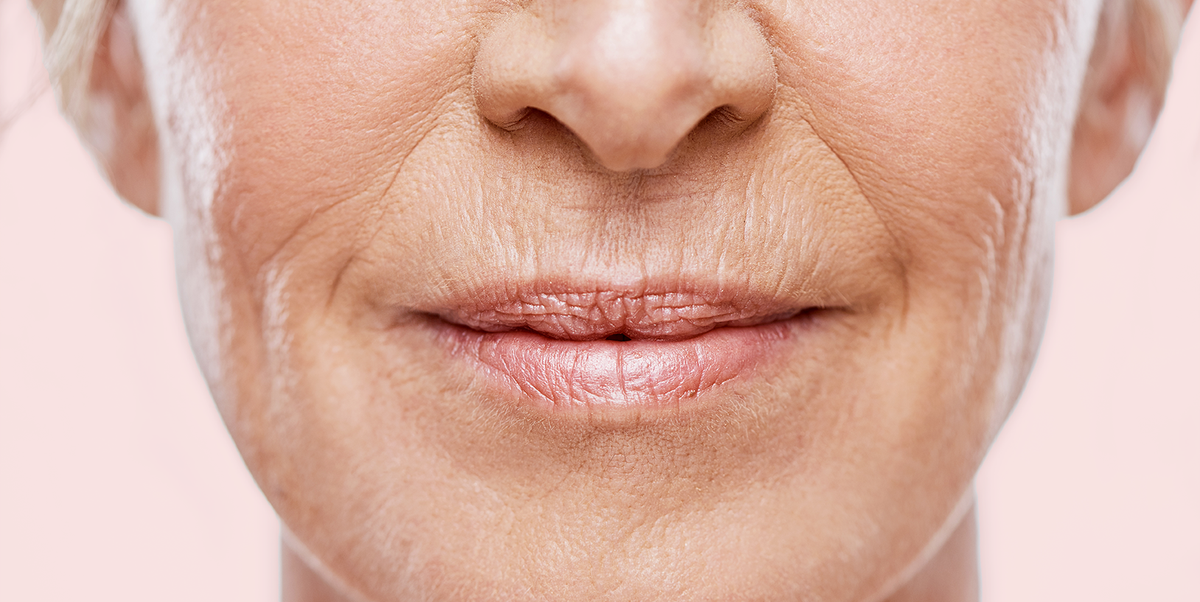
Lips are delicate, easily dehydrated, and constantly exposed to wind, sun, saliva, toothpaste, spicy food, coffee cups, and whatever questionable life choices happen during cold weather. A thick, protective product like lanolin nipple cream can help create a moisture-sealing barrier. That barrier is the reason many people swear by it for chapped lips, dry cuticles, rough patches, and emergency “my face feels like parchment paper” moments.
Still, like most viral beauty tricks, this one deserves a little analysis before everyone starts treating nipple cream like liquid gold. It can be helpful. It can be affordable. It can make lips look juicy without the drama of a sticky gloss. But it is not perfect for everyone, and it is not automatically better than every lip balm on the market. Let’s break down what Kylie’s hack is, why lanolin works, how to use it safely, and whether it deserves a spot next to your cleanser, sunscreen, and that one serum you keep forgetting to use.
What Did Kylie Jenner Actually Use?
Kylie Jenner’s “secret” was a lanolin nipple cream applied directly to the lips during a get-ready routine. The product that received the spotlight was Lansinoh Lanolin Nipple Cream, a breastfeeding staple designed to moisturize and protect sensitive skin. Instead of using it for its original purpose, Jenner used it as a lip balm to create a soft, healthy sheen.
The reason the moment caught attention is simple: it felt practical. Jenner has access to luxury skin care, celebrity makeup artists, and probably more lip products than some stores. Yet the product that made people pause was a humble tube from the nursing aisle. There is something delightfully democratic about that. A beauty mogul using a mom-bag essential? That is the kind of plot twist skin care TikTok lives for.
The product’s key ingredient is lanolin, a waxy substance derived from sheep’s wool. Highly purified lanolin is commonly used in skin care because it helps soften skin and reduce moisture loss. In nipple creams, it is valued because it creates a protective layer over tender skin. On the lips, that same thick, cushiony texture can help reduce dryness and make the mouth look smoother and glossier.
This is why the hack makes sense. It is not magic. It is barrier care. And barrier care, despite sounding less glamorous than “glass skin,” is one of the most important ideas in modern skin care.
Why Lanolin Works So Well on Dry Lips
Lanolin Helps Seal In Moisture
Lanolin works mainly as an emollient and occlusive-like ingredient. In plain English, it helps soften the skin and form a protective layer that slows water loss. That matters because dry lips are often not just “lacking lip balm.” They are losing moisture faster than they can hold onto it.
Unlike the skin on many other areas of the body, lips have a weaker natural barrier. They are thin, exposed, and quick to show dehydration. When you apply a dense product like lanolin nipple cream, it can act like a tiny winter coat for your mouth. Not a fashionable wool trench coat, maybe, but a practical one that says, “We are not cracking today.”
It Gives a Natural Gloss Without Traditional Lip Gloss
Another reason people love this hack is the finish. Lanolin nipple cream gives lips a healthy, dewy shine without the intense stickiness of many glosses. It is less “my hair is trapped in my mouth” and more “I drink enough water, mind my business, and possibly own matching pajamas.”
For makeup wearers, this makes it a useful final step. It can be worn alone for a no-makeup glow or tapped over lip liner for a plush, moisturized look. Because many lanolin nipple creams are fragrance-free and flavor-free, they may also appeal to people who dislike sweet, minty, or heavily scented lip products.
It Can Be Useful for Other Dry Spots
Although Kylie’s viral use focused on lips, lanolin creams are often used on other dry areas. People apply tiny amounts to cuticles, cracked knuckles, rough elbows, dry heels, or irritated patches around the nose during cold season. The key word is tiny. Lanolin is thick. A little goes a long way, and a lot can make you feel like you accidentally buttered yourself.
Is Nipple Cream Safe to Use as Lip Balm?
For many people, using a small amount of lanolin nipple cream on the lips can be safe and effective. Highly purified lanolin products are commonly used on sensitive skin and are designed to be gentle. Many brands also formulate nipple creams without added fragrance, parabens, preservatives, or flavor, which can be helpful because fragrance and flavoring are common triggers for irritated lips.
However, “safe for many” does not mean “perfect for all.” Some people are sensitive or allergic to lanolin. People with a known wool allergy should be especially careful because lanolin comes from sheep’s wool. If you apply it and notice burning, itching, redness, swelling, hives, blistering, or worsening dryness, stop using it. Your lips are not “purging.” They are complaining, and they would like to speak to management.
A patch test is a smart move. Apply a small amount to a discreet area, such as the inner arm, and wait to see whether irritation appears. If your skin reacts, skip lanolin and choose another bland, fragrance-free option such as petroleum jelly or a dermatologist-recommended sensitive-skin lip ointment.
It is also worth noting that some medical and dermatology sources list lanolin as a possible irritant for chapped lips, especially in people prone to contact dermatitis. This does not mean lanolin is bad. It means skin is personal. One person’s holy-grail balm can be another person’s “why is my mouth angry?” moment.
How to Try the Kylie Jenner Nipple Cream Lip Hack
1. Start With Clean, Slightly Damp Lips
Lanolin works best when it has moisture to help seal in. After washing your face or brushing your teeth, gently pat your lips so they are clean but not bone-dry. If your lips are very dry, you can dab on a tiny bit of water or a hydrating serum that your skin already tolerates, then seal it with lanolin.
2. Use a Rice-Grain Amount
This is not the time to frost your mouth like a cupcake. Use a very small amount and warm it between clean fingertips. Tap it onto the lips rather than dragging it aggressively across cracked skin. If you need more, add a little more. If your lips look like they could slide off your face, you have gone too far.
3. Apply It Before Bed
Nighttime is one of the best times to use a thick lip treatment. You are not eating, drinking, talking as much, or wiping it off every five minutes. A thin layer before bed can help lips feel softer by morning, especially in dry weather or air-conditioned rooms.
4. Use SPF During the Day
Lanolin can moisturize, but it does not replace sun protection. If you are going outdoors, use a lip balm with SPF 30 or higher during the day. Dry, sun-exposed lips can become irritated more easily, and sun protection is especially important if you already deal with chapping or sensitivity.
5. Do Not Use It Over Infected or Deeply Cracked Skin Without Advice
If your lips are bleeding often, crusting, extremely painful, swollen, or cracked at the corners, you may be dealing with more than ordinary dryness. Conditions such as angular cheilitis, allergic contact dermatitis, cold sores, eczema, or infection can require different treatment. A thick occlusive product may not solve the underlying issue.
Why This Hack Became So Popular
The popularity of the nipple cream for lips trend is not just about Kylie Jenner. It also fits a larger beauty movement: people are tired of complicated routines. After years of ten-step regimens, acid toners, retinoid schedules, peptide cocktails, and products with names longer than a pharmacy receipt, a simple tube of lanolin feels refreshingly low-maintenance.
It also appeals to shoppers because it is usually affordable compared with luxury lip masks. A lanolin nipple cream tube can last a long time because the texture is so concentrated. For people who go through lip balm quickly, that makes the hack feel like a practical upgrade rather than a celebrity splurge.
There is also the “unexpected product” factor. Beauty lovers enjoy discovering that a product made for one purpose works beautifully for another. It feels like being let into a tiny secret club. In this case, breastfeeding parents have known for years that nipple cream is serious business. The rest of the beauty world is simply catching up, latte in hand.
Lanolin vs. Regular Lip Balm: Which Is Better?
The answer depends on your lips, your preferences, and your skin’s tolerance. Lanolin nipple cream is thicker than most everyday balms. That makes it excellent for overnight use, harsh weather, or moments when your lips feel tight, flaky, or overworked. It also tends to stay put longer than thinner balms.
Regular lip balms, however, can be more convenient. Many come in sticks, have SPF, feel lighter under lipstick, and do not require fingertip application. Some formulas include ceramides, dimethicone, petrolatum, shea butter, mineral oil, or zinc oxide, which can also be excellent for lip barrier support.
If your lips are sensitive, the best lip balm is usually the boring one. Look for fragrance-free, flavor-free, non-tingling formulas. Avoid products that make your lips burn, sting, or feel cool in an intense way. That minty tingle may seem refreshing, but for irritated lips, it can be the cosmetic equivalent of poking a bear and asking why it growled.
Lanolin is a strong option if you tolerate it. Petroleum jelly is a strong option if you want a simple, widely recommended barrier. Ceramide-rich ointments can be helpful if your skin barrier is compromised. The “best” choice is the one your lips actually like.
Common Mistakes to Avoid When Using Nipple Cream on Lips
Using Too Much Product
Lanolin is rich. Applying too much can feel sticky, heavy, and messy. Start small. You can always add more, but removing excess lanolin from your mouth while half-asleep is not a glamorous bedtime ritual.
Ignoring Irritation
If your lips become red, itchy, swollen, or more cracked after using lanolin, stop. Do not push through irritation because a celebrity liked the product. Kylie’s lips are not filing your dermatology bill.
Skipping Sunscreen
Moisture and sun protection are different jobs. Lanolin helps with moisture sealing, but it does not protect against UV rays unless the product specifically includes sunscreen, which most nipple creams do not.
Applying It Over Dirty Lips
Because lanolin forms a protective layer, it is best used on clean skin. Applying it over food, makeup residue, or irritating toothpaste can trap things against already sensitive lips.
Using It as a Cure-All
If your lips are chronically chapped despite careful care, look deeper. Common triggers include lip licking, mouth breathing, dry indoor air, irritating toothpaste, retinoids migrating onto the lips, dehydration, allergies, and certain medications. Sometimes the lip balm is not the problem or the solution. It is just standing near the crime scene.
Who Should Consider This Hack?
This hack may be worth trying if your lips are dry, flaky, or dull-looking and you want a thick, fragrance-free, glossy barrier product. It may also appeal to people who dislike sweet flavors, strong scents, or sticky traditional gloss. It is especially useful as a nighttime lip mask or cold-weather rescue balm.
It may not be the right choice if you are vegan, because lanolin is animal-derived. It may also be unsuitable if you have a wool allergy, lanolin sensitivity, active lip dermatitis, or a history of reacting to heavy ointments. Acne-prone users may also want to avoid smearing it beyond the lip line, because richer products can feel too occlusive around the mouth for some skin types.
In other words, try it thoughtfully. The goal is soft lips, not a dramatic side quest.
Experience Notes: What It Feels Like to Use Nipple Cream as a Lip Treatment
The first thing most people notice about lanolin nipple cream is the texture. It is not airy, silky, or lotion-like. It is dense, cushiony, and slightly tacky at first, almost like a richer version of a classic ointment. When warmed between the fingers, it becomes easier to spread and settles into a glossy layer. On the lips, it feels protective rather than slippery. It does not disappear instantly, which is exactly why many dry-lip sufferers like it.
In a typical nighttime routine, the experience is simple. After cleansing, brushing teeth, and applying face moisturizer, a tiny amount can be pressed onto the lips. At first, the lips may look very shiny, almost like a clear editorial gloss. After a few minutes, the product softens and feels less obvious. By morning, many users report that their lips feel smoother and less tight, especially if their dryness came from cold air, indoor heating, air conditioning, or sleeping with the mouth slightly open.
During the day, the experience can be a little different. The shine is pretty, but the finger application is less convenient than a stick balm. If you are out in public, squeezing nipple cream onto your finger may attract questions. Of course, you can answer with confidence: “It is called innovation.” Still, for bags, cars, and office desks, some people prefer transferring a small amount into a clean mini pot or choosing a lanolin lip balm format instead.
Under makeup, lanolin can be both helpful and tricky. A thin layer before lip liner can soften flakes and make the lips look fuller. Too much, however, may cause liner or lipstick to slide around. The best method is to apply it early in your routine, let it sit, then blot lightly before color. For a glossy natural look, dab a tiny amount over a nude pencil. The result is soft, expensive-looking lips without actually requiring an expensive product.
People with chronically dry lips often compare lanolin nipple cream to a rescue product rather than a casual balm. It is the thing they reach for when regular balms are not enough. It is especially satisfying in winter, after long flights, during allergy season, or after a day of talking, sipping coffee, and forgetting water exists. The comfort can feel immediate because the product coats the lips so thoroughly.
But experiences are not universal. Some users dislike the tacky feel. Others cannot use lanolin because it causes irritation. A few prefer petroleum jelly because it is simpler and less allergenic for their skin. The most honest review is this: if your lips tolerate lanolin, Kylie’s hack can be surprisingly effective, affordable, and glossy. If they do not, skip it proudly. Skin care is not a loyalty test. It is a relationship, and your lips are allowed to have boundaries.
Final Takeaway: Is Kylie Jenner’s Nipple Cream Hack Worth Trying?
Kylie Jenner’s nipple cream lip hack may sound unusual, but it is not as wild as it first appears. Lanolin has a long history as a moisturizing, protective ingredient, especially for sensitive and dry skin. When used on the lips, it can help seal in moisture, reduce roughness, and create a natural glossy finish.
The smartest way to view this trend is not as a miracle cure, but as a simple barrier-care trick. It works best for people who tolerate lanolin and want a thick, no-fragrance lip treatment. It is especially useful at night, in dry weather, or when lips need extra protection. However, it is not ideal for everyone. People with wool allergies, lanolin sensitivity, persistent lip irritation, or unexplained cracking should be cautious and seek professional guidance if symptoms continue.
So, is it “the best” skin care hack? For some lips, absolutely. For others, petroleum jelly, ceramides, SPF balm, or a dermatologist-approved ointment may be better. But as far as celebrity beauty secrets go, this one is refreshingly practical. No complicated tool. No luxury price tag. No 47-step ritual. Just a tiny dab, a shiny finish, and the strange satisfaction of knowing the baby aisle might be hiding your next favorite lip product.