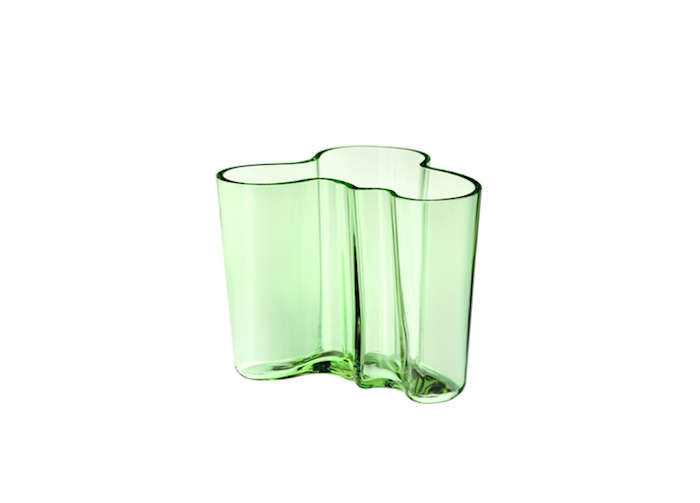
The iittala Alvar Aalto Vase is one of those rare home objects that can stand completely empty and still look like it is doing something important. It does not need roses, tulips, branches, or an art-school explanation whispered beside it. Its famous wavy silhouette already has a voice: calm, sculptural, slightly mysterious, and very Finnish.
Designed by legendary Finnish architect and designer Alvar Aalto in the 1930s, the vase has become a symbol of Scandinavian design, modern glassmaking, and the kind of everyday beauty that refuses to be boring. Also known as the Savoy vase, it has appeared in museum collections, stylish homes, design shops, wedding registries, and living rooms where someone definitely says, “Please do not use that for kitchen spoons.”
But what makes the iittala Alvar Aalto Vase so special? Why does a piece of glass designed nearly a century ago still feel fresh in modern interiors? And is it actually practical, or is it one of those beautiful objects that secretly exists only to make coffee tables feel underdressed? Let’s explore the history, craftsmanship, styling potential, and real-life charm of this design icon.
What Is the iittala Alvar Aalto Vase?
The iittala Alvar Aalto Vase is a mouth-blown glass vase with an organic, asymmetrical wave shape. Unlike traditional vases that rely on straight sides, round openings, or predictable symmetry, the Aalto vase looks fluid, almost as if a puddle of water decided to become architecture.
Its name comes from Alvar Aalto, whose surname means “wave” in Finnish. That little linguistic coincidence feels almost too perfect, as if the universe looked at the vase and said, “Yes, we planned this.” The form is often associated with lakes, coastlines, natural curves, and Finland’s landscape, although its exact inspiration has been interpreted in several ways over time.
The vase is part of the Alvar Aalto Collection by iittala, a Finnish design brand known for glassware, tableware, and timeless home objects. Today, Aalto vases are made in a range of sizes and colors, from compact pieces for a single stem to larger sculptural versions that can hold dramatic bouquets or simply sit proudly on a shelf like a small glass celebrity.
A Short History of the Alvar Aalto Vase
The story begins in 1936, when Alvar Aalto submitted glass designs to the Karhula-Iittala Glass Design Competition. His entry won first prize, and the now-famous vase soon became one of the most recognizable pieces in Finnish design history.
The vase later became strongly connected with the Savoy Restaurant in Helsinki, which opened in 1937. Alvar Aalto and Aino Aalto worked on the restaurant’s interiors, and the vase became part of that elegant design environment. Because of this connection, many people still call it the Savoy vase.
The design was also shown in connection with the 1937 Paris World Exhibition, helping introduce Aalto’s organic modernism to an international audience. At a time when many decorative objects leaned heavily on ornament and symmetry, the Aalto vase felt different. It was modern without feeling cold, sculptural without being fussy, and functional without looking like it had filled out a government form.
Why the Shape Still Feels Modern
The most obvious feature of the iittala Alvar Aalto Vase is its irregular outline. The curves are soft but confident, with no single “front” or “back.” Turn the vase slightly, and it changes personality. From one angle, it feels like a wave. From another, it resembles a small lake seen from above. From another, it looks like it might know something about design that the rest of us are still trying to understand.
Organic Design Without the Drama
Aalto was known for combining modern design with natural forms. Instead of forcing glass into rigid geometry, he allowed the shape to feel alive. This is one reason the vase works so well in both traditional and contemporary interiors. It has enough structure to feel intentional and enough softness to avoid looking severe.
A Vase That Does Not Demand Flowers
Many vases look lonely when empty. The Aalto vase does not. Its sculptural outline gives it visual presence even when it holds nothing at all. That makes it especially useful for people who love the idea of fresh flowers but occasionally forget to buy them for, say, six months.
How the iittala Alvar Aalto Vase Is Made
One of the reasons the Aalto vase remains highly respected is its craftsmanship. Authentic pieces are mouth-blown at the iittala Glass Factory in Finland, where skilled glassmakers shape molten glass into the vase’s distinctive form. The process involves heat, timing, control, and the kind of practiced coordination that makes most of us feel proud if we can pour coffee without spilling it.
Because the vase is handmade, subtle variations can occur. These differences are not flaws; they are part of the charm. A handmade Aalto vase has a living quality that separates it from mass-produced decorative glass. Each piece carries traces of the making process, while still remaining faithful to Aalto’s original design language.
Mouth-Blown Glass and Human Skill
Mouth-blown glass requires experienced makers who understand how molten glass behaves. The curves of the Aalto vase are not random accidents. They must be shaped carefully so the finished piece feels balanced, elegant, and usable. That balance between artistic freedom and technical precision is exactly what makes the vase so enduring.
Why Authenticity Matters
Because the design is famous, many wave-shaped vases have appeared over the years. Some are inspired by the Aalto silhouette; others are very enthusiastic copycats wearing a fake mustache. If you want the real thing, look for iittala branding, reputable retailers, correct product details, and quality glass finishing. Authenticity matters not only for collectible value but also for craftsmanship, proportions, and long-term beauty.
Popular Sizes and Colors
The iittala Alvar Aalto Vase is available in several sizes, which makes it surprisingly versatile. Smaller versions are perfect for a few stems, bedside tables, shelves, or compact apartments. Medium sizes work beautifully on dining tables, consoles, and kitchen islands. Larger versions make a statement in entryways, living rooms, and rooms that need one object to quietly announce, “Yes, someone here has excellent taste.”
Clear glass is the most classic and adaptable choice. It lets stems, water, and light become part of the display. White and opal tones feel softer and more architectural. Dark gray, moss green, copper, linen, cranberry, and seasonal colors can bring mood and personality to a room. The best color depends on your interior style and whether you want the vase to disappear gracefully or enter the room like a well-dressed guest.
Best Choice for First-Time Buyers
If you are buying your first Aalto vase, a medium clear version is often the safest choice. It works with nearly every flower color, matches most interiors, and highlights the famous wave shape without competing with other decor. If your home already uses warm neutrals, wood, brass, or soft textiles, linen or copper-toned glass can add a cozy designer touch.
How to Style the iittala Alvar Aalto Vase
The Aalto vase may be a museum-worthy object, but it is not too precious for everyday styling. In fact, one of its strengths is that it looks comfortable in real homes. It can sit beside books, candles, ceramics, framed art, or a slightly chaotic stack of mail that you are absolutely going to organize later.
With Fresh Flowers
The wavy opening helps flowers spread naturally. Tulips, ranunculus, peonies, roses, anemones, and garden-style bouquets all work beautifully. For a relaxed look, avoid overpacking the vase. Let the stems lean into the curves. The vase already has movement, so the flowers do not need to perform acrobatics.
With Branches or Greenery
Tall branches, eucalyptus, olive stems, and seasonal greenery look especially elegant in larger Aalto vases. The contrast between the organic glass shape and natural stems creates a calm, gallery-like effect. In fall, try sculptural branches. In spring, use flowering stems. In winter, evergreen cuttings can make the vase feel festive without turning your table into a craft store explosion.
Empty as Sculpture
Do not underestimate the empty vase. On a bookshelf, sideboard, mantel, or coffee table, the Aalto vase can function as a standalone art object. Clear glass works well in bright spaces because it catches light beautifully. Colored glass adds depth, especially when placed near neutral walls or natural wood furniture.
Where It Works Best in the Home
The iittala Alvar Aalto Vase is flexible enough for nearly any room, but a few locations show it off especially well.
Dining Room
A medium Aalto vase makes an excellent dining table centerpiece. Its low, spreading shape can hold flowers without blocking conversation. This matters unless your dinner party theme is “guess who is talking behind the hydrangeas.”
Living Room
On a coffee table or console, the vase adds polish without feeling stiff. Pair it with a design book, a small tray, or a candle. The key is to give it breathing room. The shape is the star, so avoid crowding it with too many competing objects.
Bedroom
A smaller Aalto vase on a nightstand feels quietly luxurious. Add a single flower stem or leave it empty. It gives the room a thoughtful touch without making the bedside table look like a hotel lobby.
Entryway
A larger vase in an entryway creates instant impact. Use branches or seasonal stems for height. It is a simple way to make guests feel welcomed and slightly concerned that their own hallway needs improvement.
How to Care for an Aalto Vase
Although the vase is durable when handled properly, it should be treated as quality glassware. Hand washing is generally recommended. Avoid abrasive pads, harsh scrubbing powders, and dramatic cleaning techniques that belong in action movies, not near Finnish design glass.
For flower residue or water marks, soak the vase gently and use a soft cloth. Because of its curved shape, cleaning the inside may require patience. A soft bottle brush can help, but use a gentle touch. Also avoid leaving thick glass filled with water in direct sunlight for long periods, since concentrated light can potentially affect nearby surfaces.
Is the iittala Alvar Aalto Vase Worth It?
For design lovers, the answer is usually yes. The Aalto vase is not just a container for flowers; it is a piece of design history that still earns its place in modern homes. Its value comes from a mix of heritage, craftsmanship, visual flexibility, and emotional appeal.
That said, it is not the cheapest vase on the shelf. If you only need something to hold grocery-store carnations once a year, you may not need a handmade icon. But if you appreciate objects with a story, love Scandinavian design, or want a decorative piece that can move from apartment to house to forever home, the Aalto vase is a strong investment.
Buying Tips for the iittala Alvar Aalto Vase
Before buying, think about how you plan to use the vase. If you want everyday flowers, choose a size that fits your usual bouquets. If you want a sculptural object, focus on color and silhouette. If you are buying it as a gift, clear glass or white is generally safer than a bold seasonal color unless you know the recipient’s taste well.
Check dimensions carefully. Online photos can make a vase look larger or smaller than it really is. A 95 mm piece and a 220 mm piece serve very different purposes. One says, “Here is a sweet little design accent.” The other says, “Please clear space on the table; Finland has arrived.”
Real-Life Experiences With the iittala Alvar Aalto Vase
Living with an iittala Alvar Aalto Vase is different from simply admiring one in a shop or museum. At first, many people treat it with extreme caution. You place it on the table, step back, adjust it by two inches, and then warn everyone in the house that this is not “just a vase.” Over time, though, it becomes less intimidating and more familiar. That is when its real charm begins.
One of the best everyday experiences is discovering how differently it behaves with different flowers. A tight bouquet of roses can look elegant, but a loose arrangement of tulips may feel more natural because the stems follow the curves. Peonies look lush and romantic, while a few branches make the vase feel architectural. Even inexpensive supermarket flowers look more considered inside an Aalto vase, which is good news for anyone whose floral budget says “romance” but whose wallet says “please be reasonable.”
The vase also teaches restraint. Because the form is already expressive, it often looks better with fewer stems than expected. Instead of forcing a bouquet into a perfect dome, you can let flowers lean, bend, and breathe. The result feels relaxed and intentional. This is especially useful in modern homes where overly formal arrangements can look stiff.
Another pleasant surprise is how well the vase works empty. On sunny mornings, clear glass catches the light and creates soft reflections. Colored versions can change mood throughout the day, appearing deeper in shadow and brighter near a window. In a room with wood furniture, linen upholstery, or neutral walls, the vase adds texture without visual noise.
Guests often notice it, but not in a loud way. The Aalto vase tends to attract design-aware compliments: “Is that an Aalto?” or “I love that shape.” It is a conversation starter, but thankfully not the exhausting kind that requires a twenty-minute lecture. You can simply say it is a Finnish design classic from iittala, then move on before anyone asks you to define organic modernism over appetizers.
Care is part of the experience too. The wavy interior can make cleaning slightly more involved than cleaning a straight cylinder vase. It is not difficult, but it rewards gentle habits: changing water, rinsing after use, and avoiding rough tools. In return, it keeps its clarity and presence for years.
Perhaps the most meaningful experience is how the vase adapts to different homes and life stages. It can look right in a small apartment, a first grown-up dining room, a carefully renovated kitchen, or a quiet reading corner. Few decorative objects manage to feel both special and usable. The iittala Alvar Aalto Vase does exactly that. It is beautiful enough to admire, practical enough to use, and iconic enough to keep. That is a rare combination, even in the dramatic world of fancy glass.
Conclusion: A Design Icon That Still Belongs at Home
The iittala Alvar Aalto Vase has lasted because it never relied on trendiness. Its wave-like shape, handmade glass construction, and connection to Finnish modern design give it a timeless quality that still feels relevant today. Whether filled with flowers, styled with branches, or displayed empty as sculpture, it brings softness, movement, and quiet sophistication to a room.
For anyone who loves Scandinavian design, collectible glass, or home decor with real history behind it, the Aalto vase is more than a pretty object. It is a reminder that practical items can also be poetic. And honestly, any vase that can look this good while empty deserves a little applause.