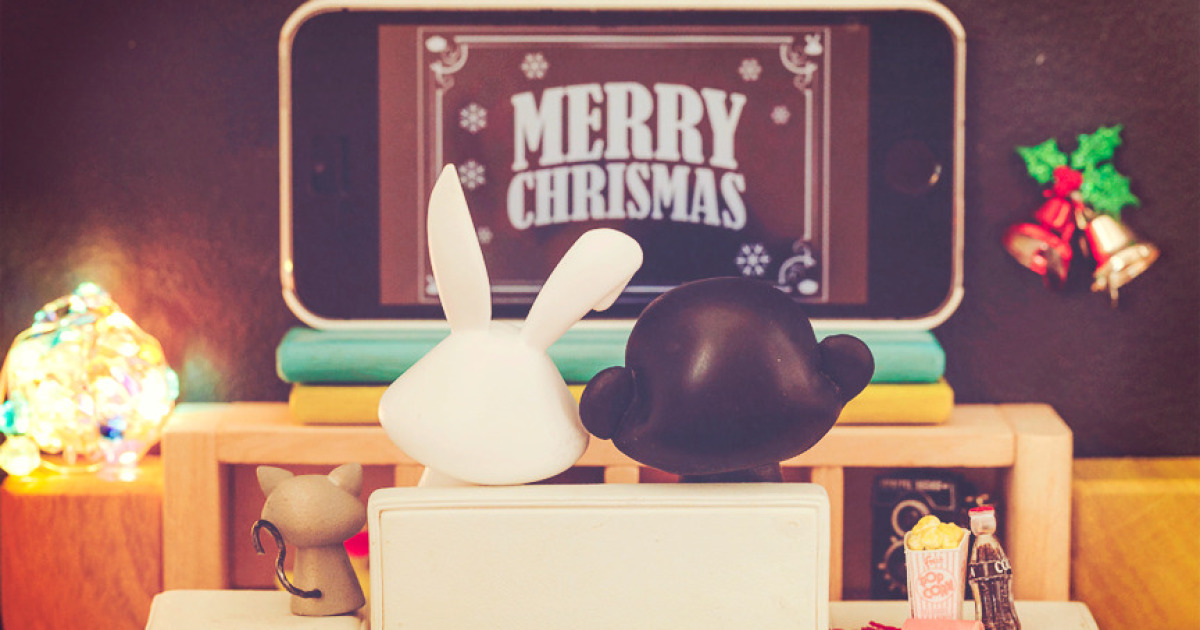
Marriage is often described with giant words: commitment, partnership, forever, mortgage. But the truth is, married life usually happens in tiny scenes. It is the half-finished coffee on the counter, the debate over who forgot to buy toothpaste, the shared look when the cat does something suspicious, and the heroic act of letting your spouse have the last cookie even though your soul quietly files a complaint.
That is exactly the charm behind “I Recreate Daily Moments Of Married Life With A Monkey And A Rabbit”, a whimsical miniature photography project that turns ordinary relationship moments into tiny, funny, and surprisingly emotional scenes. Instead of presenting marriage as a glossy movie poster, the project uses two small toy figuresa monkey and a rabbitto capture the real magic of everyday love. The result is part photo diary, part love letter, part “yes, this is absolutely what living with another human feels like.”
The project, known as Coffee & Chocolate Milk, was created by married couple Wendy and Kuni. Wendy is a lifestyle photographer and clay artist, while Kuni is a motion graphics designer and illustrator. Together, they built a miniature world where their relationship could be retold through playful scenes, handmade props, and the expressive silence of two tiny characters who somehow say everything without saying a word.
The Sweet Origin Of The Monkey And The Rabbit
The monkey and rabbit characters were not invented as random cute mascots. They began as personal symbols for Wendy and Kuni, inspired by their Chinese Zodiac animals. Before becoming the stars of a photographic marriage diary, the characters appeared in their wedding materials, including invitations, table cards, and even their official wedding portrait. Eventually, the couple created toy versions of the characters as wedding favors and cake toppers.
That detail matters because it gives the project its emotional backbone. These are not simply toys placed in charming poses. They are miniature stand-ins for two real people, two personalities, and two daily rhythms. The monkey and rabbit are small enough to fit into a palm, but they carry the weight of shared history: first dates, wedding vows, inside jokes, and all the small domestic rituals that turn a relationship into a home.
The name Coffee & Chocolate Milk also comes from real life. Coffee and chocolate milk were the couple’s favorite drinks and the beverages they ordered on their first date. That sounds almost too adorable, but in the best possible waylike a romantic comedy detail that somehow made it past the editor because it was true.
Why A Monkey And A Rabbit Work So Well
Anthropomorphic charactersanimals, toys, or objects with human qualitieshave always been powerful storytelling tools. We understand them quickly because they create just enough distance from reality to make emotions feel safe, funny, and universal. A monkey with a tiny vacuum and a rabbit reading in bed can say something about marriage without pointing directly at any real person and yelling, “This is you when you leave socks everywhere.”
The monkey brings energy, mischief, and motion. The rabbit brings warmth, softness, and quiet observation. Together, they create a visual language for married life: playful disagreement, teamwork, tenderness, boredom, comfort, and those small moments when nothing dramatic happens but everything feels meaningful anyway.
By using animals instead of human figures, the project avoids becoming overly literal. The scenes feel personal, but not private. Viewers can project their own relationships onto the tiny couple. One person may see a familiar Saturday morning. Another may remember a shared dinner after a long workday. Someone else may simply think, “That rabbit looks exactly like me when my partner says we should go hiking before breakfast.”
Daily Married Life Is The Real Story
One of the most refreshing things about this project is its focus on the ordinary. Many love stories are built around grand gestures: airport confessions, candlelit proposals, dramatic reunions in the rain. Those moments are lovely, of course, but most married couples spend more time deciding what to eat than running through airports. Real love is not always cinematic. Sometimes it is folding laundry together while both people pretend they are not watching the same show over each other’s shoulders.
The monkey and rabbit scenes celebrate these humble moments. A tiny kitchen, a handmade couch, a little cup of coffee, a miniature blanketeach object becomes part of the emotional setting. The humor comes from recognition. The tenderness comes from scale. When life is shrunk down to a few inches, the little things suddenly look enormous.
That is the genius of miniature photography. It asks us to slow down and look carefully. A normal breakfast table may seem boring in real life, but when recreated with toy figures and handmade props, it becomes a stage. The ordinary becomes theatrical. The familiar becomes fresh. Even domestic clutter can look poetic when it is small enough to be conquered by a rabbit.
The Art Behind The Tiny Scenes
Creating these photographs is not as simple as putting two toys on a table and hoping the internet claps. The monkey and rabbit figures were originally designed without hands and legs, so Wendy uses modeling clay to create poses, gestures, costumes, and details. That means each scene depends on patience, planning, and a strong sense of visual timing.
Many of the props are handmade, and most scenes are built in real miniature settings. This gives the photographs their tactile charm. They do not look cold or digitally artificial. They feel crafted. You can sense the effort behind every little chair, every tiny accessory, every clay hand reaching for a cup or holding a tool.
The handmade quality also mirrors marriage itself. Relationships are not factory-made. They are assembled slowly, one small decision at a time. A joke here, an apology there, a shared habit, a repaired misunderstanding, a new routine. Like a miniature room, a marriage becomes believable because of the details.
Humor Makes The Project Human
Humor is the secret ingredient that keeps the project from becoming too sugary. Yes, it is cute. Extremely cute. The kind of cute that could make a cactus feel emotionally available. But the scenes are not just decorative sweetness. They often capture the comedy of living with someone every day.
Married life is funny because it is intimate. You learn another person’s habits in high definition. You discover how they load a dishwasher, how they react to a cold room, how many decorative pillows they believe civilization requires. The monkey and rabbit allow these moments to become gentle jokes instead of complaints.
That is why the project resonates beyond its tiny scale. It understands that love is not only passion; it is also negotiation. It is not only romance; it is also deciding who gets the good side of the blanket. The monkey and rabbit make those negotiations charming because they reveal the affection underneath them.
Why Small Moments Matter In Relationships
Relationship experts often emphasize that strong partnerships are built through repeated small actions, not just rare dramatic gestures. A shared laugh, a kind reply, a cup of coffee made without being asked, or a willingness to listen after a long day can become emotional glue. In that sense, Coffee & Chocolate Milk is more than a cute photo project. It is a visual reminder that love grows through attention.
The project’s daily-photo format reinforces this idea. By turning one simple moment a day into a scene, the creators train themselvesand their audienceto notice what is easy to overlook. That is a powerful habit. In long-term relationships, familiarity can blur appreciation. The person beside you becomes part of the landscape. But when a small moment is recreated with care, it becomes visible again.
That visibility is the heart of the project. The monkey and rabbit are not saving the world. They are making breakfast, relaxing, teasing, traveling, cleaning, resting, and sharing quiet time. Yet those scenes feel important because they show the emotional architecture of a marriage. Love is not one giant room. It is hundreds of tiny rooms, each built from a memory.
The Universal Appeal Of A Tiny Married Couple
Although the project is deeply personal, its appeal is universal. You do not need to be married to understand it. You only need to know what it feels like to share life with someoneromantic partner, roommate, sibling, best friend, or beloved pet who believes your pillow is community property.
The monkey and rabbit speak in the language of shared routine. They show that closeness is often found in repeated scenes: eating together, waiting together, laughing at nothing, surviving chores, and finding comfort in another person’s presence. Their world may be miniature, but the emotions are full-sized.
There is also something refreshing about seeing marriage portrayed without cynicism. Modern relationship content often swings between fantasy and disaster: perfect couple goals on one side, chaotic complaint culture on the other. Coffee & Chocolate Milk lands somewhere warmer and more honest. It says marriage can be repetitive, silly, imperfect, and still deeply beautiful.
What Creators Can Learn From Coffee & Chocolate Milk
1. Start With Something Personal
The strongest creative projects often begin with a private detail. In this case, the monkey and rabbit came from the couple’s zodiac animals and wedding story. That personal origin gives the work authenticity. Audiences can feel when something is made from lived experience rather than trend-chasing.
2. Make The Ordinary Feel New
The project does not rely on exotic locations or expensive spectacle. It transforms simple married-life moments into miniature scenes. That is a valuable lesson for writers, photographers, illustrators, and bloggers: the ordinary is not boring when you change the angle.
3. Use Humor With Warmth
The humor in the project is affectionate, not cruel. It laughs with marriage, not at it. This makes the content welcoming. Viewers feel invited into the joke rather than targeted by it.
4. Build A Recognizable Visual Identity
The monkey, rabbit, miniature props, and soft domestic themes create a consistent identity. That consistency helps the project stand out online, where audiences scroll through endless images every day.
Experiences Related To Recreating Married Life With A Monkey And A Rabbit
Recreating married life with a monkey and a rabbit feels, in many ways, like keeping a gratitude journal with props. The process begins with noticing. Instead of waiting for something huge to happen, you start paying attention to the tiny scenes that usually disappear by bedtime. A partner making coffee. A pair of slippers by the door. A silly disagreement over dinner plans. A quiet evening when both people sit in the same room doing separate things but still feel together.
The first experience this kind of project teaches is patience. Miniature storytelling is slow. A scene that represents five seconds of real life might take hours to build. You have to choose the right pose, adjust the tiny furniture, shape a clay arm, fix the lighting, and decide whether the rabbit should look relaxed, annoyed, proud, or deeply suspicious of the monkey’s plan. That slowness becomes part of the meaning. It forces the creator to treat ordinary life as worthy of attention.
The second experience is emotional translation. Real married life is messy and layered. A couple may laugh during a chore, argue about something minor, and make up over snacks twenty minutes later. Turning that into one image requires choosing the emotional center. Is the scene about teamwork? Tiredness? Playfulness? The secret comedy of two adults trying to assemble furniture while pretending the instructions make sense? The monkey and rabbit simplify the moment without flattening it.
The third experience is learning how much personality can live in small gestures. A tilted head, a tiny cup, a clay hand reaching across a tablethese details can suggest affection better than a long speech. In a world full of loud declarations, miniature scenes remind us that intimacy is often quiet. Sometimes love is not “I would cross oceans for you.” Sometimes it is “I saved you the better dumpling.” Honestly, depending on the dumpling, that may be even more impressive.
The fourth experience is discovering that humor protects tenderness. If the project only showed perfect romance, it might feel distant. But by including everyday absurdity, it becomes believable. Marriage includes sleepy mornings, failed plans, weird habits, and chores that multiply like emotionally needy mushrooms. When those moments are recreated with a monkey and a rabbit, they become easier to love. The viewer laughs first, then recognizes the affection underneath.
The final experience is understanding that a relationship becomes meaningful through repetition. One photo may be cute. A year of photos becomes a map of shared life. The same characters return again and again, facing new tiny adventures, just as couples return to each other through ordinary days. That is what makes the project memorable. It does not argue that marriage is always exciting. It suggests something better: marriage is worth noticing, even when nothing dramatic is happening.
Conclusion
I Recreate Daily Moments Of Married Life With A Monkey And A Rabbit is more than a charming miniature photography project. It is a reminder that love does not need to be loud to be meaningful. Through Coffee & Chocolate Milk, Wendy and Kuni show how marriage can be documented in small, funny, handmade scenes that turn daily routines into tiny celebrations.
The monkey and rabbit work because they are playful enough to make us smile and familiar enough to make us reflect. They show the comedy of chores, the comfort of routine, the sweetness of shared drinks, and the quiet emotional power of being known by another person. In a culture that often chases big romantic gestures, this project gently points back to the small onesthe ones that actually fill a life.
Maybe that is why these miniature moments feel so large. They remind us that happily ever after is not a single ending. It is a daily practice. It is coffee, chocolate milk, laughter, clay hands, tiny props, and two characters who keep choosing the same little world together.