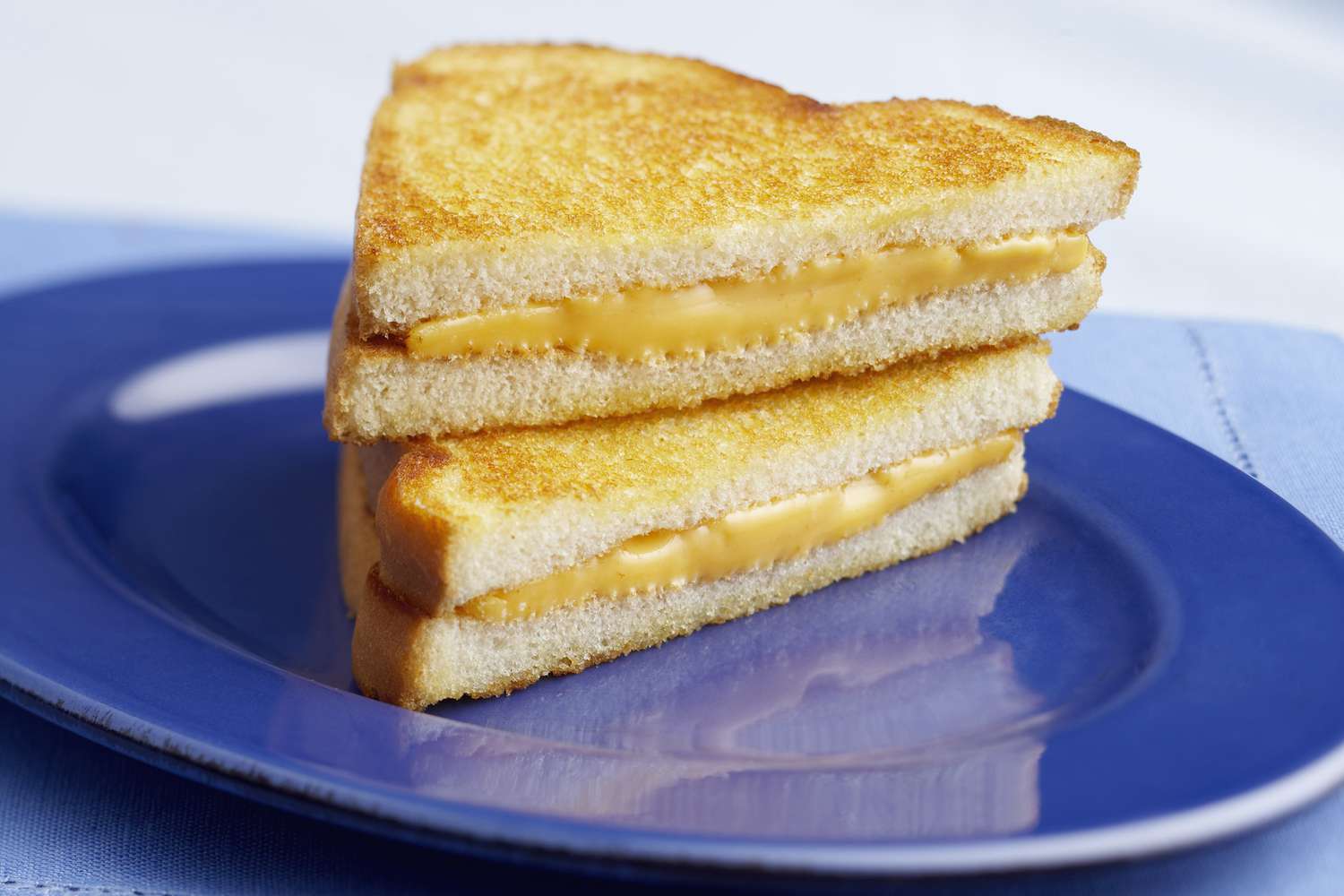
Grilled cheese is supposed to be simple. Bread, cheese, heat, happiness. That is the whole contract. But somewhere between the first buttery sizzle and the final golden crunch, one tiny pantry ingredient can turn a perfectly good sandwich into a “why does this taste like it came from a cozy lunch counter with excellent lighting?” situation.
That ingredient is Worcestershire sauce.
Yes, the mysterious brown bottle hiding near the ketchup. Yes, the one you bought for burgers, meatloaf, or a Bloody Mary bar you hosted once and never emotionally recovered from. A few drops of Worcestershire sauce inside a grilled cheese add savory depth, gentle tang, and a little umami magic that makes cheddar taste cheesier, bread taste toastier, and the whole sandwich feel more intentional.
It is not meant to make your grilled cheese taste like steak sauce. Used correctly, Worcestershire sauce disappears into the melted cheese like a very talented backup singer. You may not immediately identify it, but you will notice the sandwich tastes fuller, warmer, and more balanced. It cuts through the richness of the cheese, wakes up mild slices, and gives sharp cheddar a deeper, almost pub-style personality.
In other words, your grilled cheese still tastes like grilled cheese. It just got a tiny leather chair, a fireplace, and better conversation.
Why Worcestershire Sauce Works So Well in Grilled Cheese
Worcestershire sauce is powerful because it brings several flavor notes at once: saltiness, tang, sweetness, fermented depth, and a savory quality often described as umami. Grilled cheese, meanwhile, is mostly fat, starch, and dairy. Delicious? Absolutely. Balanced? Not always.
That is where the unexpected ingredient shines. A few drops of Worcestershire sauce help balance the richness of melted cheese without making the sandwich feel heavy or greasy. It gives the cheese something to push against, the way a squeeze of lemon brightens fried food or a pinch of salt makes caramel taste more caramel-y.
The idea is not as strange as it sounds. Worcestershire sauce has long been used in cheese-forward dishes, especially Welsh rarebit, a classic comfort food made with toast and a savory cheese sauce often flavored with mustard, beer, and Worcestershire sauce. Think of it as grilled cheese’s older British cousin who owns tweed and knows exactly what “fortnight” means.
The Best Way to Add Worcestershire Sauce to Grilled Cheese
The secret is restraint. Worcestershire sauce is bold, and grilled cheese is not the place for a condiment cannon. You want a whisper, not a weather event.
Method 1: Add It Directly to Shredded Cheese
This is my favorite method because it distributes the flavor evenly. For one sandwich, place about 1/2 cup of shredded cheese in a small bowl. Add 1/4 teaspoon Worcestershire sauce, then toss with a fork until the cheese is lightly coated. The cheese should not look wet. If it does, you have gone from “chef’s secret” to “sandwich with trust issues.”
Shredded cheese melts faster and more evenly than thick slices, which helps the bread brown at the same pace as the filling melts. This is especially useful when using cheddar, Monterey Jack, Havarti, Colby, or a blend of cheeses.
Method 2: Brush a Few Drops on the Inside of the Bread
If you are using sliced cheese, lightly dab Worcestershire sauce onto the inside of one slice of bread before adding the cheese. Use the back of a spoon or a pastry brush. Do not soak the bread. You are seasoning the sandwich, not baptizing it.
This method gives the bread a savory undertone and works beautifully with sturdy breads like sourdough, rye, whole-grain sandwich bread, or a thick-cut white loaf.
Method 3: Mix It with Mustard for a Bigger Flavor Boost
For a bolder sandwich, stir a few drops of Worcestershire sauce into 1 teaspoon of Dijon mustard, then spread a very thin layer inside the bread. Dijon brings acidity and gentle heat, while Worcestershire adds savory depth. Together, they make cheddar taste like it has been studying abroad.
This version is especially good with sharp cheddar, Gruyere, Swiss, or a cheddar-Monterey Jack blend. Add thin apple slices or caramelized onions if you want a grilled cheese that feels fancy but still eats like comfort food.
The Perfect Worcestershire Grilled Cheese Formula
You do not need a complicated recipe. You need good ratios, patient heat, and the courage to stop poking the sandwich every 14 seconds.
Ingredients for One Sandwich
- 2 slices sturdy bread, such as sourdough, white sandwich bread, rye, or whole grain
- 1/2 cup shredded cheese, such as sharp cheddar, Monterey Jack, American, Havarti, or a blend
- 1/4 teaspoon Worcestershire sauce
- 1 tablespoon softened butter, mayonnaise, or a mix of both
- Optional: 1 teaspoon Dijon mustard, black pepper, thin apple slices, pickles, or caramelized onions
Instructions
- Place the shredded cheese in a small bowl and toss it with the Worcestershire sauce.
- Spread butter, mayonnaise, or a butter-mayo mix on the outside of both bread slices.
- Add the cheese mixture between the bread slices. If using Dijon mustard, spread it inside the bread before adding cheese.
- Heat a skillet over medium-low heat. Place the sandwich in the pan.
- Cook slowly for 3 to 5 minutes on the first side, until the bread is deeply golden.
- Flip carefully and cook another 3 to 5 minutes, until the second side is crisp and the cheese is melted.
- Let it rest for 1 minute before slicing. This keeps the cheese from escaping like it has somewhere better to be.
Butter, Mayo, or Both? The Best Fat for the Outside
The grilled cheese world has opinions. Some people swear by butter because it adds rich, classic flavor. Others use mayonnaise because it spreads easily and helps create even browning. The most practical answer is: use both if you want the best of both worlds.
A thin layer of mayonnaise on the outside of the bread helps create a crisp, golden crust. Butter adds unmistakable flavor and aroma. When mixed together, they create a sandwich that browns evenly but still tastes like the grilled cheese you remember from childhood, only with fewer burnt corners and more dignity.
For one sandwich, mix 1/2 tablespoon softened butter with 1/2 tablespoon mayonnaise. Spread a thin layer on the outside of each slice. The key word is thin. Too much fat makes the bread greasy instead of crisp. A good grilled cheese should crunch lightly when you bite it, not leave a shiny fingerprint on your napkin.
The Best Cheeses to Pair with Worcestershire Sauce
Worcestershire sauce loves cheese with personality. Sharp cheddar is the obvious winner because its tangy bite stands up beautifully to the sauce. But you do not have to stop there.
Sharp Cheddar
Sharp cheddar gives the sandwich bold flavor and a classic grilled cheese identity. Worcestershire sauce deepens its savory edge and makes it taste even richer.
American Cheese
American cheese melts like a dream. It is smooth, creamy, and reliable. Pair it with a little cheddar for more flavor, then let Worcestershire sauce add the grown-up note.
Monterey Jack
Monterey Jack is mild, buttery, and excellent at melting. It is ideal when you want a gooey texture without overpowering the Worcestershire sauce.
Gruyere or Swiss
These cheeses bring nutty flavor and a sophisticated melt. Add a thin layer of Dijon mustard and the sandwich starts drifting into French onion soup territory, which is never a bad neighborhood.
Havarti
Havarti melts smoothly and tastes creamy without being bland. It works especially well with Worcestershire sauce, sliced tomato, or a sprinkle of black pepper.
Bread Matters More Than People Admit
Bad bread can ruin a good grilled cheese. Too thin, and it collapses. Too thick, and the cheese may not melt before the outside browns. Too soft, and it can become floppy. Too crusty, and the sandwich fights back.
For a classic version, white sandwich bread is soft, familiar, and easy to brown. Sourdough adds tang and structure. Rye adds a deli-style flavor that pairs beautifully with cheddar, Swiss, and Worcestershire sauce. Whole-grain bread can toast evenly and bring a nuttier flavor, especially when paired with sharp cheese.
The ideal slice is about 1/2 inch thick. It should be sturdy enough to hold melted cheese but tender enough to bite through without launching the filling onto your plate.
Common Mistakes That Ruin Grilled Cheese
Using Heat That Is Too High
High heat is the villain of grilled cheese. It burns the bread before the cheese has time to melt. Medium-low heat gives the sandwich time to become golden outside and gooey inside. This is not a race. This is lunch.
Adding Too Much Worcestershire Sauce
A little sauce adds depth. Too much makes the sandwich salty and wet. Start with 1/4 teaspoon per sandwich. If you want more punch, increase it slightly next time.
Overstuffing the Sandwich
More cheese sounds like a good idea until the center stays cold and the edges leak into the pan. Use enough cheese to melt generously, but not so much that the sandwich becomes a dairy landslide.
Skipping the Resting Time
Letting grilled cheese rest for one minute after cooking helps the cheese settle. Slice too soon and the filling may pour out. Waiting is hard, but so is scraping cheddar off a cutting board.
Flavor Variations to Try
Once you discover Worcestershire sauce in grilled cheese, the door opens to a whole pantry of smart upgrades. Keep the sauce as your savory base, then build around it.
Pub-Style Cheddar Grilled Cheese
Use sharp cheddar, a few drops of Worcestershire sauce, Dijon mustard, and rye bread. Cook low and slow until the crust is crisp and the cheese is bubbling at the edges.
Apple Cheddar Grilled Cheese
Add thin apple slices to cheddar and Monterey Jack. The apple brings sweetness and crunch, while Worcestershire sauce keeps everything savory.
Pickle Lover’s Grilled Cheese
Add a few thin pickle chips inside the sandwich. The briny crunch plays well with melted cheese and the tangy depth of Worcestershire sauce.
Caramelized Onion Grilled Cheese
Add a spoonful of caramelized onions with Gruyere or cheddar. Worcestershire sauce boosts the onion’s savory sweetness and makes the sandwich taste slow-cooked, even if you are eating it in sweatpants.
Tomato Soup’s Best Friend
Make the sandwich with American cheese, cheddar, Worcestershire sauce, and white bread. Serve it with tomato soup. Dip dramatically. No one can stop you.
Why This Upgrade Feels Small but Tastes Big
The best kitchen tricks are not always dramatic. They do not require specialty equipment, imported ingredients, or a 47-step process involving tweezers. Sometimes the best upgrade is already in the pantry.
Worcestershire sauce works because it respects the grilled cheese. It does not try to turn it into a completely different sandwich. It simply adds the missing savory note that makes every bite more interesting. It helps rich cheese taste balanced, mild cheese taste deeper, and crispy bread taste like part of a complete dish rather than a toasted cheese delivery system.
It is the kind of ingredient that makes people pause after the first bite and ask, “What did you put in this?” That is the highest compliment a home cook can receive, right after “I washed the dishes.”
My Kitchen Experience: How This Ingredient Became Non-Negotiable
The first time I added Worcestershire sauce to grilled cheese, I did it with the reckless confidence of someone who had not yet learned that tiny bottles can hold very big opinions. I was making lunch with sharp cheddar, sandwich bread, and a skillet that had seen things. The sandwich looked normal. It smelled normal. But I wanted it to taste a little more like the grilled cheese you get at a diner where the coffee is strong, the booths are cracked, and the cook absolutely knows what they are doing.
I added a few drops of Worcestershire sauce to the shredded cheddar, tossed it around, and hoped for the best. The result was not loud or weird. It did not taste like sauce. It tasted like better cheese. That was the surprise. The cheddar became deeper and more savory, almost as if it had been aged longer or paired with something fancy. The bread still carried the buttery crunch, the middle was still gooey, and the whole sandwich had a quiet “one more bite” quality that made it disappear faster than planned.
Since then, I have tested the trick with different breads and cheeses. On sourdough, Worcestershire sauce makes the tang feel intentional. With rye, it gives the sandwich a deli-style depth that practically begs for pickles. With plain white bread and American cheese, it adds just enough complexity to keep the sandwich nostalgic but not boring. With sharp cheddar and a little Dijon mustard, it becomes a pub snack pretending to be lunch.
The biggest lesson is that the amount matters. When I used too much, the sandwich became salty and slightly soggy. Not tragic, but definitely not something I would serve to company unless the company had already eaten and was very forgiving. The sweet spot is small: about 1/4 teaspoon for one sandwich, mixed into shredded cheese or lightly brushed inside the bread. That is enough to add flavor without stealing the show.
I also learned that low heat is not optional. A Worcestershire grilled cheese deserves patience. If the pan is too hot, the bread burns before the cheese melts, and then you are left with a sandwich that is crunchy in the wrong way and emotionally disappointing. Medium-low heat gives the cheese time to soften and the bread time to turn evenly golden. It is the difference between a rushed snack and a sandwich that makes you stand over the cutting board eating the second half before you even sit down.
My favorite version now is simple: sourdough, sharp cheddar, Monterey Jack, a few drops of Worcestershire sauce, a thin swipe of Dijon, and a butter-mayo spread on the outside. It is crisp, melty, tangy, savory, and just messy enough to feel homemade. If I have tomato soup nearby, great. If I do not, I still feel like I have won lunch.
That is why I never make grilled cheese without Worcestershire sauce anymore. It is cheap, easy, and quietly brilliant. It turns a basic sandwich into something memorable without making you chop, simmer, measure fourteen spices, or explain to hungry people why lunch is taking an hour. It is the rare upgrade that feels both clever and completely reasonable. One bite, and the little brown bottle earns a permanent spot next to the skillet.
Conclusion
Grilled cheese does not need to be complicated to be excellent. The best version still starts with good bread, melty cheese, patient heat, and a crisp golden crust. But adding a few drops of Worcestershire sauce gives the sandwich something extra: savory depth, balance, and a subtle tang that makes the cheese taste richer without overwhelming the classic comfort-food flavor.
Use it sparingly, pair it with cheeses that melt well, and cook the sandwich slowly. Whether you choose cheddar, American, Monterey Jack, Gruyere, or a blend, Worcestershire sauce can make your grilled cheese taste more layered, more satisfying, and just a little more grown-up. It is unexpected, yes. But after one bite, it makes perfect sense.
Note: This article is written for web publication in standard American English and is based on real cooking techniques, ingredient behavior, and widely used grilled cheese methods.