Your garage door is not just the giant rectangle that politely hides your lawn mower, holiday bins, and that one mystery box nobody wants to open. It is one of the biggest moving systems in your home, a major curb appeal feature, a security barrier, and sometimes the only thing standing between your comfortable house and a garage that feels like a walk-in freezer with motor oil.
Learning how to upgrade a garage door can help you improve your home’s appearance, reduce noise, boost convenience, and make the garage more useful year-round. The best part? Not every upgrade requires replacing the entire door. Sometimes a new bottom seal, smart opener, fresh hardware, or insulation kit can make an old door feel surprisingly civilized. Other times, yes, the door has reached the “retire with dignity” stage.
This guide walks through practical garage door upgrades, from low-cost improvements to full replacement. We will cover style, safety, insulation, openers, smart features, weather sealing, materials, maintenance, and real-world homeowner experience. Think of it as a glow-up plan for the largest object on the front of your house.
Why Upgrade Your Garage Door?
A garage door upgrade is one of those home projects that works harder than it looks. A new or improved door can make the front of your home look cleaner, newer, and more intentional. If the garage faces the street, it may take up a huge part of the home’s exterior. Translation: when the door looks tired, the whole house looks like it needs coffee.
Upgrading can also improve daily comfort. A quieter opener helps if bedrooms sit above or beside the garage. Better weatherstripping reduces drafts, dust, leaves, pests, and the dramatic entrance of cold air every time the wind gets emotional. Insulation can make the garage more comfortable for hobbies, laundry, workouts, storage, or weekend projects.
Security is another reason. Older doors may have worn panels, weak locks, outdated openers, or remote systems that lack modern protection. Newer openers can include rolling-code technology, battery backup, auto-close settings, and smartphone control. That means fewer “Did I leave the garage door open?” panic moments while you are already halfway to work.
Start With A Garage Door Inspection
Before choosing upgrades, inspect the current door. Stand inside the garage with the door closed and look at the springs, cables, rollers, hinges, tracks, panels, and bottom seal. Listen while the door opens and closes. Grinding, squealing, shaking, jerking, or uneven movement are not charming personality traits. They are warning signs.
Check whether the door sits level when closed. Look for daylight along the bottom or sides. If you see gaps, the weather seals may need replacement, or the door may be misaligned. Inspect panels for rot, rust, dents, cracks, peeling paint, or water damage. A steel door with a few cosmetic dents may be easy to refresh, while a rotting wood door may be asking for retirement papers.
Important safety note: garage door springs and cables are under high tension. Do not loosen, remove, or adjust them yourself. A brave attitude is useful for assembling furniture, not for fighting torsion springs. Call a trained garage door technician for spring, cable, track, or major balance issues.
Decide Whether To Repair, Refresh, Or Replace
Not every garage door problem requires a full replacement. If the door is structurally sound, opens smoothly, and has only cosmetic issues, a refresh may be enough. Paint, decorative hardware, new weatherstripping, upgraded lighting, and a modern opener can make a big difference without the cost of a new door.
Replacement makes more sense when the door is badly damaged, poorly insulated, unsafe, warped, severely rusted, or mismatched with the home. If the opener strains to lift it, the door falls when disconnected, or panels are cracked beyond repair, it is time to talk to a professional.
A good rule: repair small problems early, upgrade comfort features when the system is safe, and replace the door when safety, structure, or long-term value are clearly compromised.
Choose The Right Garage Door Material
Material affects cost, style, maintenance, insulation, and durability. The most common residential garage door options include steel, aluminum, wood, fiberglass, vinyl, and glass-panel designs.
Steel Garage Doors
Steel is popular because it is durable, widely available, and flexible in style. It can mimic carriage-house doors, modern flat panels, or traditional raised panels. Insulated steel doors are especially practical for attached garages or garages used as workshops. Choose galvanized or finished steel to resist corrosion, especially in wet or snowy climates.
Wood Garage Doors
Wood brings warmth and classic curb appeal. It looks rich, custom, and timeless. It also asks for more maintenance. Wood doors need regular inspection, refinishing, and protection from moisture and sun exposure. If you love the look but not the upkeep, consider a steel or composite door with a wood-look finish.
Aluminum And Glass Doors
Aluminum-frame garage doors with glass panels create a clean, modern look. They are great for contemporary homes and garages used as studios or creative spaces. However, glass doors can cost more and may offer less privacy unless you choose frosted, tinted, or obscure glass.
Vinyl, Fiberglass, And Composite Doors
These materials can resist dents, moisture, and corrosion better than some traditional options. They are useful in coastal or humid areas, though style and availability vary. Always compare warranties, insulation levels, wind ratings, and finish durability before choosing.
Upgrade Garage Door Insulation
Insulation is one of the most practical garage door upgrades, especially if your garage is attached to the house, has a room above it, or doubles as a workspace. Insulated garage doors help slow heat transfer, reduce noise, and make the garage feel less like a weather experiment.
Garage door insulation is often described by R-value. A higher R-value generally means better resistance to heat flow. For mild climates, a modest insulated door may be enough. For colder or hotter regions, or for garages used often, a higher R-value can be worth the investment.
You can upgrade insulation in two ways: add an insulation kit to an existing door or install a new insulated garage door. Kits are cheaper, but they add weight. If your door is already old or poorly balanced, adding insulation may make the opener work harder. A professionally installed insulated door is usually cleaner, more durable, and better sealed.
Replace Weatherstripping And Seals
If you want a high-impact upgrade without a high-impact bill, start with weatherstripping. Garage door seals wear out from sun, water, temperature changes, rodents, and time. Once the bottom seal cracks or flattens, drafts and pests get an engraved invitation.
Replace the bottom seal if you see light under the door. Add or replace side and top weatherstripping to reduce air leaks around the frame. Consider a threshold seal on the floor if water blows into the garage during storms. Just make sure the door closes properly and does not bind against the new material.
Weather sealing is especially important for attached garages. It can help reduce drafts, dust, moisture, and fumes moving toward living spaces. Also check the entry door between the garage and house. A tight-closing, weatherstripped door with a good sweep can improve comfort and indoor air quality.
Upgrade The Garage Door Opener
An old opener can make even a decent door feel ancient. If your opener sounds like a blender full of bolts, upgrading it may be the most satisfying part of the project.
Chain-drive openers are strong and affordable, but they can be noisy. Belt-drive openers are quieter and great for garages near bedrooms or living areas. Wall-mount openers free up ceiling space and work well for garages with high ceilings, storage racks, or car lifts. Direct-drive models are also known for quiet operation.
Modern opener features may include battery backup, LED lighting, motion detection, auto-locking systems, soft start and stop, smartphone control, and alerts when the door opens or closes. A smart garage door opener is especially helpful for families, deliveries, guests, and forgetful humans, which is to say all of us occasionally.
Add Smart Garage Door Features
Smart upgrades can be simple. You may not need a new door or even a new opener. Many smart garage controllers connect to existing openers and allow you to monitor and operate the garage door from your phone.
Useful smart features include open-close alerts, scheduled closing, temporary guest access, voice assistant compatibility, and integration with home security systems. Some systems also work with cameras, so you can check whether the door is open, closed, or being judged by the neighbor’s cat.
Before buying, confirm compatibility with your opener model. Also use strong passwords and keep the app updated. A smart garage should be convenient, not an accidental welcome mat for digital mischief.
Improve Safety Features
Garage doors are heavy, powerful systems. Safety should be part of every upgrade plan. Modern automatic garage doors should have photo-eye sensors near the floor. These sensors stop or reverse the door if something crosses the beam. The opener should also have an auto-reverse function that responds when the door contacts an obstruction.
Test safety features monthly. Place a solid object such as a piece of wood under the door and close it using the opener. The door should reverse when it contacts the object. Wave an object through the photo-eye beam while the door is closing. The door should stop and reverse. If it does not, stop using the opener and call a professional.
Keep wall controls high enough that young children cannot easily reach them. Store remotes securely. Never walk, run, or bike under a moving garage door. It may seem obvious, but garage doors are not finish-line ribbons.
Upgrade The Door Style For Better Curb Appeal
A garage door can change the entire personality of a home. A plain white door may be fine, but the right design can make the exterior look intentional and polished.
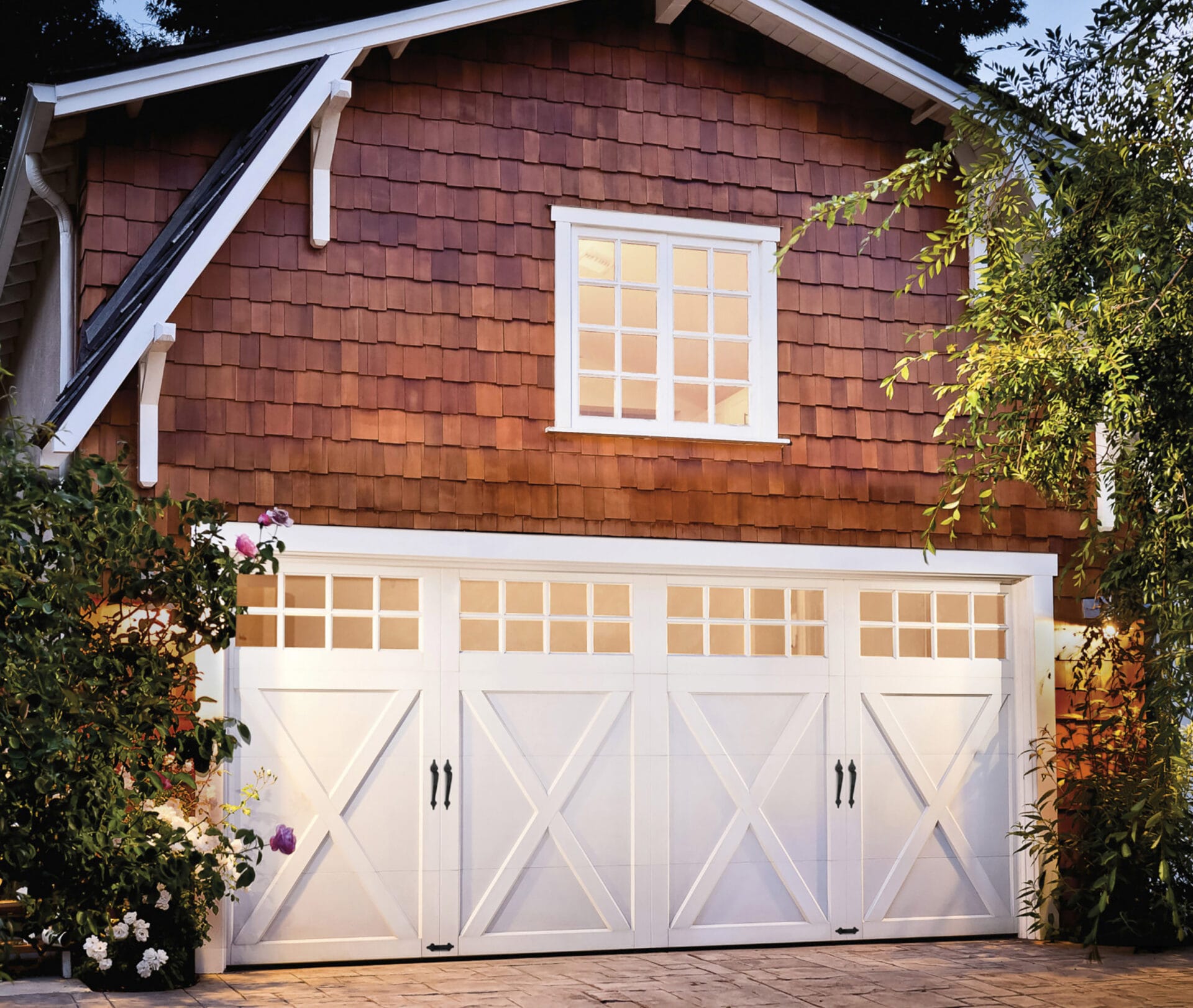
For traditional homes, raised-panel or carriage-house designs work beautifully. For farmhouse-style homes, consider crossbuck overlays, matte black hardware, or warm wood-look finishes. For modern homes, clean horizontal panels, flush designs, dark colors, and frosted glass can look sharp.
Windows can add natural light and visual interest. Place them along the top row for privacy or use vertical window layouts for a more contemporary look. Decorative handles and strap hinges can create carriage-house charm without changing the entire door.
Choose a color that complements the home rather than competes with it. Matching the trim creates a subtle look. Matching the front door can create balance. Going bold can work, but only if the rest of the exterior agrees instead of filing a complaint.
Consider Wind Rating And Local Building Codes
If you live in a hurricane-prone, coastal, or high-wind region, garage door strength matters. A failed garage door can allow wind pressure into the structure and lead to serious damage. Look for doors rated for local wind-load requirements and confirm what your city, county, or homeowners association requires.
Some areas require permits for garage door replacement, opener installation, or structural changes. Professional installers usually understand local requirements, but homeowners should still ask. A beautiful new door is less fun when it comes with a paperwork surprise.
Budget For The Upgrade
Garage door upgrade costs vary widely. A basic weather seal may cost very little. Decorative hardware and paint can be budget-friendly. A smart controller or new opener costs more but can still be manageable. Full garage door replacement depends on size, material, insulation, windows, labor, old door removal, and local pricing.
Steel doors are often the most budget-friendly full replacement option. Custom wood, glass, oversized doors, and high-insulation models cost more. If the tracks, opener, springs, framing, or electrical work also need attention, budget accordingly.
Get multiple written estimates before hiring a contractor. Avoid pressure tactics, unusually low bids, cash-only demands, or anyone who insists you decide immediately because they “just happen to be in the neighborhood.” Your garage door should open smoothly, not open a portal to a home improvement scam.
DIY Garage Door Upgrades You Can Safely Handle
Many smaller upgrades are homeowner-friendly if you are careful and follow product instructions. Safe DIY projects may include painting the door, replacing decorative handles, installing magnetic hardware, cleaning tracks, replacing weatherstripping, adding a threshold seal, lubricating rollers and hinges, installing a smart controller, and improving lighting around the garage.
Painting is one of the easiest style upgrades. Clean the door thoroughly, scrape loose paint, sand rough areas, prime if needed, and use exterior paint suitable for the door material. Avoid painting between sections so thickly that panels stick together.
Lubrication can also improve performance. Use a garage-door-approved lubricant on hinges, rollers, springs, and bearings as recommended by the manufacturer. Do not grease the tracks. Tracks should be clean, not slippery.
Garage Door Jobs Best Left To Professionals
Some jobs are not worth the risk. Call a professional for spring replacement, cable repair, track replacement, panel replacement, door balancing, opener wiring, major structural adjustments, full door installation, and any problem involving a door that is stuck, crooked, or unusually heavy.
Garage doors can weigh hundreds of pounds. Springs store a huge amount of force. A mistake can damage the door, opener, vehicle, or person nearby. Professional installation also helps ensure the door is balanced, sealed, aligned, and safe.
Maintenance After The Upgrade
After upgrading, keep the system in good condition. Inspect the door monthly. Listen for unusual noises. Check weather seals seasonally. Clean photo-eye sensors with a soft cloth. Tighten visible hardware if it has loosened, but do not adjust springs or cables.
Wash the door exterior once or twice a year using mild soap and water. Wood doors may need more frequent finish maintenance depending on sun and moisture exposure. Keep the area around the tracks clear. A garage door does not need help from bicycles, rakes, extension cords, or that one folding chair that attacks ankles.
Schedule professional service if the door becomes noisy, unbalanced, slow, crooked, or unreliable. Preventive maintenance costs less than emergency repairs and is much less dramatic.
Real-World Experiences: What Homeowners Learn When Upgrading A Garage Door
One of the most common homeowner experiences is realizing that the garage door affects the house more than expected. Many people start with a simple goal, such as “make it quieter,” and quickly discover that the opener, rollers, seals, insulation, and door balance all work together. Replacing only the opener may reduce motor noise, but if the rollers are worn and the door shakes in the tracks, the garage may still sound like a thunderstorm rehearsing indoors.
Another real-life lesson: insulation helps most when the entire garage strategy makes sense. Homeowners who use the garage as a gym, workshop, laundry area, or storage zone often appreciate an insulated door. The space feels less extreme in summer and winter, and the door usually operates more quietly. However, if the garage has unsealed gaps, bare walls, leaky windows, and a bottom seal shaped like old lasagna, door insulation alone will not perform miracles. The best comfort upgrades usually combine insulation, air sealing, and weatherstripping.
Style upgrades can also surprise people. A new garage door color, window layout, or carriage-style hardware can make the home look newer without touching siding, landscaping, or roofing. Homeowners often underestimate this because they see the garage every day. Then the new door goes in, and suddenly the driveway looks like it got a promotion.
Budget surprises are also common. A homeowner may plan for a new door but forget about old door removal, opener compatibility, permit fees, trim repair, electrical updates, or replacing damaged tracks. That is why detailed estimates matter. A good estimate should explain the door type, insulation level, hardware, springs, opener work, labor, disposal, warranty, and any optional upgrades.
Smart openers tend to become one of those “Why didn’t I do this sooner?” upgrades. The ability to check the door from a phone is genuinely useful. Parents can confirm kids got home. Homeowners can open the door for a delivery or neighbor. Anyone who has ever turned the car around to check the garage door can appreciate the emotional peace of an app notification.
Safety lessons matter most. Many homeowners do not realize how dangerous springs and cables are until a technician explains it. The smartest DIYers are not the ones who try everything themselves; they are the ones who know where the line is. Painting, sealing, cleaning, and smart accessories are reasonable projects. Spring adjustment is not a personality test anyone needs to pass.
Finally, garage door upgrades are satisfying because they combine beauty and function. You see the improvement every time you pull into the driveway, and you feel it every time the door opens smoothly, closes tightly, and does not wake the entire household. It is practical curb appeal: the rare home upgrade that looks good, works hard, and does not require explaining to guests. Nobody walks up and says, “Wow, nice hidden attic insulation.” But a great garage door? People notice.
Conclusion
Upgrading a garage door is one of the smartest ways to improve curb appeal, comfort, security, and everyday convenience. Start with an inspection, decide whether the door needs repair or replacement, and prioritize safety before style. Then choose upgrades that fit how you actually use the garage. A workshop needs comfort and lighting. A busy family needs quiet operation and smart access. A home headed for resale needs clean curb appeal and reliable performance.
The best garage door upgrade is not always the most expensive one. Sometimes it is a new seal, fresh paint, quieter rollers, or a smart opener. Sometimes it is a fully insulated steel door with windows and modern hardware. Either way, the goal is simple: make the biggest moving part of your house safer, better-looking, and less dramatic before it starts making noises that belong in a haunted submarine.