If your cat’s eye looks watery, red, squinty, or suspiciously like it just lost a bar fight with a dust bunny, do not shrug it off. A cat eye infection can go from “a little goop” to a genuine medical problem faster than your cat can disappear when the carrier comes out. The tricky part is that “eye infection” is a catch-all phrase. Sometimes it is conjunctivitis. Sometimes it is a viral flare-up such as feline herpesvirus. Sometimes it is a scratch, a corneal ulcer, a foreign object, or an irritation that only looks like a simple infection.
That is why the smartest treatment plan is not random guessing or raiding the family medicine cabinet. It is a calm, step-by-step approach that protects your cat’s comfort, vision, and long-term eye health. Below are nine practical steps to help you respond the right way, plus real-life experience-based advice that makes the whole process feel a little less dramatic for both you and your furry patient.
Why Cat Eye Infections Happen
Before jumping into treatment, it helps to know what may be going on. In cats, eye infections and infection-like symptoms are often linked to conjunctivitis, which is inflammation of the pink tissue around the eye. Common triggers include viral infections, especially feline herpesvirus, bacterial infections, environmental irritants, trauma, foreign material, allergies, and corneal damage. In other words, the eye may be inflamed because of infection, but it may also be inflamed because something else is making the eye miserable.
This matters because the correct treatment depends on the cause. Antibiotic drops can help some cases, but they will not magically fix every eye problem. A corneal ulcer, for example, may need a different approach. A herpes flare may need antiviral support. A chemical irritant needs immediate care, not wishful thinking and a pep talk.
Step 1: Notice the Signs Early
The earlier you catch a cat eye infection, the easier it usually is to manage. Mild symptoms can become more serious if they are ignored. Watch for these common warning signs:
- Redness in or around the eye
- Watery, cloudy, yellow, green, or thick discharge
- Squinting or keeping one eye partly closed
- Frequent blinking
- Pawing at the face
- Swelling around the eyelids or conjunctiva
- Light sensitivity
- Visible third eyelid
- Cloudiness or a bluish haze on the eye
A simple example: if your cat wakes up with a little crust once and then acts normal all day, that may be less concerning than a cat who is blinking hard, hiding under the bed, and producing thick discharge every few hours. Pattern matters. Pain matters. Changes that persist matter.
Step 2: Know When It Is Urgent
Some eye problems are not “wait and see” problems. They are “call your veterinarian today” problems. Seek prompt veterinary care if your cat has severe redness, obvious pain, cloudiness, sudden swelling, a bulging eye, blood, a visible injury, or seems unable to open the eye. Also act quickly if your cat becomes lethargic, stops eating, or has sneezing and nasal discharge along with eye symptoms.
Why the urgency? Because painful eye conditions such as corneal ulcers can worsen fast. Cats are masters of pretending everything is fine while quietly feeling awful, so by the time discomfort is obvious, the eye may already be significantly irritated.
Step 3: Gently Clean the Eye, But Keep It Basic
If your cat has discharge around the eye, it is fine to gently clean the area while you arrange veterinary care. Use clean gauze or a soft cloth dampened with warm water. Wipe away debris from the inner corner outward, using a fresh section each time. Be gentle. The goal is comfort, not polishing the eyeball like a dinner plate.
Do not scrub. Do not pry the eye open. Do not use hydrogen peroxide, essential oils, herbal washes, contact lens solution, or leftover medications from a past pet emergency. Home remedies may irritate the eye further or delay the right treatment.
What Safe Cleaning Looks Like
Safe cleaning means you are removing surface crust and discharge from the fur and eyelids, not medicating the eye. If your cat fights hard, stop before the situation turns into an Olympic wrestling event. Stress can make the process harder on both of you, and a painful eye should not be forced.
Step 4: Keep Other Cats Away Until You Know the Cause
Many feline eye infections, especially those connected to upper respiratory disease or feline herpesvirus, can spread between cats through direct contact and contaminated bowls, bedding, hands, and surfaces. If you have multiple cats, separate the symptomatic cat when practical until your veterinarian gives you more direction.
Wash your hands after handling eye discharge, medication, tissues, or bedding. Clean food dishes and shared resting areas. This step is especially important in multi-cat homes, foster settings, and rescue environments where one watery eye can become a community project nobody asked for.
Step 5: Skip Human Eye Drops and DIY Treatments
This is the step many owners need taped to the fridge: do not use human eye drops unless your veterinarian specifically says a particular product is safe for your cat. “Redness relief” drops, allergy drops, medicated human ointments, and old leftover prescriptions can be irritating, inappropriate, or even dangerous if licked or ingested.
Also avoid steroid eye drops unless they were specifically prescribed for the current eye condition by a veterinarian. Steroids can make some eye problems worse, especially when a corneal ulcer is present. That is one reason a proper exam matters so much. The eye has no patience for guesswork.
Step 6: Get a Veterinary Diagnosis Instead of Playing Detective
A vet visit is the turning point between “something seems wrong” and “now we know what to do.” Your veterinarian may examine the eye with magnification, look for foreign material, check tear production, stain the cornea to detect an ulcer, and evaluate whether the issue looks infectious, traumatic, viral, allergic, or secondary to another condition.
In practical terms, this means two cats with similar-looking discharge may get very different treatment plans. One may need a topical antibiotic. Another may need antiviral medication. A third may need pain relief and urgent care for a corneal ulcer. The outward symptoms can look surprisingly similar, which is why diagnosis matters more than internet confidence.
Possible Treatments Your Vet May Recommend
- Prescription antibiotic eye drops or ointment
- Antiviral medication for feline herpesvirus-related disease
- Pain relief if the eye is painful
- Anti-inflammatory treatment when appropriate
- Oral medication if the infection or inflammation extends beyond the eye
- Follow-up exams to make sure healing is happening on schedule
If your cat’s eye problem is linked to a chronic herpes flare, your veterinarian may also talk about recurrence, stress management, and long-term prevention. Unfortunately, some cats like to keep their eye drama recurring like a prestige TV series.
Step 7: Give Medications Exactly as Prescribed
This is where treatment often succeeds or fails. Eye medications work best when they are given on schedule and in the correct amount for the full prescribed period. Stopping too soon because the eye “looks better” can invite recurrence. Skipping doses can slow recovery. Guessing a longer treatment period on your own is also not ideal.
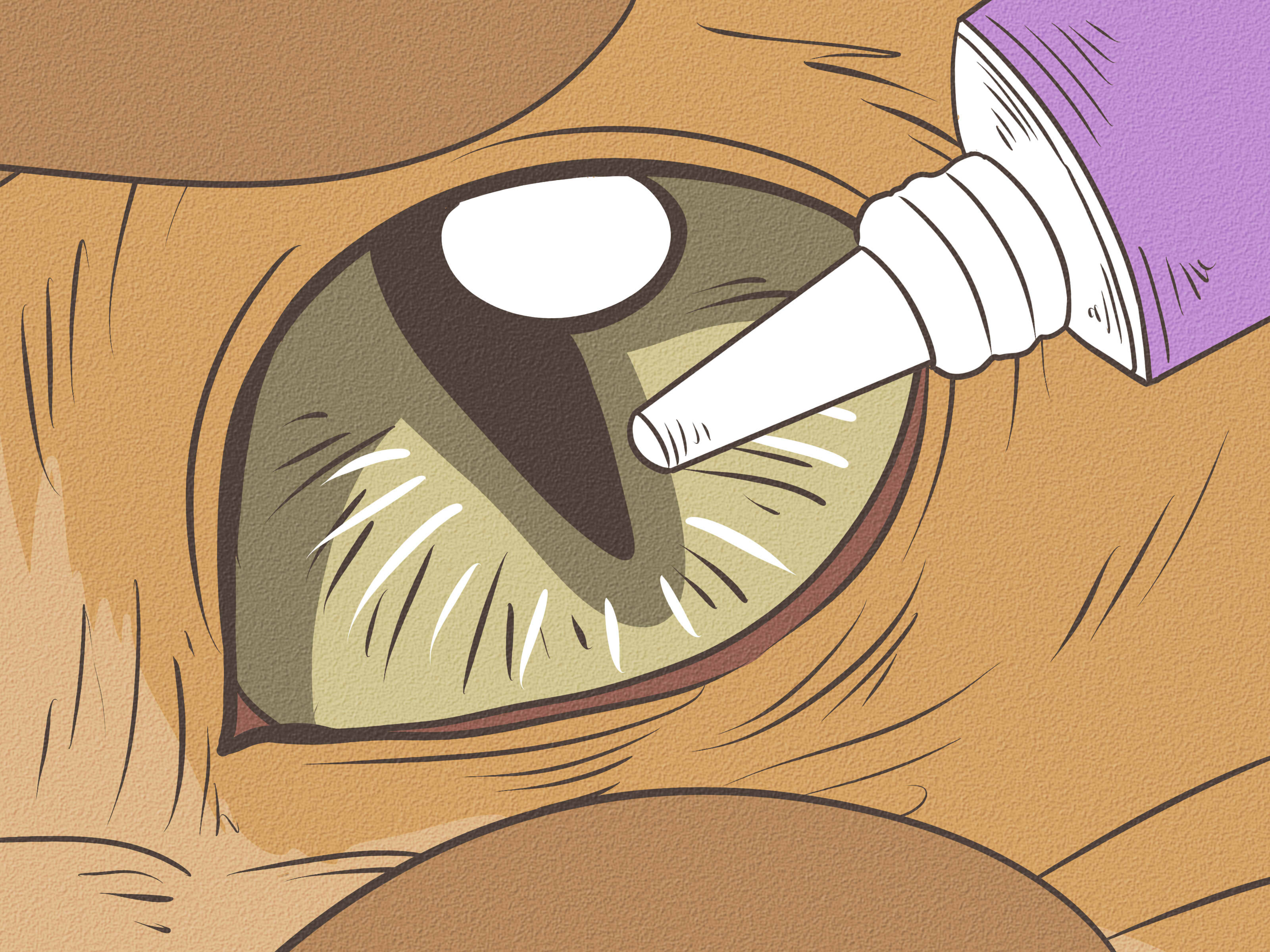
To apply drops or ointment, start by gently cleaning away discharge. Hold your cat securely, sometimes with a towel wrap if needed. Tilt the head slightly upward. Keep the applicator tip from touching the eye, eyelids, or fur. If you are using more than one eye medication, ask your veterinarian how long to wait between them.
Medication Tips That Save Sanity
- Stay calm because cats read panic like a headline
- Use a towel burrito if your cat squirms
- Reward after each treatment with praise or a favorite treat
- Set phone reminders so doses do not drift
- Ask for a demonstration at the clinic if you are nervous
If your cat seems more painful after a medication, stop and call your vet. Not every medication works for every patient, and some cats are very good at telling you when they disapprove.
Step 8: Support Healing at Home
Prescription treatment is the star player, but home support matters too. Keep your cat indoors during recovery so wind, dust, pollen, and neighborhood drama do not irritate the eye further. Reduce stress, because stress can contribute to flare-ups in cats with feline herpesvirus. Make sure your cat stays hydrated, eats well, and has a quiet place to rest.
If your cat lives with other pets, reduce rough play that could lead to accidental scratches. Trim sharp claws if your vet says it is appropriate. Wash bedding regularly. Pay attention to litter dust, aerosol sprays, and strong cleaners, which can worsen eye irritation in sensitive cats.
One helpful real-world example: a cat recovering from conjunctivitis in a calm bedroom with clean bedding and low traffic usually has an easier time than a cat bouncing between windows, dusty corners, and a sibling cat who believes face-pouncing is a valid hobby.
Step 9: Prevent the Next Round
You cannot prevent every cat eye infection, but you can reduce the odds. Keep vaccinations current, especially the core vaccines recommended for cats. Schedule routine veterinary care. Separate sick cats in multi-cat homes when possible. Maintain good hygiene with food bowls, bedding, and litter areas. Address upper respiratory symptoms early so eye problems do not tag along.
For cats with recurring eye issues, prevention may also mean tracking patterns. Do flare-ups happen after boarding, moving, visitors, or another stressful event? Does your cat develop eye symptoms with sneezing every winter? Keeping notes helps your veterinarian build a smarter plan over time.
Common Mistakes to Avoid
- Waiting too long because the cat is “still acting normal”
- Using leftover or human eye medication
- Stopping treatment as soon as the discharge improves
- Ignoring cloudiness, squinting, or pain
- Letting an infected cat share everything with housemates
- Assuming every watery eye is allergy-related
Final Thoughts
Treating a cat eye infection is not about heroically guessing the right drop from a bathroom shelf. It is about recognizing symptoms early, getting the correct diagnosis, following treatment instructions carefully, and supporting recovery without turning your home into a DIY ophthalmology lab. In mild cases, quick action can mean a fairly smooth recovery. In more serious cases, fast veterinary care can protect your cat’s comfort and vision.
The big takeaway is simple: a red, squinty, goopy cat eye deserves respect. Your cat may act aloof, but their eyeball is asking for professionalism.
What Real-Life Experience Often Looks Like
In real homes, cat eye infections rarely begin with a dramatic announcement. They usually start with something small and suspicious. An owner notices one eye watering more than usual. Maybe there is a little crust in the corner. Maybe the cat is blinking like they are offended by the lighting. The first instinct is often hopeful denial: “Maybe they just got dust in it.” Sometimes that is true. Often, by the next morning, the eye is redder, the discharge is thicker, and the cat is clearly less comfortable.
One common experience is the single-cat household where the owner catches the problem early. They gently wipe the eye, call the vet, and get medication the same day. The hardest part is not the diagnosis. It is giving eye drops to a creature that suddenly becomes a furry escape artist with the flexibility of a yoga instructor. Many owners discover that a towel wrap, a calm voice, and a treat afterward work far better than chasing the cat around the kitchen like a bad sitcom scene.
Another common experience happens in multi-cat homes. One cat develops conjunctivitis, and suddenly the owner realizes this may not stay a one-cat issue. Bowls get separated. Bedding gets washed more often. The sick cat gets a quieter room for recovery. Owners often say this is when they realize how contagious some feline respiratory and eye issues can be. It is not glamorous, but those boring hygiene steps make a real difference.
Then there is the cat with a recurring herpes-related flare. These cases can be frustrating because the eye improves, then months later the redness returns during a stressful event such as moving, boarding, home renovations, or the arrival of a new pet. Owners often describe a learning curve here. Over time, they get better at recognizing their cat’s early signs, calling the vet quickly, and reducing triggers before the flare becomes severe. Experience teaches them that speed and consistency matter more than panic.
Many owners also talk about the emotional side of the process. Eye problems look alarming. A small amount of cloudiness or swelling can make people imagine the worst instantly. The good news is that many feline eye infections and inflammations improve well with timely treatment. The less-good news is that waiting too long tends to make the whole experience more stressful, more expensive, and harder on the cat.
The most practical lesson people learn is this: do not try to outsmart the eye. Clean gently. Get the exam. Use the right medication the right way. Finish the treatment. Follow up if things are not improving. It is not flashy advice, but it is the advice that works in real life. And in the end, most owners are happy to trade a few days of drop-duty for seeing their cat comfortable, bright-eyed, and back to supervising the household like nothing ever happened.