Moles are tiny skin celebrities: some quietly mind their business, some become part of your signature look, and a few demand attention at the most inconvenient times. If you have a mole that rubs against clothing, catches while shaving, or simply bothers you cosmetically, you may wonder how to remove moles without surgery. The answer is not as simple as grabbing a “miracle” cream from the internet and declaring victory. In fact, that is the exact plot twist dermatologists warn against.
The safest way to remove a mole without traditional surgery is to start with a professional skin evaluation. Depending on the mole’s appearance, location, depth, and cancer risk, a dermatologist may recommend a low-invasive method such as shave removal, laser treatment for carefully selected benign lesions, or another in-office technique. What you should not do is burn, cut, freeze, scrape, or chemically attack a mole at home. Your skin deserves better than a bathroom-counter science experiment.
Note: This article is for educational purposes only and should not replace medical advice. Any new, changing, bleeding, painful, itchy, or unusual mole should be checked by a board-certified dermatologist or qualified healthcare provider before removal.
What Is a Mole?
A mole, medically called a nevus, is a common skin growth made of pigment-producing cells called melanocytes. Moles may be brown, tan, black, pink, red, or skin-colored. They can be flat, raised, smooth, rough, round, oval, tiny, or large enough to make you wonder whether it has started paying rent.
Most moles are harmless. Many people develop moles during childhood, adolescence, and early adulthood. Some fade with age, while others stay put for decades. Hormonal changes, sun exposure, genetics, and skin type can all influence how moles appear over time.
However, not every dark spot is a harmless mole. Some skin cancers, especially melanoma, can look like a mole or develop within an existing mole. That is why proper diagnosis matters before any removal method is considered.
Can You Really Remove Moles Without Surgery?
Yes, but it depends on what you mean by “without surgery.” If you mean avoiding a hospital operating room, general anesthesia, or a large excision with many stitches, then yes, many mole removals are performed in a dermatologist’s office using minor, low-invasive methods. These procedures are usually quick and done with local numbing medicine.
If you mean removing a mole at home without a doctor, the answer is no. At-home mole removal is unsafe because it can cause scarring, infection, uncontrolled bleeding, chemical burns, incomplete removal, and delayed diagnosis of skin cancer. The biggest danger is not just a bad scar; it is accidentally removing the surface of a cancerous lesion while abnormal cells remain deeper in the skin.
Why You Should Never Remove a Mole at Home
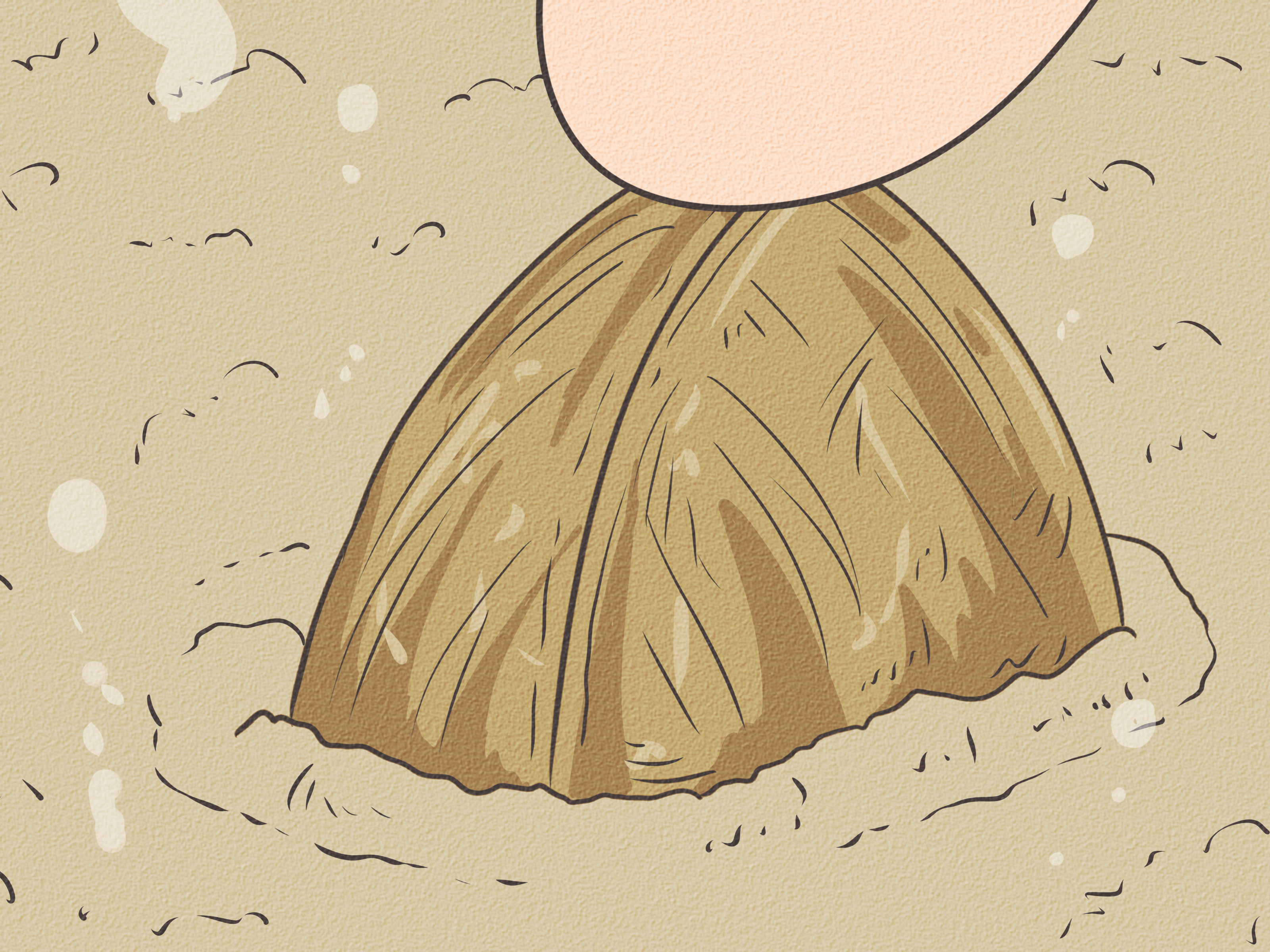
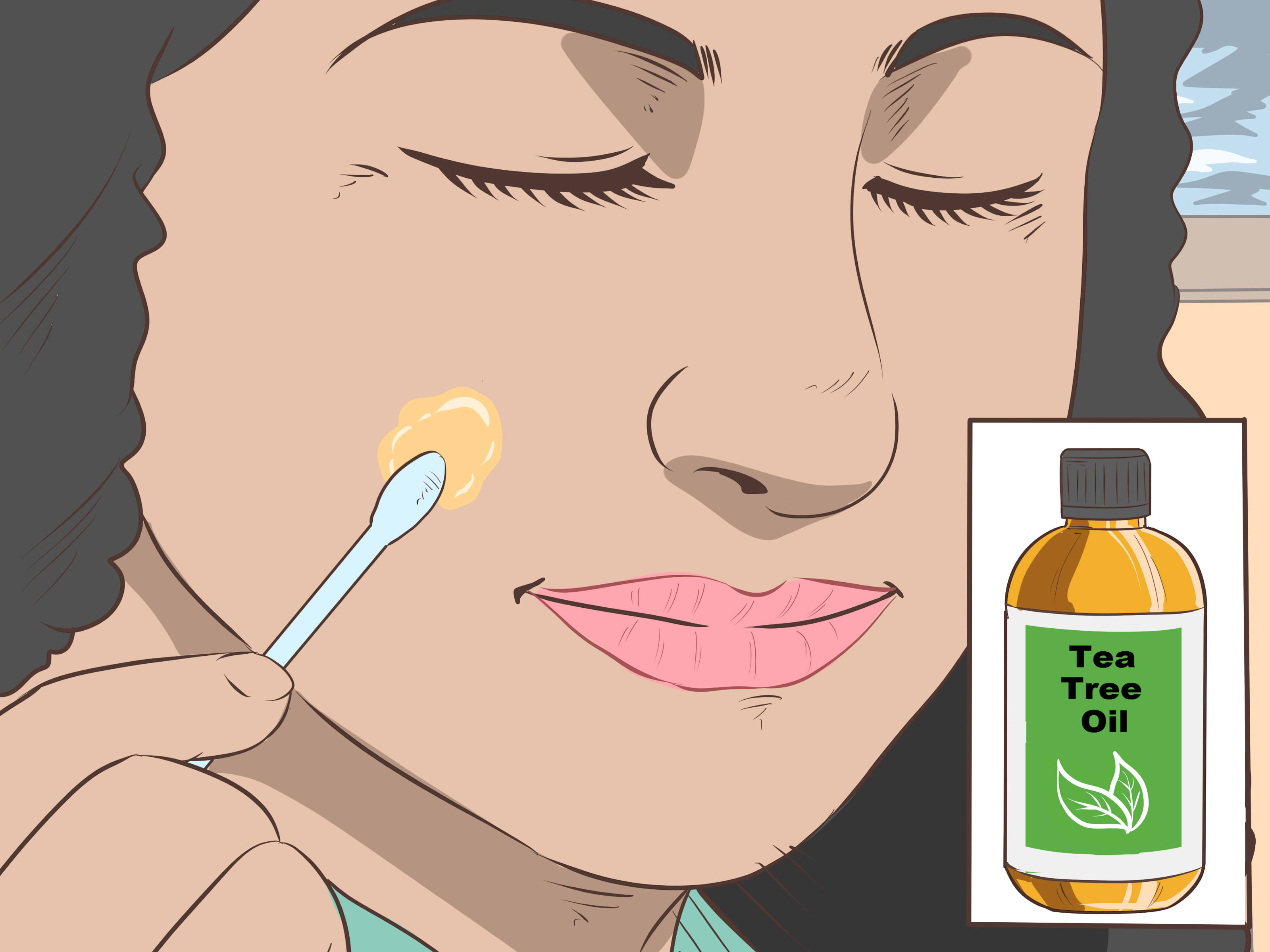
The internet has many DIY mole removal ideas, and most of them deserve a dramatic eye roll. Apple cider vinegar, garlic paste, iodine, castor oil, baking soda, dental floss, razor blades, mole removal pens, wart freeze kits, and “natural black salves” are commonly promoted online. These methods are not safe mole removal treatments.
Home Remedies Can Burn or Scar the Skin
Many so-called natural remedies are irritating or corrosive. Apple cider vinegar and garlic can inflame the skin. Strong acids, salicylic acid solutions, and black salves may destroy healthy tissue along with the targeted spot. Instead of a neat removal, you may end up with a crater-like scar, dark discoloration, or a wound that heals poorly.
You May Miss Skin Cancer
A dermatologist does more than remove the visible bump. They examine the mole and may send tissue to a lab for pathology testing. That lab result can confirm whether the mole is benign, atypical, or cancerous. If you remove a mole at home, you lose that critical safety step.
Infection Is a Real Risk
Your bathroom is not a sterile medical setting, no matter how aggressively you wipe the counter. Cutting, scraping, or burning a mole can open the skin and allow bacteria to enter. An infected wound may become red, swollen, painful, warm, or filled with pus. In some cases, infection may require antibiotics or urgent care.
Bleeding Can Be Hard to Control
Some moles have a blood supply. Cutting one off at home may lead to bleeding that is harder to stop than expected. This is especially risky for people who take blood thinners, have clotting problems, or have moles in areas that move or rub against clothing.
When a Mole Needs Medical Attention First
Before asking how to remove moles without surgery, ask whether the mole should be checked for cancer. Dermatologists often use the ABCDE rule to identify suspicious changes.
A: Asymmetry
One half of the mole does not match the other half. Benign moles are often fairly symmetrical, while suspicious lesions may look uneven or lopsided.
B: Border
A mole with jagged, blurred, scalloped, or irregular edges deserves attention. Smooth borders are usually less concerning, although not every smooth lesion is automatically harmless.
C: Color
Multiple colors in one mole can be a warning sign. Watch for mixtures of brown, black, red, white, blue, gray, or uneven pigmentation.
D: Diameter
Moles larger than about 6 millimeters, roughly the size of a pencil eraser, should be monitored carefully. Smaller moles can still be suspicious if they change.
E: Evolving
Evolution is one of the most important warning signs. A mole that changes in size, shape, color, height, texture, or sensation should be checked. Bleeding, crusting, itching, tenderness, or a sore that does not heal also needs medical evaluation.
Another helpful idea is the “ugly duckling” sign. If one mole looks noticeably different from the rest of your moles, it should be examined. Your skin often has a pattern, and the odd one out deserves a closer look.
Safe Non-Surgical Mole Removal Options
The best mole removal method depends on the mole. A dermatologist will consider its shape, color, depth, location, symptoms, and whether it needs lab testing. Here are the most common professional options that may be described as non-surgical or minimally invasive.
1. Shave Removal
Shave removal is one of the most common ways dermatologists remove raised benign moles. After numbing the area, the provider uses a sterile blade to carefully shave the mole down to the level of the surrounding skin. The area may be treated to stop bleeding, then covered with a bandage.
This method usually does not require stitches, which is why many people view it as a non-surgical mole removal option. It can work well for raised moles that catch on clothing, jewelry, or razors. However, shave removal may not remove deeper mole cells, so some moles can grow back. It may also leave a flat, lighter, darker, or slightly textured mark.
2. Punch Removal
Punch removal uses a small circular tool to remove a mole or sample of tissue. It is often used for smaller lesions when the doctor wants a full-thickness skin sample. Depending on the size and depth, the site may need one or two stitches.
Although punch removal is technically a minor procedure, it is far less involved than traditional surgery. It also allows tissue to be sent for pathology, which is a major safety advantage.
3. Laser Mole Removal
Laser treatment may be considered for certain flat, small, clearly benign pigmented spots. It uses focused light energy to target pigment in the skin. The appeal is obvious: no cutting, no stitches, and often a shorter visible healing period.
However, laser mole removal has limitations. It is usually not appropriate for suspicious moles because it may destroy tissue without leaving a sample for lab testing. It may also require multiple sessions and can cause pigment changes, especially in darker skin tones. For true moles, many dermatologists prefer methods that allow biopsy when needed.
4. Radiofrequency or Electrosurgery
Some dermatology offices use radiofrequency or electrosurgical tools to remove or flatten selected benign skin growths. These tools use controlled energy to cut, sculpt, or seal tissue. They may be useful for certain raised lesions, but they are not a one-size-fits-all solution for moles.
As with lasers, the key question is whether the mole needs pathology testing. If a lesion is suspicious, removing it in a way that preserves tissue for analysis is usually preferred.
5. Monitoring Instead of Removing
Sometimes the best “treatment” is not removal at all. If a mole is harmless, stable, and not bothering you, your dermatologist may recommend watching it. This can include regular skin exams, photos for comparison, and sun protection to reduce future damage.
Monitoring may sound boring, but boring is underrated when it comes to skin health. A stable mole that behaves itself may not need eviction.
What About Mole Removal Creams?
Mole removal creams, pastes, and drops are widely advertised online, but they are not recommended. In the United States, over-the-counter mole removal drugs are not legally approved for this purpose. Products marketed for mole removal may cause burns, scarring, infection, or delayed diagnosis of skin cancer.
Some products use harsh acids or caustic ingredients. Others rely on vague “natural” claims, which can sound gentle but still damage skin. Natural does not always mean safe. Poison ivy is natural too, and nobody invites it to brunch.
If a cream claims it can remove a mole in days, be skeptical. A mole is not just a surface stain. Many moles extend into deeper layers of the skin. A cream that irritates the surface may not fully remove the mole and may leave behind pigment, scar tissue, or abnormal cells.
What to Expect During Professional Mole Removal
A professional mole removal appointment usually begins with an examination. The dermatologist may ask how long the mole has been there, whether it has changed, whether it hurts or bleeds, and whether you have a personal or family history of skin cancer.
The provider may examine the mole with a dermatoscope, a handheld tool that allows a closer view of skin structures. If the mole looks suspicious, the doctor will usually recommend biopsy or removal for lab testing. If the mole appears benign and removal is cosmetic, you can discuss the best method, expected scar, cost, and healing time.
During the procedure, the skin is cleaned and numbed. You may feel a tiny pinch from the anesthetic injection, but the removal itself should not be painful. Afterward, the site is covered with a dressing, and you receive aftercare instructions.
Aftercare Tips for Better Healing
Good aftercare can make a big difference in how the skin heals. Follow your provider’s instructions, because different removal methods may require different care. In general, many dermatologists recommend keeping the area clean, covered, and moist with petroleum jelly during early healing.
Keep the Area Clean
Wash gently with mild soap and water. Avoid scrubbing, picking, or using harsh antiseptics unless your doctor tells you to. Your wound is healing, not auditioning for a chemical peel.
Use a Protective Bandage
A bandage helps protect the area from friction, dirt, and accidental scratching. Change it as directed, especially if it becomes wet or dirty.
Avoid Picking the Scab
Picking can increase the risk of scarring and infection. Let the skin repair itself at its own pace. Healing skin is not a peel-off sticker.
Protect the Area From Sun
Sun exposure can darken healing skin and make scars more noticeable. Once the skin has closed, use broad-spectrum sunscreen and protective clothing when the area is exposed.
Watch for Infection
Call your healthcare provider if you notice worsening redness, swelling, warmth, pus, red streaks, fever, or increasing pain. Mild tenderness can be normal, but symptoms that worsen instead of improve should be checked.
Will Mole Removal Leave a Scar?
Any method that removes skin can leave a mark. The goal is to make that mark as small and discreet as possible. Scarring depends on the mole’s size, depth, location, removal technique, your skin type, your tendency to form raised scars, and how well you follow aftercare instructions.
Shave removal may leave a flat pale spot, a pink mark, or a slightly darker patch. Excision may leave a thin line. Laser treatment may cause lighter or darker pigment changes. Areas with tension or movement, such as the shoulders, chest, and back, may scar more noticeably than areas with looser skin.
A dermatologist can explain the likely cosmetic outcome before removal. This is especially important for moles on the face, neck, lips, or other highly visible areas.
How Much Does Non-Surgical Mole Removal Cost?
The cost of mole removal varies widely. Factors include the location of the practice, the number of moles, the method used, whether pathology testing is needed, and whether removal is medically necessary or cosmetic.
If a mole is suspicious, painful, bleeding, changing, or medically concerning, insurance may cover part of the evaluation and removal, depending on your plan. Cosmetic mole removal is often paid out of pocket. Always ask about consultation fees, procedure fees, lab fees, and follow-up costs before treatment.
How to Prevent New Moles and Skin Damage
You cannot control every mole. Genetics plays a major role. But you can reduce sun-related skin damage and lower your risk of certain skin cancers by practicing smart sun protection.
- Use broad-spectrum sunscreen with SPF 30 or higher.
- Reapply sunscreen every two hours when outdoors, and after swimming or sweating.
- Wear a wide-brimmed hat, sunglasses, and sun-protective clothing.
- Seek shade, especially between late morning and mid-afternoon.
- Avoid tanning beds.
- Check your skin regularly for new or changing spots.
Sun protection will not erase existing moles, but it can help protect your skin from future damage and make post-removal discoloration less noticeable.
Best Candidates for Non-Surgical Mole Removal
You may be a good candidate for a low-invasive mole removal method if the mole has been evaluated by a dermatologist, appears benign, and bothers you because of appearance, irritation, shaving problems, or clothing friction. Raised moles on the face, neck, underarms, waistband, bra line, or scalp are common reasons people seek removal.
You may not be a good candidate for cosmetic laser or superficial removal if the mole is changing, irregular, multi-colored, bleeding, painful, very dark, newly developed in adulthood, or unlike your other moles. In those cases, diagnosis comes first. Beauty can wait; safety gets the front-row seat.
Questions to Ask Your Dermatologist
Before removing a mole, ask practical questions so you know exactly what to expect:
- Does this mole look benign or suspicious?
- Should the tissue be sent to a lab?
- Which removal method is best for this mole?
- Will I need stitches?
- What kind of scar or mark should I expect?
- How long will healing take?
- Can the mole grow back?
- What symptoms should I watch for after removal?
- Will insurance cover the procedure?
A good dermatologist will not pressure you into a cosmetic procedure without explaining the risks, benefits, alternatives, and aftercare.
Experiences and Practical Lessons: What People Often Learn About Mole Removal Without Surgery
Many people begin their mole removal journey with a small annoyance. A raised mole catches on a necklace. A facial mole shows up in every photo like it signed a modeling contract. A mole near the waistband becomes irritated every time jeans enter the chat. At first, the problem feels cosmetic or inconvenient, not medical. That is why so many people search for quick, non-surgical solutions.
A common experience is surprise during the dermatology visit. People often expect the doctor to simply remove the mole immediately, but the first step is usually evaluation. The dermatologist looks at the mole’s pattern, color, border, and history. They may ask whether it has changed or whether it bleeds. This can feel overly cautious when you just wanted a smoother shave line, but it is the reason professional removal is safer than DIY methods.
Another common lesson is that “non-surgical” does not always mean “no procedure.” Shave removal, for example, is quick and usually simple, but it still involves numbing, sterile tools, wound care, and sometimes pathology testing. Many patients are pleasantly surprised that the process is faster and less dramatic than they imagined. The numbing shot may sting for a few seconds, but the removal itself is typically comfortable.
Healing is another area where expectations matter. Some people think the skin will look perfect within two days. In reality, the area may look pink, red, or slightly scabbed while it heals. A small mark can remain for weeks or months as the skin settles. This is normal, especially for deeper or raised moles. The best cosmetic results often come from boring but consistent aftercare: clean the area, keep it covered, use ointment as instructed, avoid picking, and protect it from sunlight.
People who have tried home remedies often share a different lesson: irritation is not the same as removal. A mole may crust, burn, or peel after vinegar, acids, or harsh creams, but that does not mean the mole has been safely removed. In some cases, the skin heals with a darker stain or raised scar that is more noticeable than the original mole. The regret usually arrives right around the time the “cheap fix” becomes a dermatologist appointment anyway.
Cost is another real-world factor. Cosmetic removal may not be covered by insurance, while suspicious or symptomatic moles may be handled differently. Many people find it helpful to ask for a full cost breakdown before treatment, including lab fees. This avoids the classic medical-bill surprise party, which nobody enjoys.
The biggest takeaway from real-world mole removal experiences is simple: do not rush. Take photos of moles you are monitoring. Schedule a skin check if something changes. Choose a qualified provider. Ask about scarring before the procedure. And remember that the safest mole removal method is not the one that sounds fastest online; it is the one that correctly identifies what the mole is before removing it.
Conclusion
Removing moles without surgery is possible in some cases, but safe removal starts with proper diagnosis. Dermatologists may use shave removal, punch techniques, laser treatment, or other low-invasive methods depending on the mole. The right option depends on whether the mole is clearly benign, cosmetically bothersome, irritated, or medically suspicious.
The most important rule is this: do not remove moles at home. DIY methods can cause scars, burns, bleeding, infection, and missed skin cancer. A mole may look harmless to the untrained eye, but your skin is not the place to gamble.
If a mole bothers you, changes, bleeds, itches, hurts, or looks different from your other moles, schedule a dermatologist visit. The safest path is professional evaluation first, removal second, and confident healing afterward. Your future skin will thank youpossibly with fewer scars and much less drama.