Few gardening surprises are less welcome than reaching toward a promising tomato seedling and discovering that a neighborhood cat has already reviewed the bedand given it one very personal star. Cats often see freshly cultivated soil as a deluxe outdoor litter box: soft, easy to dig, pleasantly private, and apparently maintained by an unpaid human attendant.
Fortunately, you do not need to harm cats, wage war with the neighbors, or turn your yard into a medieval fortress. The most effective approach is to make the garden inconvenient for toileting while providing safer alternatives where appropriate. Physical barriers, motion-activated devices, careful sanitation, and consistent maintenance usually work better than one dramatic “miracle” remedy.
This guide explains how to prevent cats from pooping in the garden using 11 practical, humane strategies. It also covers safe feces removal, vegetable-garden hygiene, common deterrents to avoid, and a realistic example of how several methods can work together.
Why Do Cats Poop in Garden Beds?
Cats instinctively look for loose material they can dig into and use to cover their waste. Fresh topsoil, compost, fine mulch, sand, and newly prepared seedbeds provide nearly everything a cat wants from a bathroomexcept a tiny magazine rack.
A garden may become especially attractive when it offers privacy beneath shrubs, easy entry through a fence, nearby food, or a familiar scent from previous visits. Once a cat has used one location, lingering odor can encourage it to return. That is why simply removing the visible feces may not permanently solve the problem.
Cat waste is more than a smelly inconvenience. Feces can carry bacteria and parasites, including Toxoplasma gondii. The CDC recommends wearing gloves while gardening in potentially contaminated soil and washing your hands afterward. Cat feces should not be placed in a home compost pile or used as fertilizer.
How to Prevent Cats from Pooping in the Garden
1. Remove Feces and Reset the Area
Begin by cleaning every affected spot. Wear disposable or washable gardening gloves, pick up the feces with a scoop or inverted bag, seal it securely, and place it in the household trash according to local disposal rules. Do not bury it elsewhere in the yard, add it to compost, or leave it beside the bed for “later.” Later has a habit of becoming next Thursday.
Remove a small amount of soil or mulch that directly contacted the waste, particularly in a vegetable bed. Replace it with clean material. Wash tools, footwear, and gloves after handling contaminated soil, and wash garden produce thoroughly before eating it.
Cleaning matters because cats may return to places that already smell like a toileting site. A thorough reset will not stop every determined visitor, but it makes the next deterrent more effective.
2. Cover Bare Soil as Soon as Possible
Open, finely cultivated soil is an invitation. After planting, cover unused areas with a material that makes digging difficult. Large bark chips, coarse wood mulch, smooth river stones, pinecones, or closely spaced plantings can reduce the amount of soft ground available.
Use materials that are uncomfortable rather than dangerous. Avoid broken shells, exposed nails, sharp spikes, or anything that could injure a paw, child, bird, or distracted gardener wearing flip-flops.
Temporary protection is particularly useful after sowing seeds or transplanting seedlings. Cover the bed immediately instead of waiting for the first incident. Cats are excellent at discovering freshly prepared soil, possibly because they operate a satellite network that gardeners have not yet located.
3. Install a Humane Surface Barrier
Garden mesh, plastic cat-deterrent mats, or securely fastened wire mesh can prevent digging while allowing plants to grow through the openings. Lay the barrier flat over the soil and anchor every edge so that it cannot lift, snag an animal, or become tangled around a paw.
For existing plants, cut openings that provide adequate room for stems to expand. Cover exposed wire ends and check the barrier regularly. Plastic garden mesh is often easier to cut and shape around flowers, while rigid cloches can protect individual seedlings or small groups of plants.
These products work through texture rather than pain. Cats generally prefer a smooth patch of loose soil and may abandon a bed that no longer supports comfortable digging.
4. Use a Motion-Activated Sprinkler
A motion-activated sprinkler is one of the most useful humane cat deterrents for a garden. When an animal enters the detection zone, the device releases a brief spray of water. The surprise teaches visiting cats that the area is unpredictable without requiring anyone to chase, shout, or stand behind the hydrangeas at midnight holding a hose.
Position the sprinkler so that it covers the cat’s usual approach rather than spraying the entire yard. Test the sensor angle, water pressure, and range before leaving it active. You want a quick burst, not a recreation of a tropical monsoon.
Move the unit occasionally if cats begin using another route. Remember to deactivate it before gardening, receiving a package, or inviting someone into the yard. Motion-activated sprinklers are recommended by animal-welfare and extension resources because they deter animals without physically harming them.
5. Block Common Entry Routes
Standard fencing does not always stop cats because they can climb and jump remarkably well. Nevertheless, a well-designed boundary can make access more difficult, especially when combined with other deterrents.
Inspect the perimeter for gaps beneath gates, broken fence boards, low branches, stacked firewood, sheds, or air-conditioning units that act as convenient steppingstones. Repair openings and move climbable objects away from the fence when practical.
For persistent problems, consider a commercially designed cat-proof fence topper or inward-angled barrier. Installation should not create sharp edges or trap wildlife. If local rules, a homeowners association, or a shared property line are involved, check the requirements before modifying the fence.
Physical barriers are generally among the most dependable garden protections, although their success depends on height, nearby climbing surfaces, and alternative routes into the yard.
6. Fill Empty Spaces With Dense Planting
Cats are less likely to dig where roots, stems, and foliage leave little open soil. Use groundcovers, closely spaced annuals, low-growing herbs, or a thicker planting plan to occupy bare areas. In vegetable beds, interplanting compatible crops can reduce inviting gaps while improving the appearance of the garden.
Until plants mature, use mesh, cloches, or coarse mulch between them. Raised beds may also help, particularly when combined with removable covers. Height alone will not defeat an athletic cat, but a covered raised bed is much harder to use as a litter box.
Check every plant before adding it to a pet-accessible yard. Some plants commonly suggested online as “cat repellents” can irritate or poison animals. The ASPCA maintains a searchable database of plants that are toxic and non-toxic to pets.
7. Remove Food, Prey, and Comfortable Shelter
A cat that regularly rests or hunts in your yard is more likely to treat it as part of its territory. Remove rewards that encourage repeated visits. Secure garbage-can lids, clean outdoor grills, avoid leaving pet food outside, and keep compost containing food scraps in a closed, animal-resistant container.
Spilled birdseed can attract rodents, which may then attract cats. Clean beneath feeders and store seed in sealed containers. Trim excessively dense hiding places near the affected garden bed while preserving responsible habitat for desirable wildlife.
If someone nearby feeds community cats, ask whether the feeding station can be moved away from your property and whether leftover food can be collected after scheduled meals. Reliable food management can reduce wandering and help keep cats concentrated around a managed location.
8. Choose Repellents Carefully
Commercial cat repellents may help, particularly along entry points or around ornamental beds. Select a product specifically labeled for the intended outdoor use, follow every direction, and reapply only as instructed. Rain, irrigation, sunlight, and time can reduce effectiveness.
Do not assume that a product is safe merely because it is described as “natural.” Concentrated essential oils can be hazardous to cats through ingestion, skin exposure, or contact with contaminated fur. Citrus, eucalyptus, peppermint, tea tree, cinnamon, and several other oils can cause health problems in cats. Avoid applying essential oils directly to soil, fences, plants, or surfaces where animals may walk or groom themselves afterward.
Never use mothballs, concentrated pepper products, bleach, poisonous bait, antifreeze, or homemade chemical mixtures as animal deterrents. These methods can harm pets, wildlife, children, and the gardener. With any pesticide or repellent, use a legitimate product and follow its labelthe label is not optional bedtime reading.
9. Provide an Alternative Toilet Area
If the visiting cat belongs to you, or if you help manage a small community-cat group, an outdoor litter area can redirect toileting away from vegetables and flowers. Choose a quiet location away from edible crops, play areas, patios, water sources, and property boundaries.
Fill a large, weather-resistant container or defined ground-level area with sand or an appropriate litter material. A partially covered box can keep the contents drier. Scoop it regularly and dispose of the waste safely. An ignored outdoor litter box quickly becomes less of a solution and more of a neighborhood archaeological site.
Block access to the former toilet spots while introducing the new area. Cats are more likely to choose the alternative when it is clean, accessible, and easier to dig in than the protected garden. Penn State Extension and Alley Cat Allies both describe providing an alternative sandy or litter-filled location as a practical option.
10. Work With Neighbors and Community-Cat Caregivers
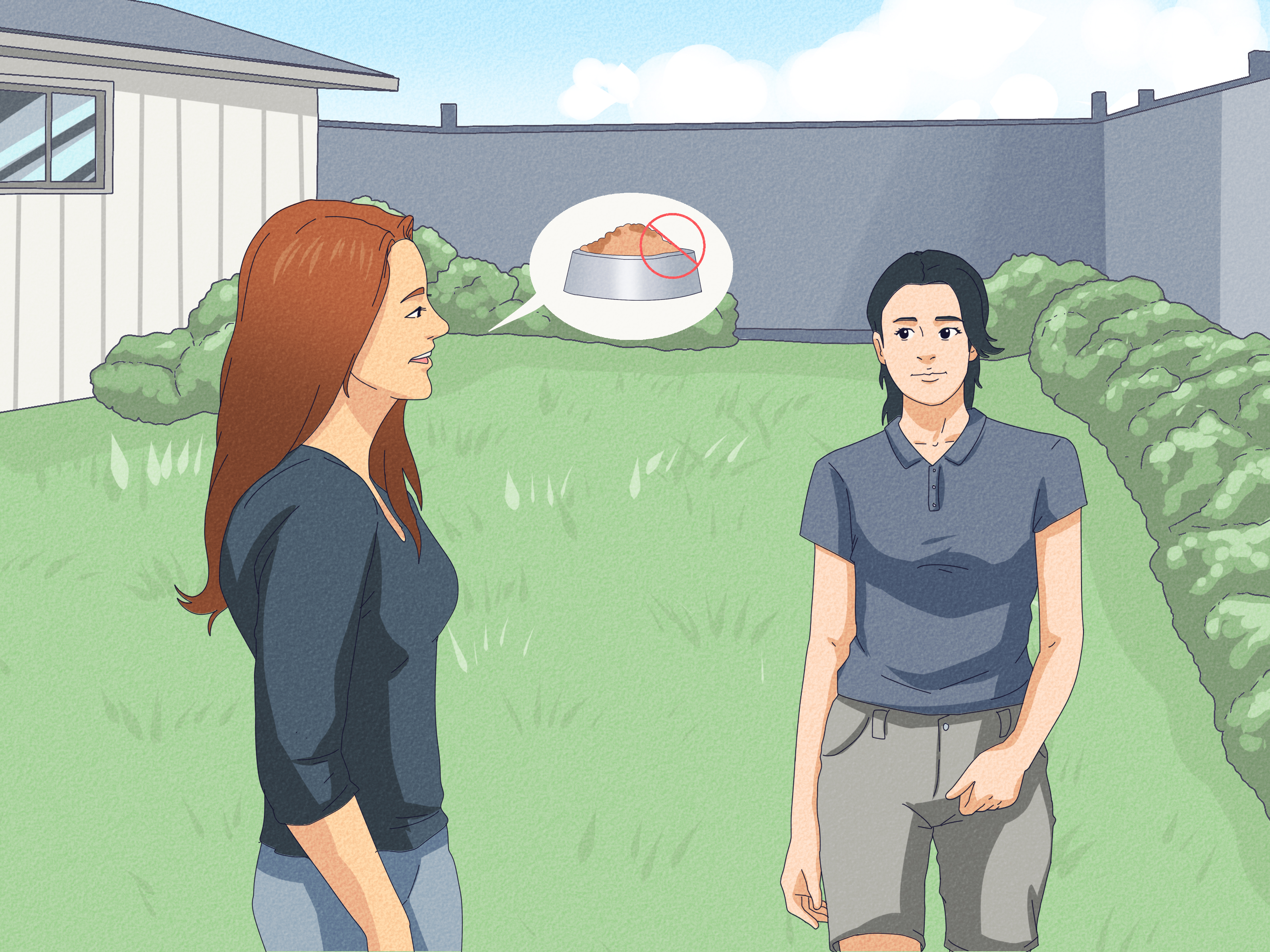
If you recognize the cat, speak politely with its owner. Explain the specific problem and the steps you have already taken. Avoid accusations, threats, or delivering a bag of evidence to the front porch. A calm conversation may lead to simple changes such as supervised outdoor time, an enclosure, a cleaner home litter box, or keeping the cat indoors.
For unowned cats, contact a reputable local animal-welfare organization or community-cat program. Trap-neuter-return-monitor programs can humanely sterilize and vaccinate community cats while helping stabilize their population over time. These programs are not an instant garden deterrent, so sanitation and physical protection are still necessary.
Do not trap or relocate a cat without understanding local laws and animal-control procedures. Relocation can endanger the animal and may not resolve the problem if other cats enter the vacated territory.
11. Combine Methods and Stay Consistent
A single tactic may work for one cat and barely impress another. The strongest plan usually combines at least three elements: remove odor cues, block digging, and interrupt the animal’s route into the garden.
For example, clean the contaminated bed, cover exposed soil with securely anchored mesh, and position a motion-activated sprinkler near the entry path. At the same time, remove food attractions and protect newly cultivated areas immediately.
Inspect the setup after storms, irrigation, planting, or yard work. Refasten loose barriers, refill sprinkler batteries, and replace washed-away repellent according to the label. Cats are persistent, but humans have opposable thumbs, online shopping, and a deep emotional investment in zucchini. Consistency usually wins.
How to Clean a Vegetable Garden After Finding Cat Feces
Put on gloves before touching the waste or surrounding soil. Remove the feces, along with any visibly contaminated mulch or a small amount of soil beneath it. Seal the material in a bag and place it in the trash. Do not compost it.
Discard produce that was directly contaminated or damaged. Wash intact fruits and vegetables under clean running water before preparing or eating them. Wash your hands with soap and water after gardening, even if you wore gloves.
People who are pregnant or immunocompromised should be especially cautious around soil that may contain cat feces. When possible, another household member should perform the cleanup. Consult a health professional for personal medical advice or after a significant exposure.
Deterrents That May Cause More Problems Than They Solve
Internet gardening advice sometimes becomes more creative than responsible. Skip any method designed to frighten, injure, poison, or trap a cat. Sharp objects, toxic substances, high-pressure water, electrical hazards, and chemical irritants have no place in a humane garden plan.
Also be skeptical of unproven “cat-repellent plants.” A strongly scented plant may have little effect on a determined cat, and some popular garden species are toxic if chewed. Likewise, ultrasonic devices produce mixed results because placement, landscaping, hearing range, and individual behavior vary.
The goal is not to punish the animal. It is to change the environment so that your garden becomes a poor bathroom choice and another location becomes easier.
Experience-Based Example: Turning a Favorite Cat Toilet Back Into a Garden
The following composite example reflects common situations and practical lessons reported by gardeners; it is not presented as a single verified personal case.
Imagine a homeowner with two raised vegetable beds beside a wooden fence. For several months, nothing unusual happens. Then the beds are refreshed with soft compost before spring planting. Within days, small holes begin appearing between the lettuce seedlings. The mystery ends one morning when the gardener discovers a neatly buried deposit and a set of paw prints leading toward a gap beneath the gate.
The first reaction is to scatter orange peels across the bed. The garden smells pleasantly citrusy for approximately one afternoon. Rain arrives, the peels flatten, and the cat returns to conduct another unauthorized soil inspection. A decorative “Keep Cats Out” sign also fails, mainly because the cat cannot read and appears emotionally unmoved by typography.
The gardener then takes a more systematic approach. Wearing gloves, they remove the feces and the small amount of mulch directly beneath it. Tools and hands are washed afterward. The contaminated material goes into the household trash rather than the compost pile.
Next, the homeowner places plastic garden mesh over the open soil, cuts generous holes around the vegetables, and secures the edges with landscape staples. Large bark chips cover the remaining exposed sections. This immediately removes the soft, diggable texture that attracted the cat.
The gap under the gate is closed with a smooth barrier that has no sharp edges. However, paw prints soon appear on the opposite side of the bed, revealing that the visitor has simply changed routes. This is a useful lesson: cats rarely submit a formal notice when revising their travel plans.
A motion-activated sprinkler is installed facing the newly discovered approach. The first few nights produce evidence of activation but no additional feces. After a week, the sprinkler is moved slightly so the cat cannot learn to walk around its detection zone.
Meanwhile, the gardener notices spilled birdseed near the fence and mouse activity beneath a storage shelf. The feeder area is cleaned, seed is stored in a sealed container, and clutter is removed. The yard becomes less rewarding as a hunting ground and resting spot.
The homeowner also speaks with a neighbor, who confirms that the visitor is an indoor-outdoor pet. The conversation remains friendly and focused on the vegetable bed rather than on whether the cat is secretly running the neighborhood. The neighbor agrees to bring the cat indoors overnight and refresh its home litter boxes more frequently.
During the first two weeks, the gardener checks the bed every morning. One section of mesh lifts after heavy rain and is immediately resecured. Lettuce grows through the openings, gradually covering more soil. The sprinkler remains active during the cat’s usual visiting hours but is turned off before anyone enters the garden.
After several weeks, the incidents stop. No single product deserves all the credit. Success comes from removing the existing scent, changing the soil texture, closing obvious access points, reducing attractions, interrupting the cat’s routine, and gaining the neighbor’s cooperation.
The practical takeaway is simple: begin with sanitation, choose two or three humane barriers, and watch how the cat responds. Treat each new paw print as information rather than defeat. Gardens change, cats adapt, and deterrents sometimes need to move. A flexible plan is far more reliable than dumping one strongly scented substance around the yard and hoping the neighborhood feline committee cancels your address.
Conclusion
To prevent cats from pooping in the garden, focus on making the soil difficult to dig, removing the smells and rewards that encourage return visits, and protecting common entry routes. Clean contaminated areas promptly, cover bare soil, use safe physical barriers, and consider a motion-activated sprinkler for persistent visitors.
Use repellents cautiously and avoid concentrated essential oils, poisons, sharp objects, and other harmful home remedies. When owned or managed cats are involved, cooperation, responsible cat care, and an alternative toilet area may resolve the problem more effectively than confrontation.
Most importantly, combine several methods and maintain them consistently. Your garden does not need to become hostile. It merely needs to stop looking like the finest litter box on the block.