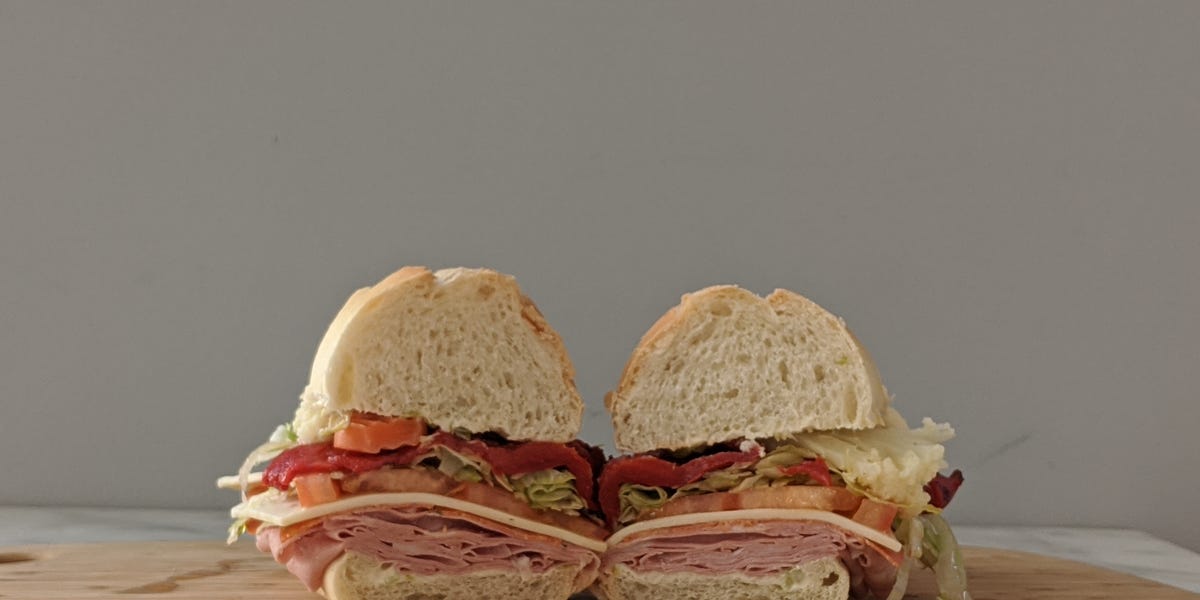
A sandwich can be a masterpiece of contrasting textures and balanced flavorsor two slices of bread holding a small meeting about disappointment. The difference rarely comes from expensive ingredients. It comes from choosing the right bread, seasoning every layer, controlling moisture, and assembling everything so that each bite contains a little of the good stuff.
Whether you are making a turkey sandwich for lunch, a towering Italian sub, a vegetable-packed pita, or a gloriously gooey grilled cheese, the following techniques will help you make better sandwiches without turning your kitchen into a delicatessen.
Start With Bread That Matches the Filling
Bread is not merely sandwich packaging. It determines how the sandwich feels, tastes, travels, and survives its journey from plate to mouth. A delicate filling such as egg salad works well with soft sandwich bread, brioche, or a tender roll. Juicy meatballs, grilled vegetables, and heavily dressed greens need sturdier options such as ciabatta, focaccia, sourdough, or a crusty sub roll.
The goal is structural compatibility. If the bread is too soft, wet fillings may turn it into wallpaper paste. If it is too thick or chewy, the sandwich may squeeze its contents onto your shirt with every bite. Ideally, the bread should support the ingredients without overpowering them.
Research basis:
Adjust the Bread-to-Filling Ratio
Large rolls often contain more bread than a sandwich actually needs. Scoop out a little of the soft interior when using a thick baguette, hoagie roll, or round loaf. This creates space for fillings and improves the bread-to-filling ratio. Do not hollow it out completely, however, unless you want to eat your lunch from your lap.
Toast With a Purpose
Light toasting adds aroma, flavor, and resistance to moisture. It is especially useful for tomato sandwiches, tuna melts, saucy vegetables, and anything that must sit before being eaten. Toast only until the surface becomes slightly crisp while the center remains tender. Bread toasted into a roofing tile may be durable, but lunch should not require protective dental equipment.
For pressed sandwiches, toast the interior before assembly or brush the cut surfaces with a small amount of olive oil. For grilled cheese, cook over medium-low or low heat so the cheese has time to melt before the bread becomes too dark.
Research basis:
Season Every Important Ingredient
One of the biggest differences between a forgettable homemade sandwich and a memorable deli sandwich is seasoning. Many home cooks season the meat but leave the tomatoes, cucumbers, avocado, and lettuce completely untouched. The result is a sandwich with isolated pockets of flavor separated by large regions of edible silence.
Salt Your Tomatoes
Season tomato slices with salt and freshly ground black pepper before adding them. For an extra-flavorful BLT or tomato sandwich, let the seasoned slices rest for several minutes on a rack or paper towel. The salt improves their flavor while excess surface moisture drains away.
Do not season tomatoes hours in advance unless you want them extremely soft. A few minutes is usually enough for lunch-sized slices.
Research basis:
Dress the Lettuce
Dry lettuce provides crunch but not much excitement. Toss shredded iceberg, romaine, cabbage, or arugula with a very small amount of vinaigrette before building the sandwich. A basic mixture of olive oil, red wine vinegar, Dijon mustard, oregano, salt, and pepper works beautifully on Italian subs, turkey sandwiches, and vegetable wraps.
Use less dressing than you would for a salad. The leaves should be lightly glossy, not swimming. Pickle brine, lemon juice, or the liquid from pickled peppers can also provide quick acidity.
Research basis:
Wake Up Mild Fillings
Chicken salad, tuna salad, mashed avocado, and sliced turkey often need more than salt. Try lemon zest, black pepper, chopped scallions, celery, capers, fresh dill, parsley, smoked paprika, or a few drops of hot sauce. Taste the filling before it touches the bread. If it is bland in the bowl, it will not suddenly develop a personality inside a sandwich.
Balance Fat, Salt, Acid, Heat, and Freshness
A satisfying sandwich usually contains several forms of contrast. Rich ingredients such as cheese, mayonnaise, avocado, bacon, or roasted meat benefit from something sharp and acidic. Lean proteins often need a creamy spread. Salty cured meats become more interesting when paired with fresh herbs or crisp vegetables.
Add Acidity to Rich Sandwiches
Pickles are the obvious choice, but they are not the only one. Pickled onions, pepperoncini, sauerkraut, olive salad, mustard, vinegar-dressed cabbage, kimchi, and marinated peppers can cut through rich fillings. Even a squeeze of lemon can rescue a tuna sandwich that tastes heavy.
The acid should brighten the sandwich, not make your face collapse inward. Begin with a modest amount and add more after tasting.
Use Fresh Herbs Generously
Cilantro, basil, mint, dill, parsley, chives, and tarragon add fragrance and freshness without making a sandwich heavier. Basil naturally complements tomatoes and mozzarella. Dill works with cucumbers, eggs, salmon, and chicken salad. Cilantro and mint can transform grilled meat, tofu, or roasted vegetable sandwiches.
A Vietnamese-style sandwich demonstrates this balance particularly well: crisp bread, rich pâté or meat, creamy mayonnaise, salty seasoning, pickled vegetables, cucumber, chile, and fresh cilantro. Each ingredient has a job, and none of them is “stand there looking decorative.”
Research basis:
Create a Simple Flavor Formula
When inventing a sandwich, use this practical formula:
- One main filling: turkey, chicken, roast beef, eggs, tuna, tofu, beans, or grilled vegetables.
- One creamy element: mayonnaise, avocado, hummus, soft cheese, pesto, or yogurt sauce.
- One acidic element: mustard, pickles, vinegar, citrus, sauerkraut, or marinated peppers.
- One fresh element: lettuce, herbs, sprouts, cucumber, tomato, or cabbage.
- One contrasting texture: toasted bread, crispy onions, bacon, nuts, seeds, or potato chips.
You do not need all five categories every time, but this framework prevents a sandwich from becoming one uninterrupted layer of softness.
Upgrade Your Spreads and Condiments
Spreads contribute moisture, flavor, richness, and protection against sogginess. Apply them evenly and reach the edges of the bread. An uncovered corner is often where the driest, saddest bite lives.
Turn Plain Mayonnaise Into a Real Sauce
Mayonnaise is an excellent starting point because it accepts almost any strong seasoning. Mix it with one or two of the following:
- Dijon mustard and chopped pickles
- Sriracha and lime juice
- Pesto and lemon zest
- Roasted garlic and black pepper
- Chipotle peppers and smoked paprika
- Horseradish and chopped chives
- Ketchup, mustard, and pickle relish
A flavored mayonnaise can provide creaminess, acidity, heat, and seasoning in a single layer. It is the culinary equivalent of hiring one person who somehow does four jobs and still answers emails.
Research basis:
Use More Than One Sauce Carefully
Two complementary sauces can create greater depth than one heavy spread. Try mustard on one slice and mayonnaise on the other, or pesto below the cheese with balsamic dressing on the greens. Keep the quantities controlled. A sandwich should be moist, not legally classified as a beverage.
Protect Bread From Wet Ingredients
Butter, mayonnaise, cheese, avocado, and other fatty spreads can form a moisture-resistant layer between bread and juicy fillings. Spread a thin coating on both interior surfaces when packing a sandwich ahead of time. Cheese slices and lettuce leaves can also act as protective barriers around tomatoes, pickles, and dressed vegetables.
Research basis:
Build Better Texture
Flavor matters, but texture often determines whether a sandwich remains exciting after the first few bites. The easiest improvement is adding something crisp to a sandwich dominated by soft ingredients.
Potato chips work surprisingly well with tuna, turkey, ham, peanut butter, or grilled cheese. Other options include toasted breadcrumbs, crispy onions, shredded cabbage, radishes, toasted nuts, seeds, fried shallots, or a thin layer of crunchy pickles.
Fold Thinly Sliced Deli Meat
Instead of laying deli meat in a dense, flat stack, fold or loosely roll individual slices. The folds create air pockets and a lighter texture while helping the meat spread across the sandwich. This technique also prevents one bite from containing all the turkey while the next contains only lettuce and regret.
Research basis:
Slice Ingredients for Easy Biting
Cut firm vegetables thinly so they do not slide out. Slice grilled meat across the grain. Break long bacon strips into smaller pieces. Crumble hard cheeses or shave them thinly rather than using an awkward slab. Every ingredient should be easy to bite through at roughly the same pressure.
Pay Attention to Temperature
A hot sandwich tastes best when the hot ingredients are actually hot and the fresh ingredients remain fresh. Heat the meat and cheese together, then add lettuce, herbs, and other delicate vegetables after cooking.
For grilled cheese and melts, use moderate heat and give the center time to warm. Grating or thinly slicing the cheese helps it melt faster. Covering the pan briefly can trap enough heat to finish the cheese, but remove the cover before serving so excess steam does not soften the exterior.
Rest Crispy Sandwiches Properly
Place a freshly grilled sandwich on a wire rack for a minute or two before slicing. Air circulation allows steam to escape instead of collecting beneath the bread. A plate traps moisture and can soften the bottom crust just when you were preparing to admire it.
Research basis:
Wrap Sandwiches That Benefit From Steam
Some hot sandwiches improve when wrapped tightly in parchment, foil, or sandwich paper for several minutes. Breakfast sandwiches, cheesesteaks, chopped cheese sandwiches, and hot subs become warmer, softer, and more cohesive as the trapped heat finishes melting the cheese.
Pressed cold sandwiches can also benefit from wrapping and resting. Muffulettas, pan bagnat, and sturdy picnic sandwiches become more flavorful as their oils, dressings, and vegetable juices move into the bread. Soft tuna sandwiches and delicate lettuce sandwiches, however, are better eaten promptly.
Research basis:
Assemble the Sandwich in the Right Order
Good layering improves flavor distribution, moisture control, and stability. There is no universal order for every sandwich, but this sequence works well for many cold versions:
- Bread with a thin layer of spread
- Cheese or another moisture barrier
- Folded meat or main filling
- Pickles, onions, or other assertive toppings
- Seasoned tomatoes or cucumbers
- Lightly dressed greens
- Second protected slice of bread
Place slippery ingredients between textured layers that can hold them in place. Avoid stacking tomatoes directly against avocado, for example, unless you are testing a new frictionless transportation system.
Research basis:
Distribute Ingredients to the Edges
Spread fillings evenly rather than creating a mountain in the center. Every bite should contain bread, filling, seasoning, and texture. Pay special attention to corners, particularly when making square sandwiches.
Do Not Overfill
A larger sandwich is not automatically a better sandwich. If you must unhinge your jaw or compress the sandwich until the tomatoes escape, the proportions need adjustment. Remove excess bread, reduce duplicate fillings, or divide the ingredients between two smaller sandwiches.
Make Packed Sandwiches Taste Fresh
When preparing lunch several hours in advance, cool cooked ingredients before assembly, dry washed vegetables thoroughly, and keep particularly wet components separate. Pack tomatoes, dressed greens, and pickles in a small container and add them immediately before eating when possible.
Perishable sandwiches should remain cold. An insulated lunch bag with cold sources helps protect meats, cheeses, eggs, and mayonnaise-based fillings until lunchtime. Keep raw-meat cutting boards and utensils separate from ready-to-eat bread and vegetables.
Research basis:
Try These Fast Sandwich Upgrades
- Add pickle brine and dill to tuna salad.
- Season tomatoes before making a BLT.
- Mix pesto into mayonnaise for turkey sandwiches.
- Add potato chips to ham and cheese.
- Toss shredded lettuce with oil, vinegar, and oregano for an Italian sub.
- Pair roast beef with horseradish mayonnaise and pickled onions.
- Add lemon zest and black pepper to chicken salad.
- Spread butter beneath jam to keep a packed sandwich from becoming soggy.
- Add sliced apple and mustard to cheddar or turkey.
- Use hummus, pickled vegetables, and fresh herbs in a vegetarian sandwich.
Experience-Based Lessons From a Week of Better Sandwiches
The most useful way to improve sandwiches is to change one variable at a time. Make the familiar sandwich first, then alter the bread, seasoning, sauce, texture, or construction. This turns an ordinary lunch into a small kitchen experimentand unlike most experiments, the failed versions are usually still covered in cheese.
Day One: Seasoning Makes the Biggest Immediate Difference
Begin with a basic turkey sandwich. Build one version with plain tomato and lettuce. For the second, season the tomato with salt and pepper, then toss the lettuce with a few drops of olive oil and vinegar. Keep everything else identical.
The seasoned version will usually taste more complete even though it contains the same meat, cheese, and bread. This demonstrates an important lesson: salty ingredients do not automatically season neighboring ingredients. Turkey may be salty, but a thick slice of tomato can still taste watery and flat.
Day Two: Better Bread Does Not Always Mean Fancier Bread
Try chicken salad on crusty sourdough, then try it on soft sandwich bread. The sourdough may have more character, but its chewiness can overwhelm the creamy filling and push the salad out with each bite. Soft bread may create the more enjoyable sandwich because it matches the texture of the filling.
Repeat the comparison with a saucy meatball sandwich. This time, the sturdy bread is likely to win. The experience shows that choosing bread is not a contest to find the most artisanal loaf. It is a matchmaking exercise.
Day Three: Texture Can Rescue Leftovers
Leftover roasted chicken often becomes dry after refrigeration. Shredding it and adding mayonnaise helps, but the sandwich may remain monotonously soft. Add thin cabbage, toasted almonds, crispy onions, or crushed potato chips. Suddenly the filling feels livelier even before adding more seasoning.
Texture changes how long a sandwich stays interesting. A little crunch gives the mouth something new to encounter, especially in egg salad, tuna salad, pulled pork, peanut butter, or grilled cheese sandwiches.
Day Four: Acidity Controls Richness
Make two grilled ham and cheese sandwiches. Add pickled onions or mustard to one. The richer the cheese and meat, the more noticeable the acidic ingredient becomes. It does not merely add sourness; it keeps the fat and salt from becoming exhausting halfway through the meal.
This principle applies beyond pickles. Lemon juice can brighten tuna. Sauerkraut balances corned beef and melted cheese. Vinegar-dressed cabbage wakes up pulled pork. A spoonful of olive salad can energize a stack of cured meats.
Day Five: Construction Changes the Eating Experience
Build one deli sandwich with meat slices stacked flat. Build another with each slice loosely folded. The folded sandwich looks taller, but the improvement is not just visual. It feels lighter and makes it easier to distribute the meat evenly from edge to edge.
Next, place tomatoes directly against the bread in one sandwich and between cheese and lettuce in another. After a short rest, the protected bread should remain firmer. Layering cannot eliminate all moisture, but it can decide where that moisture goes.
Day Six: Resting Can Help or Hurt
Wrap a hot breakfast sandwich for three to five minutes. The cheese continues melting, the roll softens slightly, and the fillings settle into a cohesive package. Now place a grilled cheese directly on a flat plate after cooking. The trapped steam may soften the bottom. Rest another grilled cheese briefly on a rack, and it should retain more crunch.
The lesson is that “resting” is not one universal technique. Wrap a sandwich when you want softness, steam, and cohesion. Use airflow when you want crispness.
Day Seven: Simplicity Usually Wins
Finish the week by building a sandwich with every exciting ingredient in the refrigerator. It may contain three cheeses, two meats, avocado, pickles, hot sauce, pesto, mustard, tomatoes, onions, and enough lettuce to frighten a rabbit. Then make a simpler version with one protein, one cheese, one sauce, one acidic ingredient, and one crisp vegetable.
The simpler sandwich will often taste clearer because every ingredient has space to contribute. Great sandwiches are not defined by the number of layers. They are defined by balance. Once the bread, seasoning, moisture, acidity, richness, and texture are working together, even a humble ham sandwich can taste carefully designed.
Conclusion
To make all your sandwiches taste better, stop treating assembly as the entire cooking process. Match the bread to the filling, season vegetables independently, add acidity to rich ingredients, dress the greens, create texture, and spread condiments all the way to the edges. Then layer everything with moisture control and biteability in mind.
You do not need rare cheese, imported meat, or a sandwich press with its own mortgage. A better result can begin with salted tomatoes, folded turkey, lightly dressed lettuce, and five extra minutes of attention. Respect every layer, and your next sandwich will taste less like an emergency lunch and more like something you would happily pay for.
Note: Adjust added salt according to the saltiness of cured meats, cheeses, pickles, sauces, and other prepared ingredients.