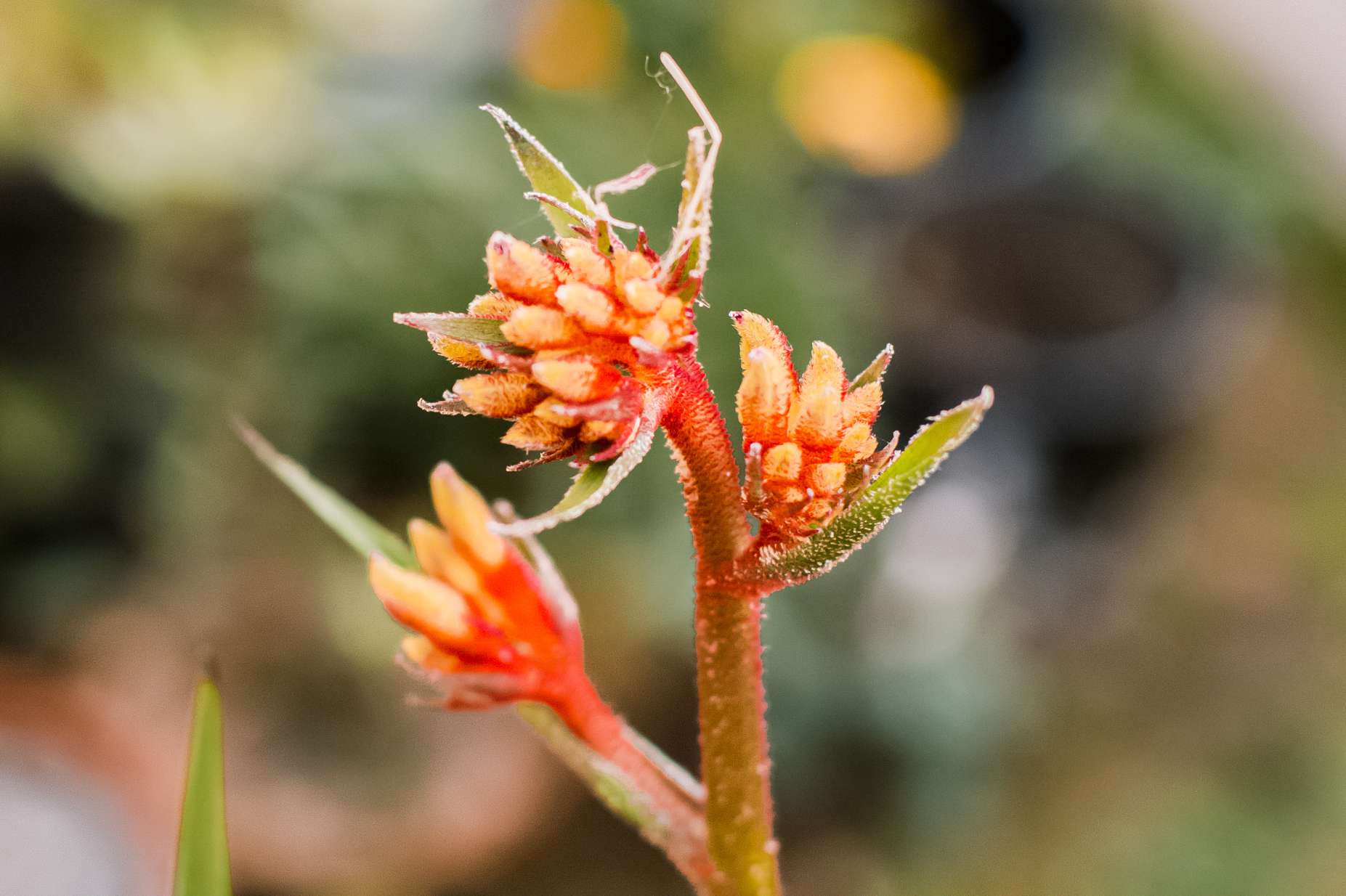
Kangaroo paw is the kind of plant that makes people stop mid-walk and ask, “Excuse me, what is that fuzzy alien flower doing in your garden?” With upright stems, velvety tubular blooms, and colors that range from sunny yellow to deep red, orange, pink, burgundy, and green, kangaroo paw brings instant drama without looking fussy. Its botanical name is Anigozanthos, and although it comes from Australia, it can be grown successfully in many warm, sunny parts of the United States.
The secret is simple but nonnegotiable: kangaroo paw loves sun, sharp drainage, good airflow, and careful watering. Give it soggy soil and it sulks. Give it shade and it becomes a leafy philosopher with very few flowers. Give it the right conditions, though, and it becomes a long-blooming, hummingbird-friendly, conversation-starting perennial that looks fantastic in borders, containers, cutting gardens, and water-wise landscapes.
This in-depth guide explains how to grow and care for kangaroo paw, including where to plant it, how much water it needs, when to prune it, how to prevent disease, and how to keep those unusual paw-shaped blooms coming back like they have a calendar reminder.
What Is Kangaroo Paw?
Kangaroo paw is a clump-forming perennial in the genus Anigozanthos. Most types grow from underground rhizomes and produce narrow, strap-like leaves at the base. From that grassy foliage rise tall, leafless flower stems topped with fuzzy tubular blooms. The flowers are covered in tiny hairs, giving them a soft, velvety look. When the bloom opens, the tips split and curve back, creating the paw-like shape that gives the plant its common name.
Depending on the variety, kangaroo paw may stay compact at about 1 to 2 feet tall or stretch into a bold vertical accent reaching 4 to 6 feet or more. Dwarf varieties are excellent for pots and small gardens, while taller varieties create architectural impact in sunny borders.
Quick Kangaroo Paw Plant Profile
- Botanical name: Anigozanthos spp.
- Common name: Kangaroo paw
- Plant type: Evergreen or semi-evergreen perennial in warm climates
- USDA zones: Usually 9 to 11, depending on variety and winter protection
- Light: Full sun
- Soil: Sandy, well-draining, slightly acidic to neutral soil
- Water: Moderate during growth and bloom; reduced in winter
- Bloom time: Spring through fall in favorable climates
- Flower colors: Red, yellow, orange, pink, green, burgundy, and bicolor forms
- Best uses: Containers, borders, xeriscapes, coastal gardens, cutting gardens
Where to Grow Kangaroo Paw
Kangaroo paw performs best outdoors in warm, frost-free regions. In the United States, that usually means coastal and inland parts of California, mild areas of the Southwest, portions of the Gulf Coast, and warm microclimates where winter temperatures do not regularly dip below freezing.
Gardeners in colder regions can still enjoy kangaroo paw as a container plant. Grow it outdoors during the warm season, then move it indoors to a bright, protected location before frost arrives. Think of it as a summer guest with dramatic fashion sense: wonderful on the patio, but not interested in freezing weather.
Best Garden Locations
Choose a spot that receives at least six hours of direct sun each day. More sun usually means stronger stems and more flowers. Kangaroo paw also appreciates open air circulation, especially in humid regions where fungal problems can develop on crowded or damp foliage.
Good planting locations include sunny borders, raised beds, rock gardens, dry slopes, Mediterranean-style landscapes, and containers on patios or balconies. Avoid low spots where water collects after rain. Kangaroo paw does not want to sit in a puddle wearing wet socks.
Light Requirements
Full sun is one of the most important parts of kangaroo paw care. The plant can tolerate a little light afternoon shade in very hot inland climates, but too much shade leads to weak growth, fewer flowers, and greater disease risk.
If your kangaroo paw is producing lots of leaves but few blooms, light is one of the first things to check. Move potted plants into a brighter location. For in-ground plants, prune back nearby shrubs or relocate the plant during the appropriate planting season.
Soil Requirements
The best soil for kangaroo paw is fast-draining, sandy, and slightly acidic to neutral. Drainage matters more than richness. Heavy clay soil can suffocate the roots and encourage rhizome rot, especially during cool, wet weather.
If your garden soil is dense, improve the planting area before adding kangaroo paw. Raised beds are often the easiest fix. You can also amend the soil with coarse sand, fine gravel, pumice, or other mineral materials that improve drainage. Compost can be helpful in moderation, but do not create a rich, water-holding pocket in otherwise heavy ground.
Soil Tips for Success
- Plant slightly high so the crown sits at or just above soil level.
- Avoid burying the crown, which can invite rot.
- Use raised beds if your soil drains slowly.
- For containers, use a cactus, succulent, or native-plant potting mix with excellent drainage.
- Make sure pots have drainage holes. Decorative cachepots without holes are beautiful little plant traps.
How to Plant Kangaroo Paw
Plant kangaroo paw in spring after the danger of frost has passed. In mild climates, fall planting can also work because it gives roots time to settle before hot weather arrives. However, avoid planting right before a cold, wet winter if your area has heavy soil.
Step-by-Step Planting Guide
- Choose the right location. Select a sunny, well-drained site with good airflow.
- Prepare the soil. Loosen the soil and improve drainage if needed.
- Dig the hole. Make it about twice as wide as the nursery pot and just as deep.
- Remove the plant gently. Slide the plant from its container without tearing the roots.
- Set the crown correctly. Place the root ball so the top is level with or slightly above the surrounding soil.
- Backfill and firm lightly. Do not compact the soil aggressively.
- Water well. Give the plant a deep drink to settle the soil around the roots.
- Mulch carefully. Use gravel or a light organic mulch, but keep it away from the crown.
Space plants according to their mature size. Compact varieties may need only 12 to 18 inches of space, while larger types may need 2 to 4 feet. Crowding reduces airflow, and kangaroo paw prefers a little breathing room, like most of us after a holiday dinner.
Watering Kangaroo Paw
Kangaroo paw is often described as drought-tolerant, but that does not mean it wants to be ignored completely. Young plants need consistent moisture while they establish roots. Mature plants can handle dry spells, but they bloom best with moderate watering during active growth and flowering.
Water deeply, then let the soil dry slightly before watering again. The exact schedule depends on your climate, soil, container size, and season. In sandy soil during hot weather, plants may need water once or twice a week. In cooler weather or heavier soil, they need much less.
Watering by Season
- Spring: Increase watering as new growth and flower stems appear.
- Summer: Water deeply during heat, especially for potted plants.
- Fall: Reduce watering as growth slows.
- Winter: Keep soil on the drier side, especially in cool climates.
The most common watering mistake is keeping the soil constantly wet. Kangaroo paw roots and rhizomes need oxygen. If the plant is yellowing, collapsing, or developing blackened mushy growth near the base, overwatering or poor drainage may be the problem.
Fertilizing Kangaroo Paw
Kangaroo paw is not a heavy feeder, but it does appreciate light nutrition during the growing season. Use a balanced, slow-release fertilizer or a fertilizer formulated for Australian native plants. These are often lower in phosphorus, which is a safer choice for many plants adapted to Australian soils.
Feed in spring as growth begins, then again lightly after a major pruning or bloom cycle if the plant is actively growing. Avoid overfertilizing, especially with high-nitrogen products. Too much nitrogen can encourage leafy growth at the expense of flowers.
Smart Feeding Tips
- Use a light hand with fertilizer.
- Choose low-phosphorus formulas when possible.
- Do not fertilize a stressed, waterlogged, or diseased plant.
- Water before and after applying granular fertilizer to avoid root burn.
- Container plants may need more frequent but diluted feeding than in-ground plants.
Pruning Kangaroo Paw
Pruning is one of the best ways to keep kangaroo paw healthy, tidy, and blooming. Remove spent flower stems at the base rather than snipping only the faded tips. This encourages fresh growth and reduces places where disease can linger.
After a main flowering flush, cut old flower stalks down near the crown. Remove dead, damaged, or blackened leaves as soon as you notice them. In late winter or early spring, you can clean up older clumps by removing tired foliage and allowing new growth to emerge.
How Hard Should You Prune?
Tall, vigorous kangaroo paw varieties usually tolerate harder pruning than compact, short-lived hybrids. Established clumps can often be cut back significantly after flowering. Smaller container varieties should be pruned more gently, removing spent stems and diseased leaves without stripping the plant completely.
Always use clean, sharp pruners. If you are removing diseased foliage, disinfect your tools afterward and throw infected material in the trash rather than composting it.
Growing Kangaroo Paw in Containers
Container growing is an excellent option for kangaroo paw, especially if your garden soil is heavy or your winter weather is too cold. Pots also let you move the plant to the sunniest spot, protect it from heavy rain, and bring it indoors during cold snaps.
Choose a container with excellent drainage. Terra-cotta pots are useful because they dry faster than plastic, though they may need more frequent watering in hot climates. Use a gritty potting mix designed for succulents, cactus, or Mediterranean plants.
Container Care Checklist
- Use a pot with drainage holes.
- Place the container in full sun.
- Water when the top few inches of mix feel dry.
- Do not allow the pot to sit in a saucer of water.
- Repot when the clump becomes crowded or drainage slows.
- Move indoors before frost if you live outside its hardiness range.
Indoors, kangaroo paw needs very bright light. A sunny south- or west-facing window is best. If light is weak, use a grow light. Keep indoor plants away from heating vents, cold drafts, and overly damp soil.
Temperature and Winter Care
Kangaroo paw likes warmth and does not tolerate hard frost. Many varieties perform best where winters are mild and summers are sunny. In borderline climates, plant kangaroo paw in a protected location near a warm wall, in a raised bed, or in a container that can be moved under cover.
If frost is expected, cover in-ground plants with frost cloth before temperatures drop. For potted plants, move them into a garage, greenhouse, sunroom, or bright indoor space. During winter, reduce watering and avoid fertilizing until active growth resumes.
Common Kangaroo Paw Problems
Kangaroo paw is fairly low-maintenance when grown in the right conditions, but stress can invite problems. Most issues are connected to excess moisture, poor airflow, too much shade, or incorrect pruning.
Ink Spot Disease
Ink spot is a fungal problem that causes dark marks or blackened areas on leaves and stems. It is more common in humid, crowded, or poorly ventilated conditions. To reduce the risk, plant kangaroo paw in full sun, avoid overhead watering, remove old foliage, and space plants properly.
Root and Crown Rot
Rot usually appears when soil stays wet for too long. Symptoms may include yellowing leaves, wilting despite moist soil, soft stems, and collapse near the crown. Prevention is far easier than rescue: plant in fast-draining soil, keep the crown high, and water only when needed.
Snails and Slugs
Snails and slugs may chew leaves, especially on young plants or in damp areas. Reduce hiding places, water early in the day, and use traps or appropriate controls if damage becomes noticeable.
Few or No Flowers
If kangaroo paw refuses to bloom, check sun exposure first. Too much shade is a common cause. Other reasons include overfertilizing with nitrogen, underwatering during bud formation, a crowded clump, or an exhausted short-lived hybrid that needs replacing.
How to Propagate Kangaroo Paw
The most reliable way to propagate kangaroo paw is by division. Mature clumps can be divided in spring when new growth begins. This refreshes older plants and gives crowded rhizomes more room to grow.
To divide kangaroo paw, lift the clump carefully, separate healthy sections with roots attached, trim away dead or diseased material, and replant divisions immediately in well-drained soil. Water lightly after planting, then avoid keeping the soil soggy.
Kangaroo paw can also be grown from seed, but seed-grown plants may vary, especially if collected from hybrids. Division is usually faster and more predictable for home gardeners.
Best Companion Plants for Kangaroo Paw
Kangaroo paw looks stunning with plants that enjoy similar sunny, well-drained conditions. Pair it with ornamental grasses, succulents, lavender, rosemary, salvia, agave, yucca, lantana, or other drought-tolerant perennials. The upright flower stems contrast beautifully with mounding, silver, blue-green, or fine-textured foliage.
In a modern landscape, use kangaroo paw in repeated groups for rhythm. In a cottage-style garden, let it pop through softer plantings like a botanical firework. In containers, combine dwarf kangaroo paw with trailing plants that do not demand too much water.
Cut Flowers and Wildlife Value
Kangaroo paw makes an excellent cut flower. Harvest stems when some flowers have opened but others are still developing. Cut early in the morning, place stems in clean water, and remove any foliage that would sit below the waterline.
The tubular blooms are also attractive to hummingbirds and other nectar-feeding wildlife. In warm-climate gardens, kangaroo paw can become part of a pollinator-friendly planting plan while still looking polished enough for front-yard design.
Experience Notes: What Growing Kangaroo Paw Teaches You
Growing kangaroo paw is a little like learning to cook with cast iron: once you understand what it wants, it becomes easy, but it does not reward random guessing. The biggest lesson is that drainage is not a small detail; it is the entire plot. A kangaroo paw planted in heavy soil may look fine for a few weeks, then slowly decline as the roots struggle. A plant in a raised bed or gritty potting mix, however, often looks brighter, stronger, and far more willing to flower.
One practical experience many gardeners notice is that container-grown kangaroo paw gives faster feedback. If the plant gets too dry, the leaves may fold or look dull. If it gets too wet, the base begins to look tired and unhappy. Because pots can be moved, they are also useful for testing light. A plant that blooms lightly on a partly shaded patio may suddenly produce more stems after being shifted into stronger sun. Kangaroo paw is not subtle about its opinions; it simply expresses them in leaves and flower count.
Another lesson is that pruning feels scary the first time but becomes satisfying very quickly. Old flower stems can make the plant look messy, and tired foliage can hold moisture around the crown. Cutting spent stems near the base opens the clump, improves airflow, and makes the plant look intentional again. It is the gardening equivalent of a good haircut: slightly alarming during the process, obviously better afterward.
Watering also becomes easier with observation. Rather than watering on autopilot, check the soil. In hot summer weather, especially in a pot, kangaroo paw may need regular deep watering. In cool winter weather, the same watering routine can cause problems. The plant wants moisture while actively growing and flowering, but it wants breathing room around its roots. That balance is where success lives.
Finally, it helps to choose the right variety for your expectations. Some compact hybrids are spectacular but naturally short-lived, making them perfect as seasonal stars in containers. Taller types can be more durable in the landscape, especially when divided and refreshed over time. Once you stop expecting every kangaroo paw to behave the same way, caring for them becomes much more enjoyable. The reward is a plant that looks exotic, handles sun with style, and brings a cheerful “what on earth is that?” energy to the garden.
Conclusion
Kangaroo paw is one of the most distinctive flowering plants you can grow in a sunny, well-drained garden. Its fuzzy, colorful blooms look unusual, but its care routine is refreshingly straightforward: provide full sun, fast-draining soil, moderate water during active growth, light feeding, and regular pruning. Protect it from frost, avoid soggy soil, and give it enough airflow to prevent disease.
Whether you grow it in a warm-climate border, a patio container, a cutting garden, or a water-wise landscape, kangaroo paw rewards good care with bold vertical flowers and plenty of personality. It is not the plant for a dark, damp corner, but in the right spot, it is a show-off in the best possible way.