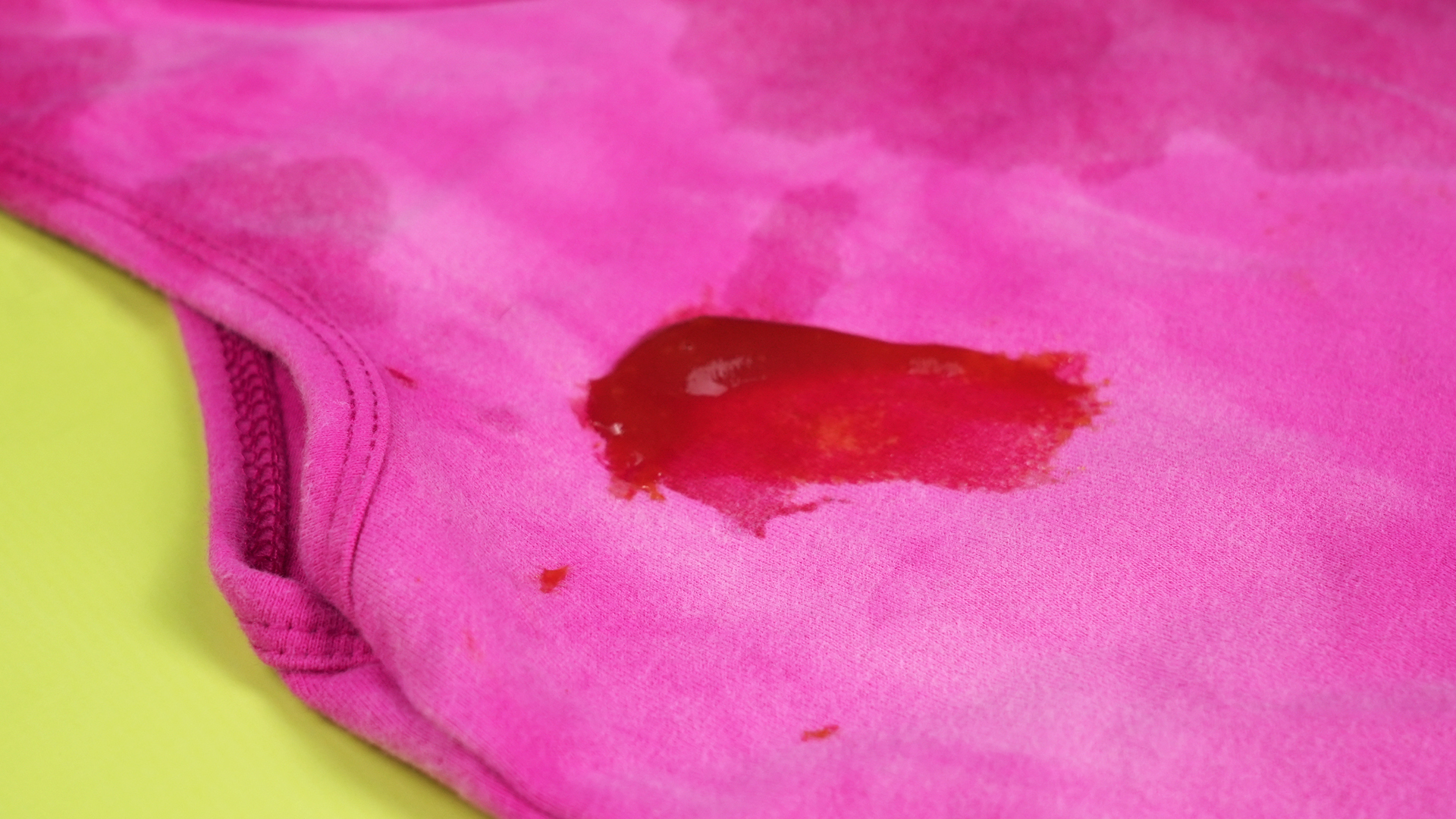
Tomato sauce is a culinary miracle until it performs a dramatic swan dive onto your favorite shirt. One minute you are twirling spaghetti like an Italian movie star; the next, your blouse looks like it lost a duel with marinara. The good news? A tomato sauce stain does not have to become a permanent fashion statement. With the right steps, the right timing, and a little laundry confidence, you can often rescue cotton, denim, polyester, blends, white shirts, and even many colored fabrics.
The trick is understanding what you are fighting. Tomato sauce is not just “red stuff.” It is usually a combination stain made of tomato pigment, oil, seasonings, sometimes dairy, and sometimes meat. That means one quick splash of water may not solve everything. You need to lift the solids, flush the color, break down the grease, and avoid heat until the stain is truly gone. In other words, this is laundry science with a side of pasta drama.
Below are six practical, stain-busting ways to get tomato sauce out of clothes, from fresh splatters to dried spaghetti disasters. Before using any method, check the garment care label, test stain removers on a hidden seam, and remember the golden laundry rule: never put a stained garment in the dryer until the stain has disappeared. Dryer heat can set the stain, and at that point your shirt may start charging rent for that red blotch.
Why Tomato Sauce Stains Are So Stubborn
Tomatoes contain natural red-orange pigments that cling to fabric fibers, especially light-colored cotton and absorbent materials. Add olive oil, butter, meat sauce, cheese, garlic oil, or chili flakes, and the stain becomes even more complicated. The oily portion can shield the colored portion, making the red mark harder to wash away. That is why successful tomato sauce stain removal usually works in stages.
Fresh stains are easier because the sauce has not fully bonded with the fabric. Dried tomato sauce stains need more patience because the residue has settled into the fibers. Set-in stains that have already been washed and dried may still improve, but they often need soaking, oxygen bleach, or repeated treatment. The sooner you act, the better your chances of saving the garment.
Before You Start: The Tomato Sauce Emergency Plan
Do These First
Start by removing as much sauce as possible. Use a spoon, dull knife, or the edge of a credit card to lift away thick sauce. Do not rub. Rubbing spreads the stain and pushes pigment deeper into the fabric, which is exactly what we do not want unless your goal is “abstract lasagna art.”
Next, turn the garment inside out and flush the back of the stain with cold running water. This pushes the sauce out the way it came in rather than driving it farther through the fibers. Cold water is usually the safest first move because hot water can worsen certain stains and may shrink or fade some fabrics.
Do Not Do These
Do not use bar soap on a fresh tomato stain, because some soaps can make plant-based stains harder to remove. Do not scrub delicate fabrics aggressively. Do not toss the garment into a hot dryer “just to see what happens.” What happens is often heartbreak, with tumbling.
1. Use Cold Water and Dish Soap for Fresh Tomato Sauce Stains
This is the best first method for most fresh tomato sauce stains. Dish soap is designed to cut grease, which makes it useful when tomato sauce contains oil. It also works quickly, so you do not have to perform a full laundry ritual in the middle of dinner.
How to Do It
- Scrape off excess sauce with a spoon or dull knife.
- Turn the fabric inside out and rinse the back of the stain under cold water.
- Apply a small amount of liquid dish soap directly to the stained area.
- Gently work it in with your fingers or a soft cloth.
- Let it sit for 5 to 10 minutes.
- Rinse thoroughly with cool water.
- Wash according to the garment care label.
This method is especially helpful for washable cotton T-shirts, napkins, aprons, denim, and casual clothing. If the stain fades but does not disappear, repeat the treatment before washing. Stain removal is not always a one-round boxing match; sometimes marinara needs a rematch.
2. Pretreat With Liquid Laundry Detergent or Stain Remover
If cold water and dish soap improve the stain but leave a pink or orange shadow, reach for liquid laundry detergent or a commercial stain remover. Laundry detergent is formulated to break down food soils, body oils, and pigments, making it a strong second step for tomato sauce stains.
How to Do It
- After rinsing the stain, apply liquid laundry detergent or stain remover directly to the mark.
- Work from the outside of the stain toward the center to avoid spreading it.
- Let the pretreatment sit for 10 to 15 minutes.
- Wash in the warmest water allowed by the care label.
- Inspect the garment while it is still wet.
- If any stain remains, repeat the process instead of drying.
This approach is ideal for everyday washable fabrics such as polyester, cotton, linen, nylon, and many blends. For a greasy pasta sauce stain, choose a heavy-duty detergent or enzyme-based stain remover. The enzymes help break down food residue while surfactants loosen oil and pigment from the fibers.
3. Try White Vinegar for Lingering Tomato Color
White vinegar can help lighten leftover discoloration after the oily part of the stain has been treated. It is not magic, and it will not erase every stain like a laundry fairy godmother, but it can be useful for a faint tomato shadow on sturdy washable fabrics.
How to Do It
- Mix one part white vinegar with two parts cool water.
- Apply the solution to the stained area with a clean white cloth.
- Blot gently rather than rubbing.
- Let it sit for about 5 to 10 minutes.
- Rinse well with cool water.
- Pretreat with detergent and wash as usual.
Use vinegar after removing excess sauce and treating grease. It works best on residual color, not thick oily sauce. Avoid using vinegar on delicate fabrics without testing first, and never mix vinegar with chlorine bleach. That combination can create harmful fumes, and no shirt is worth turning your laundry room into a chemistry warning label.
4. Make a Baking Soda Paste for Dried Tomato Sauce
Baking soda is mildly abrasive and naturally deodorizing. When mixed with water, it creates a gentle paste that can help loosen dried tomato sauce residue before washing. This is a good option when you discover yesterday’s pasta stain today, possibly after wondering why your laundry basket smells like an Italian restaurant.
How to Do It
- Scrape away any dried sauce flakes.
- Rinse the back of the stain with cold water if the fabric is washable.
- Mix baking soda with a small amount of water to form a paste.
- Spread the paste over the stained area.
- Let it sit for 15 to 30 minutes.
- Gently brush or rinse away the paste.
- Pretreat with detergent, then launder according to the care label.
This method is useful for sturdy garments, but do not grind baking soda into delicate fibers. For silk, wool, rayon, leather, or dry-clean-only clothing, skip the home experiment and call a professional cleaner. Delicate fabrics have expensive feelings.
5. Use Oxygen Bleach for Set-In Tomato Sauce Stains
Oxygen bleach is one of the best options for set-in tomato sauce stains on many washable whites and colorfast fabrics. Unlike chlorine bleach, oxygen bleach is generally color-safe when used correctly, though you should always check the product label and test first. It is especially helpful when a garment has a stubborn orange stain after regular washing.
How to Do It
- Fill a sink or bucket with water according to the oxygen bleach product directions.
- Dissolve the powder fully before adding clothes.
- Submerge the stained garment completely.
- Soak for several hours, following the product instructions.
- Wash in the warmest water recommended on the care label.
- Air dry and inspect before using the dryer.
Do not use oxygen bleach on wool, silk, leather, or garments labeled dry clean only unless the product specifically says it is safe. Also, do not mix oxygen bleach with chlorine bleach. For old tomato sauce stains, you may need more than one soak. Patience is part of the process. Think of it as a spa day for the shirt, except the robe is a bucket.
6. Use Hydrogen Peroxide Carefully on Whites and Colorfast Fabrics
Hydrogen peroxide can help lift organic and dye-based stains, including tomato discoloration, but it can also lighten some fabrics. For that reason, it is best for white clothes or colorfast items that have passed a hidden spot test. If you are treating a dark shirt, test first and wait a few minutes before deciding whether to continue.
How to Do It
- Test 3% hydrogen peroxide on an inside seam.
- If safe, apply a small amount to the stained area.
- Let it sit for 5 to 10 minutes.
- Rinse thoroughly with cool water.
- Pretreat with laundry detergent.
- Wash according to the care label.
For extra cleaning power on washable whites, some people combine a small amount of hydrogen peroxide with dish soap. Use caution, avoid over-applying, and rinse well before laundering. Never combine hydrogen peroxide with vinegar in the same container, and never mix it with chlorine bleach. Laundry should be productive, not explosive.
How to Get Tomato Sauce Out of White Clothes
White clothes show tomato sauce stains like a billboard. Start with the cold-water flush, then apply dish soap or liquid laundry detergent. If the stain remains, try oxygen bleach according to the package directions. For white cotton, hydrogen peroxide may also help, but test first if the garment includes spandex, decorative trim, or delicate stitching.
Chlorine bleach may be safe for some white cotton items, but it is not suitable for all whites. Many white garments contain elastic, spandex, finishes, or blended fibers that can be weakened by chlorine bleach. Always read the care label. A white shirt is not automatically bleach-safe just because it is white. Laundry likes technicalities.
How to Handle Tomato Sauce on Colored Clothes
Colored clothes need a gentler strategy. Use cold water first, then dish soap or liquid laundry detergent. Choose color-safe stain removers and oxygen bleach products labeled for colors. Always test in an inconspicuous area, especially on red, navy, black, and bright fabrics. If the hidden test area fades, stop and switch to a safer method.
For colored clothing, avoid chlorine bleach entirely unless the garment label clearly allows it. Also avoid leaving stain removers on fabric longer than recommended. More time does not always mean more cleaning; sometimes it means faded patches and regret.
What About Delicates, Silk, Wool, and Dry-Clean-Only Clothes?
If tomato sauce lands on silk, wool, rayon, leather, or a dry-clean-only garment, do not attack it with every bottle under the sink. Gently lift away excess sauce and blot with a clean dry cloth. If the care label allows water, you may lightly dab with cool water, but avoid soaking, scrubbing, or using harsh stain removers.
For valuable or delicate clothing, take the item to a professional cleaner as soon as possible. Tell them exactly what caused the stain: tomato sauce, marinara, pizza sauce, salsa, meat sauce, or ketchup. The more details they have, the better they can choose the right treatment.
Common Mistakes That Make Tomato Sauce Stains Worse
Scrubbing Like You Are Cleaning a Grill
Hard scrubbing can spread the stain and damage fibers. Blot, dab, and gently work treatments into the fabric instead.
Using Heat Too Soon
Hot water, irons, and dryers can make stains harder to remove. Start cool, then wash according to the care label once the stain has been treated.
Skipping the Care Label
Care labels exist for a reason. They tell you whether the garment can handle water, bleach, warm washing, or only professional cleaning.
Mixing Cleaning Products
Do not mix bleach with vinegar, ammonia, or hydrogen peroxide. Combining cleaners can create dangerous fumes or reactions. One method at a time is safer and smarter.
Quick Tomato Sauce Stain Cheat Sheet
- Fresh stain: Scrape, rinse from the back with cold water, apply dish soap, rinse, wash.
- Greasy sauce: Use dish soap first, then laundry detergent.
- Faint red stain: Try diluted white vinegar or oxygen bleach if fabric-safe.
- Dried stain: Use baking soda paste or detergent pretreatment before washing.
- Set-in stain: Soak with oxygen bleach if the fabric allows it.
- White fabric: Consider hydrogen peroxide or oxygen bleach after testing.
- Delicates: Blot and take to a professional cleaner.
Real-Life Experience: What Tomato Sauce Stains Teach You Fast
Anyone who cooks, eats, feeds children, hosts family dinners, or owns at least one white T-shirt eventually learns that tomato sauce has excellent aim. It does not land on the apron. It does not land on the old pajama shirt you were planning to throw away. It lands on the front of the outfit you actually like, usually five minutes before you need to leave the house.
One of the most useful lessons from real-life tomato sauce stain removal is that speed matters, but panic does not. The first instinct is often to grab a napkin and rub furiously, which feels productive but usually makes the stain larger. The better move is calmer: lift the sauce, rinse from the back, add a little dish soap, and give the cleaner time to work. That pause is important. Laundry products need contact time. They are not tiny superheroes with capes; they need a few minutes.
Another experience-based lesson is that tomato sauce stains often look worse before they look better. After rinsing, a bright red blob may turn into a pale orange shadow. That is progress, not failure. Many people give up at that stage and toss the item into the wash, then into the dryer. The dryer is where hope goes to become permanent. If you can still see orange, keep treating. Air dry until you are sure the stain is gone.
Parents learn a special version of this lesson. A child eating spaghetti can create sauce patterns that resemble modern art, weather maps, and crime scene evidence. In those cases, pretreating before laundry day is essential. A small basket or stain stick near the hamper can save a surprising amount of clothing. The same is true for anyone who meal-preps pasta, makes pizza, or believes salsa belongs on everything. A quick pretreat routine prevents “mystery stains” from becoming permanent.
Restaurant stains bring their own challenge. You may not have dish soap, detergent, or a laundry sink beside your table, unless you are dining in a very strange establishment. In that case, gently remove excess sauce and blot with cool water. A stain-removing wipe can help, but do not soak the fabric with random restroom soap. When you get home, treat the stain properly before washing.
The biggest takeaway is simple: tomato sauce stains are beatable when you treat them like combination stains. Handle the pigment, handle the oil, avoid heat, and repeat if needed. Your shirt may not forget what happened at dinner, but with the right method, nobody else has to know.
Conclusion: Save the Clothes, Enjoy the Pasta
Learning how to get tomato sauce out of clothes is mostly about timing, technique, and restraint. Act quickly, scrape instead of rubbing, rinse from the back with cold water, pretreat with dish soap or detergent, and inspect the garment before drying. For stubborn stains, move to vinegar, baking soda paste, oxygen bleach, or carefully tested hydrogen peroxide. For delicate or dry-clean-only fabrics, protect the garment and call a professional.
Tomato sauce may be bold, delicious, and wildly overconfident, but it does not have to win. With these six stain-busting methods, you can keep spaghetti night on the menu and keep your clothes out of the donation pile.