Sinus congestion has a special talent: it can make your whole face feel like it is being inflated by a very grumpy bicycle pump. Your nose clogs up, your head feels heavy, your cheeks ache, and suddenly even breathing starts to feel like a group project you did not volunteer for. The good news is that sinus congestion usually improves with smart, simple care at home. The trick is knowing what actually helps, what only pretends to help, and when it is time to stop playing home pharmacist and call a medical professional.
This guide breaks the process into 13 practical steps. Some focus on thinning mucus, some reduce swelling inside the nose, and some help you avoid common mistakes that keep congestion hanging around like an uninvited houseguest. Whether your stuffy sinuses came from a cold, seasonal allergies, dry indoor air, or a mild sinus infection, these steps can help you breathe easier and feel more human again.
Why Sinus Congestion Happens
Your sinuses are air-filled spaces behind your forehead, cheeks, and nose. Normally, they produce mucus that drains quietly in the background. When the lining inside your nose and sinuses becomes irritated or inflamed, that drainage slows down. Swelling narrows the passages, mucus thickens, and suddenly everything feels blocked.
Common triggers include viral upper respiratory infections, seasonal allergies, irritants like smoke or strong chemical fumes, dry air, and, less often, bacterial sinus infections. The fix is usually not one dramatic miracle move. It is a combination of moisture, drainage, reduced inflammation, and a little patience.
How to Get Rid of Sinus Congestion: 13 Steps
1. Drink More Fluids Than Your Congested Self Thinks You Need
When you are dried out, mucus gets thicker and harder to move. Drinking water, broth, tea, or other nonalcoholic fluids can help thin secretions so they drain more easily. This does not mean you need to treat water like a competitive sport, but it does mean sipping throughout the day is smarter than chugging one glass and calling it wellness.
A practical example: keep a bottle of water near your bed or desk and refill it several times a day. Warm beverages can be especially soothing because the heat may make your nose feel a little more open.
2. Use Saline Nasal Spray Early and Often
Saline spray is one of the simplest and most reliable ways to relieve sinus congestion. It adds moisture to dry nasal passages, loosens thick mucus, and helps wash out irritants. Unlike medicated sprays, plain saline is generally gentle enough to use multiple times a day.
If your nose feels dry, crusty, or stuffed up from indoor heat or air conditioning, saline spray is a low-drama, high-reward place to start. Think of it as a rinse cycle for your nose, minus the tiny spin cycle.
3. Try a Saline Rinse or Neti Pot the Safe Way
If saline spray is a light cleanup, nasal irrigation is the deep clean. A squeeze bottle or neti pot can flush mucus, allergens, and debris from the nasal passages. Many people feel better almost immediately after a rinse.
The big rule is safety: only use distilled, sterile, previously boiled and cooled, or appropriately filtered water. Never use straight tap water for nasal irrigation. Use the saline packets or a proper saline recipe, clean the device after each use, and let it air-dry. Done correctly, this can be one of the most effective non-drug options for sinus congestion.
4. Breathe in Steam, But Do Not Turn It Into a Spa Emergency
Steam can help loosen mucus and temporarily ease that cement-in-the-face feeling. A hot shower, a steamy bathroom, or steam from a bowl of hot water can all help. The goal is warm moisture, not a dramatic reenactment of a cartoon accident.
A few minutes of steam once or twice a day may make breathing easier. Avoid very hot steam, especially for children, because burns are not a fun side quest.
5. Run a Clean Humidifier
Dry air can irritate your nasal passages and make congestion feel worse. A clean cool-mist humidifier adds moisture to the room, which may help keep mucus from becoming thick and sticky. This is especially useful during winter, in dry climates, or after sleeping with the heat on.
The word clean matters. A dirty humidifier can spread mold or germs, which is not exactly the healing vibe you are aiming for. Follow the manufacturer’s cleaning instructions and change the water regularly.
6. Use a Warm Compress for Pressure and Facial Pain
If your cheeks, forehead, or the bridge of your nose feel sore, a warm compress can be surprisingly comforting. Lay a warm, moist washcloth over your face for several minutes at a time. The heat may encourage drainage and can reduce that heavy, pressurized feeling.
This is an easy add-on when you are already exhausted and not in the mood for anything complicated. Warm compress, dim lights, fewer emails. That is the correct medical atmosphere.
7. Sleep With Your Head Slightly Elevated
Lying completely flat can let mucus pool and make nighttime congestion feel worse. Try sleeping with an extra pillow or slightly elevating your head. This will not solve the whole problem, but it can make breathing easier and reduce the lovely soundtrack of midnight mouth-breathing.
If postnasal drip is bothering you too, this step can help keep mucus from collecting in the back of your throat while you sleep.
8. Use Over-the-Counter Pain Relief if Pressure Is Making You Miserable
When sinus congestion comes with facial pressure, headache, or a sore throat from drainage, over-the-counter pain relievers may help. Acetaminophen or ibuprofen can make you more comfortable while your body recovers.
Always follow the label directions and check with a healthcare professional if you have liver disease, kidney problems, stomach ulcers, take blood thinners, or have other conditions that make these medications less straightforward.
9. Consider a Steroid Nasal Spray if Swelling Is the Real Villain
If your congestion is tied to allergies or ongoing inflammation, an intranasal corticosteroid spray can help reduce swelling inside the nose. These sprays do not usually work instantly, so think of them as a slow, steady fix rather than a quick magic trick. Many people notice more benefit after several days of regular use.
Examples sold over the counter include fluticasone, budesonide, and triamcinolone. Use them as directed, and aim the spray slightly outward, away from the center wall of your nose, to lower the chance of irritation or nosebleeds.
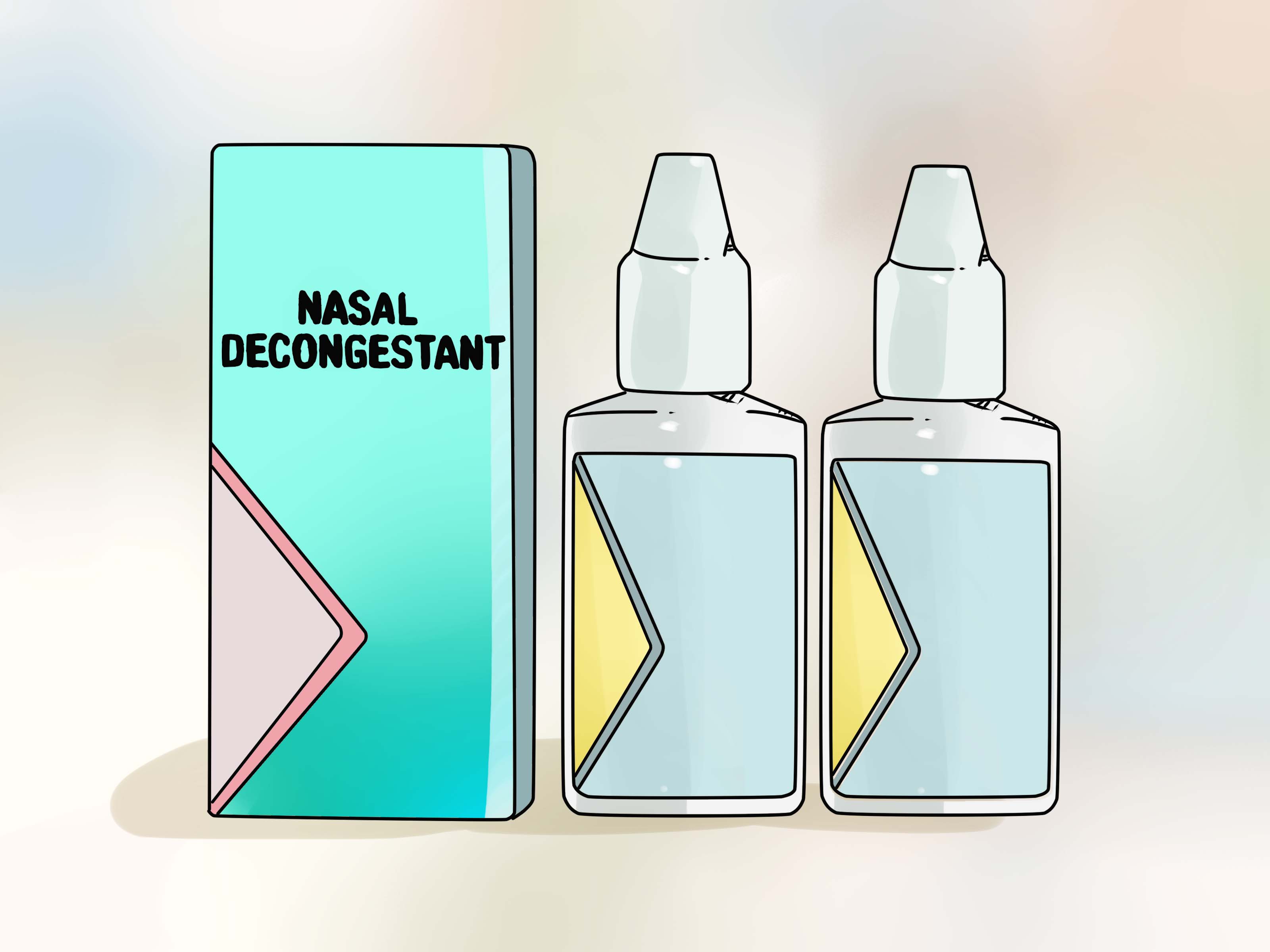
10. Use Decongestants Carefully and Briefly
Decongestants can shrink swollen nasal tissues and bring fast relief, but they come with fine print. Decongestant nasal sprays such as oxymetazoline may work quickly, yet using them for too many days in a row can lead to rebound congestion, where your nose feels even more stuffed once the medicine wears off.
If you use a medicated decongestant spray, use it exactly as directed and only for a short period. Oral decongestants like pseudoephedrine can also help some people, but they may not be a good choice if you have high blood pressure, heart issues, certain thyroid conditions, or trouble sleeping. When in doubt, ask a pharmacist or clinician before grabbing the box with the bold promises.
11. Treat the Trigger, Especially if Allergies Are Involved
If your sinus congestion flares up when pollen counts rise, the cat jumps on your pillow, or dust seems to own your house, allergies may be a major piece of the puzzle. In that case, the goal is not just opening your nose for a few hours. It is calming the allergic response.
That may mean using allergy medications as directed, washing pollen off after being outdoors, changing clothes after yard work, showering before bed, and keeping windows closed when allergens are high. Saline rinses can also help wash allergens out of your nasal passages. When you remove the trigger, your nose often stops acting like it is under attack.
12. Rest, Avoid Smoke, and Give Your Sinuses a Less Dramatic Environment
Your nasal passages are easily irritated. Cigarette smoke, vaping aerosols, strong perfumes, cleaning fumes, and dusty air can all make congestion worse. If your sinuses are already inflamed, adding more irritation is like throwing glitter on spilled syrup. It only makes a sticky situation worse.
Rest matters too. If your congestion came with a cold or viral illness, your body needs time to recover. Staying home, sleeping more, and not pretending you are invincible can genuinely help you heal faster.
13. Know When to Call a Doctor
Most sinus congestion gets better with home care, but some cases need medical attention. Contact a healthcare professional if your symptoms last more than 10 days without improving, get worse after first getting better, or come with severe facial pain, a severe headache, swelling around the eyes, or a fever that sticks around. Recurrent sinus infections are also worth discussing with a clinician.
If you have trouble breathing, significant swelling around one eye, confusion, severe dehydration, or symptoms that feel alarming, get urgent care right away. Sinus congestion is common, but uncommon complications are not something to ignore.
Common Mistakes That Keep Sinus Congestion Around
One of the biggest mistakes is using a medicated nasal decongestant spray for too long. Another is skipping hydration and wondering why everything still feels thick and stuck. Some people also jump straight to antibiotics, even though many cases begin with viruses or allergies, not bacteria. Antibiotics are not useful for every stuffy nose, and using them when they are not needed can cause side effects and contribute to antibiotic resistance.
Another common mistake is ignoring the root cause. If you are congested every spring, every time you clean a dusty closet, or every morning after sleeping with the dog on your pillow, your sinuses may be asking for allergy management, not just another random cold medicine.
A Practical Daily Routine for Faster Relief
If you want a simple game plan, try this: start the morning with water, a saline spray or rinse, and a hot shower. During the day, keep drinking fluids, avoid smoke and strong irritants, and use a humidifier if the air is dry. If allergies are driving the problem, use your allergy treatment consistently, not only on the days your nose files a complaint. At night, try a warm compress and sleep with your head elevated.
This kind of routine is not glamorous, but it works because it addresses the real problems: dry passages, sticky mucus, swelling, and triggers. Sinus relief is usually less about one heroic product and more about stacking several small wins.
Experiences People Commonly Have With Sinus Congestion
People dealing with sinus congestion often describe the experience in a surprisingly similar way. First comes the annoying stuffy feeling, then the pressure builds, and soon they are convinced their face weighs 12 extra pounds. Many say mornings are the worst, especially after sleeping flat or in a dry room. They wake up with a blocked nose, a dry mouth from mouth-breathing, and the glamorous feeling that they snored like a chainsaw with commitment issues.
Another common experience is the false confidence that comes right after a hot shower. For a little while, everything opens up and breathing feels almost normal. Then, 20 minutes later, the congestion creeps back in like it paid rent. That is why people often do best with a combination approach. Steam may help briefly, but adding saline spray, hydration, and allergen control tends to produce better results that last longer.
People with allergy-related congestion often notice a pattern before they realize what is happening. They think they are “getting sick” every time they mow the lawn, clean the attic, visit a house with cats, or step outside during peak pollen season. Once they start treating allergies directly, many realize the problem was not repeated colds at all. It was inflammation showing up on a schedule.
Parents and busy professionals also talk about how easy it is to underestimate sinus symptoms. They keep pushing through work, school pickups, errands, and late-night screen time, then wonder why the congestion lingers. Rest may sound boring, but people often notice improvement once they stop treating their body like a machine that runs perfectly with no maintenance and one granola bar.
Many people are also surprised by how much proper nasal rinsing helps when done correctly. Some are hesitant at first because the idea sounds strange. Pour water in your nose on purpose? Bold strategy. But once they use a saline rinse with safe water and the right technique, they often say it becomes one of the most effective parts of their routine. The key is not overdoing it, keeping the equipment clean, and remembering that “homemade” should never mean “filled it from the bathroom sink and hoped for the best.”
Then there is the decongestant spray trap. People love it because it works fast, and honestly, that is understandable. When you cannot breathe, fast relief feels magical. But plenty of people realize too late that using it for too many days can backfire and make congestion rebound. The lesson they usually learn is simple: quick relief is great, but long-term relief comes from reducing inflammation and improving drainage, not chasing temporary openings over and over.
In the end, most people feel better when they stop looking for a miracle cure and start following a sensible rhythm: fluids, moisture, saline, trigger control, rest, and medical care when symptoms cross the line from annoying to persistent or severe. Sinus congestion may be common, but relief is usually very possible when you work with your nose instead of declaring war on it.
Conclusion
If you want to get rid of sinus congestion, the smartest strategy is usually a layered one: thin the mucus, calm the swelling, remove irritants, and give your body enough rest to recover. Start with hydration, saline, steam, and humidified air. Add a warm compress, sleep with your head elevated, and consider a steroid nasal spray if inflammation or allergies are part of the problem. Use decongestants carefully, and do not ignore symptoms that drag on or become severe.
In other words, you do not need a miracle. You need a plan. A boring, sensible, mucus-moving plan. And honestly, that is often exactly what works.