Want Kindle Unlimited without immediately handing Amazon your wallet on a tiny silver platter? Good news: there are legitimate ways to try Kindle Unlimited for free, stretch your reading budget, and build a surprisingly large ebook library without doing anything shady, weird, or likely to get your account locked. The trick is knowing where the real free trials are, how promotional offers work, what “free” actually means, and which alternatives can give you Kindle-friendly books without a monthly subscription.
Kindle Unlimited is Amazon’s subscription reading service for ebooks, select audiobooks, magazines, comics, and more. It is not the same thing as Amazon Prime, and it is not automatically included with Prime. In the United States, the regular Kindle Unlimited price is typically listed at $11.99 per month plus applicable taxes, but Amazon frequently rotates free trials and discounted promotions for eligible customers. That means your best deal may depend on timing, account eligibility, device purchases, and seasonal sales.
What Is Kindle Unlimited, Really?
Kindle Unlimited is best understood as a digital lending library inside Amazon’s ecosystem. Instead of buying each ebook one by one, members can borrow eligible titles from the Kindle Unlimited catalog and read them on a Kindle e-reader, Fire tablet, phone, tablet, or computer using the Kindle app or Kindle for Web.
The service is especially popular with heavy readers who enjoy romance, thrillers, mysteries, fantasy, self-published fiction, nonfiction guides, comics, magazines, and series they can binge faster than a raccoon in a snack cabinet. You can borrow up to a set number of eligible titles at a time, then return titles and borrow more. There are no traditional due dates like a library book, but you lose access to borrowed Kindle Unlimited titles when your membership ends.
That last point matters: Kindle Unlimited is not a permanent free-book machine. It is a subscription. If you cancel, you keep books you separately purchased, but Kindle Unlimited borrowed titles leave your library. Think of it like streaming for books, except the popcorn is replaced by bookmarks and your “one more chapter” problem becomes a lifestyle.
Can You Get Kindle Unlimited for Free?
Yes, but usually in specific, legitimate ways. The most common option is the official Kindle Unlimited free trial, often offered to new or eligible returning customers. Amazon may also run limited-time promotions such as three months for a very low price, extended trials during big shopping events, or bundled offers with Kindle devices.
The important phrase is “eligible customers.” Not every Amazon account sees the same offer at the same time. One person may see a 30-day free trial, another may see a discounted three-month deal, and another may see no promotion at all. This is normal. Amazon personalizes many offers based on account history, location, prior trial use, and current campaigns.
What you should not do is create fake accounts, abuse payment methods, or try to trick the system. Besides being against the rules, it is a fast way to turn a simple reading habit into a customer-service opera. The smarter route is to use official offers, cancel before renewal if you do not want to pay, and combine Kindle Unlimited with free Kindle-friendly alternatives.
1. Start With the Official Kindle Unlimited Free Trial
The easiest way to get Kindle Unlimited for free is to check Amazon’s Kindle Unlimited sign-up page while logged into your account. If you are eligible, you may see a free trial offer, often for 30 days. During the trial, you can borrow eligible Kindle Unlimited books, magazines, comics, and select audiobooks just like a paid member.
How to claim the free trial
Go to Amazon, search for “Kindle Unlimited,” open the official membership page, and review the offer shown on your account. Before you click anything, read the renewal terms. Kindle Unlimited free trials usually convert into a paid monthly subscription when the trial ends. That is not a hidden trap; it is the standard subscription model. But it does mean you should mark the renewal date unless you enjoy surprise charges as a form of cardio.
Smart trial strategy
Before starting your trial, make a short reading list. Search the Kindle Unlimited catalog for books you actually want to read, not just books that look nice in a digital pile of good intentions. Add 10 to 20 titles to a list, including a mix of short books, long reads, audiobooks, and magazines. Then start the trial when you have time to read. A free month during final exams, tax season, or a week when your brain has become mashed potatoes is not ideal.
2. Cancel Before Renewal and Still Use the Trial Period
One of the most practical Kindle Unlimited tips is simple: if you do not want to continue after the trial, cancel before the renewal date. In many cases, you can cancel the membership and still keep access until the end of the current trial or billing period. This helps you avoid forgetting about the subscription later.
To cancel, go to your Amazon account, open memberships and subscriptions, choose Kindle Unlimited, and select the cancellation option. Amazon may show a few “are you sure?” screens because, naturally, no subscription service lets you leave without at least one emotional hallway scene. Continue until cancellation is confirmed.
After canceling, check that your membership page shows the correct end date. It is also wise to save a screenshot or confirmation email. Most people will never need it, but future you may appreciate the evidence if your calendar reminder was apparently written in invisible ink.
3. Watch for Kindle Unlimited Promotions During Big Sale Events
Amazon often uses major shopping events to promote Kindle Unlimited. Prime Day, Black Friday, Cyber Monday, back-to-school sales, holiday shopping periods, and Kindle device launches are all times when discounted or extended Kindle Unlimited offers may appear.
These promotions may include one month free, two months free, three months for a small price, or heavily discounted trial periods. The exact offer changes often, and availability can vary by account. If you are not in a hurry, waiting for a major sale event can be a smart move.
Best times to check for offers
Check Kindle Unlimited deals around July for Prime Day, late November for Black Friday and Cyber Monday, December for holiday promotions, and whenever Amazon announces new Kindle devices. You can also check during “New Year, new habit” season in January, when companies suddenly remember everyone wants to become a better version of themselves with a planner, a treadmill, and twelve unread ebooks.
4. Look for Kindle Device Bundles
Buying a Kindle e-reader sometimes unlocks a Kindle Unlimited promotion, such as a few months included with the device purchase. This is not always available, and it may depend on the model, retailer, and timing. Still, it is worth checking if you already planned to buy a Kindle.
Do not buy a Kindle only to chase a “free” Kindle Unlimited trial. That would be like buying a refrigerator because it comes with a coupon for yogurt. But if you want a Kindle anyway, compare device listings carefully. Look for bundle language near the product price, checkout page, or promotional box. If a Kindle Unlimited offer is included, read the renewal terms before accepting it.
A Kindle device is not required for Kindle Unlimited. You can read with the free Kindle app on iPhone, iPad, Android devices, Fire tablets, Mac, PC, or a web browser. That means the cheapest way to try Kindle Unlimited is usually the free trial, not buying hardware.
5. Use Amazon Prime Reading as a Free Alternative
Kindle Unlimited is not included with Amazon Prime, but Prime members do get access to Prime Reading. Prime Reading is a smaller rotating catalog of ebooks, audiobooks, magazines, comics, and short reads available at no extra cost with an eligible Prime membership.
If you already pay for Prime, Prime Reading can scratch part of the Kindle Unlimited itch without adding another subscription. The selection is smaller, but it can still be useful for casual readers, families, students, and anyone who likes discovering a surprise book without spending extra money.
Prime Reading vs. Kindle Unlimited
Prime Reading is like the appetizer tray; Kindle Unlimited is closer to the buffet. Prime Reading costs nothing extra if you already have Prime, but the catalog is limited. Kindle Unlimited has a much larger catalog and more binge-friendly series, but it costs a separate monthly fee after any trial or promotion ends.
6. Check Amazon First Reads
Amazon First Reads is another Prime-related perk that can help readers get books for free or at a discount. Each month, Prime members can choose from a selection of early-release Kindle books. These are not Kindle Unlimited loans; when you claim a First Reads book, it is typically added to your Kindle library as a purchased title at the promotional price.
This is a useful companion to Kindle Unlimited because it helps you build a permanent Kindle library. Kindle Unlimited borrowed books disappear when your membership ends, but books you claim through First Reads or buy for free during promotions can remain in your account.
7. Borrow Free Kindle Books From Your Public Library
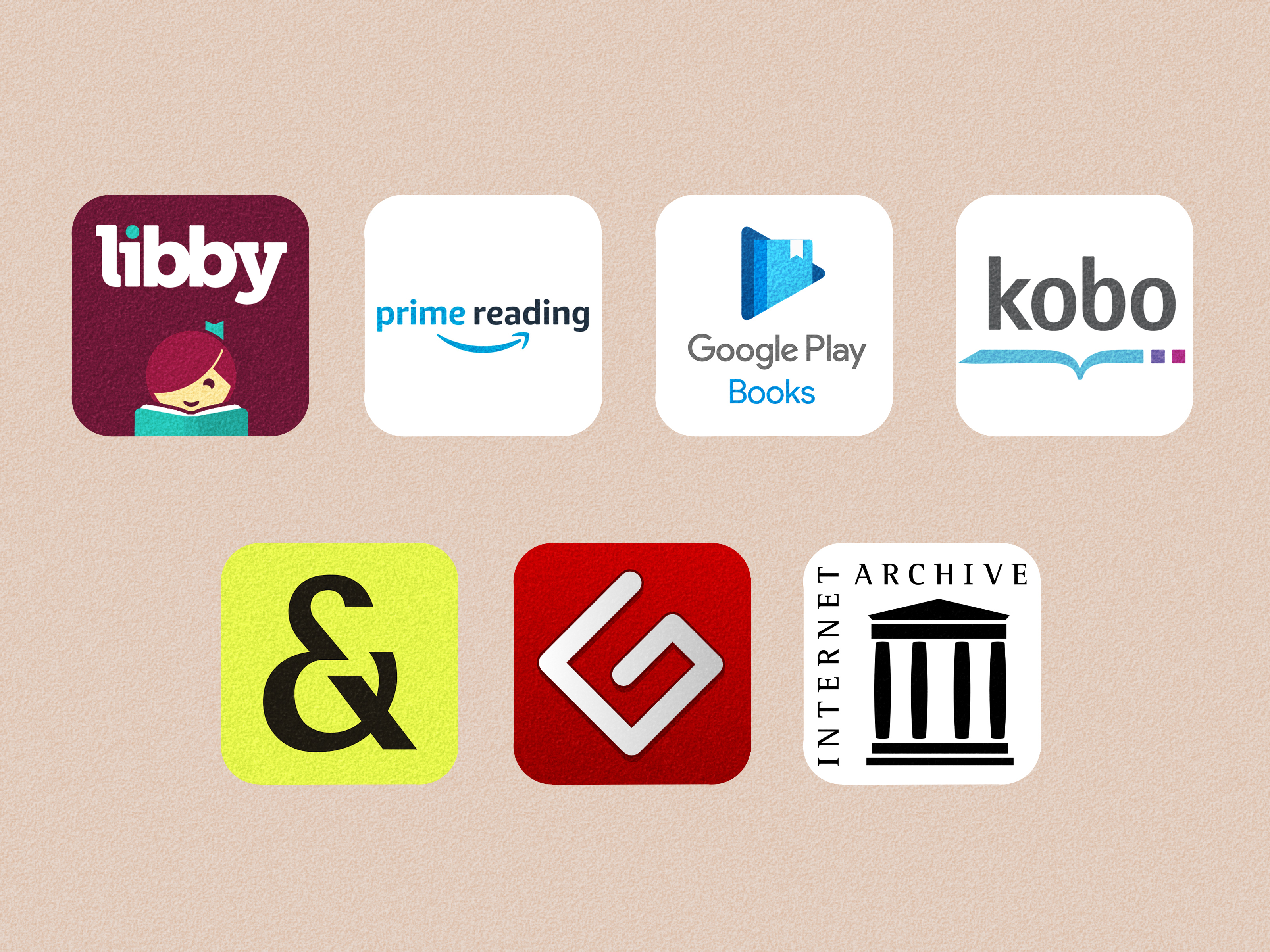
For U.S. readers, one of the best free Kindle Unlimited alternatives is your public library. Many libraries use Libby or OverDrive to lend ebooks, and many borrowed ebooks can be sent directly to Kindle. All you need is a library card from a participating library.
Here is how it usually works: open Libby, add your library card, search for a title, borrow it or place a hold, then choose the Kindle reading option when available. You will be sent to Amazon to deliver the library book to your Kindle device or app. When the lending period ends, the book returns automatically. No late fees. No awkward walk of shame to the library desk. Civilization has advanced.
Library ebook catalogs vary by city and county. Large library systems may have huge collections, while smaller systems may have fewer copies of popular titles. Still, Libby is one of the strongest free reading tools available, especially if you enjoy bestsellers, nonfiction, young adult books, mysteries, cookbooks, and audiobooks.
8. Try Hoopla With Your Library Card
Hoopla is another digital library service offered by many public libraries. Depending on your library, Hoopla may include ebooks, audiobooks, comics, graphic novels, movies, shows, music, and magazines. Some titles are available instantly, which means no hold queue and no staring at “12 weeks remaining” like it personally insulted you.
Hoopla does not work exactly like Kindle Unlimited, and not every library offers it. Borrowing limits also depend on your library. But if your local library supports Hoopla, it can be a fantastic way to read free ebooks and listen to audiobooks without paying for another subscription.
9. Download Free Classics From Project Gutenberg
If your reading taste includes classics, public-domain literature, history, philosophy, poetry, or older nonfiction, Project Gutenberg is a treasure chest with a very polite librarian standing next to it. The site offers tens of thousands of free ebooks, including Kindle-compatible formats for many titles.
Project Gutenberg focuses on works for which U.S. copyright has expired. That means you will not find the newest celebrity memoir or this week’s dragon-romance sensation, but you can find authors like Jane Austen, Mark Twain, Mary Shelley, Charles Dickens, and many more. It is completely legal, free, and especially useful for students, classic literature fans, and readers who want to fill a Kindle without spending a dime.
10. Use BookBub and Free Kindle Book Deal Alerts
BookBub is a free service that alerts readers to free and discounted ebooks across retailers, including Amazon’s Kindle store. You choose genres you like, and BookBub sends deal recommendations. Many authors and publishers temporarily price Kindle books at $0.00 to attract new readers, launch a series, or promote a backlist title.
This is not the same as Kindle Unlimited, but it can help you build a permanent Kindle library for free or very cheap. Unlike Kindle Unlimited loans, free Kindle books you purchase at $0.00 generally stay in your account. Always check the price before clicking “Buy now,” because ebook prices can change quickly. A free book at breakfast may become $4.99 by dinner, which is rude but legal.
11. Search Amazon for Free Kindle Books
Amazon itself has many free Kindle books, especially public-domain classics, first-in-series promotions, indie author giveaways, and limited-time deals. Search “free Kindle books” or browse Kindle Store categories, then sort by price or filter for free titles where available.
Be selective. Free does not automatically mean good, just as expensive does not automatically mean brilliant. Read the description, reviews, sample pages, and publication details. A smart free-book strategy is to download only books you genuinely want to read. Otherwise your Kindle library becomes a digital attic full of things you “might use someday,” including seven books about sourdough and a thriller with a suspiciously shirtless detective.
12. Use Kindle Rewards for Future Savings
Kindle Rewards is Amazon’s points-style program for eligible Kindle book purchases. It does not make Kindle Unlimited free, and it is not a replacement for the subscription. However, it can reduce your cost when buying Kindle books outside Kindle Unlimited.
The basic idea is simple: eligible purchases may earn points, and enough points can be redeemed for savings on future Kindle book purchases. This is most useful for readers who buy books that are not included in Kindle Unlimited. Check your Kindle Rewards page while logged in to see whether your account is eligible and what the current terms are.
How to Decide Whether Kindle Unlimited Is Worth Keeping After the Free Trial
The best way to judge Kindle Unlimited is to calculate your actual reading value. During your free trial, track how many books you finish, how many you abandon, and how many you would have bought anyway. If you read three or more eligible books per month, Kindle Unlimited may easily justify the monthly fee. If you read one book every two months and mostly want major new releases, your library card may be the better hero in this story.
Kindle Unlimited is usually strongest for readers who enjoy fast-moving genre fiction, long series, indie authors, practical nonfiction, magazines, comics, and select audiobooks. It may be less valuable if you mainly read new hardcover bestsellers from major publishers, academic books, or highly specific titles that are not in the catalog.
A simple value test
Ask yourself three questions before the trial ends: Did I finish enough books to beat the monthly price? Did I find books I genuinely wanted, or did I settle because they were included? Would I miss the service next month? If the answers are yes, yes, and yes, keeping it may make sense. If the answers are no, maybe, and “I forgot I had it,” cancel and use free alternatives.
Common Mistakes to Avoid
Forgetting the renewal date
This is the classic free-trial mistake. The trial is free; forgetting about it is not. Add a calendar reminder for two or three days before the renewal date. Better yet, decide early whether you want to keep it.
Assuming every Kindle book is included
Kindle Unlimited does not include every Kindle book on Amazon. Look for the Kindle Unlimited logo or “Read for Free” option on the book page. If a title only shows a purchase price, it may not be included.
Starting the trial without a reading list
A free trial works best when you are ready to use it. Build your list first, then activate the offer. Otherwise the first week disappears while you browse, compare covers, read reviews, and wonder why every thriller title contains the word “wife.”
Ignoring library options
Many readers pay for subscriptions while their library card is sitting in a drawer, quietly judging them. Libby, OverDrive, and Hoopla can provide excellent free reading options, especially when combined with Kindle Unlimited trials and Amazon free-book deals.
My Practical Experience: The Best Way to Use Kindle Unlimited Without Wasting Money
The smartest Kindle Unlimited experience starts before the trial begins. I like to treat the free trial like a mini reading vacation. Before activating it, I search for books in the genres I already enjoy: mystery, personal finance, productivity, cozy fantasy, cookbooks, and the occasional “fix your life by Tuesday” nonfiction book. Then I create a list of titles that are definitely included in Kindle Unlimited. This avoids the classic mistake of signing up first and then wandering the catalog like someone lost in a very literary airport.
During the first week, I focus on sampling. Kindle Unlimited is great for sampling because the emotional cost is low. If a book does not grab me after a few chapters, I return it and move on. No guilt. No sunk-cost drama. No pretending I am “still reading it” for eight months while it sits there like a digital houseplant. The service works best when you are honest about what you actually enjoy.
Another useful habit is mixing short and long reads. If your trial is 30 days, do not fill it only with 700-page fantasy bricks unless you truly have the time and stamina. Add shorter nonfiction guides, novellas, magazines, comics, or audiobooks. This gives you a better sense of the catalog’s range and helps you decide whether the subscription fits your real reading life.
I also recommend testing the audiobook side of Kindle Unlimited. Some eligible books include narration, and that can turn chores, walks, and commutes into reading time. Not every Kindle Unlimited ebook includes audio, so look carefully before borrowing. But when it works, it feels like finding an extra hour in the day, minus the suspicious science experiment.
Near the end of the trial, I review what I finished. If I read enough books that would have cost more than the monthly subscription, the value is obvious. If I mainly browsed, sampled, and abandoned titles, that tells me something too. The goal is not to force yourself to love Kindle Unlimited. The goal is to discover whether it naturally matches your reading habits.
My favorite money-saving combination is Kindle Unlimited during a free or discounted promo, Libby for library ebooks, BookBub for free Kindle deals, and Project Gutenberg for classics. That setup covers a huge range of reading without making your bank account quietly pack a suitcase and leave. Kindle Unlimited is excellent when used intentionally, but it is not the only path to free books. Use the trial, measure the value, cancel if it does not fit, and keep reading through the many legal free options available.
Final Thoughts: Free Kindle Unlimited Is Best When You Plan Ahead
Getting Kindle Unlimited for free is absolutely possible, but the best results come from using legitimate offers wisely. Start with the official free trial if your account is eligible. Watch for seasonal promotions during major Amazon sales. Check for Kindle device bundles only if you already want a new e-reader. Then strengthen your reading stack with Prime Reading, Amazon First Reads, Libby, Hoopla, Project Gutenberg, BookBub, and Amazon’s own free Kindle book listings.
The real secret is not finding a magical loophole. It is building a smart reading system. Use Kindle Unlimited when it gives you value, cancel when it does not, and keep a steady supply of free and low-cost books from trustworthy sources. Your Kindle can be full, your wallet can remain calm, and your to-be-read list can continue growing into the majestic, slightly terrifying mountain it was always meant to be.
Note: Kindle Unlimited pricing, free trials, and promotional offers can change by account, date, and location. Always review the current terms on Amazon before starting a trial or accepting a promotional membership.