Let’s clear something up right away: you cannot magically “make” a guy like you. This is real life, not a teen movie where one dramatic hallway glance causes instant violin music. But you can become more confident, more approachable, and better at building a healthy connection with someone you genuinely like. That is the real win.
If you are wondering how to get a guy in your teenage years, the smartest approach is not to play games, change your whole personality, or become a full-time detective studying his every emoji. It is to build real confidence, show interest in a respectful way, and look for someone who likes you for who you actually are. Healthy teen relationships are built on kindness, trust, communication, boundaries, and mutual respect. In other words, not chaos. Not confusion. Not “he ignored me for three days so maybe it means true love.”
This guide breaks the topic into 15 practical steps that are realistic, age-appropriate, and actually useful. The goal is not to chase somebody until your sneakers wear out. The goal is to create the kind of connection where both people feel comfortable, respected, and interested.
Before the 15 Steps: What “Getting a Guy” Really Means
In healthy terms, “getting a guy” should mean building a mutual connection with someone who enjoys your company and treats you well. It should never mean pressuring someone, hiding your personality, ignoring your standards, or acting like being in a relationship is your only ticket to happiness. A crush can be exciting, but your life still matters outside of it. Your schoolwork, friends, family, hobbies, goals, and peace of mind should not disappear the second a cute person enters the chat.
Now, with that healthy reset in place, here are the 15 steps.
15 Steps to Build a Healthy Connection With a Guy
1. Start by liking yourself first
If you want to attract the right kind of attention, confidence helps. That does not mean acting like you are better than everyone else. It means being comfortable enough to show your real personality. When you know your strengths, enjoy your interests, and stop measuring your worth by who texts you back, you become more grounded. Confidence is attractive because it feels honest. People notice when someone is secure enough to be themselves.
One example: if you love art, gaming, basketball, theater, debate, or making strangely perfect grilled cheese sandwiches, own it. Real connection usually starts when someone sees something genuine in you.
2. Focus on being friendly, not fake
A lot of teens think they need to become extra mysterious, extra cool, or extra “unbothered.” In reality, being warm and approachable works better than pretending you are starring in your own dramatic music video. Smile. Say hi. Be polite. Be the version of yourself that feels open, not rehearsed.
Friendly is not the same thing as desperate. You are not begging for attention. You are simply making it easier for someone to get to know you.
3. Put yourself where conversation can actually happen
Crushes do not usually turn into anything if you only admire each other from opposite sides of the cafeteria like two confused wildlife photographers. Shared spaces matter. Clubs, classes, sports, volunteer activities, study groups, school events, or mutual friend hangouts make talking feel natural.
The more organic the setting, the less pressure there is. You do not need a giant “romantic opportunity.” You need chances to interact like normal humans.
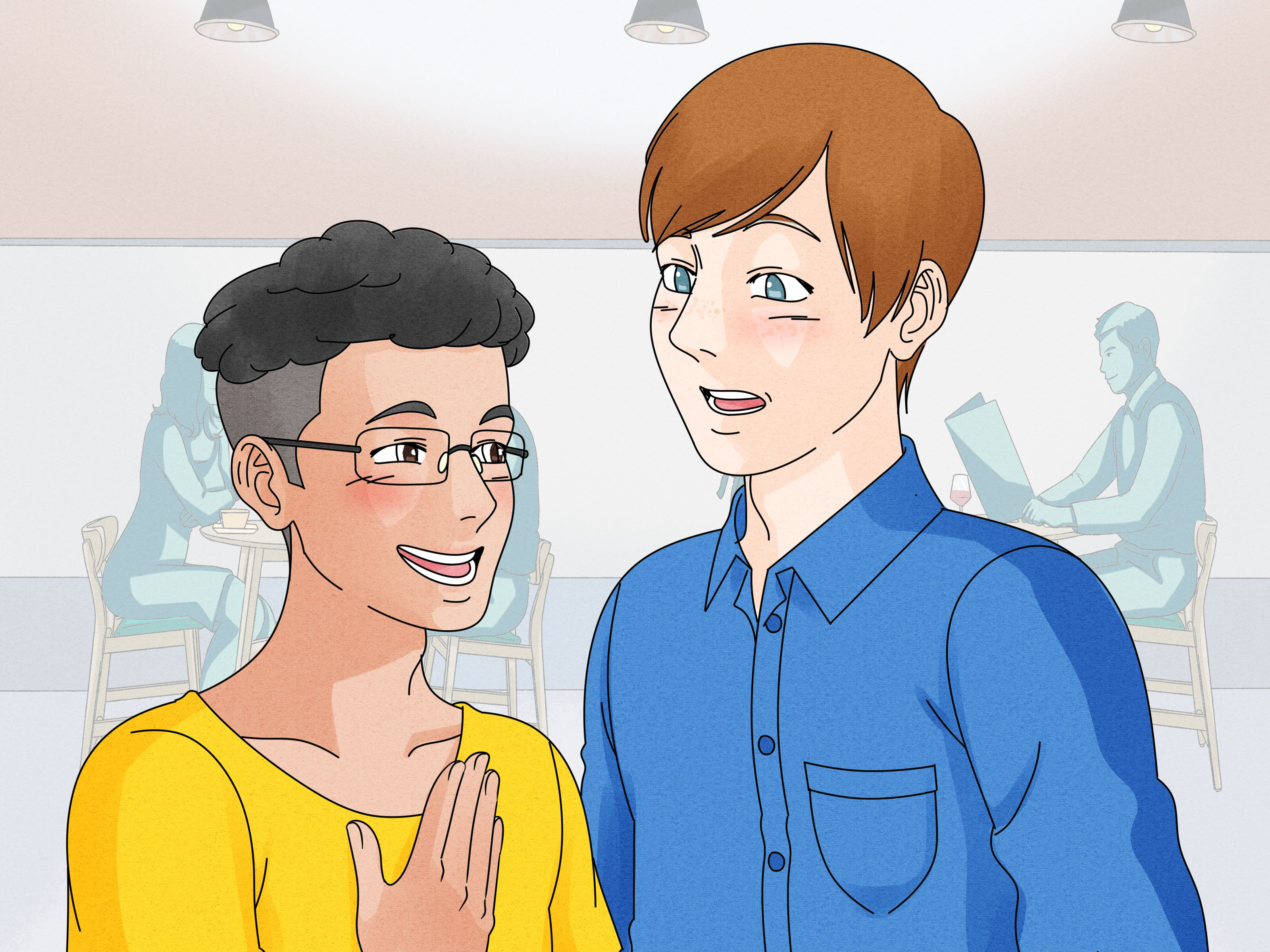
4. Start with simple conversation
You do not need a perfect opening line. This is not a job interview, and thankfully no one is handing out scores for Most Creative Sentence in Algebra II. Ask about something around you: class, music, a game, a school event, a shared teacher, or something he is clearly interested in.
Good conversation starters are simple:
“Did you understand that assignment?”
“You always know the best songs. What are you listening to lately?”
“Are you going to the game on Friday?”
The goal is to make conversation easy, not dramatic.
5. Show interest in who he is
If you want a guy to enjoy talking with you, ask questions that show real curiosity. What does he like to do? What makes him laugh? What is he into outside of school? Listening matters just as much as talking. People remember how you made them feel, and being genuinely interested makes someone feel seen.
Just keep it balanced. Curious is great. Interrogation is not. If you are firing 19 questions in a row and he looks like he needs witness protection, pull back a little.
6. Let your personality show
Trying too hard to fit what you think a guy wants often backfires. The healthiest attention comes when someone likes the real you, not the edited trailer version. If you are funny, be funny. If you are thoughtful, be thoughtful. If you are awkward in a charming way, welcome to the club. Awkward can be adorable when it is genuine.
A relationship that starts with pretending gets exhausting fast. Real connection grows from authenticity.
7. Take care of your appearance in a way that feels like you
This is not about becoming “prettier” for someone else. It is about feeling comfortable, clean, and confident in your own skin. Wear clothes that make you feel good, practice basic hygiene, and carry yourself with self-respect. Looking put together can help you feel more confident, but you do not need to transform yourself into somebody else’s ideal.
The right person should notice your energy, not just your outfit. A cute outfit can help, but it cannot replace kindness, confidence, or character.
8. Use body language that says “I’m open to talking”
Sometimes people look uninterested without meaning to. If you want to seem approachable, make eye contact, smile, face the person when they are talking, and avoid acting like your phone is your emotional support device in every social moment. Open body language makes conversations easier and less awkward.
No need to overdo it. You are not auditioning for a toothpaste commercial. Just be present.
9. Be kind, but do not chase
One of the most important teen dating tips is this: showing interest is healthy, but chasing somebody who gives little back is draining. If you always start the conversation, always make the effort, always send the text, and always wonder where you stand, pay attention. Mutual interest should feel mutual.
You can make the first move in a small, confident way. But if he never seems engaged, that is information. You do not need to turn into a one-person public relations team for your crush.
10. Build a connection before rushing the label
It is easy to get excited and jump ten chapters ahead in your head. He smiled at you twice, and suddenly your brain is choosing wedding colors. Slow down, Shakespeare. Healthy teen relationships grow step by step. Focus on getting to know each other first.
A solid connection usually includes comfort, trust, shared laughs, and consistent effort. That foundation matters more than rushing to say you are “talking” after one decent conversation and a borrowed pencil.
11. Keep your own life full
Ironically, one of the best ways to attract someone is to have a life that is not completely centered on attracting someone. Stay connected to your friends. Keep up with school. Invest in activities you enjoy. Work on your goals. People are often drawn to those who have their own interests and identity.
This also protects your emotional balance. If a crush does not work out, it hurts less when your whole sense of self was not built around that one person.
12. Watch how he treats other people
A guy may be charming when he wants attention, but character shows up in the details. Does he respect other people? Is he rude for laughs? Does he make fun of classmates, ignore boundaries, or act controlling online? A healthy connection is not just about chemistry. It is about whether he is kind, respectful, and emotionally safe to be around.
If he is sweet to you but cruel to everyone else, that is not a green flag. That is a warning label with sneakers on.
13. Respect boundaries and expect the same
Healthy attraction includes boundaries. That means respecting personal space, time, comfort levels, privacy, and the word “no.” It also means your boundaries matter. If you do not want to talk late at night, share passwords, send private photos, skip your plans, or do anything that makes you uncomfortable, you do not owe anybody that.
The right guy will not punish you for having standards. He will respect them.
14. Be clear when the time feels right
Sometimes the biggest obstacle is overthinking. If you have built some comfort and you think he may like you too, it is okay to be honest in a simple way. You do not need a grand speech under a dramatic sunset. Something small works better:
“I like talking to you. Want to hang out more sometime?”
“You’re fun to be around. Want to sit together at lunch?”
“I kind of like you, just so you know.”
Confidence does not mean being fearless. It means being honest without trying to control the outcome.
15. Be ready to accept whatever answer you get
This step is the hardest and the most important. Sometimes he will like you back. Sometimes he will not. Sometimes he will seem interested and then act inconsistent because teenage emotions are messy and maturity levels vary wildly. Rejection can sting, but it does not reduce your value.
If it works out, great. If it does not, you are still you. You are still interesting, worthy, and capable of future connection. Not every crush is meant to become a relationship, and that is normal.
Common Mistakes to Avoid
Do not pretend to be someone else
Changing your personality to impress a guy may get attention at first, but it usually creates stress later. Be honest about who you are.
Do not ignore red flags
If he pressures you, insults you, gets jealous easily, tries to control who you talk to, or makes you feel nervous instead of respected, step back. Liking someone is never a good reason to ignore unhealthy behavior.
Do not make the relationship your entire identity
Even a good relationship should not replace your friendships, goals, or independence. Healthy teen dating still leaves room for your life.
Do not let social media run the whole thing
Likes, streaks, snaps, and read receipts can make people overthink everything. Digital attention is not always the same as real effort. Focus more on how he treats you consistently than on what appears on a screen.
What a Healthy Teen Relationship Looks Like
A healthy teen relationship feels respectful, not confusing all the time. You can talk honestly. You do not feel pressured to be available every second. You still have your own friends and interests. You feel safe saying what you think. The other person listens. There is kindness, not control. Interest, not obsession. Support, not stress.
That does not mean everything will be perfect. Disagreements happen. Awkward moments happen. Miscommunication absolutely happens because, again, teenage brains are often doing backflips. But the overall pattern should still feel respectful and steady.
Experiences Teens Often Have While Figuring This Out
Many teens learn the same lesson in different ways: the healthiest connections usually begin when they stop trying so hard to be chosen and start focusing on being real. One girl might spend weeks obsessing over a guy who gives mixed signals, only to realize she feels anxious every time she talks to him. Another may become close friends with someone through a shared class, start joking around naturally, and then notice the connection building without so much pressure. In both situations, the big takeaway is the same: how someone makes you feel matters just as much as whether they are cute.
Some teens also discover that confidence is less about having the perfect look and more about having a stable sense of self. For example, a teen who joins a club, gets better at speaking up, and becomes more engaged in school often seems more attractive to others not because she changed into a different person, but because she became more comfortable with herself. Confidence tends to grow when your life has substance. Crushes become part of your world, not the whole map.
There is also the very common experience of thinking every interaction means something huge. He borrowed your pen. He laughed at your joke. He viewed your story in 11 minutes. Suddenly your brain is conducting an international investigation. This is normal, but it can make dating feel more stressful than it needs to be. A lot of teens eventually learn that clarity comes faster when you pay attention to consistent actions instead of one exciting moment. Does he make time to talk? Does he treat you respectfully? Does he show effort more than once every leap year? Consistency tells the truth.
Another common experience is realizing that being “picked” is not always the same thing as being valued. Sometimes a guy shows interest, but the dynamic still feels draining. Maybe he is hot and cold. Maybe he acts sweet in private but dismissive around friends. Maybe he wants attention without giving respect. Teens who go through this often come out wiser. They realize that getting a boyfriend is not automatically a success story. A healthy relationship is the success story.
Many teens also find that talking to a trusted adult can help more than they expected. That might be a parent, older sibling, counselor, coach, or another safe adult who listens without turning every crush into a federal case. Outside perspective can help you spot patterns, protect your boundaries, and remember that your value is not determined by one person’s opinion.
In the end, the most meaningful experiences usually come from learning balance: being open but not desperate, confident but not fake, interested but still respectful of yourself. Crushes can be fun, awkward, exciting, and occasionally ridiculous. That is part of being a teenager. But the healthiest lesson is this: the right guy will not require you to shrink, chase, or prove your worth. He will simply meet you with the same respect and interest you are already bringing to the table.
Conclusion
If you want to know how to get a guy in your teenage years, the best answer is to stop thinking in terms of tricks and start thinking in terms of healthy connection. Build confidence. Start conversations. Be genuine. Keep your standards. Look for mutual effort. And remember that no crush is worth losing your peace, your boundaries, or your sense of self.
The best relationships do not begin with pressure. They begin with honesty, comfort, respect, and a little courage. So yes, shoot your shot when it feels right. Just make sure you are aiming with self-respect.
Note: This article is written for a healthy, age-appropriate audience and focuses on mutual respect, communication, boundaries, and confidence rather than changing yourself or pressuring someone into liking you.