Curry is wonderful on a plate. It is less wonderful when your curtains smell like turmeric’s enthusiastic cousin three days later. If you have ever cooked a fragrant curry and then wondered why your kitchen, sofa, hallway, and possibly your neighbor’s cat still smell like dinner, you are not alone. Curry aromas are bold because spices, oil, steam, and tiny food particles travel fast and cling to surfaces like they have signed a long-term lease.
The good news: you do not need to panic, repaint the kitchen, or apologize to every guest who walks in. To get a curry smell out of your house, you need three things: fresh air, source cleaning, and odor absorption. Air freshener alone usually just creates “curry in a flower shop,” which is not the elegant solution anyone hoped for.
Below are 9 easy ways to remove curry odor from your house, from quick fixes you can do tonight to deeper cleaning steps for stubborn smells hiding in fabric, grease, vents, and cabinets.
Why Curry Smell Lingers in the House
Curry smell lasts because many spices release aromatic compounds when heated in oil. Ingredients such as cumin, turmeric, coriander, garlic, onion, chili, fenugreek, and garam masala are deliciously fragrant, but those same aromas can settle into grease, steam, textiles, walls, cabinet doors, carpets, and range hood filters.
Unlike a simple smell from boiling pasta, curry odor often has an oily base. That means the smell may not disappear until the thin layer of cooking residue disappears too. This is why wiping counters, cleaning the stove, washing fabric, and degreasing the range hood matter just as much as opening a window.
How to Get a Curry Smell Out of Your House: 9 Easy Ways
1. Ventilate the Kitchen Immediately
The fastest way to reduce curry smell is to move the odor out before it settles. Open windows on opposite sides of the house if possible to create cross-ventilation. Turn on the kitchen exhaust fan, bathroom fan, or a portable fan facing out a window. The goal is not just to swirl the smell around like a spicy tornado; the goal is to push stale air outside and bring fresh air in.
If you are still cooking, keep lids on pots when possible and use the range hood from the beginning, not after the smell has already started decorating the walls. After cooking, leave the fan running for at least 20 to 30 minutes. In apartments or small homes, close bedroom and closet doors while cooking so the smell does not wander into soft fabrics.
For best results, wipe up splatters while the kitchen is still warm. Warm grease is easier to remove than cooled grease, and removing greasy residue helps prevent the curry odor from returning every time the room heats up.
2. Simmer Vinegar or Lemon Water
White vinegar is one of the most practical natural odor neutralizers for cooking smells. Add one cup of water and one cup of white vinegar to a small saucepan, then simmer gently for 10 to 15 minutes. Keep an eye on the pot so it does not boil dry. The steam helps cut through strong kitchen odors and can make the room smell cleaner once the vinegar scent fades.
If you dislike vinegar, use lemon water instead. Simmer lemon slices, orange peels, or a few tablespoons of lemon juice in water. You can add cinnamon sticks or cloves if you want a warmer scent, but do not overdo it. The purpose is to neutralize and refresh, not replace curry smell with “holiday candle explosion.”
Never mix vinegar with bleach or ammonia-based cleaners. That is not cleaning; that is accidentally auditioning for a chemistry safety video. Use vinegar by itself, rinse surfaces when needed, and keep the room ventilated.
3. Put Out Bowls of Baking Soda, Vinegar, or Activated Charcoal
For lingering curry smell overnight, place shallow bowls of baking soda around the kitchen, dining area, and any room where the smell is noticeable. Baking soda is useful because it helps absorb and neutralize odors rather than simply covering them up. Replace the bowls after a day or two if the odor is still strong.
You can also place bowls of white vinegar in the kitchen overnight. The vinegar smell may be sharp at first, but it usually fades and takes some of the cooking odor with it. Activated charcoal bags are another strong option, especially for cabinets, pantries, closets, and small apartments. They are tidy, reusable, and less likely to be mistaken for a bowl of mysterious kitchen powder.
For a simple setup, place one bowl near the stove, one near the trash can, and one near the dining area. If the smell traveled into the living room, add another bowl near upholstered furniture or rugs.
4. Degrease the Stovetop, Backsplash, and Cabinets
If curry smell keeps coming back, grease is probably the villain. Curry spices bloom in oil, and tiny droplets can land on the stovetop, backsplash, range hood, cabinet doors, counters, and nearby walls. Even when you cannot see the film, your nose may detect it.
Make a simple cleaning solution with warm water and a few drops of grease-cutting dish soap. Wipe the stovetop, knobs, backsplash, nearby counters, cabinet fronts, and the wall around the cooking area. For sticky spots, sprinkle a little baking soda on a damp sponge and scrub gently. Rinse with a clean damp cloth and dry with a microfiber towel.
For painted walls or delicate surfaces, test first in a hidden area. Avoid soaking wood cabinets. Use a lightly damp cloth, then dry immediately. If the cabinets smell strongly of curry, wipe them twice: once to remove grease, and again with clean water to remove cleaner residue.
5. Clean the Range Hood and Filter
Your range hood is supposed to capture smoke, steam, grease, and cooking odors. But if the filter is coated in old oil, it can become a curry-scented memory foam mattress for smells. Cleaning it can make a dramatic difference.
Remove the metal filter according to your appliance instructions. Fill a sink or large basin with very hot water, grease-cutting dish soap, and a few tablespoons of baking soda. Soak the filter for 15 to 30 minutes, then scrub gently with a soft brush. Rinse well and let it dry completely before reinstalling.
While the filter dries, wipe the underside and exterior of the range hood with warm soapy water or a mild degreaser. Pay attention to fan edges and corners where grease collects. If your hood uses a charcoal filter, check whether it is washable or replaceable. Many charcoal filters need replacement rather than cleaning.
6. Wash Curtains, Table Linens, and Soft Fabrics
Soft fabrics are odor magnets. Curtains, cushion covers, tablecloths, dish towels, aprons, and throw blankets can hold curry smell long after the kitchen looks clean. If washable, launder them according to the care label. Use regular detergent and add baking soda to the wash for extra deodorizing power.
For non-washable curtains or upholstery, start by airing them out. Open windows, run a fan, and let fresh air circulate. Sprinkle baking soda lightly over rugs or fabric surfaces, let it sit for several hours, then vacuum thoroughly. Always test first, especially on dark or delicate fabric.
If your sofa absorbed the smell, remove cushion covers if possible and wash them. If not, vacuum the sofa, sprinkle baking soda, let it sit, and vacuum again. A fabric-safe deodorizing spray can help, but avoid heavy perfumes. A strong fragrance on top of curry can make the room smell like a spice market inside a department store.
7. Take Out Trash and Clean the Sink Area
Sometimes the curry smell is not floating in the air anymore. It is sitting in the trash, hiding in the garbage disposal, clinging to food scraps, or lurking in a sponge that should have retired three meals ago.
Take out the trash immediately after cooking strong-smelling meals. Wash the trash can with hot soapy water, rinse, dry, and sprinkle a little baking soda in the bottom before adding a new liner. If you use a compost bin, empty it or store scraps in a sealed container.
Clean the sink drain and garbage disposal if you have one. Run cold water, add a little dish soap, and let the disposal run. You can follow with citrus peels to freshen the smell. Avoid putting too much fibrous food or grease down the drain, since buildup can hold odors and create bigger plumbing problems later.
8. Use an Air Purifier or Replace HVAC Filters
An air purifier can help reduce cooking odors, especially in small apartments, open-plan homes, or kitchens without strong ventilation. Choose a purifier with a true HEPA filter for particles and an activated carbon filter for odors. The carbon component matters because many cooking smells are gaseous or odor-based, not just dust floating in the air.
Place the air purifier near the kitchen or in the room where the curry smell is strongest. Run it during cooking and for several hours afterward. Keep doors open between the kitchen and living area if you want the purifier to clean shared air, but close bedroom doors if you are trying to keep the smell out.
If your home has central heating or cooling, check the HVAC filter. A dirty filter can recirculate stale odors and reduce airflow. Replace it according to the manufacturer’s schedule, or sooner if you cook often, have pets, or live in a dusty area.
9. Prevent Curry Smell Next Time
The easiest curry smell to remove is the one that never gets a chance to move in. Before cooking, open a window, turn on the exhaust fan, and close doors to bedrooms and closets. Use lids while simmering sauces. Cook on the back burner under the range hood when possible, and clean splatters as you go.
After cooking, wipe the stove and nearby counters before the oil cools. Wash spice-coated utensils, cutting boards, and pans quickly. If you fried spices in oil, clean the pan thoroughly with hot water and dish soap. Letting it sit overnight is basically giving the smell a pillow and a bedtime story.
You can also set out baking soda or vinegar before cooking, not just after. Think of it as odor insurance. It will not stop every smell, but it can reduce the amount that lingers.
What Not to Do When Removing Curry Smell
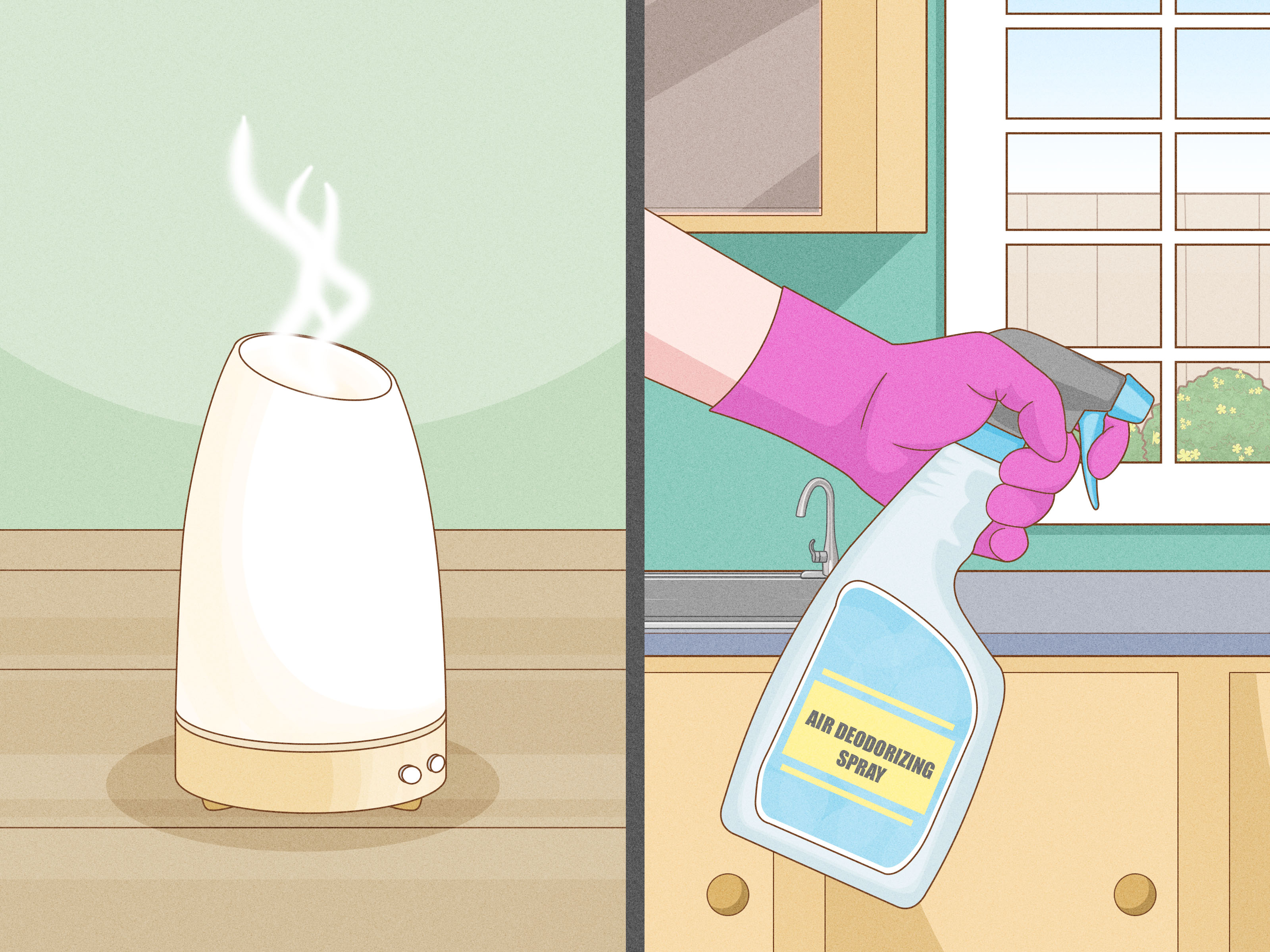
Do not rely only on scented candles, plug-ins, or room sprays. They may make the room smell better temporarily, but they do not remove grease, residue, or odor trapped in fabrics. Clean first, then add a light scent if you want.
Do not spray strong fragrance directly onto upholstery without checking the care label. Some sprays can stain fabric or leave a sticky residue that attracts dust. Do not mix cleaning chemicals, especially vinegar with bleach. Do not ignore the range hood filter, because a greasy filter can keep releasing old cooking odors every time the stove heats up.
Finally, do not assume your house is dirty because it smells like curry. Strong food aromas happen in clean homes all the time. The trick is knowing where the odor hides and removing it from the source.
Extra Experience: What Really Works When Curry Smell Takes Over
Here is the honest experience many home cooks learn the hard way: curry smell is rarely defeated by one heroic trick. The best results usually come from stacking small actions. Open the windows, run the fan, wipe the grease, clean the filter, wash the towels, and set out baking soda. None of these steps is glamorous, but together they work like a tiny cleaning orchestra.
One of the biggest mistakes is waiting until the next morning. By then, the smell has had hours to settle into curtains, rugs, cabinets, and the soft hoodie you left on a dining chair. If you can do only three things after cooking, do these: run ventilation, wash the pans, and wipe the stovetop. That short routine can prevent a two-day odor problem.
Another practical lesson: the range hood matters more than people think. Many homeowners turn it on but forget the filter exists. If the filter is greasy, it cannot do its job well. Worse, it may blow warm, oily, spice-scented air back toward the kitchen. Cleaning the filter every month or two can make the entire home smell fresher, especially if you cook aromatic dishes often.
Fabric is the second big surprise. A kitchen can look spotless while the dining curtains are quietly holding onto last night’s curry. Dish towels are even worse. They sit near the action, catch steam, wipe counters, and then hang around like evidence. Wash them right away after cooking with strong spices. If you have an open kitchen connected to the living room, give throw blankets and cushion covers a sniff test. Your nose may solve the mystery faster than your eyes.
For small apartments, prevention is everything. Start the fan before the onions hit the oil. Crack a window before adding spices. Close the bedroom door before simmering the sauce. Place a bowl of baking soda near the stove and another near the entryway. These little habits keep the smell from spreading into every corner.
For larger homes, airflow can be tricky. A fan pointed the wrong way may push the smell deeper into the house. Try placing a fan near a window facing outward, so it exhausts the air. Then open another window slightly on the opposite side of the home to bring in fresh air. This creates a path for the odor to leave instead of wander.
And yes, sometimes the best solution is patience plus cleaning. Curry smell can be intense, but it is not permanent. Once the oily residue is removed and the air is refreshed, the house will smell normal again. You can still cook the foods you love without turning your home into a spice-scented time capsule. The secret is simple: cook boldly, ventilate early, clean grease quickly, and let baking soda do its quiet little magic overnight.
Conclusion
Getting curry smell out of your house is not about attacking the air with perfume. It is about removing the source, increasing ventilation, cleaning oily surfaces, deodorizing fabrics, and absorbing what remains. Start with fresh air, then clean the stove, backsplash, cabinets, range hood, sink, trash can, and fabrics. Use baking soda, vinegar, lemon steam, activated charcoal, and an air purifier as support.
With the right routine, you can enjoy rich, spicy, beautiful curry without smelling it in your curtains until next Tuesday. Your dinner can be memorable. Your house does not have to be.