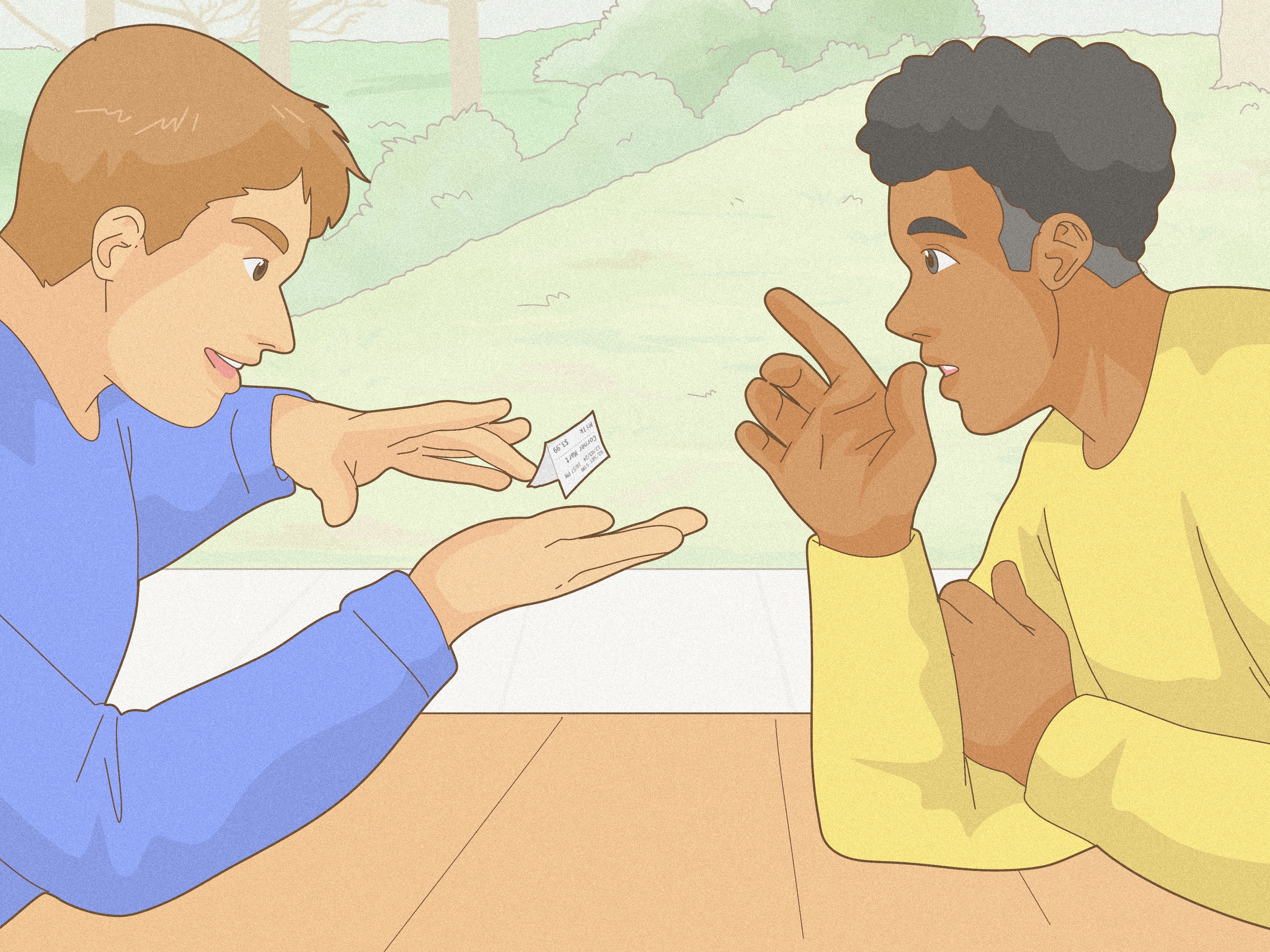
Some TikTok tricks make you think, “That can’t be real,” and honestly, that is part of the charm. The floating receipt trick lives in that sweet spot between street magic, camera-friendly illusion, and “wait, run that back.” A flimsy little store receipt appears to hover, drift, or hang in the air like gravity took a coffee break. It looks impossible. It looks suspicious. It looks like the sort of thing your cousin would try once and then dramatically whisper, “I think I’m basically a magician now.”
Here is the good news: you can absolutely create a convincing version of the floating receipt trick at home. The even better news is that you do not need a Hollywood effects team, a suspicious wind machine, or magical ancestry. What you do need is a basic understanding of what makes the illusion work, a little patience, and enough practice to keep your hands from looking like they are negotiating with an invisible spiderweb.
This guide breaks down how to do the floating receipt trick from TikTok in a way that is practical, beginner-friendly, and original. You will learn what the trick really is, what materials work best, how to perform it cleanly, how to make it look stronger on camera, and which mistakes instantly ruin the effect. By the end, you will know how to turn a boring little paper slip into a star performer.
What the Floating Receipt Trick Actually Is
Let’s clear something up early: the classic floating receipt effect is not about making paper magically defy physics. It is an illusion. In most convincing versions, the receipt is being supported by an ultra-thin thread, elastic thread, or a similar hidden setup. Because a receipt is lightweight, floppy, and visually “messy,” it is a great object for this kind of trick. It does not look engineered. It looks random. That is exactly why it fools people.
Some people assume the trick works with static electricity alone. Static can make very light materials cling, twitch, or jump. It can definitely create fun science-demo moments. But if you want that smooth, controlled, hovering TikTok look, static electricity is usually too inconsistent on its own. Humidity, lighting, how charged the object is, and the paper’s shape all affect the result. In other words, static is a fun side quest. The floating receipt illusion is the main game.
So if you want the version that gets the “NO WAY” reaction instead of the “Why are you rubbing a receipt on your sweater?” reaction, hidden thread is the route to take.
What You Need
Basic materials
- A lightweight receipt, preferably a longer one
- Invisible thread or invisible elastic thread
- A small amount of magician’s wax or removable clear wax
- Scissors
- A dark or visually simple background for practice
- Good but soft lighting
If you are brand new to this, invisible elastic thread is often easier to manage than traditional invisible thread. It has a little stretch, which gives you more control and forgiveness. Regular invisible thread can look amazing, but it can also test your patience, your eyesight, and your relationship with sanity.
Why a receipt works so well
A receipt is ideal because it is light, thin, flexible, and already looks casual. A playing card can also float, but a card feels like a magician’s prop. A receipt feels like real life. It also bends and flutters in a way that sells the illusion. That soft movement makes the effect feel less mechanical and more mysterious.
How to Do the Floating Receipt Trick Step by Step
Step 1: Prepare your thread
Cut a workable length of invisible thread or use a pre-made loop of invisible elastic thread. If you are using standard thread, keep it long enough to give you control but short enough that it does not become a tangled emotional event. For most beginners, starting short is smarter.
Attach one end using a tiny bit of wax to an anchor point. Depending on your setup, that anchor point could be your shirt, your finger, your wrist area, or a nearby object if you are filming. The goal is to create tension without making the setup obvious.
Step 2: Attach the receipt
Use the smallest possible bit of wax to attach the receipt to the thread. Less is more. If you use too much wax, the receipt can look oddly stiff or heavy, and nobody wants a haunted receipt that moves like a wet napkin.
Try attaching the thread near the top third of the receipt rather than dead center. That off-center connection often creates a more natural hang and better motion. The receipt should look loose and casual, not like it has been carefully engineered in a secret underground lab.
Step 3: Create tension
The illusion depends on tension. Once the thread is anchored and the receipt is attached, gently move into position so the thread becomes taut. This is what allows the receipt to appear suspended. Tiny body movements, hand positioning, and small shifts in distance will control how the receipt rises, falls, or glides.
This is the moment where beginners usually learn an important lesson: subtlety is everything. If you yank, the receipt jerks. If you overact, the audience looks where they should not. If you panic, congratulations, you have invented aggressive office supply theater.
Step 4: Introduce the effect naturally
Do not start by saying, “Watch this impossible levitation miracle.” That is too loud. A better approach is to keep it casual. Crumple the receipt slightly or hold it like you are about to toss it away. Then let it catch, hover, or drift as if something strange just happened.
The strongest magic often feels accidental for half a second. That pause matters. Let the audience register the weirdness before you start guiding the receipt.
Step 5: Animate it with small movements
Use tiny motions of your hands, head, shoulders, or body to control the floating look. You are not really moving the receipt with “magic hands,” but the choreography should make it seem that way. The trick becomes much stronger when your visible movement feels connected to the receipt’s motion.
Think slow, deliberate, and smooth. A gentle rise looks better than a sudden pop. A soft side-to-side drift looks better than a frantic wobble. The receipt should appear to respond to you, not fight for independence.
Step 6: End cleanly
A good ending makes the trick feel complete. Catch the receipt naturally, peel it away if needed, and move on. Do not stare at it like you also have no idea what just happened. That can be funny once, but it is not always strong theater. Confidence sells the effect.
How to Make the Trick Look Better on TikTok
Use the right background
Invisible thread becomes easier to spot against busy patterns, direct glare, and certain high-contrast backgrounds. Practice in front of a simple background first. Solid walls, soft shadows, and controlled lighting help a lot.
Avoid harsh lighting
Bright direct light can betray the thread. Soft indoor lighting is usually kinder. You want enough light for the receipt to be visible, but not so much that your setup becomes a documentary called Here Is the Thread, Everyone.
Control your camera angle
One reason tricks pop on TikTok is that the camera only sees what you allow it to see. Keep the frame tight enough to highlight the floating action but not so tight that the movement feels suspiciously cropped. Test a few angles before filming the final take.
Keep your hands motivated
Do not wave your fingers randomly around the receipt like you are trying to cast a spell you found on a cereal box. Every motion should look purposeful. If your hand moves, the audience should believe it has a reason to move.
Common Mistakes That Ruin the Illusion
Using a heavy or stiff receipt
Some receipts are shorter, thicker, or more stubborn than others. A longer, lighter receipt usually gives you prettier motion. If the paper feels stiff, the trick can look clunky.
Too much motion
Beginners often think bigger movement equals bigger magic. Usually it equals bigger suspicion. The best floating effects are quiet. They breathe. They creep into the audience’s brain before the audience knows what is happening.
Ignoring angles
If people are standing in the wrong place or your camera catches the wrong side, the mystery evaporates. Practice from the exact viewpoint your audience will have. Magic is not just about method. It is also about management.
Trying to perform too soon
The first few attempts may look less like elegant levitation and more like a receipt that got caught in a tiny invisible clothesline. That is normal. Practice is what turns “sort of weird” into “how did you do that?”
Can You Do a Version With Static Electricity?
Yes, but it is a different effect. You can sometimes make light paper react using static charge from plastic objects, synthetic fabric, or a charged balloon or comb. That can make paper cling, twitch, or lift briefly. It is fun and science-y, but it usually does not create the same controlled floating look as thread-based levitation.
If you want to experiment, do it on a dry day, use very light paper, and keep expectations realistic. Static tricks are more like “look, it moved” than “behold, the receipt now floats like it pays rent in the sky.”
Safety and Practical Notes
Because many receipts are thermal paper, it is smart to handle them reasonably and wash your hands afterward, especially before eating. Also, do not put the receipt in your mouth, and do not keep rubbing it against your skin like you are trying to summon office spirits. Keep the trick playful and low-drama.
Also, be considerate about where you perform it. Doing the trick after you have already left the checkout line is one thing. Holding up a busy store while you attempt levitation with a CVS receipt and the confidence of a street sorcerer is another. Read the room.
Why This Trick Works So Well on People
The floating receipt trick is powerful because it combines three things audiences love: an ordinary object, a visual impossibility, and just enough messiness to feel real. A receipt is not glamorous. It is not polished. It is not supposed to be magical. That makes the effect stronger.
The movement also plays nicely with the human brain. People expect paper to fall, flop, or crumple. When it hangs in the air instead, the brain scrambles to explain it. That split-second confusion is where the magic lives. Add a natural performance and a clean angle, and the trick feels way bigger than the method behind it.
Final Thoughts
If you want to learn how to do the floating receipt trick from TikTok, the secret is not mystical talent. It is choosing the right lightweight paper, setting up hidden thread cleanly, controlling your angles, and performing with enough restraint that the illusion has room to breathe. That is the real recipe.
Start simple. Practice in front of a mirror. Film test clips. Adjust your lighting. Learn how the receipt moves. Once the motion feels smooth and casual, the trick stops looking like a craft project and starts looking like a little miracle. And that is when people rewatch the video three times and still have no clue what happened.
Not bad for a piece of paper most people were planning to throw away.
Experience: What It’s Really Like Learning the Floating Receipt Trick
The first time most people try this trick, it does not look magical. It looks personal. Specifically, it looks like you are losing a small but meaningful battle against a receipt. The paper twists the wrong way. The thread catches on your sleeve. The wax either refuses to stick or decides to stick forever. You start out thinking, “This will take five minutes,” and ten minutes later you are negotiating with office trash like it owes you rent. That is part of the learning curve.
But then something changes. After a few practice rounds, you stop forcing the trick and start understanding it. You realize the receipt does not need to fly around the room to look impressive. It just needs one strange, clean moment. A tiny hover. A soft drift. A weird pause in midair. That is when the trick gets good. It teaches patience in a sneaky way. You begin to appreciate how much stronger “less” can be.
There is also a funny confidence boost that comes with using such a boring object. If you float a fancy card, people assume there is a gimmick. If you float a receipt, people assume reality briefly glitched. That makes the reaction feel more genuine. Friends lean in. Someone laughs. Someone else says, “No, do that again.” And now you are in the beautiful position every magician loves: people are staring directly at the effect and still not seeing the method.
Filming it for TikTok adds another layer of experience. Suddenly, you notice details you never cared about before. Backgrounds matter. Shadows matter. The angle of your wrist matters. You become the director of a tiny paper drama. You do a take, watch it back, and realize your movement looked suspicious. You do another take, and now the receipt looks amazing but your face says, “Please do not notice the invisible thing I am absolutely thinking about right now.” So you do one more. Then one more. Then one magical take lands, and it looks effortless even though you know it took twenty attempts and the emotional strength of a full documentary crew.
That is probably the best part of this trick: when it finally works, it looks casual. Almost too casual. A little receipt hangs in the air, and everyone watching fills in the mystery for themselves. The method is tiny. The reaction is big. That ratio is what makes simple magic so satisfying. You are not building a giant stage illusion. You are creating a weird little moment that makes ordinary life feel slightly impossible.
And honestly, that is why people keep coming back to tricks like this. They are fun to learn, cheap to practice, easy to carry, and deeply watchable when done well. A floating receipt should be ridiculous, and yet when the timing is right, it feels elegant. It is silly, clever, and surprisingly addictive. One successful performance usually leads to the same thought: “Okay, what else can I make float?”
Note: This article explains the most practical entertainment version of the floating receipt trick in original language for web publication, with no copied source text or source-link clutter.