Note: HTML body only, ready to copy and publish.
When your engine cranks but refuses to start, sputters like it has stage fright, or runs like it forgot how cylinders work, a loss of spark may be the culprit. Spark is the tiny lightning bolt that ignites the air-fuel mixture inside each cylinder. No spark means no combustion. Weak spark means poor combustion, rough running, misfires, lousy fuel economy, and the kind of morning that makes coffee feel underqualified.
The good news is that diagnosing a spark problem is usually more logical than mystical. Modern ignition systems may look intimidating, but the troubleshooting path is fairly straightforward: confirm the problem, test for spark safely, isolate whether the fault affects one cylinder or all cylinders, then inspect the parts most likely to fail. If you follow a clean process instead of playing parts-darts with your wallet, you can often narrow the issue down without replacing half the engine bay for fun.
This guide explains how to diagnose a loss of spark in your car engine step by step, what symptoms point to ignition trouble, which tools make the job easier, and how to tell whether your problem is a bad spark plug, a failing ignition coil, damaged plug wires, an ignition module issue, a crankshaft position sensor fault, or something bigger. We will also cover what your spark plugs may be trying to tell you, because they are basically tiny tattletales threaded into the engine.
What a “Loss of Spark” Really Means
In a gasoline engine, the ignition system creates high voltage and sends it to each spark plug at precisely the right moment. The spark jumps the plug gap and lights off the air-fuel mixture. If that spark disappears, arrives weak, or shows up at the wrong time, the engine may crank without starting, misfire under load, idle roughly, hesitate on acceleration, or stall.
A complete loss of spark can affect one cylinder, a pair of cylinders that share a coil, or the entire engine. That difference matters. One dead cylinder often points to a single bad coil-on-plug unit, a fouled plug, or a damaged wire or boot. No spark on every cylinder usually means you need to look upstream at power supply, a blown fuse, an ignition control problem, a crankshaft position sensor issue, or a fault in the module or engine computer.
Common Symptoms of No Spark or Weak Spark
Before grabbing tools, pay attention to how the vehicle is acting. Symptoms help you choose the right diagnostic path instead of wandering into the weeds.
- Cranks but will not start: The starter turns the engine normally, but combustion never happens.
- Hard starting: The engine eventually starts, but only after extra cranking or repeated attempts.
- Misfires: You may feel shaking, jerking, sputtering, or a “dead cylinder” sensation.
- Rough idle: The engine sounds uneven, like it is trying to count to four and keeps landing on three.
- Loss of power: Weak acceleration can happen when one or more cylinders are not firing correctly.
- Backfiring: Unburned fuel can ignite in the exhaust and create popping or banging.
- Check engine light: Misfire and ignition-coil circuit codes are common clues.
- Lower fuel economy: Poor ignition wastes fuel and can foul plugs or stress the catalytic converter.
Tools That Make Diagnosis Easier
You do not need a dealership-sized toolbox, but a few basic items make spark diagnosis safer and smarter.
- OBD-II scanner: Helps identify misfire and ignition-related trouble codes.
- Inline spark tester: The safest and most reliable way to check for spark.
- Digital multimeter: Useful for checking power, ground, and in some cases coil resistance.
- Basic hand tools: Sockets, ratchet, screwdrivers, and pliers.
- Repair manual or service information: Vehicle-specific specs matter.
- Insulated gloves and eye protection: High voltage does not care about your confidence level.
One important note: use a spark tester instead of improvising with random metal objects. The old “hold the plug near ground and hope for fireworks” trick is not a personality test. It is a good way to get shocked, misread the result, or damage components.
Step-by-Step: How to Diagnose a Loss of Spark in Your Car Engine
1. Confirm the Engine Is Cranking Normally
First, separate a no-crank problem from a cranks-but-won’t-start problem. If the engine does not turn over, your issue is more likely the battery, starter, cable connections, or starter circuit. If it cranks at normal speed but does not fire, spark becomes a more likely suspect.
This sounds basic, but it matters. Plenty of people chase ignition problems when the real villain is a weak battery or poor cable connection. Diagnose the actual symptom, not the one your frustration invented.
2. Scan for Trouble Codes
Plug in an OBD-II scanner and look for stored or pending codes. Misfire codes such as P0300 through P0308 can point to random or cylinder-specific misfires. Ignition coil circuit codes such as P0350 and related coil-specific codes can steer you toward a wiring or coil issue. A flashing check engine light usually means an active misfire severe enough to risk catalytic-converter damage.
Codes do not automatically tell you which part to replace, but they do tell you where to look. Think of them as clues, not a shopping list.
3. Check for Spark the Safe Way
Now test for spark. Disconnect a plug wire or coil from a spark plug, connect an inline spark tester, ground it properly according to the tool instructions, and have someone crank the engine. You want to see a strong, consistent blue or blue-white spark. A weak orange spark, an intermittent spark, or no spark at all means you have an ignition problem worth chasing.
Repeat the test on multiple cylinders. This is one of the most useful moves in the whole process.
- No spark on one cylinder: suspect the spark plug, the coil, the boot, or the plug wire for that cylinder.
- No spark on two paired cylinders: on some wasted-spark systems, a shared coil may have failed.
- No spark on any cylinder: look at the main ignition supply, fuse, relay, ignition module, crankshaft position sensor, cam sensor where applicable, or engine control strategy.
4. Inspect the Spark Plugs
Remove the spark plug from the affected cylinder and actually look at it. A spark plug is a tiny crime scene report. A healthy plug generally shows normal wear and reasonable electrode condition. A bad one may be oil-fouled, carbon-fouled, cracked, worn, overheated, or incorrectly gapped.
Here is what common plug conditions may mean:
- Black, dry soot: carbon fouling, rich mixture, weak ignition, or incorrect heat range.
- Oil deposits: oil entering the combustion chamber, which can short the spark path.
- White, blistered, or chalky appearance: overheating, lean mixture, incorrect plug heat range, or cooling issues.
- Worn or eroded electrode: an overdue plug that can make the coil work harder.
- Cracked insulator: the plug should be replaced immediately.
Also verify the plug gap. An excessive gap forces the coil to generate more voltage to jump the distance, which can cause weak spark, misfires, and premature coil failure. In other words, a worn-out spark plug can take the ignition coil down with it like a bad roommate.
5. Swap Components to See Whether the Problem Follows
If your engine uses coil-on-plug ignition and only one cylinder is misfiring or lacks spark, swap the suspect coil with a coil from a good cylinder. Then clear the codes and retest. If the misfire or no-spark condition moves to the new cylinder location, you likely found a bad coil.
This swap test is simple, fast, and often more useful than staring dramatically at the engine bay while pretending intuition is a meter.
6. Inspect Plug Wires, Boots, and Connections
On engines with spark plug wires, inspect the wires for cracking, brittleness, burns, loose terminals, corrosion, or signs of arcing. A damaged wire can leak voltage before it reaches the plug. In low light, some bad wires will even put on a tiny lightning show around the insulation. That may look exciting, but it is terrible for drivability.
Check routing too. Poor wire routing can increase heat exposure or interference. On coil-on-plug systems, inspect the boots and springs inside the boots for carbon tracking, corrosion, moisture, or oil contamination from a leaking valve cover gasket.
7. Check Power and Ground at the Coil
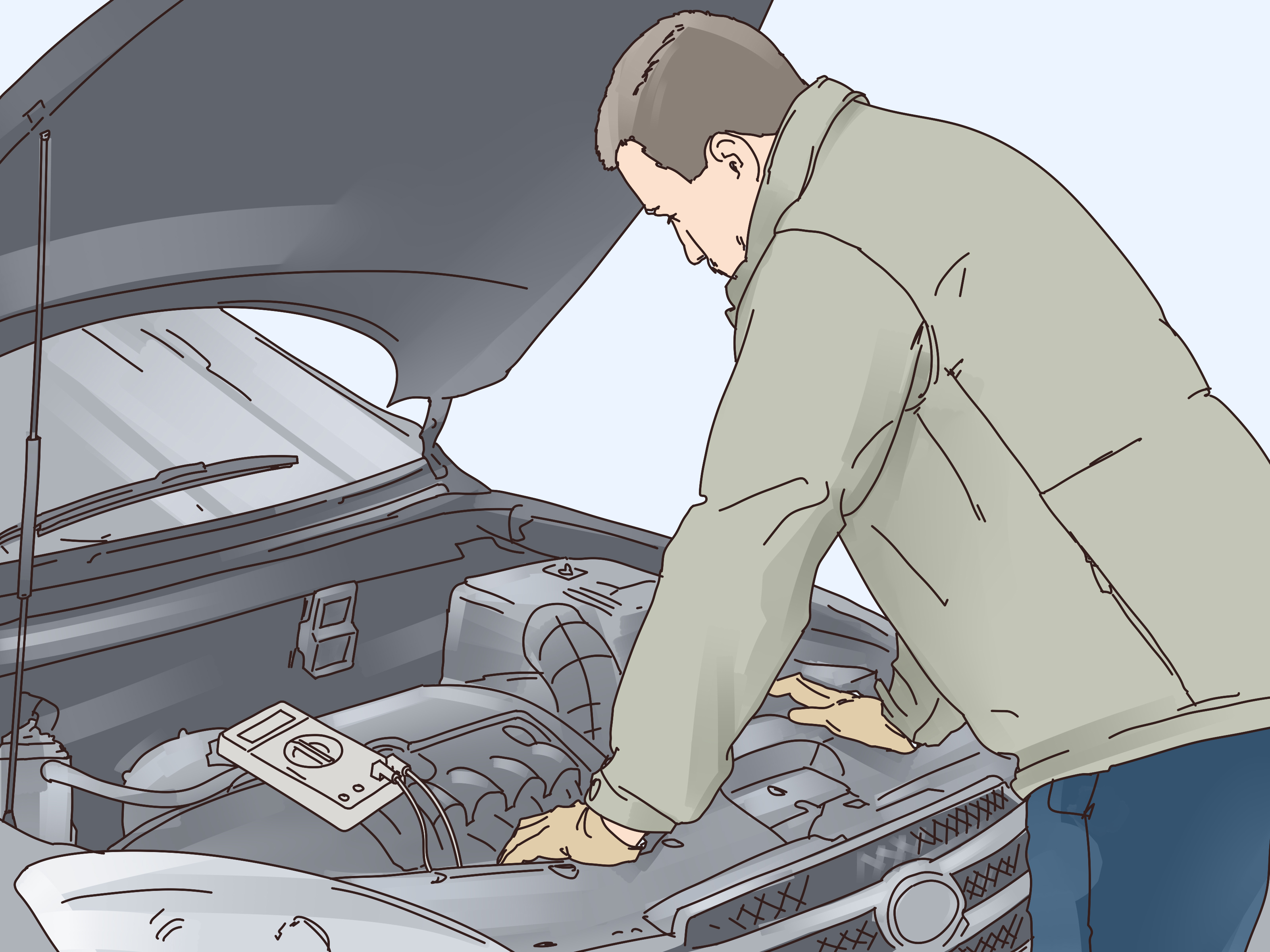
If a cylinder still has no spark, verify that the ignition coil is receiving battery voltage and proper ground when cranking. Depending on the vehicle, a test light or multimeter can help you confirm power supply. If the coil has power and ground but still does not fire, the issue may be the coil itself or the trigger signal controlling it.
If the coil has no power, inspect the ignition fuse, wiring, connectors, relay, and harness condition. Sometimes the problem is not the glamorous expensive part. Sometimes it is a humble corroded connector quietly ruining your day.
8. Consider the Crankshaft Position Sensor and Trigger Signals
If there is no spark anywhere, especially along with no injector pulse, the crankshaft position sensor becomes a prime suspect. The engine computer often relies on crankshaft position data to determine when to fire the coils and, on many vehicles, when to pulse the injectors. No crank signal can mean no spark, no fuel pulse, and a very committed no-start.
Other trigger-related problems can include a failed ignition module, damaged wiring, or a bad camshaft position sensor on systems that use both crank and cam inputs for timing. Some anti-theft or immobilizer faults can also prevent start conditions that mimic spark loss, so always pay attention to warning lights and vehicle behavior.
9. Do Not Forget Older Distributor-Based Systems
If you are working on an older car or truck with a distributor, inspect the distributor cap and rotor carefully. Cracks, carbon tracking, corrosion on terminals, worn contacts, and moisture inside the cap can all kill spark quality. On these systems, a single failure can affect every cylinder, so global no-spark or widespread misfiring may lead you straight to the cap, rotor, pickup, or ignition module.
10. Rule Out Non-Ignition Problems Before Declaring Victory
Not every misfire is caused by spark loss. Fuel delivery issues, vacuum leaks, low compression, timing problems, or mechanical damage can produce similar symptoms. If you have strong spark but the engine still will not start or continues to misfire, shift your attention to injector pulse, fuel pressure, compression, and timing integrity.
The engine needs air, fuel, compression, and spark. If one is missing, the engine does not care how convinced you are about the other three.
Most Common Causes of Spark Loss
- Worn, fouled, cracked, or improperly gapped spark plugs
- Failing ignition coil or coil pack
- Damaged spark plug wires or coil boots
- Corroded or loose electrical connectors
- Blown ignition fuse or relay issue
- Bad ignition control module
- Failed crankshaft position sensor
- Distributor cap or rotor problems on older vehicles
- Moisture or oil contamination in ignition components
- Engine wiring damage or poor grounds
When to Stop DIY Diagnosis and Call a Pro
If you have confirmed no spark on all cylinders, cannot find proper coil power or trigger signals, or suspect a control module or wiring harness problem, professional diagnostic equipment may save time and money. The same is true if the engine has spark but still shows signs of compression loss or timing failure. There is a point where guessing gets expensive.
Also, if you are uncomfortable working around ignition voltage or rotating engine components, there is no shame in handing the job off. Pride does not pay for broken parts, and neither does that one socket you already lost under the intake cover.
Real-World Experiences Diagnosing Loss of Spark
In real-world cases, spark-loss diagnosis usually teaches the same lesson: the obvious symptom is not always the root cause. One common example is the car that cranks normally, smells a little like fuel, and throws a cylinder-specific misfire code. Many owners replace the spark plug first, and sometimes that works. But just as often, the old plug was only the first victim. The real problem was a weak ignition coil that could no longer fire the plug consistently under load. Swap the coil to another cylinder, and suddenly the misfire code follows it like a guilty conscience. Mystery solved.
Another frequent scenario involves a no-start with no spark on any cylinder. This tends to send people charging toward coils, plugs, and wires, but the actual culprit can be the crankshaft position sensor. When that sensor stops sending a clean signal, the computer may have no idea when to trigger spark or injector pulse. The engine cranks, the battery seems fine, and nothing catches. It feels dramatic because it is dramatic. One small sensor can turn a perfectly decent engine into driveway furniture.
Older vehicles bring their own flavor of entertainment. On distributor-equipped engines, a cracked distributor cap or worn rotor can cause widespread spark problems that imitate several different failures at once. The car may start when cool, misfire when damp, or refuse to run after a rainstorm as if the weather forecast personally offended it. Pull the cap, and you may find corrosion, carbon tracking, or moisture that has been redirecting voltage everywhere except where it belongs.
Then there are the sneaky cases where bad maintenance creates bigger ignition failures. A vehicle comes in with rough idle and sluggish acceleration. The spark plugs are overdue by tens of thousands of miles, the gaps have opened up, and the coils have been working overtime trying to jump a gap the size of a small canyon. Replace the worn plugs, and one or two coils still misfire because the extra stress already damaged them. In that case, the “spark plug issue” became a “spark plug plus coil issue,” which is why preventive maintenance matters more than most people want to hear.
Oil leaks can also tell a story. A valve cover gasket leaks into a spark plug tube, oil contaminates the boot, carbon tracking forms, and the cylinder starts misfiring under load. From the driver’s seat, it feels like an ignition problem that came out of nowhere. Under the hood, it is really an ignition problem introduced by a sealing problem. Fixing only the coil may bring temporary relief, but unless the leak is corrected, the replacement part may be headed for the same miserable retirement.
The most valuable experience-based takeaway is this: diagnose by pattern, not by panic. Check whether the failure affects one cylinder, two paired cylinders, or all of them. Use a spark tester. Read the plugs. Scan the codes. Verify power and ground. Look for contamination, heat damage, and wiring faults. When you slow down and follow the evidence, spark problems become much less mysterious. Engines may seem complicated, but most of them are surprisingly honest when you ask the right questions in the right order.
Final Thoughts
Learning how to diagnose a loss of spark in your car engine is one of the most useful troubleshooting skills a driver or DIYer can have. The process is not about blind replacement. It is about narrowing the fault logically. Confirm the symptom, test for spark safely, compare cylinders, inspect plugs and wiring, verify coil power, and think upstream when the entire engine loses spark. That method works whether the issue is a tired spark plug, a bad coil pack, a failing crank sensor, or an aging distributor cap.
And remember: the engine is not being stubborn just to build character. It is leaving clues. Your job is simply to read them before the parts cannon starts firing.