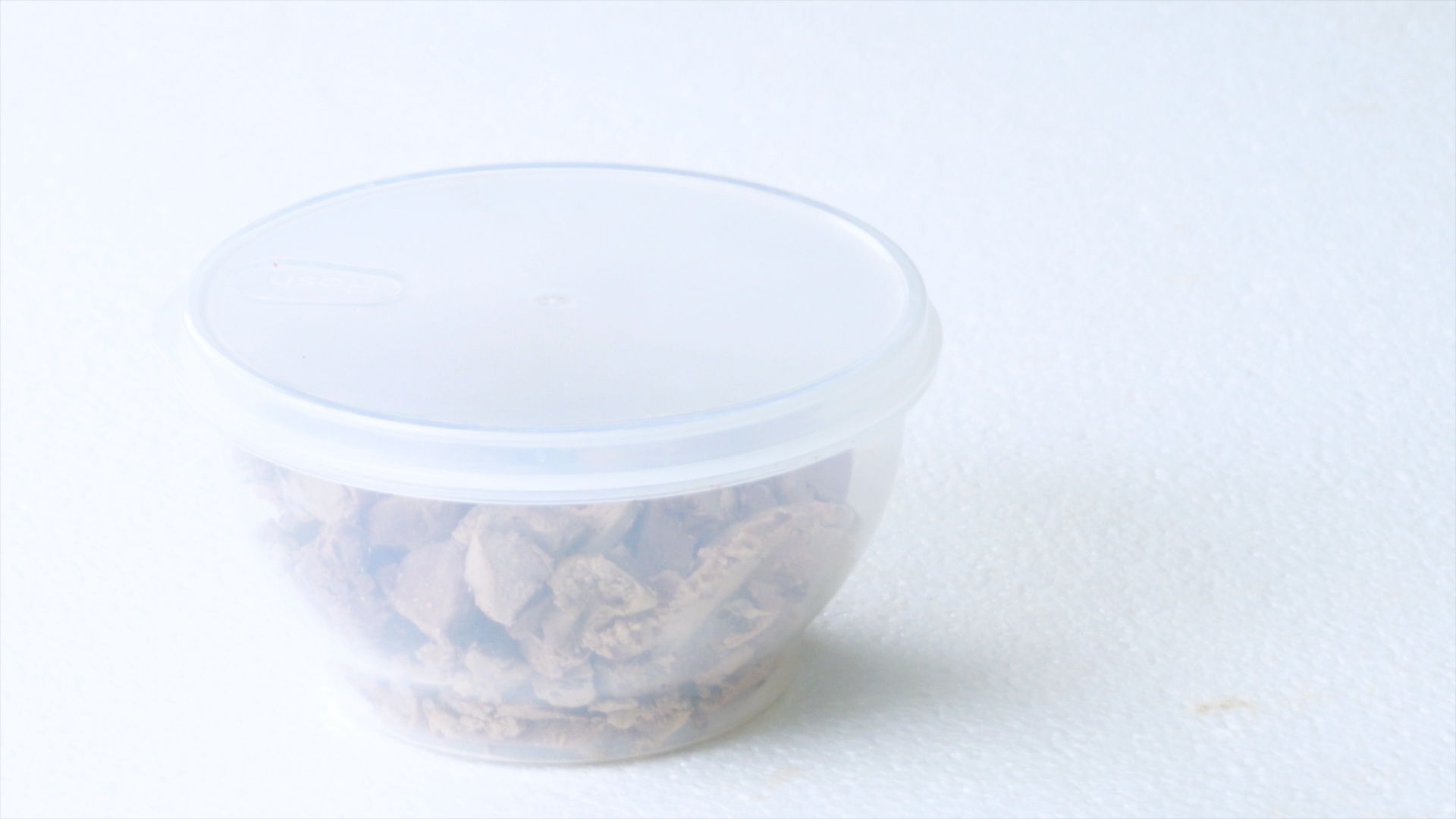
Chicken liver is one of those foods that makes dogs act like tiny, four-legged food critics who suddenly discovered fine dining. One whiff, and your pup may sit straighter than a soldier at inspection. But before you toss a pan of liver into your dog’s bowl and declare yourself a canine chef, there are a few important things to know.
Chicken livers can be a nutritious treat for dogs when they are cooked plainly, served in small portions, and used as a topper rather than a complete meal. They are rich in protein, iron, vitamin A, B vitamins, folate, and other minerals. That sounds impressiveand it isbut liver is also extremely nutrient-dense, which means “a little goes a long way” is not just polite advice. It is the golden rule.
This guide explains how to cook chicken livers for dogs safely, especially by boiling, plus simple dog-friendly recipes, serving tips, storage rules, and common mistakes to avoid. Think of it as the no-drama, no-garlic, no-fancy-sauce version of liver cooking. Your dog will not miss the seasoning. Promise.
Can Dogs Eat Chicken Livers?
Yes, most healthy dogs can eat chicken livers as an occasional treat or meal topper. Chicken liver is a natural source of animal protein and contains nutrients that support red blood cell production, energy metabolism, immune health, and overall wellness. It is especially appealing for picky eaters because it has a strong aroma and soft texture when cooked.
However, chicken liver should not replace a complete and balanced dog food unless your veterinarian or a board-certified veterinary nutritionist has created a full homemade diet plan. Dogs need the right balance of protein, fat, calcium, phosphorus, vitamins, minerals, and calories. Liver is powerful, but it is not a magic bowl of everything.
Why Chicken Liver Can Be Good for Dogs
Chicken liver offers several nutritional benefits when served responsibly:
- High-quality protein: Supports muscles, tissue repair, and healthy body condition.
- Iron: Helps support normal oxygen transport in the blood.
- Vitamin A: Supports vision, skin, immune function, and growth, but too much can be harmful.
- B vitamins: Important for energy, nerves, and metabolism.
- Folate and minerals: Helpful for normal cell function and overall health.
The important phrase is served responsibly. Chicken liver is not like plain boiled chicken breast, where a slightly larger portion is usually less concerning. Liver contains concentrated vitamins and minerals, so moderation matters.
Is Boiled Chicken Liver Good for Dogs?
Boiling is one of the easiest and safest ways to prepare chicken liver for dogs. It requires no oil, no butter, no salt, and no seasoning. It also keeps the liver soft, making it easy to chop, mash, or mix into your dog’s regular food.
For dog owners who want a simple homemade dog treat, boiled chicken liver is hard to beat. It is budget-friendly, quick to prepare, and freezer-friendly. The only downside is the smell. Chicken liver is not exactly a scented candle. Open a window, turn on the fan, and remind yourself that your dog thinks you are making a five-star meal.
Should Chicken Liver Be Raw or Cooked for Dogs?
Cooked is the safer choice. Raw poultry and raw organs can carry bacteria that may make pets or people sick. This is especially important in homes with children, older adults, pregnant people, or anyone with a weakened immune system. Dogs may also shed bacteria after eating contaminated raw food, even if they do not look sick.
Cooking chicken liver thoroughly helps reduce food-safety risks. For best safety, use a food thermometer and cook the liver until the inside reaches 165°F. Do not rely on color alone, because liver can look done before the center has reached a safe temperature.
How to Boil Chicken Livers for Dogs
Boiling chicken livers is simple, but doing it safely requires a clean process. Here is a step-by-step method you can use at home.
Ingredients
- 1 pound fresh chicken livers
- Enough water to cover the livers
That is it. No salt. No onion. No garlic. No butter. No “just a little seasoning because he deserves flavor.” Your dog’s nose is already throwing a parade.
Step-by-Step Boiling Instructions
- Check the livers. Use fresh chicken livers that smell clean and are within the safe date on the package. Discard anything sour, slimy, or questionable.
- Do not rinse raw liver. Rinsing raw poultry products can splash bacteria around the sink and counter. If there is extra liquid, pat the livers dry with a disposable paper towel.
- Place livers in a pot. Add enough water to cover them by about one inch.
- Bring to a gentle boil. Once the water boils, reduce the heat to a steady simmer.
- Cook thoroughly. Simmer for about 10 to 15 minutes, depending on liver size, until the internal temperature reaches 165°F.
- Cool completely. Let the liver cool before serving. Dogs are enthusiastic, not patient, and hot food can burn their mouth.
- Chop or mash. Cut into small pieces for treats, mash into regular food, or blend with a little cooking water for a gravy-like topper.
Can Dogs Drink the Liver Broth?
Yes, a small amount of plain liver cooking water can be used as a food topper if it contains no salt, onion, garlic, spices, or added fat. Let it cool first, then spoon a little over your dog’s regular meal. Because liver broth is rich, start with a small amount to avoid loose stool or stomach upset.
How Much Chicken Liver Can Dogs Eat?
There is no single perfect amount for every dog because size, age, activity level, health conditions, and total diet all matter. As a general rule, chicken liver should be treated as a supplement, topper, or treatnot the main event. Many veterinarians recommend that treats and extras stay under 10% of a dog’s daily calories.
Here are practical starting portions for healthy adult dogs:
- Extra-small dogs: 1 teaspoon, 1 to 2 times per week
- Small dogs: 1 to 2 teaspoons, 1 to 3 times per week
- Medium dogs: 1 tablespoon, 1 to 3 times per week
- Large dogs: 1 to 2 tablespoons, 1 to 3 times per week
- Giant dogs: 2 to 3 tablespoons, 1 to 3 times per week
These are conservative feeding ideas, not medical prescriptions. If your dog has liver disease, kidney disease, pancreatitis, copper storage disease, food allergies, digestive sensitivity, or is on a prescription diet, ask your veterinarian before adding chicken liver.
Why Too Much Liver Is a Problem
Liver is high in vitamin A. Dogs need vitamin A, but excessive intake over time can contribute to vitamin A toxicity. Possible signs of long-term excess may include stiffness, digestive upset, bone changes, lethargy, or discomfort. Overfeeding rich foods can also cause diarrhea, vomiting, or a sudden “why is my carpet like this?” emergency.
The solution is simple: use chicken liver like a flavorful bonus, not a daily mountain. Small portions keep it helpful instead of overwhelming.
Simple Chicken Liver Recipes for Dogs
These recipes are plain, dog-friendly, and designed as toppers or treats. They are not complete homemade diets. Always introduce new foods slowly.
Recipe 1: Plain Boiled Chicken Liver Topper
Best for: picky eaters, training rewards, occasional meal boosts.
Ingredients:
- 1 cup boiled chicken liver, chopped
- 1 to 2 tablespoons plain cooking water
Directions: Mash the cooked liver with a small splash of cooking water until soft. Spoon a small amount over your dog’s regular food. Stir well so your dog does not perform delicate surgery to remove only the liver and abandon the kibble like yesterday’s news.
Recipe 2: Chicken Liver and Pumpkin Mash
Best for: dogs who enjoy soft toppers and need a gentle fiber boost.
Ingredients:
- 2 tablespoons boiled chicken liver, mashed
- 2 tablespoons plain canned pumpkin
- 1 tablespoon warm water, if needed
Directions: Mix all ingredients until smooth. Serve a small spoonful with your dog’s meal. Use plain pumpkin only, not pumpkin pie filling, which may contain sugar and spices.
Recipe 3: Chicken Liver Training Bites
Best for: training sessions, recall practice, and dogs who suddenly forget their name outdoors.
Ingredients:
- Boiled chicken livers
Directions: Cool the liver completely, then cut it into tiny pea-sized pieces. Spread the pieces on a parchment-lined tray and refrigerate until firm. Use sparingly during training. For longer storage, freeze in small portions.
Recipe 4: Chicken Liver and Rice Bowl Topper
Best for: occasional bland-style meal topping when your vet has approved rice for your dog.
Ingredients:
- 1 tablespoon boiled chicken liver, chopped
- 2 tablespoons cooked plain white rice
- 1 tablespoon warm water
Directions: Mix the chopped liver with rice and warm water. Add a small spoonful to your dog’s normal food. This should not replace your dog’s balanced meal unless a veterinarian specifically instructs you to feed a temporary bland diet.
Recipe 5: Frozen Chicken Liver Cubes
Best for: hot days, enrichment toys, and make-ahead treats.
Ingredients:
- 1 cup boiled chicken liver
- 1/4 cup plain cooking water
Directions: Blend the liver and cooking water into a smooth paste. Spoon into silicone molds or an ice cube tray. Freeze until solid. Give small cubes occasionally, based on your dog’s size. These are rich treats, not popsicles for unlimited snacking.
Ingredients to Avoid When Cooking Chicken Liver for Dogs
Plain is the safest flavor. Many ingredients humans love are unnecessary or unsafe for dogs. Avoid adding:
- Onion, onion powder, garlic, garlic powder, chives, leeks, or scallions
- Salt, soy sauce, bouillon cubes, or salty broth
- Butter, heavy oils, bacon grease, or fried coatings
- Spicy seasonings, pepper blends, chili powder, or hot sauce
- Artificial sweeteners, especially xylitol
- Cooked bones or bone fragments
Onion and garlic are especially important to avoid because they can damage red blood cells in dogs. This includes powdered forms, which are common in seasoning mixes, broths, gravies, and “chicken flavor” products.
How to Store Cooked Chicken Liver for Dogs
Once cooked, chicken liver should be cooled and stored properly. Place leftovers in an airtight container and refrigerate them within two hours. Use refrigerated cooked liver within 3 to 4 days, or freeze small portions for longer storage.
Freezing in tiny portions is practical because liver is served in small amounts. Try freezing teaspoon-sized scoops on a tray, then transferring them to a freezer bag. That way, you do not have to thaw a giant liver brick every time your dog gives you the “I am starving, despite breakfast” face.
How to Reheat Chicken Liver for Dogs
Reheating is optional. Many dogs enjoy cooked liver cold or room temperature. If you warm it, heat only a small amount and let it cool before serving. Never serve food that is hot in the center. Stir well and test the temperature first.
Common Mistakes to Avoid
Feeding Too Much Too Fast
Chicken liver is rich. A dog that eats too much at once may develop diarrhea or vomiting. Start with a tiny portion and watch your dog’s reaction for 24 hours.
Using Liver as a Complete Meal
A bowl of only liver is not balanced. It may be exciting, but nutritionally it is too much of some things and not enough of others. Use liver alongside a complete and balanced diet.
Adding Seasonings
Dogs do not need gourmet seasoning. Their idea of fine cuisine includes sniffing a shoe, so plain chicken liver is plenty thrilling.
Ignoring Medical Conditions
Dogs with certain health issues may need controlled levels of fat, copper, protein, phosphorus, or vitamin A. Always check with your veterinarian if your dog has a known medical condition.
When Should You Not Feed Chicken Liver to Dogs?
Avoid chicken liver or ask your veterinarian first if your dog:
- Has liver disease or copper storage concerns
- Has pancreatitis or needs a low-fat diet
- Has kidney disease or is on a prescription diet
- Has a history of food allergies or severe stomach sensitivity
- Is a puppy, pregnant, nursing, senior, or medically fragile
- Already receives vitamin A supplements or liver-based treats
Also skip liver if your dog reacts badly to it. Healthy food is only healthy if your dog can tolerate it.
Experience Notes: What Dog Owners Learn When Cooking Chicken Livers
The first experience many dog owners have with chicken liver is surprise. It looks small in the package, cooks quickly, and somehow smells powerful enough to summon a dog from three rooms away. That strong aroma is exactly why chicken liver works so well as a high-value reward. For training, tiny pieces can get a dog’s attention when regular biscuits suddenly become “boring beige circles.”
One practical lesson is to cook more carefully than creatively. The best chicken liver for dogs is not the prettiest recipe on the internet. It is plain, fully cooked, cooled, chopped small, and served in modest amounts. Owners who keep it simple usually have fewer problems. No seasoning means fewer risks. No frying means less fat. No giant portions means fewer upset stomachs. Your dog will still think you are a culinary genius, even if the recipe has exactly two ingredients: liver and water.
Another common experience is discovering that portion size matters more than enthusiasm. Dogs rarely say, “Thank you, that is sufficient.” They say, “I see more in the container.” A small dog may only need a teaspoon. A large dog may handle a tablespoon or two. More is not automatically better. In fact, with organ meats, more can quickly become too rich. Smart owners treat chicken liver like a bonus flavor button, not the foundation of the bowl.
Storage also becomes part of the routine. The easiest system is to boil a batch, cool it, chop it, and freeze it in small portions. Silicone molds, ice cube trays, or teaspoon-sized freezer drops make serving simple. This prevents waste and makes it easier to avoid overfeeding. It also keeps your refrigerator from smelling like a dog restaurant with questionable ventilation.
Some dogs love liver immediately. Others need it mixed into their normal food. For picky eaters, a mashed liver topper can encourage interest, but owners should avoid teaching the dog to reject regular meals until liver appears. The trick is to stir a tiny amount through the food rather than placing a royal pile on top. Otherwise, your dog may become a professional liver miner, carefully extracting the good bits and leaving dinner behind.
For training, chicken liver shines when the pieces are very small. Pea-sized bites are usually enough. The goal is not to fill the dog up; it is to reward behavior. Liver treats work especially well for recall, leash focus, nail-trim practice, and other moments when you need your dog to believe you are more interesting than a squirrel. Keep the session short, count liver as part of the day’s treats, and balance it with regular meals.
The final lesson is to watch your own dog. Some dogs digest chicken liver beautifully. Others may get soft stool from even a small amount. Start low, go slow, and observe. If your dog seems uncomfortable, itchy, gassy, or has vomiting or diarrhea, stop feeding it and check with your veterinarian. Chicken liver can be a wonderful homemade dog treat, but the best feeding plan is always the one that fits your dog’s body, not just your dog’s begging performance.
Conclusion
Chicken liver can be a healthy, affordable, and highly motivating treat for dogs when prepared the right way. Boiling is one of the safest methods because it uses no added fat, seasoning, or complicated ingredients. Cook chicken liver thoroughly to 165°F, cool it before serving, chop it into small pieces, and offer it in moderation.
The biggest takeaway is balance. Chicken liver is nutrient-dense, which makes it valuable in small amounts and risky in large amounts. Use it as a topper, training treat, or occasional recipe ingredient while keeping your dog’s main diet complete and balanced. Skip onion, garlic, salt, spices, and cooked bones. Store leftovers safely, freeze small portions, and ask your veterinarian before feeding liver to dogs with medical conditions.
Done right, boiled chicken liver can turn an ordinary meal into a tail-wagging event. Just do not be surprised if your dog starts looking at you like you have been holding out on them this whole time.