The holidays have a charming way of turning a normal home into a small airport terminal. Coats appear on chairs. Suitcases roll through the hallway. Someone asks where the extra towels are while another person is trying to remember the Wi-Fi password. And then comes the big hosting question: where is everyone going to sleep?
Good news: you do not need a spare bedroom, a designer budget, or a panic-induced furniture shopping spree to make guests comfortable. With smart planning, almost any room can become a cozy, functional guest bedroom for the holidays. A home office, den, playroom, finished basement, sunroom, dining room, or even a quiet corner of a living room can become a welcoming sleeping space when you focus on the essentials: a comfortable bed, privacy, storage, lighting, temperature control, and thoughtful little touches.
The goal is not to build a luxury hotel suite overnight. The goal is to make your guests feel like they were expected, not politely wedged between the printer and a basket of extension cords. This guide walks you through how to convert any room into a guest bedroom for the holidays with practical steps, affordable ideas, and real-life hosting wisdom.
Start with the Right Room: Comfort Beats Perfection
Before dragging an air mattress into the first available space, walk through your home like a guest. Which room is quietest at night? Which one has the fewest early-morning interruptions? Which space is closest to a bathroom? The best temporary guest bedroom is not always the largest room. It is the room that gives visitors the most sleep-friendly setup with the least household chaos.
A home office can work beautifully because it usually has a door, outlets, and decent lighting. A den or family room may offer more space but less privacy. A dining room is surprisingly useful if it has enough floor space and can be closed off with curtains, folding screens, or temporary room dividers. A finished basement can feel private and quiet, but you should check warmth, lighting, air quality, and bathroom access before assigning it to Aunt Linda and her legendary cold feet.
Ask These Questions Before Choosing the Space
Can the guest close a door or create privacy? Is there room to walk around the bed safely? Can they charge a phone without crawling under furniture like a raccoon? Is the room warm enough in winter and cool enough for sleeping? Is there a clear path to the bathroom at night? If the answer is mostly yes, you have a strong candidate.
If the answer is mostly no, do not despair. Holiday hosting is basically interior design with a deadline. A few adjustments can make even a multipurpose room feel intentional.
Declutter First: Make the Room Feel Like It Belongs to Your Guest
The fastest way to make any room feel like a guest bedroom is to remove visual noise. Guests do not need to sleep next to tax documents, laundry piles, craft supplies, gym equipment, or the mysterious box labeled “miscellaneous wires.” Clear surfaces, reduce piles, and create breathing room around the sleeping area.
Use the “one laundry basket sweep” method: grab a basket, collect everything that does not serve the guest stay, and move it to a closet, garage, or storage area. This is not a full-home organization project. This is a holiday survival maneuver. Nobody is judging your label maker skills on December 24.
Create a Guest Zone
Even in a shared room, define the sleeping area. A rug, side table, floor lamp, or folding screen can visually say, “This is your space.” In a home office, push the desk chair under the desk and clear one side of the room for the bed. In a living room, move side tables closer to the sleeper sofa or air mattress. In a playroom, store toys in bins and keep only a few decorative items visible.
The key is to make the guest feel like they are staying in a room, not camping in your overflow storage department.
Choose the Best Temporary Bed for the Room
The bed is the heart of your holiday guest bedroom. Everything else is garnish. If your sleep setup is uncomfortable, no amount of cinnamon-scented candles will save the experience.
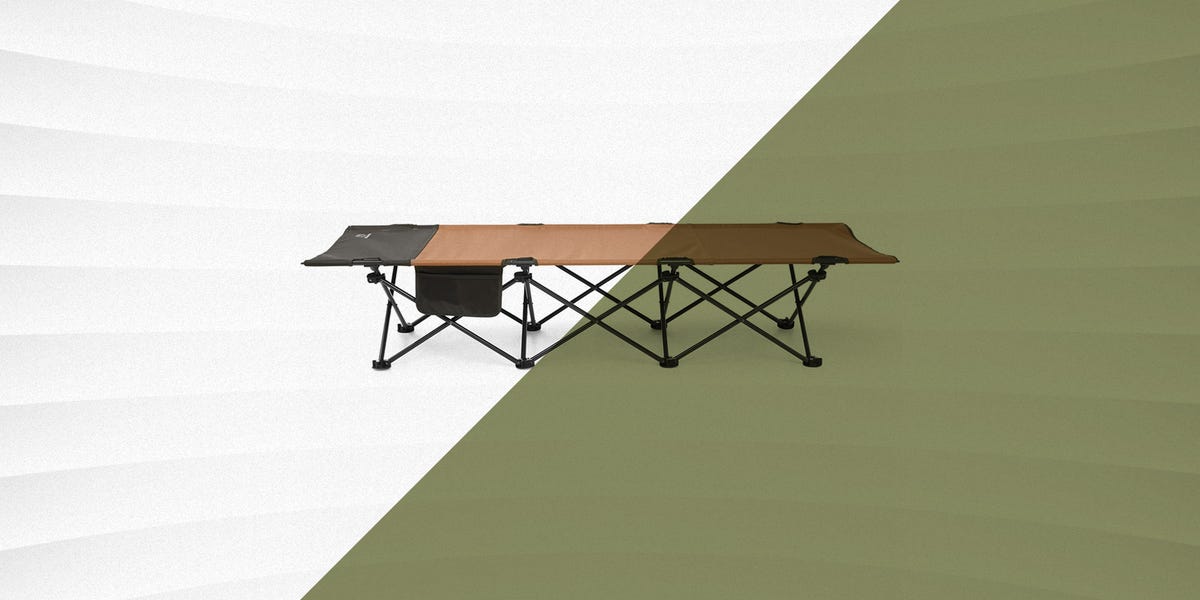
For a dedicated multipurpose room, a daybed, sleeper sofa, Murphy bed, trundle bed, or futon can be a smart long-term solution. These pieces allow the room to function normally most of the year and transform quickly when guests arrive. For occasional hosting, a quality air mattress, folding cot, rollaway bed, or memory foam floor mattress can work well, especially for short stays.
Air Mattress Tips That Actually Matter
If you use an air mattress, choose one with enough height to make getting in and out easier. Double-height models tend to feel more like a real bed than thin camping-style mattresses. Place a rug, yoga mat, or folded blanket underneath to reduce cold transfer from the floor and prevent squeaks. Inflate it earlier in the day, then check it again before bedtime because air mattresses can stretch slightly after the first fill.
Add a mattress topper if you have one. This single move can transform an air mattress from “youth group retreat” to “surprisingly decent.” Use fitted sheets that stay in place, real pillows, and layered blankets. Guests should not wake up at 3 a.m. wondering whether they are sleeping on a pool toy.
Make the Bed Look Intentional
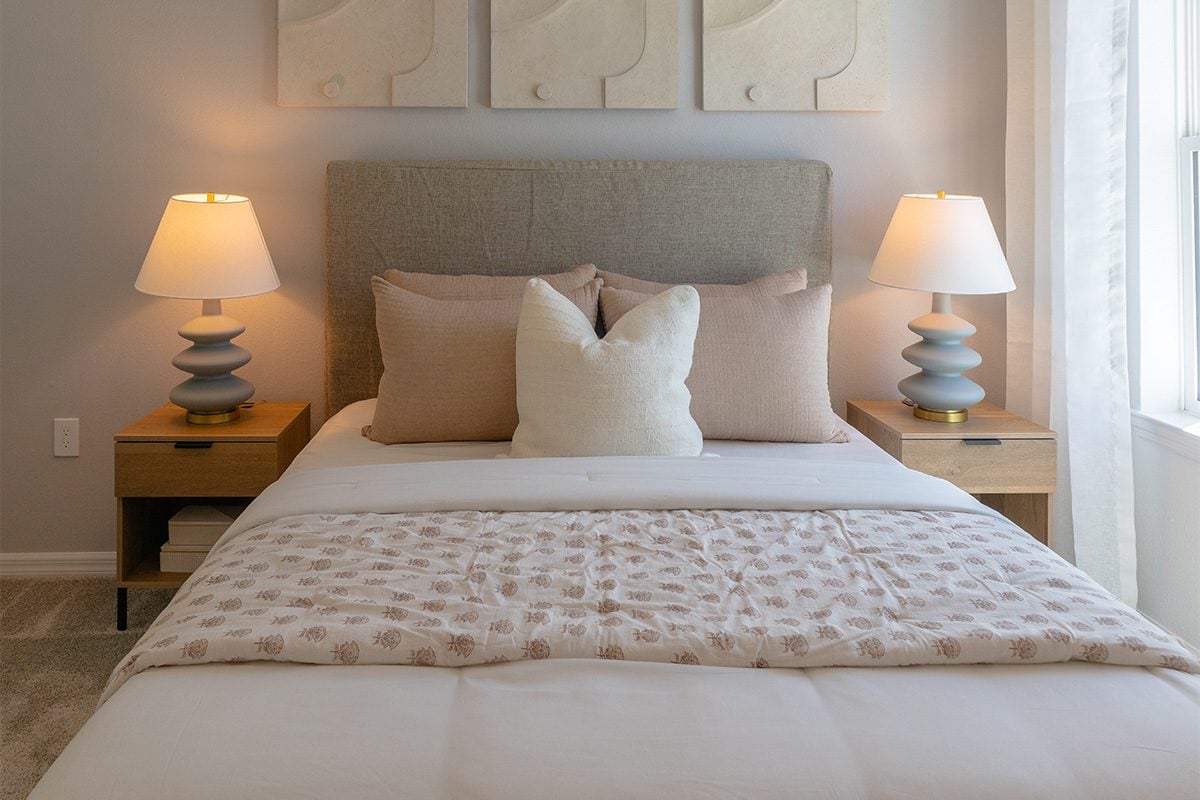
Even a temporary bed feels more inviting when it is styled like a real one. Use crisp sheets, two sleeping pillows per person if possible, a washable blanket, and a comforter or quilt. Add one decorative pillow or throw blanket for color, but do not bury the bed in so many pillows that guests need a forklift before bedtime.
Layer the Lighting Like a Guest Room, Not an Interrogation Room
Overhead lighting is useful for finding dropped earrings, but it is rarely cozy. A guest bedroom needs layered lighting: general light for unpacking, task light for reading, and soft light for winding down. If the room currently has one ceiling light bright enough to guide aircraft, add a table lamp, floor lamp, plug-in wall sconce, or battery-powered bedside light.
A bedside light is especially important. Guests should be able to turn off a lamp from bed without performing acrobatics in unfamiliar territory. If the sleeping area is temporary, a small clip-on lamp or rechargeable lamp can work beautifully.
Do Not Forget Nighttime Navigation
Add a small night-light in the hallway, bathroom, or near the guest area. Holiday guests may not know your floor plan, and nobody wants their festive visit remembered as “the year Uncle Mark met the coffee table with his shin.” A motion-sensor light can make nighttime bathroom trips safer without flooding the room with brightness.
Give Guests Privacy, Even in a Shared Space
Privacy is what turns a random sleeping spot into a guest bedroom. If the room has a door, wonderful. If not, create separation with folding screens, curtains on tension rods, bookcases, tall plants, or even a strategically placed garment rack with a neat curtain panel.
For living rooms or dens, set house expectations gently. Let guests know when the room becomes theirs for the night. For example, “We’ll clear out of the living room by 10:30 so you can settle in.” This small courtesy prevents guests from sitting on their bed in pajamas while someone else watches a documentary about submarines.
Offer Simple Sound Control
Holiday homes can be noisy. Dishwashers run late. Kids wake early. Someone always decides to wrap gifts with crinkly paper at midnight. Provide earplugs, a small fan, or a white noise machine. Soft textiles like rugs, curtains, and extra blankets can also reduce echo and make the room feel calmer.
Create Storage Without Emptying an Entire Closet
Guests do not need a walk-in closet. They do need a place for a suitcase, a few hanging items, and daily essentials. A luggage rack, bench, sturdy chair, or cleared tabletop can keep bags off the floor. This matters more than people think. Living out of a suitcase on the floor gets old quickly, especially for older guests or anyone with back pain.
Clear a few hangers in a closet if possible. If not, use an over-the-door hook, wall hooks, or a portable garment rack. Add a small basket or tray for keys, glasses, jewelry, and chargers. If you are converting an office, clear one drawer or shelf. If you are converting a dining room, place a basket near the sleeping area for folded clothes.
The “Three Empty Spaces” Rule
Before guests arrive, create three empty spaces: one for luggage, one for clothes, and one for small personal items. This simple rule makes any temporary guest room feel more thoughtful and less improvised.
Set Up a Bedside Station
A bedside station is the difference between “Here is a mattress, good luck” and “We are happy you are here.” It does not have to be fancy. Use a small table, stool, rolling cart, crate, or cleared shelf. Add a lamp, water, tissues, phone charger, and a small dish for jewelry or glasses.
Include the Wi-Fi name and password on a card. This prevents the annual ritual of shouting the password from another room while someone asks, “Is that a zero or an O?” If your password contains seventeen symbols and emotional baggage, writing it down is an act of mercy.
Helpful Extras Guests Appreciate
A few wrapped snacks, a bottle of water, reading material, a pen, and a notepad can make guests feel cared for. Add a small trash can nearby. It is one of the most overlooked guest room essentials, yet everyone needs it. No guest should have to carry a tissue across the house like a sad little flag.
Make Temperature Control Easy
Sleep comfort depends heavily on temperature, airflow, and bedding layers. Many sleep experts recommend a cooler bedroom for better rest, often around the low-to-mid 60s Fahrenheit for many adults. During the holidays, however, homes can swing between chilly guest rooms and overheated kitchens full of roasting pans and human relatives.
Give guests options. Provide an extra blanket, a lighter throw, and a fan if the room runs warm. If the space tends to get cold, add flannel sheets, a thicker comforter, or a safe supplemental heat source. If you use a space heater, follow basic safety rules: keep it away from bedding, curtains, furniture, and anything flammable; turn it off before sleeping; and never leave it running unattended.
Check Vents and Windows
Before guests arrive, make sure heating vents are not blocked by furniture or holiday storage bins. Check for drafts around windows. If the room is bright early in the morning, add blackout curtains, temporary paper shades, or a sleep mask. A comfortable sleep environment is not just about the bed; it is about the whole room working together.
Prepare the Bathroom Situation
If the guest room has a nearby private bathroom, congratulationsyou are basically running a boutique inn. If guests will share a bathroom, make the system obvious. Place fresh towels in the guest room or in a labeled basket in the bathroom. Include bath towels, hand towels, and washcloths. Add a hook or towel bar space so their towel has somewhere to dry.
Stock basic toiletries: shampoo, conditioner, body wash, toothpaste, toothbrushes, floss, lotion, cotton swabs, and pain reliever if appropriate. Travel-size items are perfect. Put them in a basket so guests do not have to rummage through cabinets while pretending they are “just looking for soap.”
Add a Small Laundry Plan
For longer stays, include a laundry bag or hamper. Guests appreciate knowing where to put used towels or clothes. It also prevents the mysterious towel pile that appears in corners during family visits.
Use Decor to Make the Room Feel Warm, Not Crowded
Holiday decorating is delightful until the guest room looks like a Christmas store sneezed. Keep decor simple and restful. A small wreath, a bowl of ornaments, a cozy throw, or one seasonal pillow is enough. Choose soft textures, warm lighting, and calming colors. The room should whisper “holiday welcome,” not shout “Santa’s warehouse annex.”
Use mirrors to reflect light and make small rooms feel larger. Add a rug to warm up hard floors. Keep surfaces mostly clear. Guests need room for their own things, and their things will arrive with them, usually in a suitcase that expands like bread dough.
Freshen the Air Carefully
A clean-smelling room is wonderful, but strong fragrances can bother sensitive guests. Avoid heavy sprays or overpowering candles. Open a window briefly if weather allows, wash bedding, vacuum, and empty the trash. If you want scent, keep it subtle with clean linens, a lightly scented soap, or a small sachet tucked away from the bed.
Make the Room Work During the Day
Many holiday guest spaces must return to normal during daylight hours. A home office may still need to function. A living room may host movie night. A playroom may become toy central by breakfast. The trick is to create a setup that can shift without making the guest feel displaced.
Use storage bins for bedding during the day. Choose a sleeper sofa, daybed, or foldable mattress if the room must serve multiple purposes. Keep the guest’s belongings in one designated zone so they do not feel like they need to pack up completely every morning.
Give Guests a Schedule
A simple heads-up helps: “The kids usually come through here around 8 a.m.” or “You can leave the bed set up; we won’t use this room during your stay.” Guests are much more relaxed when they understand how the space will function.
Holiday Guest Bedroom Checklist
Before your guests arrive, run through this quick checklist:
- Comfortable sleep surface with clean sheets
- Two pillows per person, if possible
- Extra blanket and lighter layer
- Bedside lamp or reachable light
- Phone charger and accessible outlet
- Water, tissues, and small trash can
- Wi-Fi information card
- Fresh towels and basic toiletries
- Luggage space and a few hangers or hooks
- Privacy solution, such as a door, screen, or curtain
- Night-light for bathroom trips
- Smoke alarm and safe heating setup
Real-Life Experiences: What Actually Makes Holiday Guests Comfortable
After hosting enough holiday visitors, you learn that guests rarely remember whether the pillowcases matched the duvet. They remember whether they slept well, whether they could find the bathroom at night, and whether they felt awkward asking for basic things. A beautiful room is lovely, but a usable room is what makes people relax.
One of the best temporary guest bedrooms I have seen was not a bedroom at all. It was a small home office with a desk, a bookcase, and exactly enough floor space for a queen air mattress. The host cleared the desk, added a lamp, placed a folded towel stack on the chair, and taped the Wi-Fi password inside a holiday card. There was a tiny tray with water, chocolate, lip balm, and earplugs. Was it glamorous? Not exactly. Did it feel thoughtful? Absolutely. The guest later said it felt like a “private little nest,” which is high praise for a room that had previously been dominated by printer paper.
Another holiday stay taught me the importance of luggage space. The room had a comfortable bed, pretty bedding, and festive decorations, but no surface for a suitcase. The guest had to open their bag on the floor every day, which turned the room messy by breakfast. The fix would have been simple: a folding luggage rack, bench, or even a cleared chair. That one detail can make a temporary room feel ten times more functional.
Temperature is another lesson hosts learn quickly. One guest may sleep under three blankets and still ask whether the house was built on a glacier. Another may open a window in December because the room feels stuffy. The best approach is not to guess. Offer layers. A fan, extra blanket, and breathable bedding allow guests to adjust without feeling high-maintenance. When people can control their comfort, they sleep better and complain less, which is the true spirit of holiday peace.
Privacy also matters more than square footage. A small room with a door often feels better than a large open area where everyone walks through. If you must use a shared space, create boundaries. A folding screen, curtain, or even a furniture arrangement can signal that the area belongs to the guest after a certain hour. The gesture says, “You are not in the way.” That feeling is priceless during a crowded holiday visit.
The most successful guest spaces usually include one personal touch. It could be a favorite snack, a small note, a book you think they would enjoy, or a framed photo if the guest is close family. These details should be warm, not overwhelming. You are creating comfort, not assembling a museum exhibit titled “We Prepared for Your Arrival.”
The biggest hosting secret is this: guests do not need perfection. They need clarity, cleanliness, and kindness. Tell them where towels are. Show them how the lamp works. Give them a place to put their things. Make the bed comfortable. Then relax. A calm host makes a home feel more welcoming than any decorative pillow ever couldand decorative pillows already have enough confidence.
Conclusion: A Guest Bedroom Is a Feeling, Not Just a Room
Converting any room into a guest bedroom for the holidays is really about hospitality. You are not simply placing a bed in a room; you are creating a place where someone can rest, recharge, and feel welcome during one of the busiest times of the year.
Start with the basics: a comfortable sleep surface, clean bedding, privacy, lighting, storage, towels, and temperature control. Then add thoughtful extras like a Wi-Fi card, water, snacks, toiletries, and a small bedside station. Keep the room uncluttered, safe, and easy to use. Whether your guest sleeps in a home office, den, basement, dining room, or living room corner, the right setup can make the space feel intentional and inviting.
The holidays are full of noise, food, travel, traditions, and occasionally someone debating the correct way to load a dishwasher. A comfortable guest space gives visitors a quiet place to land. And when your guests wake up rested, grateful, and not tangled in an extension cord, you will know your temporary guest bedroom did its job beautifully.
Note: This article is an original, publication-ready synthesis based on practical home design, guest room organization, sleep comfort, and household safety guidance commonly recommended by reputable U.S. home, lifestyle, consumer, and safety resources.