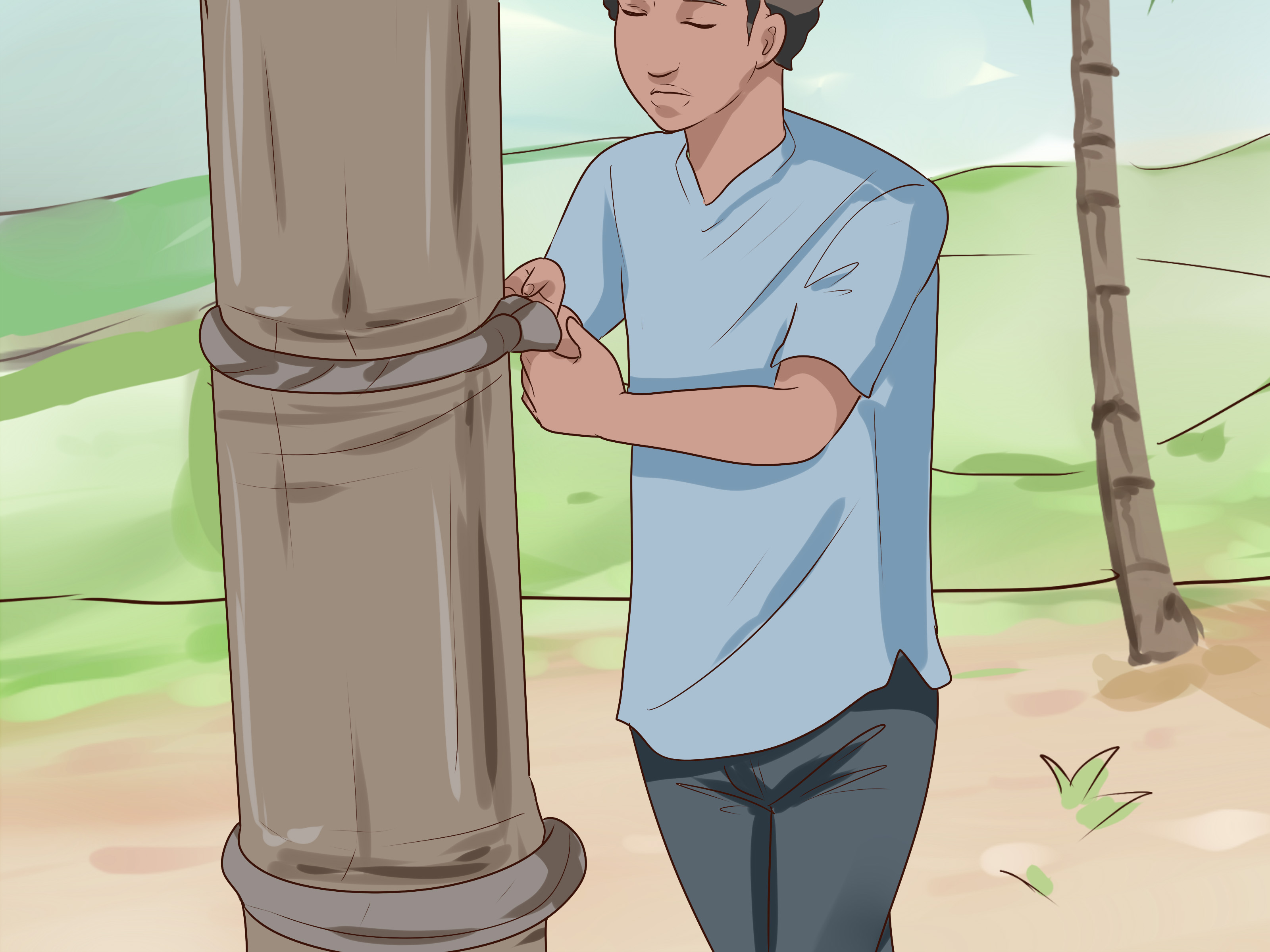
Climbing a coconut tree looks simple when someone experienced does it. One minute they are standing in the sand, the next they are halfway up the trunk like a cheerful gecko with better balance. But before you grab the nearest palm and attempt your own tropical action scene, let’s be clear: climbing a coconut tree can be dangerous. Coconut palms are tall, smooth, flexible, and often surrounded by hazards such as falling fruit, loose fronds, uneven ground, insects, wet bark, and nearby power lines.
This guide explains how to climb a coconut tree in a safety-first, realistic way. It is written for educational purposes, backyard awareness, and beginner understandingnot for reckless free-climbing. If the tree is tall, leaning, wet, damaged, close to electricity, or loaded with heavy coconuts, the best “step” is simple: do not climb it. Use a long pole harvester, an aerial lift, or hire a qualified arborist. Your ego may complain, but your bones will send a thank-you card.
Below are 15 practical steps for approaching coconut tree climbing with caution, preparation, and respect for gravitythe undefeated champion of outdoor activities.
Why Coconut Tree Climbing Requires Extra Caution
Coconut palms are not like broad-limbed shade trees. A typical coconut tree has a narrow trunk, few places to rest, and a crown of heavy fronds and fruit at the top. Unlike an oak or maple, there are no convenient branches where you can pause, sit, and rethink your life choices. The trunk may be rough enough to grip in some places, but it can also be slippery from rain, moss, salt spray, or sap. Even experienced climbers treat palms with respect because the risks are real.
Falling coconuts are another issue. A mature coconut can be heavy enough to cause serious injury. Dead fronds can also trap or crush workers if they suddenly break loose. That is why professional palm trimming uses specialized training, equipment, fall protection, and often aerial devices. For homeowners, the safest way to harvest coconuts is usually from the ground with an extended pole saw or fruit picker.
How to Climb a Coconut Tree: 15 Steps
Step 1: Ask Yourself Whether Climbing Is Necessary
The first step in learning how to climb a coconut tree is deciding whether you should climb at all. If your goal is to harvest coconuts, inspect fruit, or remove a small dead frond, check whether the job can be done from the ground. A long pole harvester, pruning pole, or professional service is often safer and faster.
Climbing should never be your first choice just because it looks exciting. The best climber is not the person who reaches the top; it is the person who knows when the top is not worth the trip.
Step 2: Get Permission and Check Local Rules
Never climb a coconut tree on private, public, hotel, resort, farm, park, or roadside property without permission. Many coconut palms are maintained for landscaping, fruit production, or public safety. Climbing without approval can damage the tree, create liability problems, or turn your “quick adventure” into an awkward conversation with security.
If the tree is in a public area, assume climbing is not allowed unless a responsible authority clearly says otherwise. Coconut trees may also be managed to prevent falling fruit, protect waterways, or reduce hazards in high-traffic areas.
Step 3: Choose a Short, Healthy, Practice-Friendly Tree
Beginners should never start with a tall coconut palm. If you are learning basic movement, practice only on a short, healthy tree where your feet remain close to the ground. A dwarf or young coconut palm may be more suitable for observation and practice than a towering mature palm.
Avoid trees that are leaning sharply, cracked, rotting, hollow-sounding, insect-damaged, burned, recently storm-damaged, or covered with loose bark. Also avoid trees with large dead fronds hanging above you. A coconut palm may look calm and postcard-perfect, but a weak trunk or unstable crown can turn quickly from “vacation photo” to “emergency room paperwork.”
Step 4: Check the Weather Before You Start
Weather matters. Do not climb during rain, after heavy rain, in strong wind, during lightning risk, or when the trunk is wet. Moisture reduces friction, and wind can make the crown sway more than expected. Coconut palms naturally bend, which is great for surviving coastal weather but not great when you are clinging to one like a confused backpack.
The best conditions for low-height practice are dry, calm, and bright. Morning or late afternoon may be more comfortable in tropical climates, but avoid climbing when the trunk is damp with dew.
Step 5: Inspect the Area Around the Tree
Before touching the trunk, inspect the ground. Remove loose rocks, glass, tools, sandals, coconuts, branches, and anything else that could injure you if you step down quickly or lose balance. Coconut tree climbing is not a great place to discover that someone left a rake nearby like a cartoon trap.
Clear a drop zone around the tree. No one should stand under the crown while coconuts or fronds are overhead. Keep children, pets, and spectators well away from the base. A curious audience may make the moment feel heroic, but a falling coconut does not care about applause.
Step 6: Look for Power Lines and Electrical Hazards
If there are power lines anywhere near the tree, do not climb. Electricity can arc, branches and tools can conduct current, and palms near utility lines should be handled only by trained professionals following proper electrical safety procedures.
This rule is not negotiable. A coconut is not worth an electrocution risk. Neither is a selfie, a dare, or a bet involving someone named Kyle.
Step 7: Wear Proper Clothing and Protective Gear
Wear close-fitting clothing that allows movement without snagging. Long pants and a long-sleeve shirt can help protect skin from scratches. Gloves may improve comfort, though they should not give a false sense of grip. Use sturdy footwear with flexible soles and good traction. Avoid flip-flops, loose sandals, bare feet, jewelry, and anything that can catch on bark or gear.
For any work above low practice height, professional-grade fall protection, helmet, eye protection, and climbing equipment are essential. If you do not know how to inspect, fit, and use this equipment correctly, you are not ready to climb higher.
Step 8: Use Proper Climbing EquipmentNot Homemade Tricks
Traditional coconut climbers in some regions use foot loops, rope bands, or specialized climbing devices, but those techniques require training and repetition. Homemade ropes, random belts, cheap straps, or improvised loops can fail suddenly. A rope that looks strong in the garage may behave differently under body weight, sweat, friction, and movement.
If climbing for work, use equipment designed for arboricultural climbing and follow professional safety standards. This can include a climbing harness, approved ropes, lanyards, helmets, and a trained ground assistant. Do not climb with a machete, chainsaw, or sharp tool in your hand. Tools should be secured and raised properly only when the climber is stable and trained to use them.
Step 9: Warm Up and Test Your Grip at Ground Level
Coconut tree climbing uses your calves, thighs, hips, core, forearms, and patience. Warm up your legs, wrists, shoulders, and back before practicing. A few minutes of mobility work can reduce strain and help you move more smoothly.
At ground level, place your hands on the trunk and test the surface. Is it dry? Is it flaky? Is it slick with moss or algae? Does bark crumble under pressure? If the trunk does not feel secure at ground level, it will not magically become safer eight feet up.
Step 10: Learn the Basic Body Position
The safest beginner concept is to keep your body close to the trunk and maintain steady contact. Your chest should not lean far backward, and your hips should not drift too far away from the tree. The more your body swings out, the more your arms must fight gravity.
In a traditional low-height practice stance, the hands hug or grip the trunk while the feet press against opposite sides. The legs provide upward push; the arms stabilize. Do not rely only on arm strength. Coconut tree climbing is less about doing a pull-up and more about controlled friction, balance, and rhythm.
Step 11: Keep Three Points of Contact
A key climbing principle is maintaining three points of contact whenever possible. That means two feet and one hand, or two hands and one foot, are secure before the next movement. Moving both feet or both hands at once increases the chance of slipping.
Practice tiny movements at very low height. Move one hand slightly upward, press your feet, shift your weight, then bring the other hand up. Small, boring movements are better than big dramatic ones. Drama belongs in movies, not halfway up a coconut palm.
Step 12: Climb Slowly and Stay Below Your Skill Level
If you are practicing, climb only a small distance and come back down. Do not keep going just because the first few feet felt easy. Fatigue sneaks in quickly, especially in the forearms and calves. Many climbing mistakes happen when someone gets tired but does not want to admit it.
Set a strict height limit before you begin. For beginners without professional fall protection, that limit should be very low. The goal is to understand movement, not prove bravery to a palm tree. The tree is not impressed. It has seen storms.
Step 13: Do Not Climb Under Dead Fronds or Heavy Fruit
The crown of a coconut palm can hold dead fronds, flower stalks, and heavy fruit. Never climb into or under a skirt of dead fronds. Loose palm material can shift suddenly, and falling fruit can injure anyone below.
If coconuts need to be harvested, use a pole from the ground when possible. If fruit or fronds are high and difficult to reach, call a professional. Palm crown work is not a good beginner project.
Step 14: Descend Before You Feel Exhausted
Coming down can be harder than going up. Your muscles may shake, your grip may weaken, and your confidence may suddenly file a complaint. Descend while you still feel strong, focused, and calm.
Reverse your movements slowly. Keep your body close to the trunk, maintain contact, and avoid sliding. Sliding down a coconut trunk may look quick, but it can scrape skin, burn your palms, tear clothing, and cause loss of control. This is not a fire pole at a playground.
Step 15: Review What Happened and Improve Safely
After any practice session, review the experience. Did your feet slip? Did your arms tire quickly? Was the trunk rough, smooth, wet, or unstable? Did you feel nervous at a certain height? These observations matter.
If you want to climb seriously, learn from trained arborists or experienced coconut harvesters in a controlled setting. Professional instruction can teach equipment use, risk assessment, rescue planning, and proper technique. YouTube confidence is not the same thing as real training.
Common Mistakes to Avoid When Climbing a Coconut Tree
Climbing Barefoot Without Experience
Some experienced climbers climb barefoot because they grew up doing it and have developed technique, foot strength, and familiarity with the trees. That does not make it a good beginner strategy. Bare feet can be cut, scraped, burned, or stung. Beginners should use secure footwear with traction.
Trying to Race Up the Tree
Speed is not a safety feature. Fast climbing can lead to sloppy contact, poor breathing, and sudden fatigue. Slow climbing helps you feel the trunk, maintain control, and notice problems early.
Ignoring the Descent
Many beginners focus on getting up and forget they must get down. Plan your descent before you climb. If you are not confident you can come down calmly, do not go up.
Climbing Alone
Never climb alone. A second person should be nearby, watching from a safe distance and ready to call for help. For professional tree work, emergency planning and trained assistance are essential.
Trusting Weak or Improvised Gear
A random rope, belt, or strap is not a climbing system. Proper gear is designed, rated, inspected, and used in specific ways. If you cannot explain how your equipment protects you from a fall, do not climb with it.
Safer Alternatives to Climbing a Coconut Tree
In many situations, you do not need to climb at all. A long-handled coconut picker, pruning pole, or extended saw can help harvest fruit from the ground. For tall palms, professional tree services may use lifts, climbing systems, and trained crews. If the job involves removing heavy fronds, working near buildings, or managing fruit over a walkway, hiring a professional is usually the smartest choice.
For homeowners, regular coconut management is also important. A palm that drops fruit over driveways, patios, sidewalks, or pools can become a hazard. Preventive maintenance is far better than waiting for a coconut to introduce itself to someone’s windshield.
What to Know About Coconut Trees Before You Climb
Coconut palms can produce fruit throughout the year in suitable climates. Mature palms may carry coconuts at different stages of development, which means a tree can have flowers, small fruit, and mature fruit at the same time. This is one reason harvesting should be planned carefully. The crown may be heavier and more complex than it looks from the ground.
Coconut palms also vary by cultivar. Tall types may reach impressive heights, while dwarf varieties are shorter and easier to manage. Still, “dwarf” does not mean “risk-free.” Even a shorter palm can cause injury if someone slips, falls, or gets hit by fruit.
Beginner-Friendly Practice Tips
If you are determined to learn coconut tree climbing as a physical skill, treat it like learning rock climbing, swimming, or martial arts. Start with instruction, practice low, build strength gradually, and learn safety rules before chasing height.
Work on grip strength, hip mobility, core control, and leg endurance. Squats, calf raises, planks, and controlled hanging exercises can help prepare your body. But strength alone is not enough. Smooth technique matters more than brute force. A relaxed climber wastes less energy than someone squeezing the trunk like it owes them money.
Practice foot placement at ground level. Learn how different parts of the trunk feel. Some coconut palms have ring scars that offer texture; others are smoother. Never assume two trees will climb the same way.
Emergency Planning Before Any Climb
Before climbing, decide what you will do if something goes wrong. Keep a phone nearby but not in a pocket where it can fall. Make sure your spotter knows the location, local emergency number, and how to describe the situation. If using professional climbing gear, rescue planning becomes even more important because a suspended climber may need quick assistance.
Do not climb if you are tired, dizzy, dehydrated, injured, under the influence of alcohol or medication, or trying to impress someone. Coconut trees are not dating apps. They do not reward risky confidence.
of Real-World Experience: What Coconut Tree Climbing Teaches You
Anyone who has spent time around coconut trees knows they have a personality. From a distance, they look relaxed and friendly, swaying above beaches like they are posing for postcards. Up close, they become much more serious. The trunk is taller than it looked from the ground. The bark is rough in one section, slick in another. The coconuts overhead suddenly seem less like refreshing tropical drinks and more like bowling balls with botanical ambition.
The first experience many beginners have is surprise. Climbing a coconut tree is not just “hug and shuffle.” It requires timing. Your feet must press, your knees must squeeze, your hands must stabilize, and your core must keep you close to the trunk. If you pull too much with your arms, they burn out quickly. If you lean too far back, your feet lose pressure. If you rush, you start bouncing instead of climbing. The tree immediately exposes every lazy shortcut.
Another lesson is humility. Watching an experienced climber can be misleading because skill makes difficult movement look casual. A person who grew up climbing palms may rise smoothly with a rhythm that feels almost effortless. A beginner tries the same thing and discovers that “effortless” was actually years of practice wearing a clever disguise. This is why copying someone without training can be risky. You see the movement, but you do not see the judgment behind it: which tree is safe, where the feet go, when to stop, how to descend, and when not to climb at all.
Coconut tree climbing also teaches respect for preparation. A dry trunk feels different from a damp one. A calm day feels different from a windy one. A clean base feels different from a messy yard filled with fallen fruit and tools. Small details matter. The safest climbers are often the least dramatic. They check the tree, check the weather, clear the area, inspect equipment, and stop early when something feels wrong. They do not treat caution as fear; they treat it as skill.
There is also a cultural side to coconut climbing. In many tropical places, climbing palms has long been part of daily life, farming, harvesting, and local knowledge. Traditional climbers often learned slowly from family or community members. They understood the trees not as props for adventure, but as useful, living plants that provided food, water, oil, fiber, shade, and income. That context matters. A coconut tree is not just a challenge to conquer; it is part of a landscape and a livelihood.
The most useful personal takeaway is simple: climbing a coconut tree is a skill, not a stunt. If you approach it with patience, proper instruction, low-height practice, and safety equipment when needed, you gain respect for both the tree and your own limits. If you approach it with overconfidence, the tree will happily let gravity handle the correction. And gravity, unlike a good teacher, does not offer gentle feedback.
Conclusion
Learning how to climb a coconut tree starts with safety, not speed. The smartest approach is to inspect the tree, choose dry and calm conditions, wear proper gear, keep three points of contact, practice only at low height, and avoid climbing under heavy fruit or dead fronds. For tall palms, damaged trees, harvesting jobs, or anything near power lines, do not climb. Use ground tools or hire a qualified professional.
Coconut trees may look like nature’s invitation to adventure, but they deserve respect. With the right mindset, you can understand the technique without turning the experience into a preventable accident. Climb carefully, stay humble, and remember: no coconut smoothie is worth a broken spine.