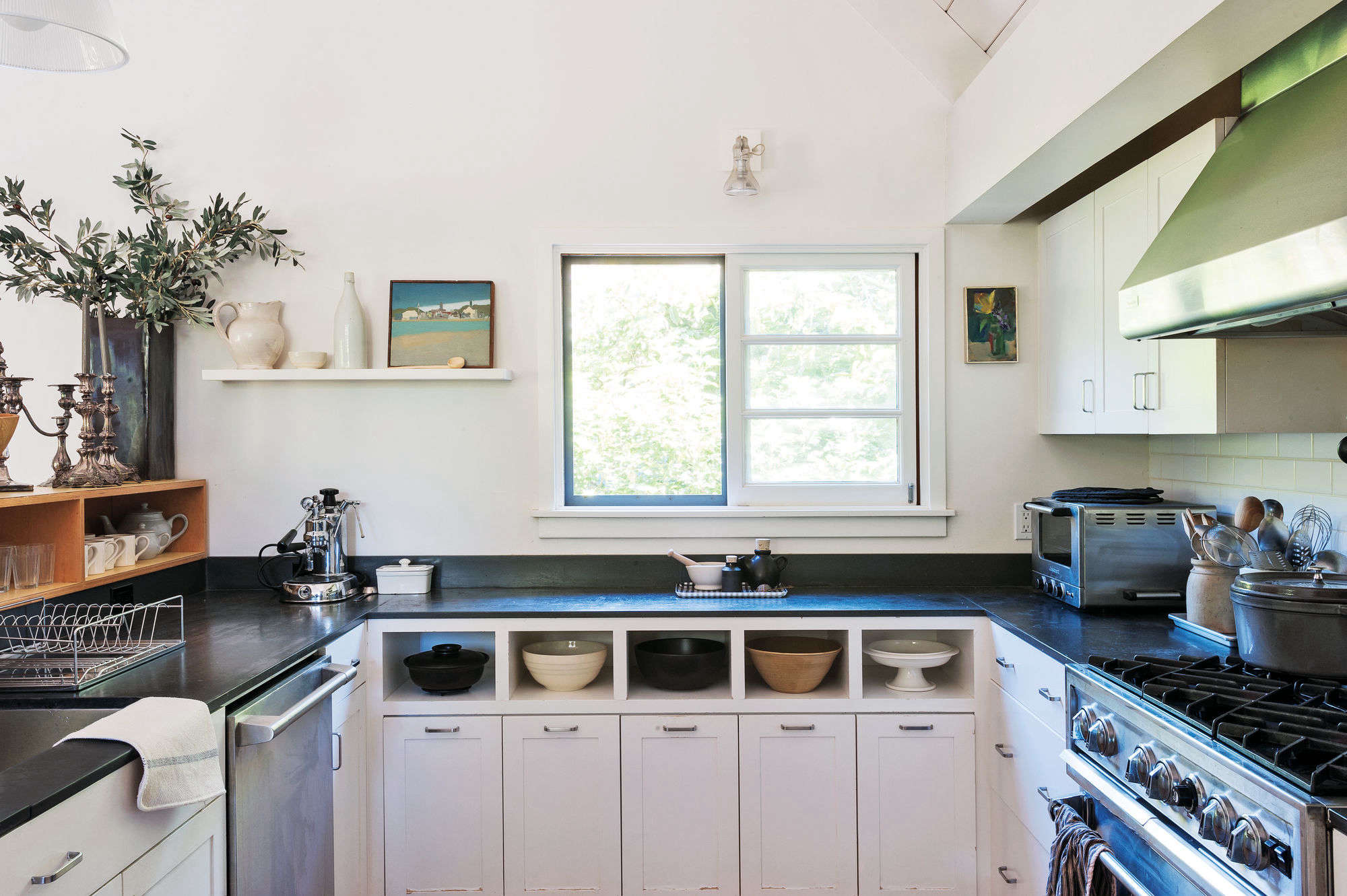
Choosing the best small kitchen appliances during a remodel sounds easy until you realize your countertop has become a tiny appliance parking lot. Suddenly, the toaster wants real estate, the air fryer is demanding a corner office, the blender needs breathing room, and the coffee maker has declared itself essential infrastructure. Welcome to kitchen remodeling, where every inch matters and every plug seems to be in the wrong place.
The right small kitchen appliances can make your new kitchen faster, cleaner, safer, and more enjoyable. The wrong ones can clutter your counters, overload outlets, waste storage space, and quietly judge you from the pantry shelf after being used exactly once. This definitive remodeling guide will help you choose appliances that fit your cooking style, layout, budget, storage plan, and daily routinewithout turning your kitchen into a gadget museum.
Why Small Kitchen Appliances Matter in a Remodel
Most homeowners focus first on the big-ticket items: refrigerator, range, dishwasher, cabinets, countertops, and flooring. That makes sense. Those pieces shape the kitchen. But small appliances shape the way you actually use it every day.
Your coffee maker may be the first thing you touch in the morning. Your toaster oven may reheat more leftovers than your full-size oven. Your blender may support everything from smoothies to soups. Your air fryer may save dinner when everyone is hungry and patience has left the building. These appliances influence countertop space, electrical planning, cabinet design, workflow, cleaning habits, and even ventilation.
Planning for small appliances during the remodelnot afteris the difference between a polished kitchen and a beautiful room where the stand mixer lives permanently in front of the backsplash like a decorative boulder.
Start With Your Real Cooking Habits
Before shopping, be honest about how you cook. Not how your fantasy self cooks. Not how a charming lifestyle influencer cooks while wearing linen and slicing herbs with suspicious serenity. Your actual cooking habits matter most.
Ask These Questions First
Do you make coffee every morning? Do you bake often? Do you meal prep? Do you cook for one, two, or a family of five? Do you rely on frozen foods? Do you make smoothies? Do you reheat leftovers constantly? Do you entertain? Do you hate chopping vegetables? Your answers should decide which appliances earn space in the kitchen.
A household that cooks rice several times a week may benefit from a dedicated rice cooker. A person who mostly reheats food may prefer a quality toaster oven or compact convection oven. A smoothie lover should prioritize a blender that is easy to clean and powerful enough for frozen fruit. A weekend baker may need a stand mixer, but someone who bakes once a year can probably borrow one and keep the counter free.
Build an Appliance Priority List
Small kitchen appliances usually fall into three categories: daily-use, weekly-use, and special-occasion appliances. This simple sorting method prevents countertop chaos.
Daily-Use Appliances
These deserve prime access. Coffee makers, electric kettles, toasters, toaster ovens, blenders, and microwaves often belong in this category. If you use it every day, plan a permanent or semi-permanent home for it.
Weekly-Use Appliances
Food processors, slow cookers, pressure cookers, waffle makers, hand mixers, and rice cookers may belong in an easy-to-reach cabinet, pantry shelf, appliance garage, or pull-out drawer. They should not require an archaeological expedition to retrieve.
Rarely Used Appliances
Fondue pot? Ice cream maker? Electric carving knife? That mini cupcake machine from a suspiciously enthusiastic sale? These can live on higher shelves, in secondary storage, or be donated if they no longer serve your life. A remodel is the perfect time to admit that some appliances were bought by optimism, not need.
Measure Everything Before You Buy
In kitchen remodeling, measurements are not suggestions; they are survival tools. Measure appliance width, depth, height, cord length, clearance needs, and door swing. Then measure the cabinet, shelf, countertop, or appliance garage where it will live.
Many small appliances look compact online but arrive with the physical presence of a small spaceship. Air fryers, espresso machines, stand mixers, toaster ovens, and multi-cookers can be bulkier than expected. Always check dimensions and compare them to your actual kitchen plan.
Think About Use Clearance
An appliance may technically fit under an upper cabinet, but can you open its lid? Can steam escape safely? Can the toaster oven door open fully? Can you remove the blender jar without tilting it like a game of kitchen Tetris? Clearance matters as much as footprint.
Plan Countertop Space Like a Designer
Countertop space is the most valuable land in a small kitchen. Treat it like beachfront property. The best small kitchen appliances are the ones that support your routine without taking over every surface.
During a remodel, identify your main work zones: prep zone, cooking zone, cleanup zone, coffee zone, and storage zone. Then place appliances where they naturally belong. A coffee maker near mugs, filters, beans, and water access makes sense. A blender near the prep area works better than one wedged behind the toaster. A microwave near leftover storage and plates saves steps.
Create a Beverage Station
If coffee or tea is a daily ritual, consider a dedicated beverage station. This can include a coffee maker, grinder, electric kettle, mugs, sweeteners, tea bags, and small drawers for accessories. It keeps morning traffic away from the main cooking zone and prevents the entire kitchen from becoming a caffeine obstacle course.
Use Appliance Garages Wisely
An appliance garage is a cabinet or enclosed area designed to hide small appliances while keeping them accessible. It is especially useful for coffee makers, toasters, blenders, and mixers. For best results, plan enough depth, safe ventilation, convenient outlets, and doors that do not block the workspace when open.
Do Not Ignore Electrical Planning
Small appliances can have big power demands. Microwaves, air fryers, toaster ovens, coffee makers, electric kettles, and blenders often draw significant wattage. During a remodel, talk with a licensed electrician about outlet placement, dedicated circuits, GFCI protection, and local code requirements.
Countertop appliances should generally be plugged into properly installed wall outlets, not overloaded power strips or flimsy extension cords. Heat-producing appliances deserve extra caution. If your dream kitchen includes a coffee station, appliance garage, island prep zone, and under-cabinet lighting, plan the electrical layout before cabinets are ordered. Your future self will thank you, probably while holding coffee.
Outlet Placement Tips
Place outlets where appliances will actually be used. Consider outlets inside appliance garages only when the cabinet design allows safe use, ventilation, and access. Add outlets near islands or peninsulas if code and layout allow. Keep cords away from sinks, hot surfaces, and high-traffic edges where they can be pulled accidentally.
Choose Multi-Function Appliances Carefully
Multi-function appliances can be wonderful in small kitchens. A toaster oven with air-fry capability may replace a separate toaster and air fryer. A pressure cooker can handle rice, beans, stews, yogurt, and slow cooking. A food processor with slicing and shredding attachments can save prep time.
But “does everything” is not always the same as “does everything well.” Before buying, compare performance, cleaning difficulty, storage needs, noise level, and how often you will use each function. A giant multi-cooker is not a space saver if it sits unused because the lid is annoying to wash.
Best Multi-Function Choices for Small Kitchens
For many remodels, the most useful multi-function appliances are air fryer toaster ovens, immersion blenders, compact food processors, combination coffee makers, and pressure multi-cookers. These can reduce duplication while supporting real cooking tasks. The key is to choose based on your menu, not the longest feature list.
Compare Energy Use and Long-Term Cost
Energy efficiency is not just for large appliances. While many small kitchen appliances do not carry the same standardized labels as refrigerators or dishwashers, energy use still matters. A countertop oven may heat faster than a full-size oven for small meals. An electric kettle can boil water quickly. An induction-compatible appliance or efficient cooking method can reduce wasted heat.
When comparing appliances, look at wattage, cooking speed, standby power, durability, and how often you will use the product. The cheapest appliance is not always the least expensive over time if it performs poorly, breaks early, or encourages you to buy a replacement next year.
Prioritize Safety Certifications and Build Quality
A beautiful appliance is nice. A safe appliance is better. Look for products from reputable manufacturers and retailers. Check for recognized safety testing marks, sturdy cords, stable bases, clear instructions, automatic shutoff features, cool-touch handles where appropriate, and reliable customer support.
For heat-producing appliances, pay attention to exterior temperature, ventilation requirements, and surface stability. Toaster ovens, air fryers, electric grills, and pressure cookers need enough room around them. They should sit on heat-safe, level surfaces away from curtains, paper towels, and anything that can melt, scorch, or dramatically ruin your afternoon.
Safety Features Worth Having
Useful features include automatic shutoff, overheat protection, locking lids, nonslip feet, cord storage, pressure-release controls, dishwasher-safe removable parts, and clear indicator lights. These details may sound boring, but boring safety features are exactly what you want. Exciting safety surprises are usually bad.
Think About Cleaning Before You Fall in Love
Cleaning is where appliance romance often ends. A blender may crush ice beautifully, but if cleaning it requires tiny brushes, emotional resilience, and twenty minutes of your life, it may not be the best choice.
Look for removable parts, dishwasher-safe components, smooth surfaces, accessible crumb trays, nonstick interiors that are easy to wipe, and simple assembly. Avoid appliances with too many small grooves or decorative seams if you cook often. Crumbs and grease have a talent for finding hiding places.
Match Appliances to Your Storage Plan
Storage should be designed around appliance weight and frequency of use. Heavy appliances should not live on high shelves unless your hobby is danger. Stand mixers, large food processors, and multi-cookers are better stored at waist height or on pull-out shelves. Lighter items can go higher.
If your remodel includes custom or semi-custom cabinetry, consider deep drawers, roll-out trays, vertical dividers, pantry shelves, appliance lifts, and dedicated charging drawers for cordless tools. A tidy kitchen is not about owning fewer things only; it is about giving the right things the right homes.
Choose the Right Appliances by Category
Coffee Makers and Espresso Machines
Choose based on your morning routine. Drip coffee makers are practical for households. Single-serve machines are convenient but may create more waste and ongoing pod costs. Espresso machines require more counter space, cleaning, and skill, but they can be worth it for serious coffee lovers. Measure height carefully if the machine sits below cabinets.
Toaster Ovens and Air Fryers
A toaster oven can toast, bake, broil, and reheat. An air fryer excels at crisping foods quickly. A combination air fryer toaster oven may be the best choice if space is limited. Look for easy controls, a removable crumb tray, useful rack positions, and enough capacity for your household.
Blenders
For smoothies, sauces, soups, and frozen drinks, power and jar design matter. High-performance blenders are excellent but expensive and often loud. Personal blenders save space and work well for single servings. Immersion blenders are compact and ideal for soups, sauces, and quick blending directly in a pot or container.
Food Processors and Choppers
A full-size food processor is useful for slicing, shredding, dough, dips, and large prep jobs. A mini chopper is better for small kitchens and quick tasks like chopping garlic, herbs, nuts, or onions. Choose the size you will actually use, not the size that makes you feel like a television chef.
Microwaves
Microwaves remain practical for reheating, defrosting, steaming vegetables, and fast meals. In a remodel, decide whether it belongs on the counter, under the counter, in a built-in cabinet, in a drawer format, or above the range. Countertop models are flexible but consume workspace; built-in options look cleaner but cost more and require planning.
Stand Mixers and Hand Mixers
A stand mixer is excellent for frequent bakers, bread makers, and serious dessert people. It is also heavy and space-hungry. A hand mixer is cheaper, smaller, and enough for occasional baking. If you choose a stand mixer, plan a strong shelf, appliance lift, or dedicated counter location.
Rice Cookers and Multi-Cookers
A rice cooker is worthwhile if rice or grains are part of your weekly meals. A multi-cooker can pressure cook, slow cook, sauté, and steam, making it a versatile option for busy households. Consider lid storage, inner pot cleaning, and whether the controls are intuitive.
Do Not Buy Only for Trends
Trendy appliances come and go. A few become kitchen classics. Others become basement residents with confusing attachments. Before buying the latest gadget, ask whether it solves a problem you truly have. Will it replace another appliance? Will it save time? Will it make healthier or easier meals more likely? Can you store it? Can you clean it without resentment?
A remodel is expensive enough without adding a parade of novelty machines. Choose appliances that support your lifestyle, not appliances that look impressive for ten seconds in an online video.
Set a Realistic Budget
Small kitchen appliances range from budget-friendly to “does this blender come with a mortgage advisor?” Decide where to splurge and where to save.
Splurge on appliances you use daily, appliances that affect safety, and appliances where performance truly matters. Save on occasional-use gadgets, simple tools, and appliances with features you do not need. Also consider warranty length, replacement parts, customer service, and return policy. A slightly more expensive appliance from a reliable retailer may be the better deal if it includes easier returns and dependable support.
Plan for Noise
Noise is often forgotten until the first morning smoothie sounds like a lawn mower fighting a suitcase. Blenders, grinders, food processors, ice makers, and espresso machines can be loud. If your remodeled kitchen opens into a living room, nursery, office, or dining area, noise matters.
Read reviews for sound complaints. Choose quieter models where possible. Store noisy appliances on stable surfaces to reduce vibration. If you make coffee before the rest of the house wakes up, a quieter grinder may preserve both peace and relationships.
Design for Accessibility and Comfort
The best kitchen appliance layout works for the people using it. Place heavy appliances where they can be moved safely. Avoid storing daily-use items too high or too low. Make sure controls are visible and reachable. Consider pull-out shelves, drawer microwaves, appliance lifts, and lower storage for users with limited mobility.
A beautiful remodel should not require acrobatics before breakfast. Comfort is not a luxury; it is part of good design.
Common Mistakes to Avoid
Buying Before Planning
Do not buy appliances before confirming measurements, outlets, storage, and workflow. The sale price is not a bargain if the appliance does not fit.
Keeping Too Many Duplicates
You probably do not need a toaster, toaster oven, air fryer, countertop oven, and broiler gadget. Choose overlapping appliances strategically.
Ignoring Ventilation
Heat, steam, and odors matter. Air fryers, toaster ovens, electric grills, and pressure cookers need breathing room. Do not trap them in tight spaces while operating.
Forgetting Cleaning
If an appliance is hard to clean, you will use it less. Simple maintenance is a feature, not an afterthought.
Letting Counters Become Storage
Countertops are work surfaces. Keep only high-use appliances out. Store the rest intelligently.
Experience-Based Tips for Choosing Small Kitchen Appliances
After watching many kitchen remodels succeed, struggle, and occasionally become dramatic enough to deserve background music, one lesson stands out: the best appliance choices come from daily life, not showroom excitement. A showroom kitchen always looks calm because nobody is making school lunches in it while searching for the missing blender lid.
One practical experience is to test your existing kitchen before remodeling. For two weeks, write down every appliance you use. Note where you use it, where you wish it lived, and what annoys you. Maybe the coffee grinder wakes everyone. Maybe the toaster cord is too short. Maybe the air fryer is used constantly but stored behind three mixing bowls and a holiday platter. These small frustrations are design clues.
Another valuable tip is to create appliance “families.” Store appliances near the tools and ingredients they need. Coffee equipment belongs with mugs, filters, beans, and sweeteners. Baking appliances belong with flour, sugar, measuring cups, and mixing bowls. Smoothie equipment belongs near protein powder, glasses, and freezer access. When items live near their supporting cast, cooking feels smoother and less like a scavenger hunt.
It also helps to handle appliances in person when possible. Online reviews are useful, but your hands can tell you things reviews miss. Is the lid awkward? Are the buttons readable? Is the appliance too heavy? Does the door feel flimsy? Can you remove the tray easily? Does the cord reach comfortably? A great appliance should feel intuitive before you even read the manual.
During a remodel, homeowners often underestimate how much they will appreciate empty counter space. Empty space is not wasted space. It is where you chop vegetables, unpack groceries, plate food, cool cookies, fold a recipe printout, or set down a hot pan while saying something elegant like, “Where is the trivet?” Protecting open workspace may be more valuable than adding one more appliance.
Another real-world lesson: do not bury daily appliances behind complicated doors. Appliance garages are wonderful when they are easy to open, well ventilated, and located where the appliance is used. But if you must slide, lift, unfold, and negotiate with a cabinet door before making toast, the toaster will eventually migrate back to the counter. Convenience wins.
Finally, buy slowly after the remodel if you can. It is tempting to furnish the new kitchen immediately with every shiny gadget that promises culinary transformation. But living in the kitchen for a month reveals what you truly need. You may discover that the new oven reheats beautifully, so you do not need a large toaster oven. Or you may realize the compact food processor is too small for your meal prep style. Let your remodeled kitchen teach you before you fill every shelf.
Conclusion
Choosing the best small kitchen appliances is not about owning the most gadgets. It is about creating a kitchen that supports your real routines with less clutter, better workflow, safer electrical planning, easier cleaning, and smarter storage. During a remodel, every appliance should earn its place by solving a real problem, saving time, improving cooking, or making daily life more enjoyable.
Measure carefully, plan outlets early, prioritize multi-function value, choose reliable brands, and design storage around how often each appliance is used. When in doubt, protect your counter space. A clear counter is one of the most underrated luxuries in any kitchen, right after good coffee and a dishwasher that someone else empties.
Note: This article is written for general home-improvement guidance. Always follow manufacturer instructions, local building codes, and licensed professional advice for electrical, ventilation, plumbing, and cabinet installation decisions.