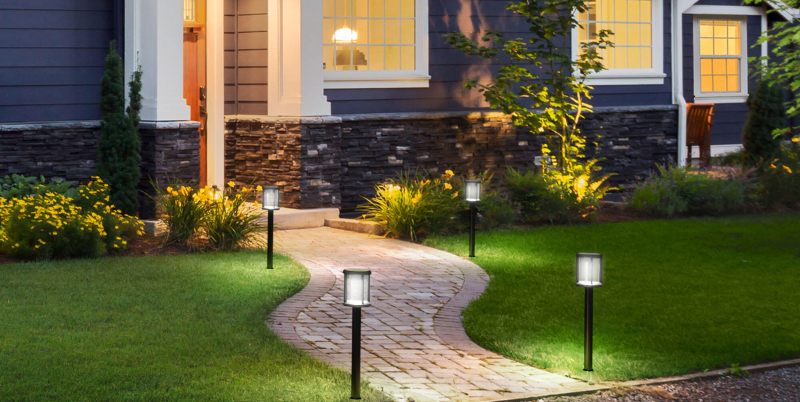
Choosing solar lighting for your yard sounds simple until you stand in the lighting aisle and realize there are path lights, spotlights, wall lights, string lights, motion-sensor lights, lanterns, deck lights, floodlights, color-changing lights, and tiny glowing mushrooms that look like they may have opinions. The good news? Solar lighting is one of the easiest upgrades you can make outdoors. It can improve curb appeal, guide guests safely to the front door, highlight your favorite tree, make the patio feel like a cozy café, and do all of that without running new electrical wiring.
The trick is not buying the first cute light that winks at you from a shelf. The best solar yard lights are chosen by purpose, placement, brightness, battery life, weather resistance, and style. A light that works beautifully along a sunny walkway may fail miserably under a shady oak. A warm decorative lantern may look dreamy on a deck but won’t scare away a raccoon with big “I own this trash can now” energy. This guide will walk you through how to choose solar lighting for your yard with practical examples, smart buying tips, and real-world experience you can actually use.
Why Solar Lighting Is a Smart Yard Upgrade
Solar outdoor lighting uses small solar panels to collect sunlight during the day, store that energy in rechargeable batteries, and power LED bulbs after dark. Because most solar lights are self-contained, they are usually easy to install. You do not need to trench wires across the lawn, hire an electrician for basic stake lights, or explain to your dog why half the yard has become a construction zone.
Solar lighting is especially useful for pathways, garden beds, patios, decks, fence lines, driveways, sheds, pool areas, and dark corners where traditional wiring would be expensive or inconvenient. It also keeps your electricity bill from creeping up every time you want your backyard to look less like a cave and more like a place where adults calmly sip iced tea.
Start With the Purpose: What Do You Want the Light to Do?
Before comparing brands or styles, decide what job each light needs to perform. Yard lighting usually falls into four main categories: safety, security, accent, and atmosphere. Each one requires a different type of solar fixture.
Pathway and Walkway Lighting
Path lights help people see where they are walking. They are ideal along front paths, garden walkways, stepping stones, driveway edges, and routes between the patio and backyard gate. For this purpose, you do not need stadium-level brightness. In fact, too much light can create glare and make the yard feel harsh. Look for solar path lights with a soft downward glow, even spacing, and stable stakes.
For a front walkway, place lights about 6 to 8 feet apart as a starting point, then adjust based on brightness and path shape. On curves, place lights slightly closer together so the route is clear. Avoid placing lights in a perfectly rigid runway pattern unless you want your sidewalk to look like it is preparing for airplane landing clearance.
Accent Lighting for Trees, Gardens, and Architecture
Accent lights are used to highlight features you love: a Japanese maple, stone wall, fountain, sculpture, flower bed, or textured fence. Solar spotlights are best for this job because they have adjustable heads and stronger beams than basic path lights. Choose warmer light for brick, wood, and cozy garden spaces. Cooler light can make greenery appear sharper, but it may feel less relaxing in a residential yard.
Security and Motion Lighting
Security lights should be brighter and more targeted. A solar motion-sensor floodlight can work well near a garage, side yard, shed, gate, or dark driveway. Look for models with adjustable detection range, multiple lighting modes, and a separate solar panel if the fixture location is shady. Motion lights save battery power because they activate only when movement is detected.
Atmosphere and Entertainment Lighting
String lights, lanterns, tabletop solar lamps, post cap lights, and decorative garden lights create mood. They are perfect for patios, pergolas, balconies, seating areas, and outdoor dining zones. These lights are less about visibility and more about making your yard feel like the charming bistro you keep promising yourself you will visit someday.
Understand Brightness: Lumens Matter More Than Watts
When choosing solar lighting for your yard, pay attention to lumens. Lumens measure brightness. Watts measure energy use, which is less helpful when comparing solar LED lights. A decorative garden stake may produce only a few lumens, while a motion floodlight can produce several hundred or more.
Here is a practical way to think about brightness:
- 5 to 20 lumens: soft decorative glow for garden borders, flower beds, and subtle path markers.
- 20 to 80 lumens: useful for pathways, steps, decks, and general landscape lighting.
- 80 to 200 lumens: good for accenting trees, walls, signs, and larger garden features.
- 200+ lumens: better for security lighting, driveways, sheds, and motion-activated areas.
More lumens are not always better. A front path with overly bright lights can look cold and commercial. A patio with harsh floodlights can make dinner guests feel like they are being questioned about a missing casserole. Choose enough brightness for the task, then keep the overall effect comfortable.
Check Sun Exposure Before You Buy
Solar lights need sunlight. This sounds obvious, but many disappointing solar lighting projects begin with the phrase, “I thought it would still work under the giant maple tree.” Most solar lights perform best with 6 to 8 hours of direct sunlight. Some can work with partial sun, but runtime and brightness may drop.
Walk your yard at different times of day and note where sunlight actually lands. A location that is sunny at noon may be shaded by late afternoon. Rooflines, fences, trees, shrubs, and neighboring buildings can all reduce charging time. If the perfect lighting spot is shady, choose a solar light with a remote panel connected by a cord. That lets you place the light where you need it and mount the panel where the sun is more generous.
Look at Battery Life and Runtime
Solar lights rely on rechargeable batteries, and battery quality affects how long they shine after dark. Many basic solar lights run for 6 to 8 hours after a full charge, while higher-quality models may last longer under ideal conditions. Weather, season, shade, battery age, and brightness settings all influence runtime.
If you need lights to stay on all night, choose dusk-to-dawn models with efficient LEDs and strong battery capacity. If you mainly need light for evening use, timer-controlled or motion-sensor models may be more efficient. For security lights, motion activation is usually smarter than constant illumination because it preserves battery life and draws attention when movement occurs.
Choose the Right Color Temperature
Color temperature is measured in Kelvin, often shown as “K” on product labels. For most yards, warm white light between 2700K and 3000K is the most flattering. It makes patios feel cozy, softens hardscape materials, and complements plants without making the yard look like a dentist’s office waiting room.
Neutral white light around 3500K to 4000K can work for driveways, steps, and utility areas where visibility matters. Very cool white light above 5000K can look harsh outdoors and may create more glare. For a polished design, try to keep color temperature consistent across nearby fixtures. Mixing warm path lights with icy-blue wall lights often looks accidental rather than creative.
Pay Attention to Weather Resistance
Outdoor solar lights face rain, heat, dust, wind, sprinklers, snow in colder climates, and the occasional soccer ball. Look for weather-resistant materials and an outdoor rating. Many product descriptions include IP ratings. An IP65 rating, for example, generally suggests strong protection against dust and water jets, making it suitable for many outdoor conditions. For exposed locations, choose lights designed specifically for year-round outdoor use.
Materials matter too. Stainless steel, aluminum, powder-coated metal, heavy-duty plastic, and glass can all work, but quality varies. Cheap plastic stakes may crack in hard soil or become brittle after sun exposure. If you live in a coastal area, look for corrosion-resistant finishes. If your yard gets heavy wind, choose fixtures with sturdy bases or secure mounting hardware.
Use Responsible Lighting: Bright Enough, Not Blinding
Good outdoor lighting should help you see without blasting light into the sky, your neighbor’s bedroom, or the confused face of every passing moth. Choose shielded fixtures that direct light downward or toward the feature you want to illuminate. Avoid unnecessary upward lighting, especially in areas where dark-sky preservation or wildlife protection matters.
Responsible solar lighting also means using timers, motion sensors, and lower brightness settings when possible. Your yard does not need to glow like a theme park at 3 a.m. A softer, targeted lighting plan is usually more beautiful, more energy-efficient, and kinder to the nighttime environment.
Match the Fixture Type to Each Yard Area
Front Yard
Use path lights along walkways, small spotlights for trees or architectural features, and a solar wall light near the porch if wiring is limited. Keep the design neat and welcoming. The goal is “come on in,” not “airport perimeter fence.”
Backyard Patio
Use solar string lights, lanterns, table lamps, or post lights to create a relaxed entertaining area. Add step lights if the patio has elevation changes. Warm light is usually best here because it flatters food, faces, furniture, and your questionable decision to buy six outdoor throw pillows.
Garden Beds
Use low-output accent lights to highlight flowers, shrubs, ornamental grasses, and garden art. Choose fixtures that disappear into the landscape during the day. Black or bronze finishes often blend well with mulch and soil.
Driveways and Side Yards
Use brighter solar motion lights or bollard-style fixtures. These areas need visibility and safety more than romance. A motion-sensor light near trash bins, gates, or garage doors can make nighttime chores easier.
Decks and Fences
Solar post cap lights, rail lights, and step lights can define edges and reduce trip hazards. Measure posts before buying caps, since sizes vary. For stairs, choose lights that shine downward across each tread rather than directly into someone’s eyes.
Design Tips for a Yard That Looks Professionally Lit
A beautiful solar lighting plan uses layers. Combine path lighting, accent lighting, and ambient lighting instead of relying on one type of fixture everywhere. Think of light as a guide for the eye. It should reveal the best parts of your yard one at a time.
Use repetition for a clean look. Matching path lights along a walkway create order. Matching lanterns around a patio create rhythm. But do not overdo it. Too many lights can flatten the landscape and remove the mystery that makes outdoor spaces inviting.
Also consider daytime appearance. Solar lights are visible during the day, so choose finishes and shapes that match your home’s style. Modern homes often look good with slim black fixtures. Cottage gardens can handle lantern shapes and softer finishes. Traditional homes pair well with bronze, copper, or classic cap lights.
Common Mistakes to Avoid
The first mistake is buying too few lights, then expecting them to perform miracles. A single tiny stake light will not illuminate a 40-foot walkway. The second mistake is buying too many bright lights and turning the yard into a glowing chessboard. Balance is key.
Another common mistake is ignoring shade. Solar lights cannot charge properly if their panels are blocked by shrubs, mulch, leaves, furniture, or a roof overhang. Clean the panels regularly and trim plants that cast heavy shadows.
Finally, do not assume all solar lights are maintenance-free forever. They are low-maintenance, not magic. Batteries wear out, panels get dirty, stakes shift, and winter weather can reduce performance. A few minutes of seasonal care can keep them working much longer.
Maintenance Tips for Better Performance
Clean solar panels with a soft damp cloth every few weeks, especially during pollen season or after storms. Dirt and dust reduce charging efficiency. Check that panels still face the sun after wind or lawn work. Replace rechargeable batteries when lights become dim or stop lasting through the evening.
In cold climates, consider storing delicate decorative lights during harsh winter months. For permanent fixtures, make sure they are rated for outdoor weather. Keep snow, leaves, and mulch away from panels. If a light stops working, check the switch, battery tab, panel cleanliness, and sunlight exposure before declaring it dead and giving it a dramatic farewell.
Buying Checklist: How to Choose Solar Lighting for Your Yard
- Decide the purpose: safety, security, accent, or atmosphere.
- Match fixture type to location: path, spot, wall, deck, string, or floodlight.
- Choose the right brightness in lumens.
- Check daily sun exposure before installation.
- Look for adequate runtime and battery capacity.
- Choose warm white light for most residential spaces.
- Select weather-resistant materials and outdoor ratings.
- Use shielded, downward-facing designs to reduce glare.
- Keep style consistent with your home and landscape.
- Plan for simple cleaning and battery replacement.
Personal Experience: What Actually Works in a Real Yard
After testing and living with different types of solar lighting, the biggest lesson is that placement matters more than price. A mid-range solar path light in full sun will often outperform a fancy fixture tucked into deep shade. Before installing anything permanently, place the lights where you think they should go, let them charge for a full sunny day, and walk the yard after dark. This simple test prevents a lot of regret.
Path lights are usually most effective when they guide movement rather than outline every inch of a walkway. I have seen yards where lights were placed so close together that the path looked like a runway for very small aircraft. Spacing them farther apart creates a softer, more natural effect. On the other hand, steps and uneven areas need more consistent lighting. Beauty is important, but not tripping while carrying lemonade is also a worthy design goal.
For patios, warm solar string lights are hard to beat. They create instant atmosphere and make even simple outdoor furniture feel intentional. The best setup is usually one with a separate solar panel that can be aimed toward the sun while the lights hang where they look best. This solves the classic problem of wanting string lights under a pergola, where the shade is lovely for humans but not very helpful for solar charging.
Solar spotlights are excellent for trees and garden features, but they need careful aiming. Start with a low angle and avoid pointing the beam toward windows, seating areas, or the street. A little light on a tree trunk can look elegant. Too much light can make the tree look like it is about to announce a press conference. If the spotlight has brightness settings, begin with the lower setting and increase only if needed.
Motion-sensor solar lights are best used in practical areas: side gates, trash storage, sheds, garage corners, and driveways. They are not always beautiful, but they are extremely useful. Choose a model with adjustable heads and a panel that can be positioned separately if the fixture area is shaded. Also test the motion range. You want the light to turn on when someone approaches, not every time a leaf gets ambitious.
One underrated tip is to mix solar lighting with darkness. That may sound strange in an article about lighting, but shadows are what make outdoor lighting feel dimensional. Do not light every shrub, fence panel, chair, and flowerpot. Pick focal points. Let the rest of the yard breathe. The most expensive-looking yards often use fewer lights, placed more thoughtfully.
Another practical lesson: buy one or two lights first before purchasing a full set. Product photos can be misleading. A light that looks warm online may appear blue in person. A fixture that seems sturdy may feel flimsy once you push it into real soil. Testing a small quantity helps you judge brightness, color, build quality, and runtime before committing to a full-yard installation.
Finally, remember that solar lighting changes with the seasons. Lights may run longer in summer and shorter in winter because of differences in daylight hours and sun angle. That does not always mean the product is defective. It may simply need a cleaner panel, a sunnier position, or a fresh battery. Treat solar lights as small outdoor tools, not one-time decorations, and they will reward you with a yard that feels safer, warmer, and much more inviting.
Conclusion
Learning how to choose solar lighting for your yard comes down to matching the right light to the right job. Use path lights for movement, spotlights for features, string lights for atmosphere, and motion lights for security. Check sun exposure before buying, compare lumens instead of guessing brightness, choose warm color temperatures for comfort, and look for weather-resistant construction that can handle your climate.
The best solar yard lighting does not shout. It guides, highlights, softens, and protects. With a smart plan, your yard can become easier to navigate, prettier after sunset, and more useful for everyday life. And yes, it can do all that while quietly charging in the sun like a responsible little overachiever.