If you have ever looked at a black ghost knifefish and thought, “That looks like a haunted ribbon with opinions,” congratulationsyou are already halfway to understanding this fish. The black ghost knifefish is one of the most fascinating freshwater species in the hobby. It glides instead of swims, hunts in low light, and uses a weak electric field to navigate like a tiny underwater superhero who skipped the cape and went straight for stealth mode.
But as cool as this fish is, black ghost knifefish care is not beginner-level fishkeeping with a spooky paint job. This species needs room, stability, smart tank mates, and a setup designed around its shy, nocturnal nature. In other words, it is less “drop it into any community tank” and more “design a proper home and earn its trust.”
This step-by-step guide breaks down exactly how to care for a black ghost knifefish, from tank size and water quality to feeding, behavior, and long-term maintenance. If you do it right, you will not just keep this fish aliveyou will watch it thrive, explore, and become the mysterious star of the aquarium.
Step 1: Know What You’re Signing Up For
Before you bring one home, understand the basics. The black ghost knifefish, Apteronotus albifrons, is a long-lived freshwater carnivore that can grow surprisingly large. Juveniles in stores often look manageable, but adults can become true centerpiece fish. That means this is not a “cute for now, figure it out later” purchase.
These fish are also nocturnal and naturally shy. They spend a lot of daylight hours hiding, then become more active in the evening. So if your dream pet is a fish that poses for photos under bright LEDs all day, this may not be your match. If, however, you appreciate a fish with mystery, movement, and serious personality, welcome to the club.
Step 2: Start With a Big TankNot a Wishful One
The biggest mistake people make with black ghost knifefish care is underestimating adult size. A small juvenile may survive in a smaller setup for a while, but long term, this fish needs a large aquarium. Think in terms of an adult home, not a temporary apartment with bad plumbing.
A roomy tank gives your fish more than swimming space. It also creates room for hiding places, gentler territory lines, better water stability, and safer compatibility with tank mates. A cramped setup leads to stress, poor growth, and that classic fishkeeping regret known as, “Why did I think this monster belonged in that tank?”
If you are planning for success, build around the adult fish from day one. It is easier to set up correctly once than to keep upgrading every time your black ghost knifefish decides to grow like it is trying to win a contest.
Step 3: Make the Tank Feel Safe, Not Bare
This species loves security. In the wild and in aquariums, black ghost knifefish prefer dimmer conditions and places to retreat during the day. A bare tank with nowhere to hide will leave them stressed, skittish, and more likely to stay tucked away all the time.
Create a layout with caves, driftwood, smooth rock formations, and plant cover. PVC tubes also work surprisingly well and are a favorite among experienced keepers because they give the fish an enclosed, snug resting place. It may not be glamorous, but your fish will probably rate it five stars.
The goal is to offer several secure hideouts, not one lonely cave in the middle of a spotlight. Think cozy, shadowy, and calm. A black ghost knifefish that feels safe is much more likely to come out, explore, and feed confidently.
Step 4: Keep Lighting Low and the Mood Relaxed
Bright lighting does not do this fish any favors. Black ghost knifefish are adapted for low-light conditions, and harsh light often makes them hide more. You do not need to turn the aquarium into a cave, but you do want a gentler, more natural feel.
Floating plants, driftwood, darker backgrounds, and shaded zones can make a big difference. If the tank is brightly lit for live plants, make sure there are still plenty of darker areas where your fish can retreat. This is one of those species that prefers “soft jazz lounge” over “stadium halftime show.”
Low stress also means avoiding frantic tank mates, constant disturbances, and sudden pounding on the glass. Yes, your fish notices. No, it does not think it is funny.
Step 5: Prioritize Water Quality Like It’s Your Job
With black ghost knifefish care, clean and stable water is not optional. It is the backbone of everything. This species is sensitive to poor conditions, and beautiful-looking water can still be chemically ugly if you are not testing it.
Keep the tank fully cycled before adding your fish. That means beneficial bacteria are already established and capable of processing waste. Sudden ammonia or nitrite spikes are bad news for any fish, but especially for one that is sensitive and easily stressed.
Consistency matters just as much as cleanliness. Avoid dramatic swings in temperature, pH, and overall water chemistry. Aim for warm tropical water, stable parameters, and strong filtration without blasting the fish around the tank. A heater, a dependable filter, and a regular testing routine are not exciting purchases, but neither is losing a fish because you guessed instead of checked.
Step 6: Give Them the Right Water Conditions
Black ghost knifefish generally do well in warm freshwater with stable parameters. A temperature in the mid-to-upper tropical range works well, and a near-neutral pH is usually a solid target. The key word here is stable. A perfect number that bounces all over the place is less useful than a good number that stays put.
Use a reliable liquid test kit or quality testing system to monitor ammonia, nitrite, nitrate, and pH. If something drifts, fix it gradually. Fast corrections can stress fish just as much as bad conditions. Your black ghost knifefish is not looking for dramatic plot twists in the water chemistry.
Also, keep oxygenation in mind. This species appreciates well-maintained, well-filtered water. That does not mean a raging river current, but it does mean clean water with healthy gas exchange and no neglected, stagnant nonsense.
Step 7: Feed a Meaty Diet and Time It Smartly
The black ghost knifefish is a carnivore, and its menu should reflect that. This is not a fish that wants to live on random flakes like a college student surviving on crackers. Offer a varied diet built around protein-rich foods.
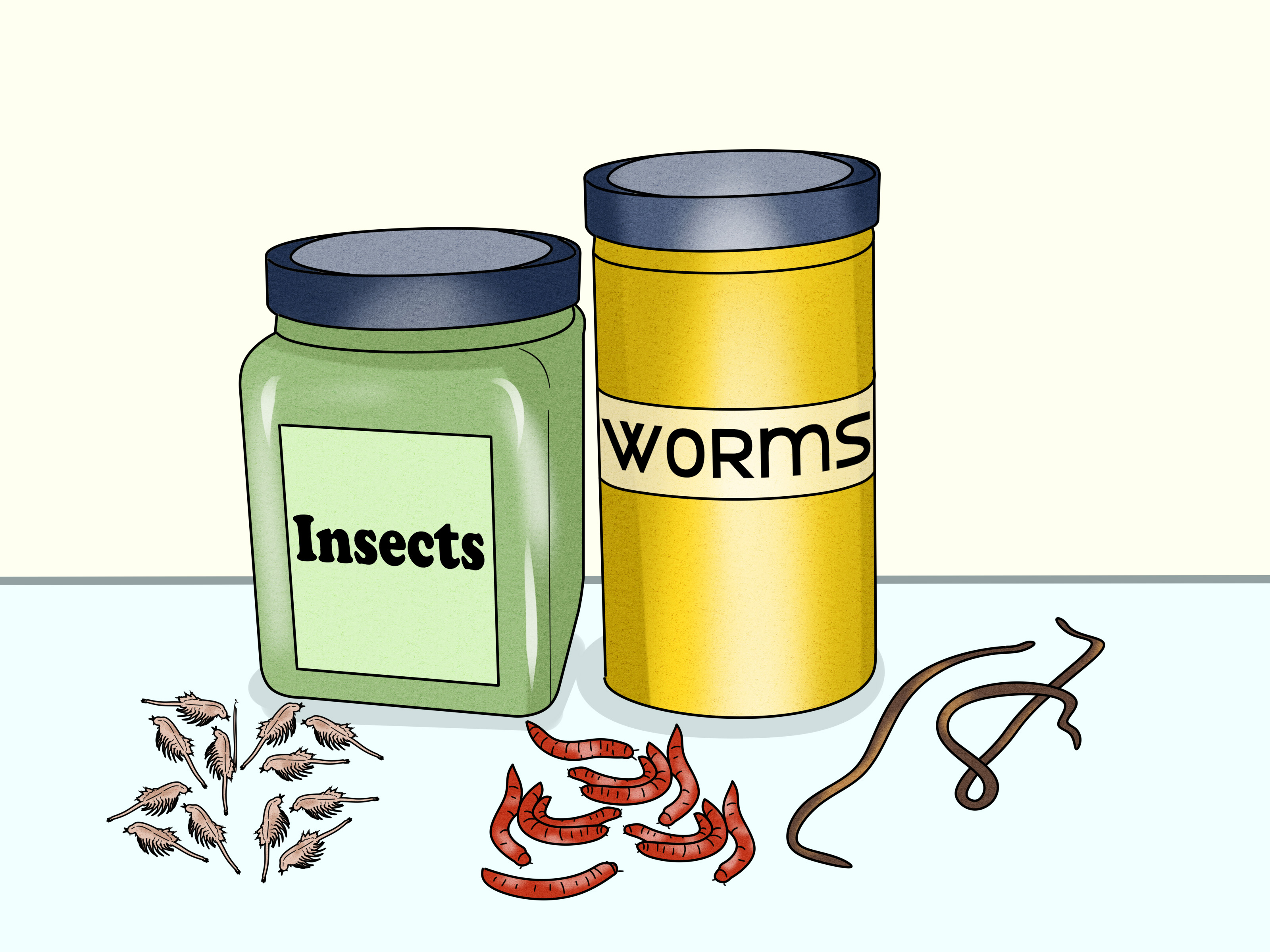
Good options include frozen or live bloodworms, brine shrimp, mysis shrimp, tubifex, chopped worms, and quality carnivore pellets. Some fish also learn to accept prepared foods very well, especially when feeding becomes routine.
Because this species is nocturnal, evening feeding often works best. Many keepers have success feeding at dusk or after the lights go down. If your fish is shy at first, do not panic. A new black ghost knifefish may take time to settle in and recognize feeding patterns. Once it does, it may surprise you by becoming bold, responsive, and suspiciously aware of who brings dinner.
Step 8: Choose Tank Mates With Common Sense
Black ghost knifefish are not mindless killers, but they are still predators. Anything small enough to fit in that mouth may eventually be viewed as a late-night snack. Tiny tetras, nano fish, and delicate shrimp are risky choices unless you enjoy suspense with a sad ending.
The best tank mates are peaceful to moderately calm fish of similar or larger size that will not bully your knifefish or outcompete it for food. Peaceful angelfish, certain catfish, severums, and other appropriately sized community species can work in the right setup.
Avoid aggressive cichlids, relentless fin nippers, and hyperactive fish that never seem to stop sprinting. Also avoid housing black ghost knifefish with other electric fish or additional knifefish in average home aquariums. Territorial problems are common, and this species usually does best as the only ghost in the building.
Step 9: Use a Lid and Keep the Environment Secure
Many aquarists focus on décor and forget the top of the tank. Do not. Black ghost knifefish can jump, especially if startled or stressed. A secure lid is a simple piece of insurance that can save you from a truly awful surprise.
Also look for other stress triggers: unstable décor, loud vibrations, sudden bright room lights at night, and tank mates constantly invading the fish’s hiding place. The more secure the environment feels, the better your fish will behave. A calm black ghost knifefish is graceful and curious. A stressed one becomes a nervous ribbon with trust issues.
Step 10: Stay on Top of Maintenance
Good black ghost knifefish care depends on routine, not rescue missions. Small, regular maintenance beats dramatic fixes every time. Test the water weekly, clean the substrate, remove uneaten food, and perform partial water changes on a steady schedule.
Do not overfeed. Excess food quickly becomes extra waste, and extra waste becomes declining water quality. That is how tanks drift from “looks fine” to “why is everyone acting weird?”
It also helps to observe your fish daily. Is it eating well? Is it hiding more than usual? Is breathing normal? Are there signs of weight loss, spots, frayed fins, or unusual swimming? Fish often whisper before they scream. Smart keepers listen early.
Step 11: Quarantine New Fish and Watch for Illness
If you add new fish without quarantine, you are basically rolling dice with your display tank. Parasites and bacterial issues can arrive with apparently healthy newcomers, and a sensitive species like the black ghost knifefish is not the fish you want exposed to surprise pathogens.
Use a quarantine tank for new arrivals whenever possible. It gives you time to observe feeding, behavior, and overall health before anything joins the main aquarium. That simple step can prevent a lot of chaos later.
Watch your black ghost knifefish for red flags such as loss of appetite, cloudy eyes, labored breathing, fungus-like growths, frayed fins, or white spots. When something looks off, improve water quality first, isolate the issue, and choose treatments carefully. Sensitive fish do not appreciate random medicine experiments inspired by panic and bad forum advice from 2009.
Step 12: Be PatientThis Fish Gets Better With Time
One of the best things about owning a black ghost knifefish is watching it become more confident. At first, it may vanish all day and emerge only when the room is quiet. Later, it may begin cruising the tank before feeding time, recognizing your routine, and gliding out like it owns the place. Honestly, after a while, it kind of does.
This is not a flashy fish in the usual sense. It is a fish you appreciate more the longer you keep it. The movements are elegant, the behavior is intelligent, and the personality feels unusually individual for an aquarium species. Give it space, stability, and time, and your reward is one of the most memorable freshwater fish in the hobby.
Common Mistakes to Avoid
Buying one for a tank it will outgrow
If you buy the fish first and plan the tank later, you are already behind. Adult size matters.
Keeping it with tiny community fish
Neon-sized tank mates may look peaceful during the day and disappear by morning. Nature can be rude like that.
Using bright light and minimal cover
A stressed fish that never leaves its cave is often telling you the setup does not feel safe.
Skipping water testing
Clear water is not the same thing as healthy water. Test, do not guess.
Adding new fish without quarantine
One rushed addition can create a tank-wide health problem that takes weeks to untangle.
Conclusion
Learning how to care for a black ghost knifefish is really about respecting what makes the species unique. This is not a decoration fish. It is a large, intelligent, nocturnal predator that needs a carefully planned environment. Give it a mature tank, warm stable water, plenty of hiding places, a high-protein diet, and tank mates that will not stress it out, and you will have a spectacular freshwater showpiece for years.
In return, the black ghost knifefish offers the kind of aquarium experience people do not forget. It glides like a shadow, feeds with purpose, and slowly reveals more of its personality the better you care for it. Plenty of fish are pretty. This one is unforgettable.
Experiences From Keeping a Black Ghost Knifefish
Ask experienced keepers what it is like to own a black ghost knifefish, and you will hear the same theme again and again: this fish starts out shy, but it rarely stays boring. In the beginning, many owners panic because they hardly see it. The fish disappears into a cave, PVC tube, or driftwood tunnel and seems to have signed a privacy agreement. New keepers sometimes worry that something is wrong, when in reality the fish is doing exactly what black ghost knifefish doresting in security until the tank feels safe enough to explore.
Then comes the turning point. Usually it starts around feeding time. The fish begins to learn the household rhythm. It notices footsteps, changes in room light, and the sound of the lid opening. A once-secretive black ribbon suddenly glides out before dinner like a tiny aquatic landlord checking on the property. Many keepers say this is the moment they fall in love with the species, because the fish stops feeling like an ornament and starts feeling like a pet with a schedule.
Another common experience is discovering how strongly this species prefers comfort. A black ghost knifefish with a proper hideout behaves very differently from one that feels exposed. Owners often report that after adding more caves, smoother cover, or a better tube, the fish becomes noticeably calmer and more visible. It is almost comical: give the fish a decent home office, and suddenly productivity improves.
Feeding can also become surprisingly interactive. Some black ghost knifefish remain polite and reserved, while others learn quickly and start taking food from tongs, the water surface, or even a keeper’s hand. That does not mean every fish turns into an underwater puppy, but many become much bolder than people expect. There is something oddly satisfying about watching a fish that once hid all day now cruise out on cue because it knows the frozen bloodworms have arrived.
Long-term keepers also talk about mistakes that taught them fast. One of the biggest is mixing black ghost knifefish with fish that are too small. Everything may look peaceful for weeks, right up until a tiny tank mate vanishes and the mystery writes itself. Another lesson is that water quality issues show up in behavior before disaster hits. A fish that hides more, eats less, or acts restless is often reacting to something in the environment. Experienced owners learn not to argue with that signal. They test the water, review maintenance, and fix the cause before it snowballs.
Perhaps the best experience of all is watching this fish mature. A healthy black ghost knifefish has a presence that is hard to describe until you see it in person. It does not dart like a tetra or swagger like a cichlid. It glides. It hovers. It backs up like it forgot its keys. It turns an ordinary aquarium into something a little stranger and a lot more interesting. That is why so many keepers say the same thing after owning one: challenging, yesbut absolutely worth it.