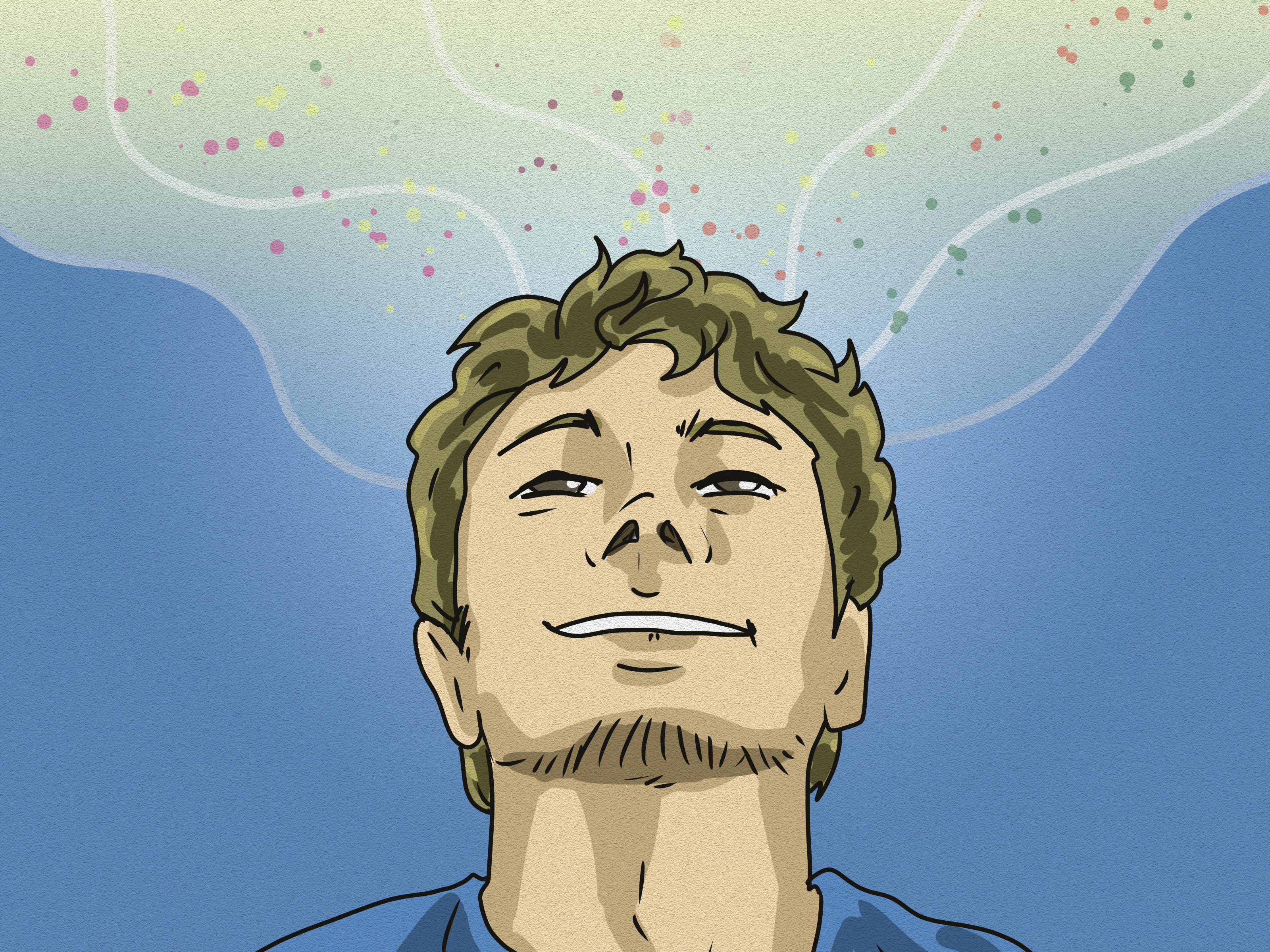
A free spirited person is not someone who quits their job, buys a van, names it Moon Pancake, and disappears into the desertalthough, honestly, that is one possible route. Being free spirited is less about running away from life and more about living with honesty, curiosity, courage, and a healthy refusal to become a carbon copy of everyone else.
If you have ever felt like your personality is wearing shoes two sizes too small, this guide is for you. Learning how to be a free spirited person means reconnecting with your values, trusting your inner voice, exploring the world with an open mind, and building a life that feels like it actually belongs to you. The good news? You do not need a dramatic movie montage. You need small, intentional steps practiced consistently.
What Does It Mean to Be a Free Spirited Person?
A free spirited person is someone who lives with authenticity, independence, and openness. They are guided by personal values rather than constant approval-seeking. They are curious, emotionally flexible, creative, and willing to grow. They may love adventure, but they are not reckless. They may reject social pressure, but they are not careless with other people’s feelings.
True freedom is not “I do whatever I want and consequences can go cry in a corner.” Real freedom includes responsibility. A free spirit knows how to make choices, own outcomes, respect boundaries, and keep their sense of wonder alive even when life insists on sending bills, emails, and laundry.
How to Be a Free Spirited Person: 14 Steps
1. Define Freedom for Yourself
Before you can become more free spirited, you need to know what freedom means to you. For one person, freedom means traveling often. For another, it means working remotely, dressing creatively, ending people-pleasing habits, or having quiet evenings with no social obligations. None of these answers is “more free” than the others.
Take a notebook and write: “I feel most free when…” Then list everything that comes to mind. Do not edit yourself too quickly. Your answers might reveal that your free spirit is not craving chaosit may be craving honesty, rest, beauty, movement, or permission to stop performing.
2. Know Your Core Values
Free spirited living starts with values. Without values, freedom can become random drifting. With values, it becomes direction. Ask yourself what matters most: creativity, kindness, adventure, family, learning, health, independence, faith, service, courage, simplicity, or something else entirely.
Once you know your values, decisions become clearer. You stop saying yes because you feel guilty and start saying yes because the choice fits the life you are building. That is the difference between being pushed by pressure and being guided by purpose.
3. Practice Self-Awareness Daily
A free spirited person listens inward. Self-awareness helps you understand your emotions, reactions, desires, and patterns. Without it, you may mistake impulse for intuition. With it, you can tell the difference between “This excites me” and “I am about to make a dramatic decision because I skipped lunch.”
Try a simple daily check-in: What am I feeling? What do I need? What am I avoiding? What would feel honest today? These questions take only a few minutes, but they train you to live from the inside out instead of being dragged around by noise.
4. Stop Living for Everyone’s Approval
Approval is pleasant, but it makes a terrible steering wheel. If every choice depends on what other people think, your life becomes a group project where nobody read the instructions. To be free spirited, you must become comfortable with being misunderstood sometimes.
This does not mean ignoring wise feedback. It means not shrinking your personality to fit someone else’s comfort zone. Wear the colorful jacket. Start the project. Change your mind. Say the thing kindly but clearly. The people who truly belong in your life will not need you to become beige wallpaper.
5. Build Healthy Boundaries
Boundaries are not walls; they are doors with locks you control. A free spirited person protects their time, energy, privacy, and emotional space. Without boundaries, your freedom gets eaten by other people’s emergencies, expectations, and “quick favors” that somehow take three hours.
Start with simple statements: “I cannot commit to that,” “I need time to think,” “That does not work for me,” or “I am available after Friday.” Boundaries may feel awkward at first, especially if you are used to pleasing people. But every respectful no makes room for a more meaningful yes.
6. Make Room for Play
Free spirits keep a sense of play. Play is not childish; it is a way of staying mentally flexible and emotionally alive. Dance in your kitchen. Try pottery. Take a different walking route. Make pancakes for dinner because breakfast foods deserve civil rights too.
Play reminds you that life is not only a checklist. It invites curiosity, creativity, and laughter. If your schedule has no room for harmless joy, your inner free spirit may start filing formal complaints.
7. Spend More Time in Nature
Nature has a way of making human problems feel both valid and less enormous. A walk under trees, time near water, gardening, hiking, or simply sitting outside can help you feel more grounded and open. Being free spirited is not only about motion; it is also about belonging to the present moment.
You do not need a national park or expensive gear. Step outside. Notice the air. Watch clouds move with the confidence of creatures that have never checked email. Nature encourages patience, perspective, and wonderall essential ingredients of a free spirited life.
8. Develop Courage Through Small Risks
You do not become brave by waiting until fear disappears. You become brave by taking small, meaningful risks while fear sits in the passenger seat making unnecessary comments. Courage might mean joining a class alone, sharing your art, applying for a new role, setting a boundary, or having an honest conversation.
Choose one small risk each week. Keep it safe, legal, and aligned with your values. Over time, these small acts teach your nervous system that uncertainty is not always danger. Sometimes uncertainty is just life opening a new door without sending a calendar invite.
9. Simplify What Drains You
Freedom often comes from subtraction. Too many commitments, possessions, apps, opinions, and obligations can make your life feel crowded. Simplifying does not require becoming a minimalist monk with one bowl and suspiciously perfect posture. It simply means removing what no longer serves you.
Look at your calendar, closet, phone, and social circle. What creates energy? What drains it? What are you keeping out of habit, guilt, or fear? A free spirited person makes space for what matters by releasing what only creates noise.
10. Nurture Meaningful Relationships
Being free spirited does not mean being disconnected. Humans need belonging. The key is to build relationships that support growth rather than control it. Look for people who respect your individuality, celebrate your wins, tell you the truth kindly, and do not panic every time you evolve.
At the same time, practice being that kind of person for others. Give people room to change. Ask better questions. Listen without turning every conversation into a documentary about yourself. Freedom grows best in relationships where people feel safe, respected, and seen.
11. Care for Your Body Like It Carries Your Freedom
A free spirit still lives in a body. Sleep, movement, nutrition, hydration, and stress management are not boring adult chores; they are the foundation that lets your energy, creativity, and courage show up. It is hard to feel wildly alive when you are running on four hours of sleep and gas station nachos.
Start small. Take a walk. Stretch. Drink water before your third coffee negotiates with your bloodstream. Create a bedtime rhythm. Physical care gives your mind more stability and your emotions more room to breathe.
12. Stay Open to Learning
Free spirited people are curious. They do not assume they have already met every version of themselves. Read books outside your usual interests. Talk to people with different life experiences. Try new skills. Travel when possible, but also explore your own city as if you are visiting for the first time.
Curiosity keeps life from becoming stale. It also helps you stay humble. The more you learn, the more you realize the world is huge, strange, beautiful, complicated, and absolutely not finished teaching you.
13. Express Yourself Creatively
Creativity is one of the clearest signs of a free spirit. You do not need to be “good” at art to be creative. Creativity can show up in cooking, decorating, writing, fashion, problem-solving, music, gardening, humor, business ideas, or the way you arrange your Tuesday.
Give yourself permission to create without immediately judging the result. Not every sketch needs to become a masterpiece. Not every poem needs to emotionally destroy a literature professor. The point is expression. Creativity says, “I am here, and this is how the world looks through me.”
14. Take Responsibility for Your Choices
The final step may be the most important: own your life. A free spirited person does not blame everyone else for every outcome. They make choices, learn from mistakes, apologize when needed, and adjust course. Responsibility does not reduce freedom; it protects it.
When you take responsibility, you stop waiting for permission or rescue. You become the author of your next chapter. Maybe the chapter includes adventure. Maybe it includes healing. Maybe it includes deleting five apps and finally learning how to cook rice properly. All progress counts.
Common Myths About Free Spirited People
Myth 1: Free Spirits Are Irresponsible
Some are, sure. Some accountants are irresponsible too, but nobody writes dramatic poems about that. A mature free spirit can be deeply responsible. They simply choose responsibility that aligns with their values rather than blind obedience to social pressure.
Myth 2: Free Spirits Never Settle Down
Free spirited people can love stability. They can marry, raise children, build careers, pay mortgages, and label pantry jars if that genuinely brings them joy. The difference is that they want their commitments to feel chosen, not forced.
Myth 3: Free Spirits Do Not Care What Anyone Thinks
Healthy free spirits do care about people. They just do not let public opinion replace personal truth. They can consider feedback without surrendering their identity to every raised eyebrow in the room.
Real-Life Experiences: What Becoming Free Spirited Can Feel Like
Becoming a free spirited person often begins quietly. It may not look like a huge transformation from the outside. In fact, other people might not notice at first. You may still wake up, make coffee, answer messages, and do ordinary human things like wondering why socks vanish in the laundry. But inside, something changes. You begin asking better questions. Instead of “What will make everyone approve of me?” you ask, “What feels honest, kind, and aligned?”
One common experience is realizing how much of your life was shaped by invisible rules. Maybe you always dressed a certain way because you did not want attention. Maybe you accepted invitations because saying no felt rude. Maybe you stayed in a career path because it impressed people, even though your soul made a tiny exhausted squeak every Monday morning. When you start living more freely, you notice these patterns. That awareness can feel uncomfortable, but it is also empowering.
Another experience is the strange joy of small rebellion. You might take yourself to lunch alone and discover that solitude is not a punishment. You might sign up for a dance class even though your coordination resembles a folding chair in a windstorm. You might tell a friend, “I need rest tonight,” and realize the world did not collapse. Each small act becomes evidence that you can trust yourself.
There may also be resistance. Some people benefit from the old version of youthe one who was always available, agreeable, predictable, and easy to manage. When you become more authentic, not everyone will clap. That does not automatically make them villains. Change can surprise people. Still, your growth should not require you to remain trapped in a role that no longer fits.
Over time, free spirited living becomes less dramatic and more peaceful. You stop confusing freedom with constant escape. You learn that a calm morning can be adventurous if it is truly yours. You learn that boundaries can feel like fresh air. You learn that joy does not always need an audience. You begin choosing clothes, friends, work, hobbies, habits, and conversations that match the person you are becoming.
The best part is that being free spirited does not require perfection. You will still doubt yourself. You will still overthink. You may still occasionally agree to something and then stare at your calendar like it betrayed you. That is normal. Freedom is a practice, not a personality trophy. Every day gives you another chance to return to yourself, loosen fear’s grip, and live with a little more honesty.
Conclusion: Freedom Is Built One Honest Choice at a Time
Learning how to be a free spirited person is not about becoming careless, selfish, or permanently unavailable for group texts. It is about becoming more alive in your own life. It means knowing your values, trusting your inner voice, setting boundaries, staying curious, caring for your body, nurturing real relationships, and making choices that reflect who you truly are.
You do not have to change everything overnight. Start with one honest choice. Take one small risk. Make one boundary clearer. Add one playful moment to your week. Spend ten minutes outside. Write down what you actually want. The free spirit in you does not need to be invented; it needs to be listened to, protected, and given room to breathe.
So go ahead. Be sincere. Be curious. Be brave. Be a little weird in the best possible way. Life is too short to spend the whole thing auditioning for a role you never wanted.