Spotting a celebrity in real life can temporarily turn a perfectly articulate adult into someone who communicates through pointing, blinkingy, and your brain has forgotten every word except “wow.”
Asking a celebrity for an autograph or photo does not ha, brief, well-timed, and respectful of the celebrity’s boundaries. Whether you meet a favorite performer at a fan convention, theater exit, sporting event, promotional appearance, or unexpectedly in public, a little preparation can make the experience more comfortable for everyone.
Remember That a Celebrity Is Still a Person
Fame changes how many people recognize someone, but it does not eliminate that person’s need for privacy, rest, food, family time, or personal space. This simple idea should guide every celebrity encounter.
You may feel as though you know a famous actor because you have seen every episode of a television series, listened to dozens of interviews, and memorized the commentary track from a movie released in 2008. The celebrity, however, is meeting you for the first time. Approach with the same courtesy you would use when speaking to any stranger.
A respectful fan asks rather than assumes. A respectful fan accepts the answer. Most importantly, a respectful fan does not behave as though purchasing a movie ticket created a legally binding friendship.
Choose the Right Time to Approach
Look for an Appropriate Setting
The easiest place to ask a celebrity for an autograph or photo is an organized fan event. Comic conventions, book signings, sports memorabilia shows, premieres, promotional appearances, and official meet-and-greets are designed for public interaction. The celebrity expects requests, staff members manage the line, and rules are usually posted in advance.
At conventions, autograph sessions and professional photo opportunities are often separate activities. Buying one may not include the other, and an admission badge may also be required. Check the event schedule, prices, guest restrictions, and ticket conditions before arriving. Doing five minutes of research can prevent the heartbreaking discovery that your photo ticket is valid on Sunday while your flight home leaves Saturday night.
Read the Situation in Public
An unexpected public encounter requires more judgment. A celebrity who is casually greeting fans outside a theater may be approachable. Someone rushing through a doorway while speaking on the phone probably is not.
Pause before approaching and ask yourself:
- Does the person appear busy, upset, tired, or in a hurry?
- Are they eating, exercising, working, or having a private conversation?
- Are they spending time with children or family members?
- Has security asked people to keep moving?
- Would approaching create a crowd or block a walkway?
If the situation feels intrusive, let the moment pass. Seeing a celebrity without collecting evidence is not a failed encounter. You still have the story, and the celebrity gets to finish lunch without posing beside someone’s half-eaten nachos.
How to Ask a Celebrity for an Autograph
The best request is direct, friendly, and short. Begin with a greeting, express appreciation, and ask permission.
A simple script works well:
“Hi, I really enjoyed your work in [project]. Would you mind signing this for me?”
Another natural option is:
“Excuse me, I’m a big fan. May I please have your autograph?”
Avoid delivering your entire history as a fan before making the request. A brief compliment is meaningful. A twelve-minute documentary about the day you first saw the celebrity’s movie may be less practical when forty people are waiting behind you.
Have the Item Ready
Preparation keeps the interaction smooth. Remove the cap from your marker, open the book to the correct page, and take the collectible out of its protective bag before reaching the table. Do not make the celebrity watch you excavate six layers of bubble wrap like an archaeologist uncovering an ancient tablet.
Choose an appropriate item and writing tool. Posters, photographs, books, album covers, trading cards, and clean memorabilia are common choices. Some guests will not sign bootleg merchandise, offensive material, body parts, worn clothing, or items connected to projects they do not wish to promote. Event staff may inspect your item first.
Ask About Personalization Briefly
If you want a name or short inscription, ask politely:
“Could you make it out to Danielle, please?”
Write the spelling clearly on a sticky note when the name could be misunderstood. Keep quote requests short and understand that longer inscriptions may cost extra or be unavailable. At busy signings, guests may offer signatures only so the line can continue moving.
How to Ask a Celebrity for a Photo
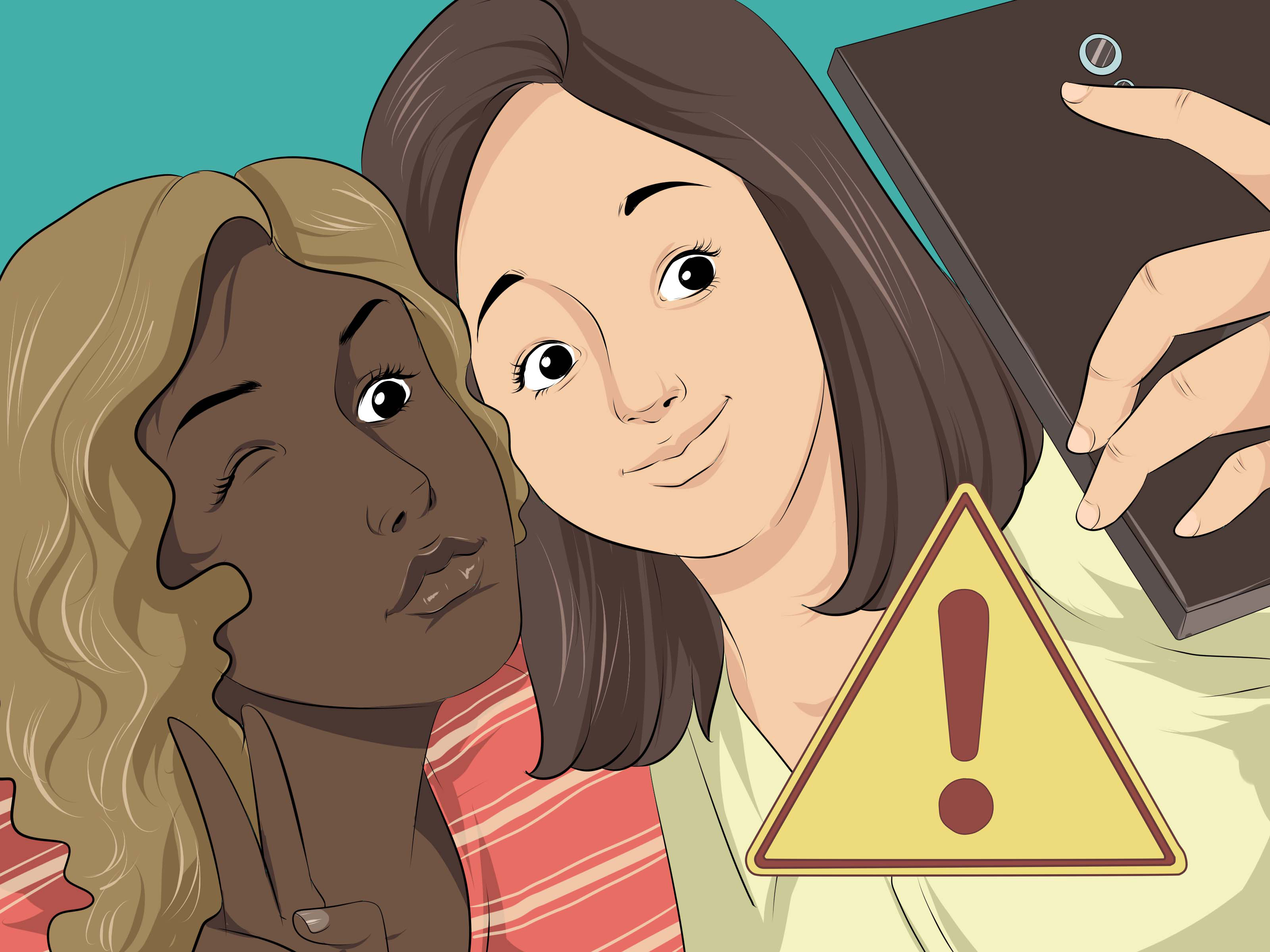
For an informal photo, keep your phone ready and your request uncomplicated:
“Would it be okay to take a quick photo with you?”
The word “quick” matters only if you mean it. Open the camera application before approaching, check that the lens is clean, turn off distracting filters, and know whether you are taking a selfie or asking someone else to hold the phone.
Do not begin adjusting twelve settings after the celebrity agrees. This is not the moment to experiment with cinematic mode, dramatic lighting, or a filter that gives everyone cartoon antlers.
Follow Photo-Op Instructions
Professional convention photo ops are usually fast-moving sessions rather than private meet-and-greets. Staff may prohibit personal cameras, autographs, gifts, videos, extended conversations, or additional poses. Listen to instructions before entering the booth and have your pose ready.
You may politely suggest a simple pose, but the guest can decline. Never grab, kiss, lift, surprise, or touch a celebrity without clear permission. A purchased photograph is permission to stand in the designated space for a picture. It is not an all-access pass to someone else’s shoulders.
Check the Photo Immediately When Allowed
For an informal selfie, glance at the image before leaving, but do not demand repeated attempts because one eyebrow looked ambitious. If the photograph is clearly unusable because the camera failed or someone walked in front of it, politely ask whether there is time for one more.
At professional photo events, report blinking, printing defects, or other obvious problems to staff immediately. Retake policies differ, so do not leave the area and return much later expecting the booth to recreate the moment.
Keep the Interaction Warm but Brief
A good celebrity encounter can last less than a minute. You can still make it memorable by mentioning one specific piece of work:
“Your performance in that final episode was fantastic. Thank you for making it so memorable.”
This sounds more sincere than shouting, “I love everything you have ever done,” especially if the celebrity politely asks which project you liked and your mind suddenly becomes an empty parking lot.
Avoid intensely personal questions, comments about appearance, gossip, controversial rumors, requests for career favors, or attempts to obtain private contact information. An autograph line is not the ideal location to pitch your screenplay, request an audition, diagnose the celebrity’s relationship, or ask them to call your cousin.
Respect Physical and Emotional Boundaries
Never assume that a celebrity is comfortable with hugging or touching. Ask before making physical contact:
“Would a hug be okay, or would you prefer a regular pose?”
Accept the answer without acting disappointed. Some celebrities limit contact for health, security, cultural, or personal reasons. Others may be managing an injury or trying to maintain consistent boundaries with hundreds of attendees.
Also respect emotional boundaries. Telling an artist that their work helped you through a difficult period can be a powerful compliment, but keep the message concise and avoid placing responsibility for your well-being on them. A thoughtful statement such as “Your music helped me during a hard year, and I wanted to thank you” communicates gratitude without turning the interaction into an unexpected counseling session.
Times When You Should Not Ask
Even the politest wording cannot rescue terrible timing. Avoid requesting an autograph or photo when a celebrity is:
- Eating a meal or carrying food to a table
- Using a restroom or entering a changing area
- Receiving medical attention
- Having an emotional or private conversation
- Managing a child who is tired or upset
- Running to catch transportation
- Working in the middle of a performance, rehearsal, or interview
- Being directed away by security
Airports and hotels deserve particular caution. Although famous people are sometimes seen there, these places often involve travel stress, private accommodations, and security concerns. Do not follow someone through a terminal, wait outside a hotel room, track a vehicle, or use online location information to engineer an encounter. That is no longer spontaneous enthusiasm; it is behavior likely to alarm the person you admire.
Be Ready to Hear “No”
A celebrity may decline for reasons that have nothing to do with you. They may be late, exhausted, ill, under contractual restrictions, concerned about starting a crowd, or following instructions from security.
The correct response is short:
“No problem. Have a good day.”
Do not argue, beg, insult the celebrity, secretly take the photo anyway, or post an angry account claiming the person “hates fans.” One declined selfie does not reveal someone’s entire personality. It reveals only that a selfie was not possible at that moment.
Handling rejection gracefully also protects your own dignity. You leave looking mature rather than becoming the subject of a security guard’s most interesting story of the afternoon.
Prepare Before Attending a Celebrity Event
Organized events are easier when you create a simple plan:
- Confirm the guest’s appearance date and schedule.
- Check whether admission, autograph, and photo tickets are sold separately.
- Read restrictions on items, poses, gifts, cameras, and personalization.
- Save digital tickets and bring a backup copy when recommended.
- Bring an acceptable payment method, including cash if the event advises it.
- Protect the item you want signed during transportation.
- Arrive early enough to find the correct line without sprinting through the venue.
Guest schedules can change because of travel delays, professional commitments, or illness. Build flexibility into your plans and check official event updates instead of relying on a screenshot from three weeks earlier.
Protect Your Autograph Afterward
Allow fresh ink to dry before placing the item in a sleeve. Smearing a long-awaited signature with your own thumb is an impressively efficient way to turn joy into tragedy.
Use acid-free sleeves, folders, frames, or storage materials when appropriate. Keep signed photographs and paper away from moisture, direct sunlight, excessive heat, and repeated handling. For valuable collectibles, consider professional framing with protective glazing or an archival storage product designed for the item.
Save receipts, event tickets, photographs from the signing, and any certificate provided. These materials can help document where the autograph came from. If authenticity or resale value matters, established third-party authentication services can examine and document signed memorabilia. Remember that a photograph of someone signing an item is useful supporting evidence, but it may not automatically replace formal authentication.
Common Celebrity-Encounter Mistakes
Recording Without Permission
Do not secretly film the interaction. Many autograph and photo-op areas prohibit personal photography, video, or audio recording. Even in public, openly asking before recording is more respectful than hiding a phone behind your tote bag.
Taking Too Much Time
Long stories delay every person in line. Prepare one compliment and one request. You are aiming for a pleasant exchange, not an unauthorized podcast episode.
Bringing an Entourage to the Table
Events may limit how many people can enter the autograph or photo area. Unless the rules permit a group, do not bring six friends forward to watch, film, and provide emotional commentary.
Giving Complicated Gifts
Some events allow small gifts at autograph tables, while others prohibit them entirely. Food and drinks are commonly rejected for safety reasons. If gifts are permitted, choose something small, appropriate, and easy to transport. Never pressure a celebrity to open or use it in front of you.
Forgetting the People Around You
Be courteous to staff members and other fans. Do not cut the line, block exits, hold spaces for a large group, or complain loudly because another fan’s interaction appeared longer. Staff members are usually managing schedules, capacity, accessibility needs, and security at the same time.
Experience-Based Scenarios: What the Moment Is Really Like
The following examples are realistic composite scenarios showing how preparation and good manners can shape a celebrity encounter.
Experience One: The Convention Autograph Line
Imagine waiting an hour to meet an actor from a science-fiction series you have loved since high school. As the line moves, you notice that some fans reach the table still searching through bags. Others begin long speeches while staff members nervously watch the clock.
You take a different approach. Before reaching the front, you remove your poster from its tube, place a sticky note on it with the correct spelling of your name, and prepare one sentence: “Your character’s story made the final season special for me.”
When it is your turn, you greet the actor, deliver the compliment, and ask whether the poster can be personalized. The actor smiles, repeats your name to confirm it, signs, and briefly comments on the episode. The entire conversation lasts perhaps forty seconds, yet it feels personal because you were calm and specific.
The lesson is not that shorter interactions are automatically better. It is that preparation creates room for a natural moment. Instead of spending your time fumbling with packaging, you spent it connecting.
Experience Two: The Unexpected Restaurant Sighting
Now imagine recognizing a famous comedian at a restaurant. The comedian is seated with two people, food has just arrived, and nobody else appears to be approaching. You would love a photo, but the setting sends a clear message: this is private time.
You decide not to interrupt. Later, as the group leaves, the comedian pauses near the entrance while waiting for a car. You approach from the front, maintain a comfortable distance, and say, “Excuse meI enjoy your work. Would this be a bad time to ask for a quick photo?”
The wording gives the person an easy way to decline. If the answer is yes, you take one prepared selfie, say thank you, and leave. If the answer is no, you smile and wish the comedian a good evening.
The key experience here is restraint. Waiting for a more appropriate momentor choosing not to ask at allshows that admiration does not have to overpower empathy.
Experience Three: The Five-Second Professional Photo Op
A first professional photo op can surprise fans because it moves quickly. You may enter a curtained area, hear a staff member call “Next,” greet the celebrity, pose, and hear the camera shutter before your nervous system has finished loading.
The best preparation is deciding on a simple pose in advance. You might request crossed arms, a superhero stance, or a standard side-by-side photograph. Ask quickly and accept any modification. Put bags and loose items where staff members direct, keep your ticket ready, and do not attempt to add an autograph request.
Although the encounter lasts only seconds, the resulting photograph can still become a favorite keepsake. The experience improves when you understand what you purchased: a polished photo, not an extended conversation.
Experience Four: When the Celebrity Says No
Suppose you meet a musician outside a venue after a show. You politely request an autograph, but the musician apologizes and says they have to leave immediately. Disappointment is natural, especially after you spent the evening carrying an album sleeve as carefully as a royal document.
You answer, “I understand. Great show tonight,” and step aside. The interaction ends without embarrassment. You may not have received a signature, but you respected the person and preserved a positive memory of the concert.
A refusal handled well is still a successful social interaction. You asked appropriately, received an answer, and behaved graciously. That is far better than obtaining a reluctant autograph after creating pressure or conflict.
Experience Five: Meeting a Childhood Hero
The most emotional encounters often involve artists whose work mattered during childhood or a difficult period. Fans sometimes worry they will cry, freeze, or forget what they planned to say. All three are possible. Human brains have strange operating hours.
Prepare a single sentence that communicates the heart of your message: “Your books helped me become a reader, and I wanted to thank you.” If you become emotional, pause and breathe. You do not need to apologize for being moved, but you also do not need to explain every painful detail behind the feeling.
A concise expression of gratitude gives the celebrity something genuine to receive. It also allows you to leave knowing you said what mattered most.
Final Thoughts
Learning how to ask a celebrity for an autograph or photo is mostly about awareness. Choose an appropriate moment, prepare your request, keep the interaction brief, follow event rules, and respect every answer. Good manners will not guarantee a signature or selfie, but they greatly increase the chance of a comfortable encounter.
The goal is not merely to collect proof that you stood beside someone famous. It is to create a positive memory without making the other person uncomfortable. Approach calmly, ask clearly, and remember that “no” is a complete answer. When the answer is “yes,” enjoy the moment instead of spending all of it wondering whether your hair looks strange. It probably looks fine.