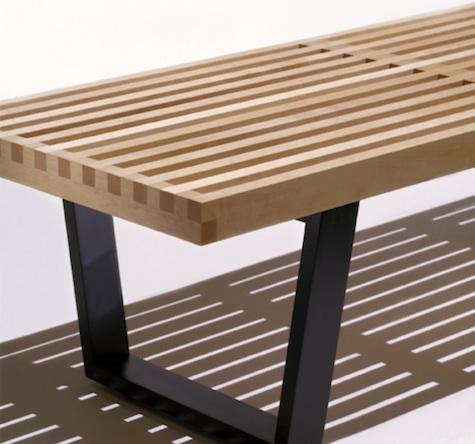
Some furniture whispers. The Herman Miller Nelson Platform Bench does not. It says, very calmly and with perfect posture, “I have been stylish for decades, and I do not need your approval.” That confidence is part of the appeal. Designed by George Nelson in the mid-1940s and still remarkably relevant today, this bench sits in that rare category of home furnishings that feel both practical and museum-worthy. It is minimal without being cold, sculptural without becoming fussy, and useful enough to keep from turning into an expensive conversation prop.
At first glance, the Nelson Platform Bench looks deceptively simple: a low slatted top, crisp lines, and a base that keeps everything visually light. But that simplicity is precisely why the piece has lasted. It works as an entryway bench, a low table, a bedroom perch, a display surface, or even a supporting element in a larger storage composition. In other words, it is one of those rare midcentury modern pieces that earns its keep instead of surviving on reputation alone.
This article takes a closer look at what makes the Herman Miller Nelson Platform Bench so enduring, how it fits into the history of modern American design, where it works best in a home, and why people still obsess over a bench that, to the untrained eye, might seem like “just a really nice piece of wood on legs.” The untrained eye, bless it, is missing the fun.
What Makes the Nelson Platform Bench So Iconic?
The magic of the Nelson Platform Bench is not loud. It does not have tufting, scrollwork, carved flourishes, or the kind of decorative drama that tries to win the room in five seconds flat. Instead, it relies on proportion, restraint, and material honesty. The slatted top gives the piece rhythm and breathability, while the low profile makes it feel grounded without appearing heavy. That balance between openness and solidity is a huge part of its charm.
More importantly, the bench reflects George Nelson’s larger design philosophy. Nelson was trained as an architect, and his furniture often carries that architectural clarity. The Platform Bench looks logical. Nothing feels arbitrary. The slats are not there for decoration alone; they help define the object’s identity and function. The structure is easy to understand at a glance, which is one reason the design still feels fresh. Good modern furniture ages better than trendy furniture because it does not depend on gimmicks. It depends on intelligent decisions.
That is also why the Herman Miller Nelson Platform Bench works in so many different interiors. In a pure midcentury modern home, it feels right at home. In a contemporary apartment, it adds warmth and history. In a more eclectic interior, it acts like a visual pause button between louder pieces. It is the design equivalent of someone who never needs to interrupt to be noticed.
The Origin Story: George Nelson, Herman Miller, and Postwar Modernism
The Nelson Platform Bench is generally associated with 1946, though some Herman Miller materials spotlight a 1947 launch. Either way, the bench belongs to the same exciting postwar moment when American design was being reimagined for modern life. Families wanted homes that felt lighter, more efficient, and less weighed down by old-fashioned furniture conventions. Designers responded by creating pieces that were adaptable, streamlined, and better suited to changing lifestyles.
George Nelson played a major role in that shift. As one of the defining figures behind Herman Miller’s modern identity, he helped push furniture away from decorative excess and toward human-centered utility. The Platform Bench captures that attitude beautifully. It was reportedly first conceived for Nelson’s own office, with the slatted form sometimes said to discourage guests from settling in too comfortably for endless chatter. Whether that origin story is embroidered slightly by design legend or not, the anecdote fits the bench’s personality perfectly: elegant, efficient, and just a little bit sly.
The bench was not only intended to stand alone. It also functioned as a foundation for Nelson’s early storage ideas and the Basic Cabinet Series, which means it was part of a broader systems-thinking approach rather than an isolated object. That is an important detail. The Herman Miller Nelson Platform Bench was never merely a place to sit. From the beginning, it was a platform in the most literal and conceptual sense: a support structure for how modern living could be organized.
Design Details That Still Matter
The Slatted Top
The slatted top is the first thing most people notice, and rightly so. It gives the bench its identity. The evenly spaced wood slats create shadow lines that add texture without clutter. This detail helps the bench feel airy, which is essential for a piece that can stretch to considerable lengths. A solid slab could look bulky. The slatted format keeps the piece visually light and architecturally crisp.
The Base Options
One reason the Nelson Platform Bench remains so versatile is that it has been offered with different base expressions. Buyers typically encounter either an ebonized wood base or slender chrome metal legs. The wood-base version tends to feel warmer, more classic, and slightly more grounded. The metal-base version introduces a leaner, more industrial flavor that works especially well in interiors that favor contrast and a little sparkle under all that disciplined geometry.
Materials and Proportions
Current authentic versions are commonly offered in woods such as natural maple or walnut, depending on configuration. The bench is also available in multiple lengths, usually 48, 60, and 72 inches, with a low height of roughly 14 inches and a depth around 18 to 18.5 inches. Those dimensions are part of the design’s brilliance. It is low enough to read as modern, substantial enough to serve as a coffee-table alternative, and long enough to feel generous without dominating a room.
Craftsmanship
The Herman Miller edition is not trying to cosplay as craftsmanship; it actually leans on it. The quality shows in the way the slats are assembled, the way the finish allows wood variation to remain visible, and the way the whole piece feels precise without looking machine-stiff. That combination of human touch and disciplined production is what separates an icon from an imitation. Plenty of benches borrow the look. Far fewer capture the poise.
Where the Herman Miller Nelson Platform Bench Works Best
One of the smartest things about this bench is that it refuses to be stuck in one role. In an entryway, it creates a clean landing zone for bags, books, and the ceremonial removal of shoes after a long day. In a living room, it can function as a low table with more personality than the average rectangular coffee table. In a bedroom, it works beautifully at the foot of the bed, adding structure without visual heaviness. In a home office, it can hold stacks of art books, samples, or a tray of objects that make the room feel intentional instead of accidentally inhabited.
Because the bench is open and low, it is particularly useful in smaller spaces where heavy case goods can make a room feel boxed in. A Nelson Platform Bench offers function without closing off sightlines. That matters more than people realize. Furniture that preserves visual openness tends to make a room feel calmer and more flexible, which is why this bench is such a favorite in modern apartments and edited interiors.
It also layers beautifully with other materials. Place it near upholstery and it introduces wood grain and structure. Pair it with stone or glass, and it softens the composition. Use it under art, and it becomes a horizontal anchor that gives the wall something to converse with. Yes, that is a dramatic sentence about a bench. But to be fair, this is not an average bench.
Is It Worth the Investment?
Let’s address the teak-colored elephant in the room: authentic Herman Miller furniture is not cheap. The Nelson Platform Bench sits firmly in investment territory, especially in longer sizes or preferred finishes. So the real question is not whether it is affordable for everyone. It is whether it delivers long-term value for buyers who care about design, craftsmanship, provenance, and versatility.
In many cases, the answer is yes. This is the kind of piece people keep for years because it adapts so well. A bench that starts life in an entry may move to a living room, then to a bedroom, then to a studio. It does not feel like a temporary solution. It feels like a permanent tool with excellent manners. That flexibility matters when evaluating investment pieces. So does authenticity. The original Herman Miller production carries the weight of a documented design legacy and a build quality that collectors, design lovers, and museums continue to respect.
There is also the intangible value of buying a piece that will not look dated in three years. Trendy furniture can be fun, but it often ages like an impulsive haircut. The Herman Miller Nelson Platform Bench, by contrast, has decades of proof behind it. It has already survived changing tastes, changing homes, and changing design cycles. Betting against it now would be like betting against plain white shirts or well-made coffee. History is not on your side.
How to Style a Nelson Platform Bench Without Making It Look Precious
The easiest styling mistake with iconic furniture is treating it like a museum relic. The Nelson Platform Bench looks best when it is actually used. That does not mean cluttering it with random nonsense until it resembles a lost-and-found table. It means giving it a role.
In an entryway, try a ceramic bowl, a folded throw, or a small stack of books with one sculptural object on top. In a living room, use a tray to corral a candle and a couple of design books, leaving enough open surface for the slats to remain visible. At the foot of a bed, keep it simple with a textile or pillow if the bench is meant for occasional seating. If you choose the optional cushion, the piece shifts more decisively toward seating while preserving its clean lines.
The bench also shines when paired with art. Lean a large framed print above it, or hang a composition that allows the long horizontal line of the bench to stabilize the wall. The result feels collected instead of staged. That is the sweet spot. The bench should look like it belongs to a real life, not a showroom that smells faintly of new catalog paper and ambition.
What to Know Before Buying
First, measure carefully. Because the bench has such a clean shape, people often underestimate how assertive a 72-inch version can feel in a room. The 48-inch length is generally the easiest fit for smaller entries or bedrooms, while the 60- and 72-inch versions make stronger statements in larger living spaces or open-plan interiors.
Second, think honestly about function. Are you buying it primarily for seating, for display, or as a low table? That answer may influence whether you prefer the wood base or metal base, and whether an optional cushion makes sense. The bare slatted top is visually gorgeous, but it remains a firm surface. That is excellent for design integrity and less excellent if you are expecting sink-in comfort.
Third, consider the surrounding palette. Natural maple tends to feel brighter and more Scandinavian-leaning, while walnut brings deeper contrast and warmth. The ebonized wood base looks more traditional within the midcentury language; the chrome base introduces a slightly lighter, more streamlined edge. Neither is wrong. It is a matter of what your room is already saying and whether you want the bench to agree politely or add a well-timed counterpoint.
Experience of Living With a Herman Miller Nelson Platform Bench
The most interesting thing about living with a Herman Miller Nelson Platform Bench is that it tends to become more useful over time, not less. At first, many people buy it for the obvious reasons: it is iconic, it looks fantastic, and it carries that unmistakable George Nelson authority. Then daily life kicks in, and the bench starts revealing why it has endured. It becomes the spot where you set down a bag without the room feeling messy. It becomes the place where a stack of books suddenly looks intentional instead of forgotten. It becomes the furniture equivalent of a good host: calm, dependable, unobtrusive, and somehow always exactly where it should be.
In an entryway, the bench creates a quiet ritual. Shoes go on, shoes come off, a tote lands for a second, keys are set into a bowl, and the house feels organized before anyone has technically “cleaned.” In a bedroom, it can serve as a landing strip for folded blankets or tomorrow’s clothes, which sounds humble until you realize how many bedroom chairs spend their lives as laundry monuments. The Nelson Platform Bench performs the same task with considerably more dignity.
In living spaces, the experience is different but just as appealing. Used as a low table, the bench gives a room structure without the visual density of a bulkier coffee table. The slats let light move through the piece, so even when it holds books, trays, or decorative objects, it rarely feels oppressive. That openness is hard to overstate. Many furniture pieces look good in photos but feel clumsy in daily life. The Nelson Platform Bench tends to do the opposite: it may look spare at first, yet it becomes more impressive the more you use it.
Another part of the experience is emotional rather than practical. A piece like this changes how a room feels because it introduces confidence. It does not beg for attention, and that restraint can be contagious. Rooms built around thoughtful pieces often end up calmer and more coherent because the furniture is not constantly shouting over itself. The bench becomes a kind of visual anchor. Once it is there, you tend to edit more carefully around it. Suddenly that overly ornate side table looks like it is trying too hard. Suddenly one well-made object feels better than three mediocre ones. That is not magic. That is good design quietly raising your standards.
There is also satisfaction in knowing the bench is part of a larger design history rather than a disposable trend cycle. Living with it can feel a bit like living with a sentence written by a great author: the wording is efficient, nothing extra sneaks in, and the result stays memorable because the form is so clear. The bench does not need to evolve with every passing home trend because it already resolved its design problem decades ago. That confidence comes through in daily use. You sit on it, style it, move it, and keep finding new reasons it works. Not bad for a piece that, on paper, is just a bench. In real life, it is a bench with range.
Final Thoughts
The Herman Miller Nelson Platform Bench remains a benchmark for what modern furniture can be when form and function are not treated like rivals. It is disciplined without being severe, useful without looking ordinary, and refined without becoming fragile. That combination is rare. Plenty of furniture pieces are attractive. Plenty are practical. Very few manage to be both while also carrying genuine design-historical significance.
For buyers who appreciate authentic midcentury modern design, the Nelson Platform Bench offers more than a famous name. It offers adaptability, craftsmanship, and a visual clarity that continues to feel right in contemporary interiors. Whether used as seating, a low table, or a sculptural anchor in a room, it earns its iconic status the old-fashioned way: by being very, very good at its job.