Hashimoto’s thyroiditis has a talent for making everyday life feel like your body forgot to read the instruction manual. One day you are powering through your schedule; the next, your energy is moving at the speed of a sleepy garden snail. Because Hashimoto’s is an autoimmune condition that can lead to hypothyroidism, many people naturally ask the same question: “What should I eat?”
The honest answer is both encouraging and slightly annoying: there is no single “Hashimoto’s thyroiditis diet” that magically repairs the thyroid, melts inflammation overnight, or turns kale into a tiny green endocrinologist. However, food can still matter a lot. A smart diet can support steady energy, healthy digestion, better medication consistency, weight management, nutrient balance, and overall immune health. In other words, diet is not the whole treatment plan, but it can be a very helpful teammate.
This guide explains what to eat, what to limit, how to think about gluten, dairy, iodine, selenium, supplements, and thyroid medication timing, plus practical meal examples you can actually use without needing a personal chef named Sebastian.
What Is Hashimoto’s Thyroiditis?
Hashimoto’s thyroiditis is an autoimmune thyroid disease. In simple terms, the immune system mistakenly targets the thyroid gland, which can gradually reduce the gland’s ability to produce thyroid hormones. When thyroid hormone levels become too low, hypothyroidism can develop. Common symptoms may include fatigue, weight gain, constipation, dry skin, hair thinning, cold sensitivity, brain fog, low mood, heavy or irregular periods, and muscle aches.
Because thyroid hormones influence metabolism, temperature regulation, digestion, heart rate, and energy, Hashimoto’s can feel like a full-body software glitch. Treatment often includes thyroid hormone replacement, commonly levothyroxine, when lab results and symptoms show hypothyroidism. Diet does not replace prescribed thyroid medication, but it can help reduce nutritional gaps and support a more stable daily routine.
Can Diet Cure Hashimoto’s?
No credible evidence shows that a specific diet can cure Hashimoto’s thyroiditis. That may sound disappointing, especially when the internet is packed with dramatic before-and-after promises, but it is also freeing. You do not need to chase every extreme food rule, fear every slice of bread, or treat dinner like a medical board exam.
The best Hashimoto’s diet is usually a personalized, nutrient-dense eating pattern that supports thyroid function, gut health, blood sugar balance, and medication absorption. For many people, that means a Mediterranean-style foundation: vegetables, fruits, lean protein, fish, beans or lentils if tolerated, whole grains if tolerated, nuts, seeds, olive oil, and mostly minimally processed foods.
Best Foods for a Hashimoto’s Thyroiditis Diet
A thyroid-friendly diet is less about eating “perfect” foods and more about building meals that help your body feel steady. Think protein, fiber, healthy fats, minerals, and colorful plants. Basically, your plate should look like it has a better work-life balance than most adults.
1. High-Quality Protein
Protein supports muscle maintenance, blood sugar control, fullness, and tissue repair. People with Hashimoto’s who are trying to manage weight, fatigue, or cravings often do better when each meal includes a protein source.
Good options include eggs, fish, chicken, turkey, lean beef, Greek yogurt, cottage cheese, tofu or tempeh if tolerated, beans, lentils, and protein-rich seeds. A simple target is to include a palm-sized portion of protein at breakfast, lunch, and dinner.
2. Selenium-Rich Foods
Selenium is important for thyroid hormone metabolism and antioxidant defense. Food sources include seafood, tuna, sardines, eggs, turkey, chicken, cottage cheese, whole grains, and Brazil nuts. Brazil nuts are famous for selenium, but they are also the overachievers of the nut world. One or two can contain a lot, so eating handfuls every day is not a smart plan.
A practical approach: include seafood once or twice a week, rotate eggs or poultry into meals, and treat Brazil nuts as an occasional small serving rather than a snack bowl situation.
3. Zinc and Iron Sources
Zinc and iron both play roles in thyroid health and energy. Low iron can also make fatigue worse, which is especially unfair when Hashimoto’s is already sitting in the corner stealing your batteries.
Zinc-rich foods include oysters, beef, crab, pumpkin seeds, chickpeas, yogurt, and cashews. Iron-rich foods include lean red meat, poultry, seafood, beans, lentils, spinach, tofu, and fortified grains. Pair plant-based iron foods with vitamin C foods, such as bell peppers, citrus, strawberries, or tomatoes, to help absorption.
4. Colorful Vegetables and Fruits
Vegetables and fruits provide fiber, antioxidants, potassium, folate, and many plant compounds that support overall health. Aim for variety: leafy greens, carrots, peppers, mushrooms, tomatoes, squash, berries, oranges, apples, and cruciferous vegetables like broccoli and cauliflower.
Cruciferous vegetables often get unfairly accused of being “bad for the thyroid.” In normal food amounts, especially cooked, they are generally healthy for most people. You do not need to break up with broccoli. Just avoid extreme raw cruciferous juicing habits unless your clinician says otherwise. Your thyroid does not need a daily gallon of raw kale juice, and frankly, neither does your personality.
5. Healthy Fats
Healthy fats support satiety and help make meals more satisfying. Choose olive oil, avocado, nuts, seeds, fatty fish, and nut butters. Fatty fish such as salmon, sardines, and trout also provide omega-3 fats, which fit well into an anti-inflammatory eating pattern.
6. Fiber-Rich Carbohydrates
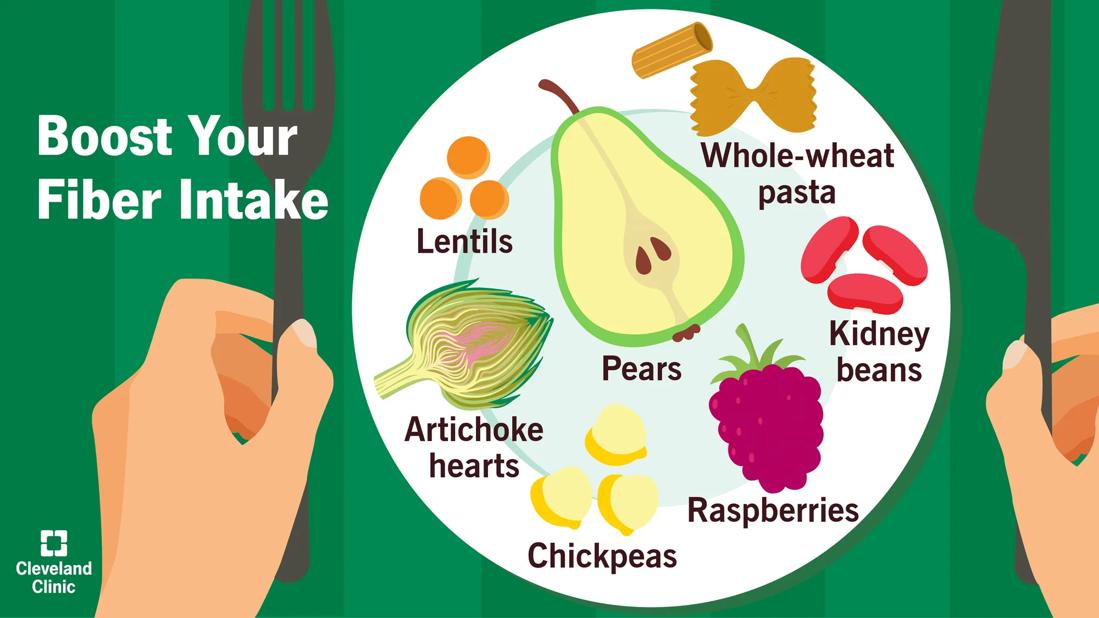
Carbohydrates are not automatically the villain. Many people with Hashimoto’s do well with high-fiber carbs, especially when paired with protein and fat. Consider oats, quinoa, brown rice, sweet potatoes, beans, lentils, berries, apples, and vegetables.
If you notice that large portions of refined carbohydrates make you sleepy or hungry again quickly, try building a more balanced plate: half vegetables, one-quarter protein, and one-quarter high-fiber carbohydrate.
Foods to Limit With Hashimoto’s Thyroiditis
“Limit” does not always mean “never eat again while staring sadly through a bakery window.” It means certain foods may be less helpful when eaten often or in large amounts.
Highly Processed Foods
Packaged snacks, sugary cereals, fast food, sweetened drinks, and refined desserts can crowd out the nutrients your thyroid and immune system need. They may also worsen blood sugar swings, cravings, and weight management challenges. You do not need to live like a monk, but your daily routine should not be built entirely from drive-through windows and emergency cookies.
Excess Iodine and Kelp Supplements
Iodine is required to make thyroid hormones, but more is not always better. People with Hashimoto’s may be sensitive to excess iodine. Large amounts from kelp, seaweed supplements, iodine drops, or “thyroid support” formulas can worsen thyroid problems in some people. Use iodized salt in normal amounts if recommended for your situation, but avoid high-dose iodine supplements unless your clinician specifically prescribes them.
Alcohol and Excess Added Sugar
Alcohol and added sugar do not directly “cause” Hashimoto’s, but frequent intake can make energy, sleep, weight, digestion, and inflammation harder to manage. For many people, reducing sugary drinks, desserts, and alcohol improves how they feel within a few weeks.
Should You Go Gluten-Free for Hashimoto’s?
This is one of the biggest Hashimoto’s diet questions. The answer depends on the person.
If you have celiac disease, gluten must be avoided completely. Hashimoto’s and celiac disease are both autoimmune conditions, and they can occur together more often than chance alone would predict. If you have symptoms such as chronic diarrhea, bloating, unexplained anemia, weight loss, mouth ulcers, nutrient deficiencies, or a family history of celiac disease, ask your clinician about testing before removing gluten. Testing is more accurate when you are still eating gluten.
If you do not have celiac disease, a gluten-free diet is not automatically required. Some people report feeling better without gluten, possibly because they reduce ultra-processed foods or identify a personal sensitivity. Others feel no difference and simply spend more money on tiny loaves of bread with the emotional texture of a packing sponge. A reasonable approach is to discuss testing first, then try a structured elimination and reintroduction plan with guidance if symptoms suggest gluten may be an issue.
Should You Avoid Dairy?
Dairy is another common topic. Some people with Hashimoto’s tolerate dairy well; others notice bloating, acne, congestion, or digestive discomfort. Dairy can provide protein, calcium, iodine, and vitamin D when fortified, so there is no universal need to avoid it.
If dairy bothers you, try lactose-free Greek yogurt, kefir, or dairy-free alternatives fortified with calcium and vitamin D. If dairy does not bother you, there is no strong reason to remove it just because a dramatic wellness influencer said cheese is “toxic.” Cheese has survived centuries. It deserves a fair trial.
Thyroid Medication Timing: The Diet Detail People Miss
One of the most important diet-related issues in Hashimoto’s is not what you eat, but when you eat around thyroid medication. Levothyroxine is usually taken on an empty stomach with water, commonly 30 to 60 minutes before breakfast. Calcium supplements, iron supplements, antacids, and some foods can interfere with absorption, so many clinicians recommend separating them from levothyroxine by several hours.
Consistency is key. If your medication routine changes from “empty stomach at 7 a.m.” to “with coffee sometimes, with breakfast sometimes, and once with a smoothie because mornings are chaos,” your lab results may become harder to interpret. Ask your healthcare provider or pharmacist for a schedule that works with your real life.
A Simple Hashimoto’s Diet Meal Plan Example
Here is a practical one-day example. Adjust portions, food choices, and restrictions based on your needs, allergies, medication schedule, and professional advice.
Breakfast
Greek yogurt with blueberries, chia seeds, and walnuts. If you avoid dairy, choose a fortified unsweetened dairy-free yogurt and add a boiled egg or protein smoothie for extra protein.
Lunch
Salmon salad bowl with mixed greens, roasted sweet potato, cucumber, avocado, olive oil, lemon juice, and pumpkin seeds. This meal provides protein, fiber, healthy fats, selenium, zinc, and antioxidants.
Snack
Apple slices with almond butter, or carrots with hummus. Simple, filling, and unlikely to require a culinary degree.
Dinner
Turkey chili with beans, tomatoes, peppers, onions, and spices, served with a side salad. If beans cause digestive issues, try a smaller portion or swap for extra vegetables and lean protein.
Supplements: Helpful or Hype?
Supplements can be useful when a real deficiency exists, but random supplement stacking can backfire. Common nutrients discussed with Hashimoto’s include vitamin D, selenium, zinc, iron, magnesium, B12, and iodine. The right choice depends on your labs, diet, symptoms, and medications.
Be especially cautious with “thyroid support” supplements. Some contain high iodine, glandular extracts, or hidden active ingredients that may interfere with treatment. Before taking selenium, iodine, iron, or high-dose vitamin D, ask your clinician whether testing is needed and what dose is safe. More is not better; more is just more, and sometimes more is a problem wearing a wellness label.
Lifestyle Habits That Support a Hashimoto’s Diet
Food works better when the rest of life is not constantly throwing confetti into the engine. Sleep, stress, movement, hydration, and meal timing all matter.
Gentle strength training can help preserve muscle and support metabolism. Walking after meals may improve digestion and blood sugar control. A consistent sleep schedule can support energy and appetite regulation. Stress management also matters because chronic stress can make fatigue, cravings, and inflammation feel worse.
You do not need perfection. Start with repeatable habits: a protein-rich breakfast, vegetables at two meals, a regular medication routine, and a bedtime that does not involve scrolling until your phone judges you.
Common Mistakes to Avoid
Mistake 1: Cutting Too Many Foods at Once
Eliminating gluten, dairy, soy, grains, legumes, eggs, nightshades, sugar, caffeine, and joy all at the same time can make eating stressful and nutritionally incomplete. Use targeted changes instead of panic-based restriction.
Mistake 2: Taking Iodine Without Guidance
High-dose iodine can worsen thyroid dysfunction in some people with autoimmune thyroid disease. Do not assume kelp capsules are harmless just because they came from the ocean and have earthy packaging.
Mistake 3: Ignoring Medication Absorption
A perfect diet cannot compensate for inconsistent thyroid medication absorption. If you take levothyroxine, learn what timing your clinician recommends and follow it consistently.
Mistake 4: Expecting Instant Results
Diet changes often take weeks or months to show meaningful effects. Energy, digestion, weight, and symptoms can improve gradually. Keep notes so you can identify patterns instead of relying on memory, which Hashimoto’s brain fog may have politely misplaced.
Real-Life Experiences With a Hashimoto’s Thyroiditis Diet
Living with Hashimoto’s can feel like becoming a detective in your own kitchen. Many people start with one big goal: “I just want to feel normal again.” That is understandable. Fatigue, bloating, weight changes, dry skin, constipation, and brain fog can make ordinary tasks feel unnecessarily dramatic. The challenge is that Hashimoto’s does not respond to one universal diet script. What helps one person may do very little for another, which is why personal experimentation matters.
One common experience is discovering that breakfast makes a bigger difference than expected. A person who used to grab coffee and toast may feel shaky, hungry, and tired by midmorning. When they switch to eggs with vegetables, Greek yogurt with berries, or a protein smoothie with chia seeds, the day may feel steadier. This does not mean toast is evil. It means protein and fiber often help energy last longer.
Another real-world lesson involves gluten. Some people remove gluten and notice less bloating, fewer stomach issues, or improved energy. Others remove gluten and notice only that gluten-free bread can be expensive and emotionally confusing. The most useful approach is not to copy someone else’s rulebook, but to track symptoms carefully. If gluten seems suspicious, talk with a clinician about celiac testing first, then consider a structured trial.
Dairy can be similar. Some people feel better switching from regular milk to lactose-free yogurt or fortified almond milk. Others tolerate dairy perfectly and benefit from its protein and calcium. The goal is not to win a purity contest. The goal is to build a diet that supports your body, your labs, your digestion, and your actual life.
Medication timing is another experience many people underestimate. Someone may eat well but take levothyroxine with coffee, calcium, or breakfast and then wonder why their thyroid labs keep wobbling. Once they create a consistent morning routinemedicine with water, breakfast later, supplements separatedtheir provider may have a clearer picture of whether the dose is right.
The emotional side also matters. Hashimoto’s diet advice online can be intense. People may feel guilty for eating a sandwich or anxious about restaurant meals. A healthier mindset is to focus on repeatable patterns: mostly whole foods, enough protein, colorful plants, safe supplement use, and consistent medication habits. Birthday cake, travel meals, and imperfect Tuesdays are allowed. A sustainable Hashimoto’s diet should reduce stress, not become a second autoimmune condition called “fear of lunch.”
Many people find success by changing one habit at a time. Week one: take medication consistently. Week two: add protein to breakfast. Week three: cook two simple dinners at home. Week four: reduce sugary drinks. Small improvements stack up. Over time, these habits can support steadier energy, better digestion, easier weight management, and a greater sense of control.
Conclusion
The best Hashimoto’s thyroiditis diet is not a miracle cure, a punishment plan, or a suspiciously expensive cleanse. It is a thoughtful, nutrient-rich eating pattern designed to support thyroid treatment, reduce nutritional gaps, stabilize energy, and make daily life easier. Focus on protein, colorful plants, healthy fats, fiber-rich carbohydrates, selenium-containing foods, and safe iodine intake. Be careful with high-dose supplements, extreme elimination diets, and anything that promises to “reverse Hashimoto’s” by next Thursday.
Most importantly, personalize your plan. Work with your healthcare provider, monitor your thyroid labs, check for deficiencies when appropriate, and pay attention to how your body responds. Hashimoto’s can be frustrating, but your diet does not need to be. Build meals that are nourishing, realistic, and enjoyable enough to repeatbecause the best thyroid-friendly diet is the one that supports your health without stealing all the fun from your fork.