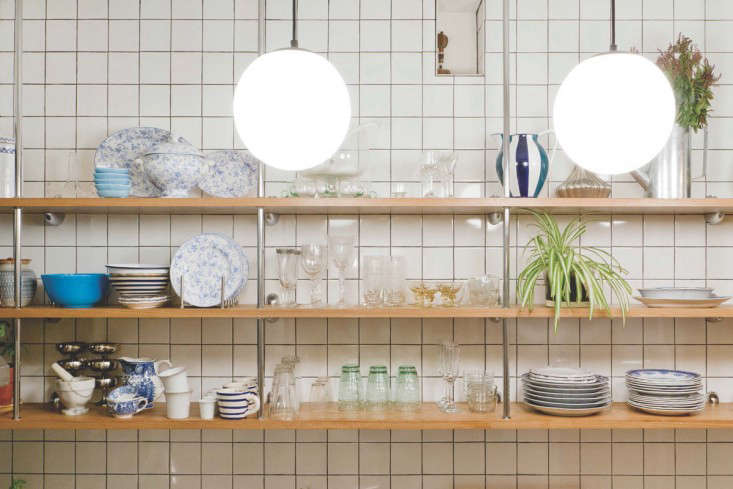
Floating shelves look effortless, which is exactly why they make homeowners suspicious. A shelf that appears to hover politely on the wall while holding cookbooks, ceramics, framed photos, or that one decorative bowl nobody is allowed to touch must be hiding some clever engineering. That is where the Häfele Shelf Suspension System comes in.
Häfele is known for furniture fittings, architectural hardware, cabinet hardware, lighting solutions, and space-saving interior systems. Its concealed shelf support hardware fits neatly into that world: small metal parts that do not shout for attention, but quietly do the important job of keeping a shelf level, secure, and visually clean. In other words, it is the behind-the-scenes stage crew of modern shelving.
This guide explains what the Häfele Shelf Suspension System is, how it works, where it makes sense, what to check before installation, and how to avoid turning a beautiful floating shelf into a dramatic gravity demonstration.
What Is the Häfele Shelf Suspension System?
The Häfele Shelf Suspension System generally refers to Häfele’s concealed shelf support hardware used for wall-mounted or cabinet-mounted shelves. Instead of a visible L-bracket underneath the shelf, the support pin or bracket is mounted into the wall, cabinet side, or supporting structure, while the shelf itself is drilled or routed to slide over the support.
The result is a clean floating shelf effect. From the front, you mainly see the shelf. The hardware hides inside the board like a magician who refuses to explain the trick.
Häfele offers several shelf support styles, including concealed shelf supports with screw-on plates, support pins, eccentric sleeves, and adjustment features. Some versions are designed for wall mounting, while others are better suited for cabinetry, closets, pantry shelving, office furniture, or display units.
Why Designers and Cabinetmakers Like It
The big advantage is visual simplicity. In modern interiors, shelves are often used not only for storage but also as architectural lines. A chunky bracket can interrupt the look, especially in kitchens, bathrooms, retail displays, home offices, and minimalist living rooms.
A concealed shelf support creates a cleaner finish. It works especially well with thick wood shelves, engineered panels, floating display ledges, built-in cabinetry, and custom millwork. When installed correctly, the support system gives the shelf a crisp, intentional appearance rather than the “I found this bracket in the garage” look.
Common Uses
- Floating kitchen shelves for dishes, mugs, or dry goods
- Bathroom shelves for towels, candles, and small storage baskets
- Living room display shelves for books, art, and collectibles
- Retail display shelving where visible hardware would distract from products
- Closet and wardrobe shelving in custom storage systems
- Office shelves for files, supplies, or decor
Key Features of Häfele Concealed Shelf Supports
Although exact details vary by part number, many Häfele concealed shelf supports share a few important characteristics. They are usually made from steel, often with a zinc-plated or galvanized finish, and are designed to be mounted with screws into a supporting structure. The shelf is drilled so the metal support slides inside it.
Some models include adjustment options. This matters because walls are rarely perfect, shelves are rarely drilled by angels, and even a tiny tilt can make a floating shelf look like it is quietly judging the installer.
| Feature | Why It Matters |
|---|---|
| Concealed mounting | Creates a clean floating shelf look without visible brackets. |
| Steel construction | Provides strength and durability for properly planned shelving. |
| Zinc-plated or galvanized finish | Helps protect the hardware from corrosion in normal indoor use. |
| Minimum shelf thickness requirement | Ensures the shelf has enough material to receive the support securely. |
| Adjustment capability | Allows fine-tuning for height, side alignment, or tilt depending on the model. |
| Maximum spacing between supports | Helps prevent sagging and improves load distribution. |
Understanding Load Capacity
Load capacity is where many people get a little too optimistic. A concealed shelf support may be strong, but the final shelf strength depends on the full installation: wall type, fasteners, shelf depth, shelf thickness, support spacing, board material, and what you plan to put on it.
Häfele product literature for certain concealed shelf supports lists load capacity in relation to shelf depth and support spacing. A shallow shelf can usually carry more load than a deeper one because leverage is lower. As shelf depth increases, the force pulling on the wall and support increases. This is why a 7-inch display shelf and a 12-inch cookbook shelf are not the same animal.
A practical rule: use the manufacturer’s specifications for the exact part number, then be conservative. If the shelf will hold heavy dinner plates, books, tools, or small appliances, do not treat it like a decorative picture ledge. Gravity has no sense of interior design.
Shelf Thickness and Depth: The Details That Save the Project
Many Häfele concealed shelf supports require a minimum shelf thickness, often around 24 mm or greater for specific models. That thickness allows the support rod or pin to sit inside the shelf without breaking through the top or bottom surface. Thin boards may look elegant online, but if they cannot accept the hardware safely, they are better suited for lighter bracket systems.
Shelf depth also matters. The deeper the shelf, the more leverage it creates. If a support system is rated for a maximum shelf depth, respect that limit. A deeper shelf loaded at the front edge can put heavy stress on the wall and mounting plate. That is how a shelf goes from “floating” to “falling with confidence.”
Good Shelf Materials
Solid hardwood, quality plywood, and dense engineered wood panels often work well when properly drilled and installed. Soft, crumbly, or low-density material may not hold the support as cleanly, especially if the shelf is expected to carry weight. For custom work, cabinet-grade plywood with a finished veneer can be a smart option because it balances strength, stability, and appearance.
Installation Basics
Installing a Häfele shelf suspension support is not complicated in theory, but it rewards accuracy. The process usually involves marking the shelf location, locating studs or a secure supporting structure, mounting the screw-on plate or support, drilling the shelf to the required diameter and depth, sliding the shelf onto the support, then adjusting alignment if the model allows it.
Step 1: Plan the Shelf Location
Start with the room layout. Decide whether the shelf is decorative, functional, or both. In a kitchen, confirm that cabinet doors, range hoods, faucets, and backsplash outlets will not interfere. In a bathroom, think about moisture and daily use. In a living room, stand back and check the visual height before drilling. A shelf that is technically level but visually awkward still feels wrong.
Step 2: Find a Strong Mounting Point
For wall-mounted shelves, studs are your best friend. Drywall alone is not a structural hero. Masonry walls may require appropriate wall plugs or anchors. Cabinet installations need solid side panels, backs, or reinforced structures. The support is only as strong as the material holding it.
Step 3: Drill Accurately
Concealed supports require accurate holes in the shelf. Use the correct drill diameter and depth for the part number. Keep the drill straight. A drill press, jig, or guide can help, especially when working with expensive wood. Eyeballing it is fine for hanging a poster; it is less charming when the shelf points slightly toward the floor like it has lost hope.
Step 4: Test Fit Before Final Loading
Slide the shelf onto the supports and check the fit. Adjust height, side position, or inclination if the hardware includes those options. Confirm that the shelf sits flush to the wall and does not wobble. Only after the shelf is secure should you add weight gradually.
Advantages of the Häfele Shelf Suspension System
The main benefit is aesthetics. A properly installed Häfele shelf support gives a smooth, built-in look that works beautifully in contemporary, transitional, Scandinavian, Japandi, modern farmhouse, and luxury minimalist interiors.
Another advantage is adjustability. Some concealed support systems allow installers to correct small alignment issues after mounting. That can save time during installation and prevent the dreaded remove-redrill-regret cycle.
Durability is also a selling point. Steel shelf supports are far more confidence-inspiring than flimsy plastic pegs, especially in furniture, cabinets, and shelving that will be used every day. For cabinetmakers and contractors, consistent hardware also helps create repeatable results across multiple shelves or rooms.
Limitations to Know Before Buying
The Häfele Shelf Suspension System is not magic, even though the shelf may look like it is floating. It has limits. It may not be the best choice for very thin shelves, extremely deep shelves, weak wall assemblies, rental walls where drilling is restricted, or heavy-duty storage where visible steel brackets would be more appropriate.
It also requires precision. If the shelf holes are misaligned, the shelf may not slide on smoothly. If the mounting plates are not level, the shelf will show it. If the wall bows or waves, the back edge may not sit cleanly. Concealed hardware is elegant, but it is not forgiving in the way a large decorative bracket can be.
Häfele Shelf Suspension System vs. Standard Shelf Brackets
Standard shelf brackets are easier to see, easier to access, and often easier for beginners to install. They are a good choice for garages, utility rooms, laundry rooms, workshops, or rustic interiors where the bracket is part of the look.
Häfele concealed shelf supports are better when appearance matters. They are ideal for finished interiors where the shelf should look integrated into the wall or cabinetry. Think open kitchen shelving, boutique displays, built-in niches, floating nightstands, and clean office storage.
The decision is not about which system is universally better. It is about the job. A visible bracket is like a pickup truck: practical, sturdy, not trying to be mysterious. A concealed support is like a tailored suit: cleaner, sharper, and less forgiving if the measurements are wrong.
Choosing the Right Häfele Shelf Support
Before ordering hardware, identify the exact use case. Are you mounting into wood, masonry, or cabinet panels? How thick is the shelf? How deep is it? How much weight will it carry? Will it need side, height, or tilt adjustment? Does the shelf need to be removable later?
Check the part number carefully. Häfele’s shelf support range includes multiple models with different dimensions, mounting methods, and adjustment features. A support that looks similar in a product image may not behave the same in the real world. The tiny details matter, especially when the shelf is already drilled.
Pre-Purchase Checklist
- Confirm shelf thickness meets the minimum requirement.
- Confirm shelf depth is within the recommended range.
- Check maximum spacing between supports.
- Verify wall or cabinet structure can handle the load.
- Choose proper screws, anchors, or wall plugs for the surface.
- Use the manufacturer’s drilling dimensions for the exact part number.
- Plan for at least two supports on most floating shelves.
Design Ideas for Häfele Floating Shelves
In kitchens, Häfele concealed shelf supports pair well with thick white oak shelves, walnut shelves, painted MDF ledges, or matching cabinet-finish panels. Use them above a coffee bar, beside a range hood, or near a prep area for frequently used dishes.
In bathrooms, floating shelves can hold rolled towels, glass jars, and small plants. Choose moisture-resistant finishes and avoid overloading the shelf with heavy items. In living rooms, concealed supports create a gallery-like display for framed art, ceramics, and books. In offices, they can hold supplies while keeping the workspace visually calm.
For retail, the system is useful because the productnot the bracketgets the attention. A floating shelf filled with candles, cosmetics, accessories, or small packaged goods looks polished and intentional.
Maintenance and Long-Term Care
Once installed, the shelf should be checked occasionally. Look for sagging, movement, cracks around the shelf holes, loose screws, or gaps between the shelf and wall. If the shelf begins to tilt, remove the load and inspect the support before continuing to use it.
Clean the shelf according to the shelf material, not the hidden hardware. Avoid soaking wood shelves. In humid spaces, make sure finishes are sealed. If a shelf is in a kitchen, wipe grease and dust regularly so the beautiful floating effect does not become a sticky dust museum.
Real-World Experiences With the Häfele Shelf Suspension System
The first thing many installers notice about a Häfele shelf suspension setup is that the hardware looks smaller than the job it performs. That can feel strange at first. You hold a compact steel support in your hand, look at the shelf, look back at the support, and briefly wonder whether physics has filed a complaint. But once the support is mounted into a solid structure and the shelf slides on correctly, the concept makes sense: the strength comes from good engineering, proper spacing, accurate drilling, and a dependable wall or cabinet frame.
In kitchen projects, the most common experience is that planning matters more than strength alone. A homeowner may want a long floating shelf for plates, bowls, and jars. The shelf may look simple in a design photo, but the installer has to consider studs, backsplash tile, range hood clearance, shelf thickness, and how much weight will sit near the front edge. When those details are handled early, the finished shelf looks custom and calm. When they are ignored, the project becomes a tiny construction soap opera with dust.
Cabinetmakers often appreciate the adjustability of certain Häfele supports. Walls are not always square, cabinet panels may vary slightly, and even careful drilling can produce small alignment differences. A support with height or inclination adjustment gives the installer room to fine-tune the shelf after mounting. That small feature can be the difference between “perfect” and “why does the left side look tired?”
DIY users usually learn two lessons quickly. First, a stud finder is not optional when mounting to drywall over framing. Second, drilling straight holes into the shelf is absolutely critical. If the hole angle is off, the shelf may bind, sit proud of the wall, or refuse to slide into place. Many experienced users make a test piece before drilling the final shelf, especially when working with walnut, oak, or expensive finished panels. It is much better to make a mistake on scrap wood than on the board you already bragged about buying.
Another real-world observation is that concealed shelf supports reward restraint. They are excellent for display shelves, everyday kitchen storage, towels, decor, and moderate household loads. They are not a license to stack a full encyclopedia collection on a 12-inch-deep shelf and hope for the best. Keep the load balanced, avoid placing the heaviest objects at the outer edge, and follow the hardware specifications. A floating shelf should inspire admiration, not nervous applause.
Overall, the Häfele Shelf Suspension System works best for people who want a clean design and are willing to measure carefully. It is not the fastest shelving method, but it produces a refined result that visible brackets often cannot match. The secret is simple: choose the right part, respect the structure, drill accurately, and do not ask a decorative shelf to do warehouse duty.
Conclusion
The Häfele Shelf Suspension System is a smart solution for clean, modern, wall-mounted shelving. Its concealed design helps shelves look built-in, minimal, and intentional, while steel construction and adjustment features provide practical support when installed correctly.
The best results come from careful planning. Check the exact part number, shelf thickness, shelf depth, support spacing, wall type, and expected load before drilling. Use solid anchoring, follow manufacturer dimensions, and test the shelf before loading it. Done right, Häfele shelf supports can give kitchens, bathrooms, offices, closets, and retail spaces a polished floating shelf look without bulky visible hardware.
Note: Always verify the latest Häfele specifications for the exact shelf support model before installation, because load ratings, drilling dimensions, and adjustment features vary by product.