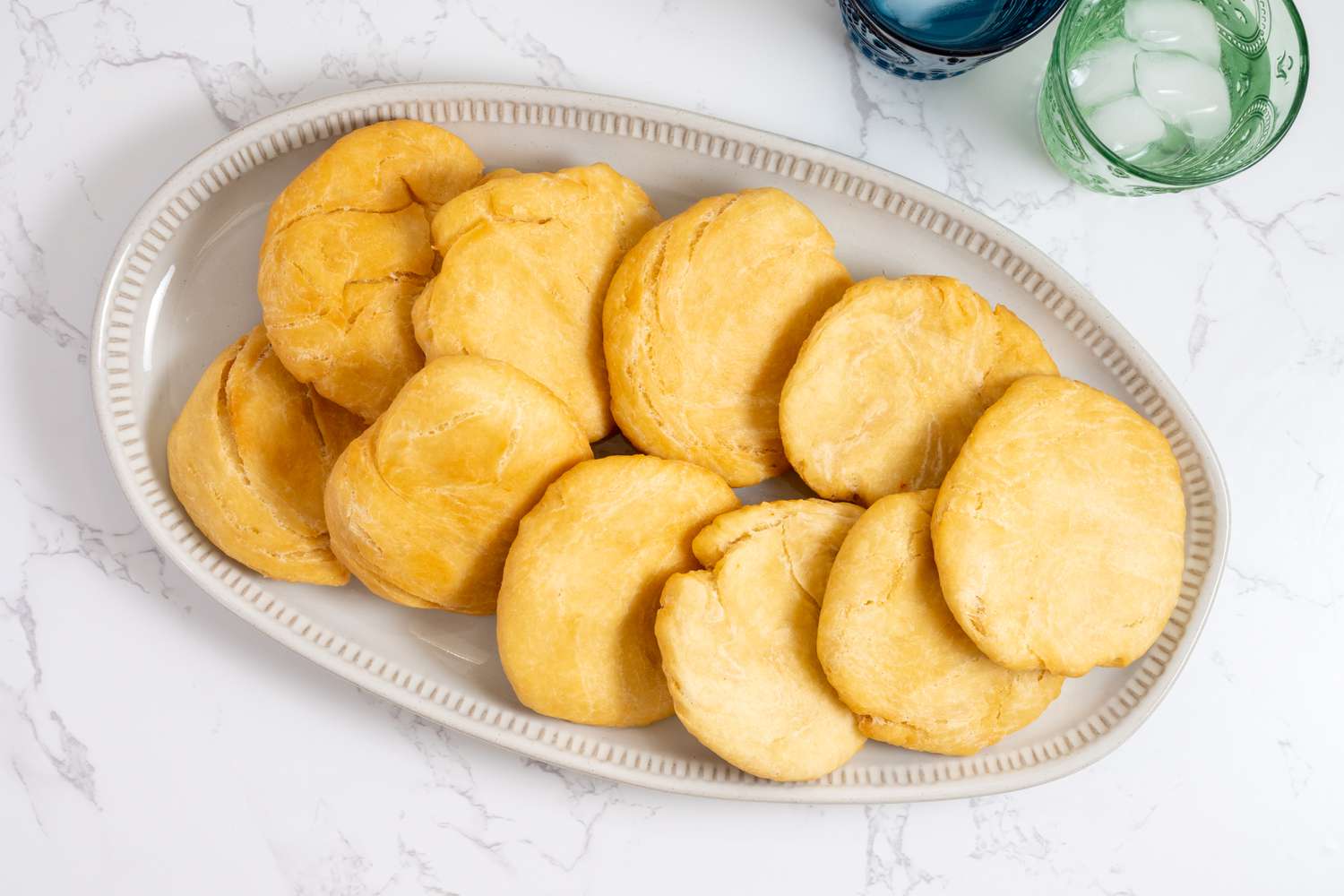
There are some foods that walk into breakfast like they own the place, and Guyanese fried bakes are definitely one of them. Golden, puffy, slightly crisp on the outside, and tender in the middle, these beloved rounds of fried dough are the kind of thing that can make an ordinary morning feel suspiciously festive. They are simple enough for a relaxed weekend breakfast, but good enough to make people hover near the stove asking, “Is the next one mine?”
If you have never made a Guyanese fried bakes recipe before, think of it as the sweet spot between comfort food and kitchen magic. The dough is made with pantry basics, yet it transforms in hot oil into something airy, warm, and deeply satisfying. In many Guyanese and Caribbean homes, fried bakes, also called Guyanese floats, show up with sautéed saltfish, eggs, cheese, jam, or just a hot cup of tea. They are flexible, humble, and dangerously easy to love.
This version keeps the spirit of the traditional bake while making the method clear for home cooks who want reliable results. The goal is not a dense, heavy disk that sits on the plate like a paperweight with ambitions. The goal is a soft, puffy bake with a beautiful golden finish and a center that is ready to be torn open, filled, and admired for at least three dramatic seconds before being eaten.
What Are Guyanese Fried Bakes?
Guyanese fried bakes are a classic fried bread made from flour, baking powder, salt, a little fat, water, and often a touch of sugar. Despite the name, they are not baked in the oven. They are fried until they puff and float, which is exactly why many people call them floats. That name is not just cute. It is accurate, efficient, and frankly a pretty strong branding decision.
What makes them special is the texture. A good bake has a lightly crisp exterior with a soft, fluffy interior that can be split open for fillings or served as a side. They are usually part of breakfast, but they can absolutely drift into brunch, lunch, or late-night snack territory without apology. Their flavor is mild and slightly savory, with enough warmth and richness to pair with both sweet and salty toppings.
Why This Guyanese Fried Bakes Recipe Works
This recipe works because it respects the small details that matter. The dough stays soft, which helps the finished bakes puff rather than fight back. A little fat is rubbed into the flour, which keeps the texture tender. The dough is kneaded just enough to become smooth, then rested so the flour hydrates and the gluten relaxes. That resting step is not kitchen drama. It is the difference between dough that rolls easily and dough that behaves like it has unresolved emotional issues.
Oil temperature matters too. If the oil is too cool, the bakes absorb too much oil and become greasy. If it is too hot, the outside browns too quickly before the inside finishes cooking. Keeping the oil in the sweet spot gives you the classic result: puffed, golden, airy, and ready for breakfast glory.
Guyanese Fried Bakes Recipe
Ingredients
- 3 cups all-purpose flour
- 1 tablespoon baking powder
- 1 teaspoon fine salt
- 2 tablespoons granulated sugar
- 2 tablespoons unsalted butter, margarine, or lard, softened
- 1 to 1 1/4 cups warm water
- Neutral oil for frying, such as canola or vegetable oil
Optional Flavor Add-Ins
- 1/4 teaspoon ground cinnamon for a slightly sweet breakfast version
- Use part milk or coconut milk instead of some of the water for a richer dough
How to Make Guyanese Fried Bakes
- Mix the dry ingredients. In a large bowl, whisk together the flour, baking powder, salt, and sugar until evenly combined.
- Rub in the fat. Add the butter, margarine, or lard and rub it into the flour with your fingertips until the mixture looks sandy and crumbly.
- Add warm water gradually. Pour in the warm water a little at a time, mixing until a soft dough forms. You may not need all of it, so go slowly.
- Knead the dough. Turn the dough onto a lightly floured surface and knead for about 3 to 5 minutes, until smooth and soft. It should feel supple, not stiff.
- Let it rest. Cover the dough with a clean towel or plastic wrap and let it rest for 30 minutes. This makes it easier to roll and improves the final texture.
- Divide and shape. Cut the dough into 6 equal pieces and shape each piece into a ball. Let them rest for another 5 to 10 minutes if you have time.
- Roll them out. On a lightly floured surface, roll each ball into a round about 1/4 inch thick. Keep the thickness even, but you can make the edges slightly thinner to encourage puffing.
- Heat the oil. Pour about 2 to 3 inches of oil into a deep pot or heavy skillet. Heat to 350°F to 365°F.
- Fry. Carefully place one round into the oil. As it fries, spoon a little hot oil over the top to help it puff. Fry until golden, about 1 to 2 minutes per side.
- Drain and serve. Remove the bake with a slotted spoon and drain on a wire rack or paper towels. Repeat with the remaining dough. Serve warm.
Tips for Soft, Puffy, Golden Bakes
1. Keep the dough soft
The dough should be soft and smooth, not dry and tight. A stiff dough usually leads to dense bakes. Add water gradually, but do not be afraid of a dough that feels a little tender. That softness is part of the magic.
2. Do not skip the rest
Resting the dough gives the flour time to absorb moisture and allows the gluten to relax. That means easier rolling, better puffing, and a softer final texture. In other words, the dough needs a little quiet time, and honestly, who doesn’t.
3. Use enough oil
Shallow frying can work, but the bakes puff more dramatically when they have enough hot oil around them. You do not need a cauldron worthy of a movie villain, but you do need enough depth for the dough to fry properly.
4. Watch the temperature like it owes you money
A thermometer helps. Aim for 350°F to 365°F. If the oil drops too low, the bakes soak up oil. If it climbs too high, the outside darkens before the center is fully cooked. Fry one or two at a time so the oil temperature stays steady.
5. Baste while frying
A spoonful of hot oil over the top of the dough can help it swell into that airy, balloon-like shape people love. This step is small, but it can make a big difference in how beautifully the bake puffs.
6. Drain properly
Let the fried bakes drain on a wire rack if possible. Paper towels work too, but a rack helps keep the bottoms from steaming and softening too much. Crispness is precious. Protect it.
What to Serve With Guyanese Fried Bakes
One of the best things about this Caribbean fried bread is how versatile it is. It plays very well with savory fillings, but it is not above hanging out with butter and jam either.
Savory ideas
- Sautéed saltfish
- Scrambled eggs with pepper and onion
- Sharp cheddar or processed cheese slices
- Corned beef
- Avocado and tomato
- Smoked herring or tuna salad
Sweet ideas
- Butter and jelly
- Honey
- Guava jam
- Powdered sugar for a playful breakfast twist
If you are building a full breakfast, pair the bakes with a mug of tea, fresh fruit, or a spicy fish dish. If you are being realistic about life, one hot bake torn open with butter is also a completely respectable plan.
Common Mistakes to Avoid
Making the dough too dry
If your dough feels tough before frying, it is probably heading toward a tough result. Soft dough produces softer bakes.
Over-kneading
You want smooth dough, not a full workout routine. Over-kneading can make the dough tighter and harder to roll.
Rolling too thin
If the dough is paper-thin, it may crisp up too much and lose that soft center. Aim for about 1/4 inch.
Crowding the pan
Too many bakes at once can drop the oil temperature fast. That is how you end up with oily bread and disappointment.
Serving them cold
They are best warm. Still tasty later, yes. But at their peak, these bakes are warm, fragrant, and just begging to be split open.
Storage and Reheating
Fresh is best, but leftovers are absolutely manageable. Let the bakes cool completely, then store them in an airtight container at room temperature for up to 1 day or in the refrigerator for 2 to 3 days.
To reheat, warm them in a 300°F oven for about 5 to 8 minutes, or heat briefly in a skillet. A microwave works in a pinch, but it can soften the exterior more than you might want. The oven is your friend if you are chasing that just-fried energy.
Variations on the Classic
Sweet Guyanese bakes
Add a little extra sugar and a pinch of cinnamon or nutmeg for a sweeter version that is perfect with tea.
Coconut milk bakes
Replace some of the water with coconut milk for a richer flavor and softer crumb.
Stuffed bakes
Some cooks fill the dough with seasoned saltfish or corned beef before frying. It is more work, yes, but it is also the kind of idea that makes people suddenly very interested in breakfast.
The Experience of Making and Eating Guyanese Fried Bakes
There is something deeply satisfying about making Guyanese fried bakes that goes beyond the recipe itself. It starts with the dough, which looks plain and modest in the bowl, as if it has not yet realized it is about to become the star of the table. Then you knead it, cover it, and wait. That little pause changes the mood of the whole process. The kitchen slows down. The dough relaxes. The cook gets a moment to breathe, tidy up, or plan the filling. It is one of those recipes that quietly teaches patience without turning into a lecture.
Then comes the rolling. Each dough ball flattens into a round that feels full of possibility. They do not have to be perfect circles, and that is part of the charm. Home cooking is not a geometry exam. A slightly uneven bake still fries up beautifully, still puffs, still disappears from the plate at almost suspicious speed. In fact, some of the most lovable bakes are the ones with a little personality around the edges.
The real thrill begins when the dough hits the oil. First there is the gentle sizzle, then the top starts to swell, and suddenly the bake begins to puff like it has been told excellent news. That moment never gets old. It is practical, yes, but it also feels theatrical in the best way. Even people who claim they are “just watching” somehow drift closer to the stove. Fried bakes have that effect on a room.
The aroma is another part of the experience. It is warm, toasty, and comforting without being heavy. It smells like breakfast and effort and reward all at once. When the first batch lands on the rack, golden and tender, there is usually a brief pause where everyone pretends to be polite. Then someone reaches for one while it is still too hot, tears it open, and starts blowing on it like that will somehow speed things up. This is normal behavior around fresh bakes.
Eating them is its own pleasure. The outside gives a slight crispness before the soft center takes over. Split one open and add saltfish, eggs, cheese, or butter, and suddenly a simple fried bread becomes a full experience. It is hearty without being too much, rich without being overwhelming, and flexible enough to match whatever mood breakfast is in that day.
For many people, Guyanese fried bakes are tied to memory as much as flavor. They can remind families of weekend mornings, gatherings, travel, or the sound of someone already in the kitchen before the rest of the house is fully awake. Even for people making them for the first time, the recipe has a familiar kind of warmth. It feels generous. It feels welcoming. It feels like food that was designed to be shared.
And maybe that is the best thing about them. They are not flashy, complicated, or overloaded with ingredients. They are made from everyday staples and a little technique, yet they produce something memorable. In a world full of overcomplicated breakfast trends and pastries that require an emotional support spreadsheet, Guyanese fried bakes are refreshingly honest. Flour, water, heat, patience, and a little joy. Sometimes that is more than enough.
Conclusion
A great Guyanese fried bakes recipe is all about balance: soft dough, enough rest, steady heat, and the confidence to let a few simple ingredients do their thing. The result is a batch of warm, golden bakes that can carry a savory breakfast, support a quick snack, or become the reason everyone suddenly appears in the kitchen. Whether you serve them with saltfish, cheese, eggs, or jam, they bring comfort, texture, and a little bit of breakfast drama in the best possible way.
If you are looking for a dependable recipe for Guyanese floats that tastes authentic, feels approachable, and delivers that airy puffed texture, this is the one to keep nearby. Make them once, and they may quietly become a weekend habit. Make them twice, and people will start expecting them. Fair warning.